The First King
"Before the empire, there was only mud and blood."
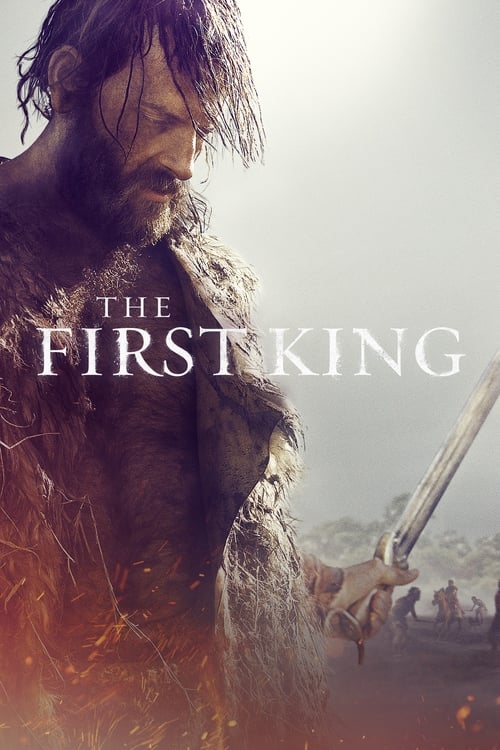
Imagine, for a second, that everything you know about ancient Rome—the gleaming white marble, the pristine togas, the stoic senators—is a lie. Forget the Shakespearean English accents and the organized legions. Instead, picture two desperate men gasping for air in a swamp, covered in a layer of filth so thick you can practically smell the stagnant Tiber water through your screen. That is the opening of The First King (Il primo re), and it’s the most honest thing I’ve seen in a historical drama in years.
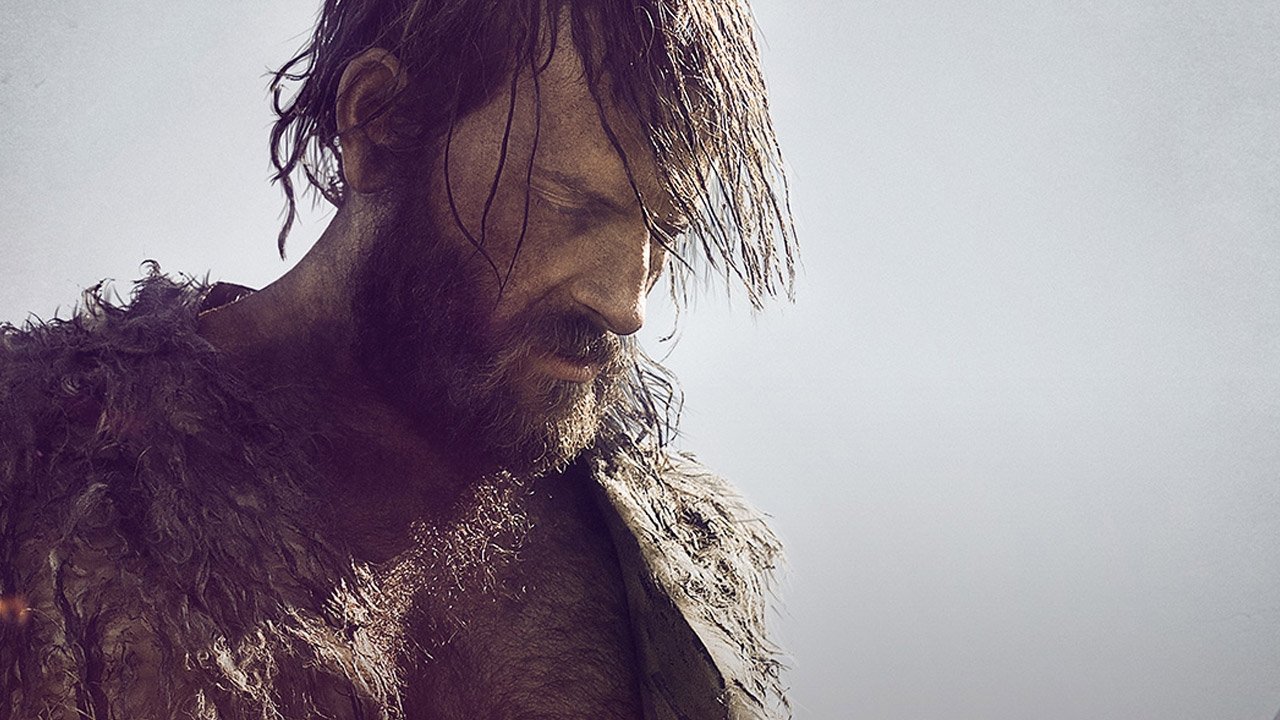
I watched this film on a rainy Tuesday evening while wearing a particularly itchy wool sweater, and honestly, the scratchy discomfort only added to the experience. This isn't a "sit back and relax" movie; it’s an immersive, damp, and frequently terrifying trip back to 753 BCE.
The Language of the Wild
The first thing that grabs you by the throat isn't the action, but the sound. Director Matteo Rovere made the radical decision to have the entire cast speak in Proto-Latin, a reconstructed, archaic version of the language that sounds more like a rhythmic growl than the Latin you might have struggled through in high school. It’s a brilliant move. Because I couldn't recognize a single word, I stopped trying to "read" the movie and started feeling it. It strips away the artifice of "Historical Hollywood" and makes the world feel alien, dangerous, and utterly unpredictable.
This choice anchors the film in our current cinematic moment. In an era where we are saturated with polished, franchise-ready IP, The First King feels like a rebellion. It’s part of a wave of "heightened realism" we’ve seen in the late 2010s—think The Revenant or The Northman—where the environment is just as much of a character as the actors. It makes Ridley Scott’s Roman epics look like a sanitized trip to a Vegas buffet.
A Brotherhood Forged in Fire
At the heart of the muck are Romulus and Remus, played by Alessio Lapice and Alessandro Borghi with an intensity that borders on the animalistic. Alessandro Borghi, in particular, is a revelation as Remus. He spends a good portion of the film carrying his brother on his back, his face a mask of sweat and religious mania. He isn't playing a legendary founder; he’s playing a man who is slowly losing his mind to the idea that he might be a god.
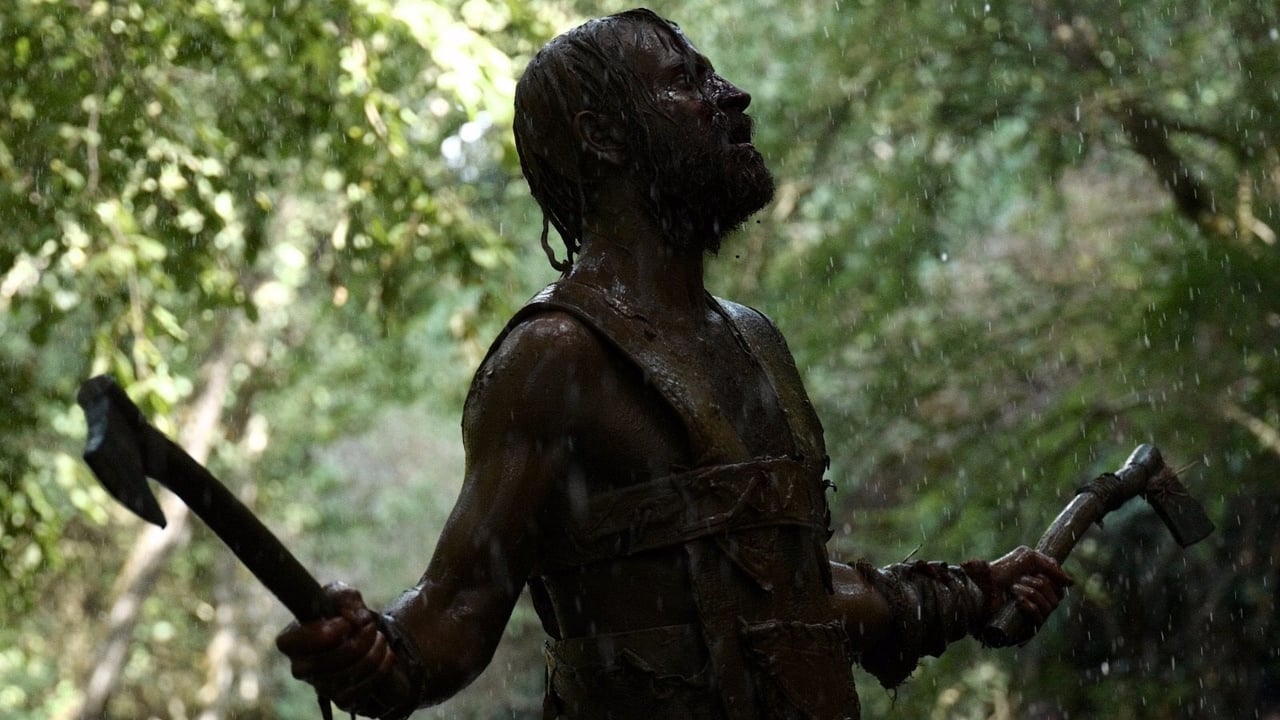
The chemistry between the two is what keeps the movie from descending into a mere survival exercise. You see the tenderness in how they huddle together for warmth, which makes the inevitable, legend-mandated betrayal feel like a genuine tragedy rather than a plot point. They aren't fighting for "The Glory of Rome"; they’re fighting because they’re cold, hungry, and terrified of the shadows.
One of my favorite performances, though, comes from Tania Garribba as the Vestal Virgin, Satnei. She carries the sacred fire with a terrifying, wide-eyed conviction. In one scene, she performs a divination that felt so authentically "other" that I actually found myself holding my breath. It’s a reminder that for these people, the gods weren't metaphors—they were neighbors who might kill you if you didn't burn the right entrails.
Natural Light and Bloody Knuckles
The look of the film is staggering, thanks to cinematographer Daniele Ciprì. Much like The Revenant, they reportedly used only natural light. This means the nights are actually dark. When a torch flickers in a cave, it’s the only thing you can see. It creates this claustrophobic, high-contrast world where danger could be six inches outside the light's reach.
It’s also surprisingly small-scale for a "historical epic." The budget was around $8 million—pocket change for a Marvel flick—but every cent is on the screen. The production team focused on textures: the weave of a dirty tunic, the rust on a bronze blade, the way blood mixes with river silt. It feels tactile. It’s a shame this movie didn't make a bigger splash at the global box office, earning only about $2.4 million. It likely suffered from "subtitle fatigue" and the lack of a massive marketing machine, but in the streaming era, it’s exactly the kind of "hidden gem" that deserves a second life on your watchlist.
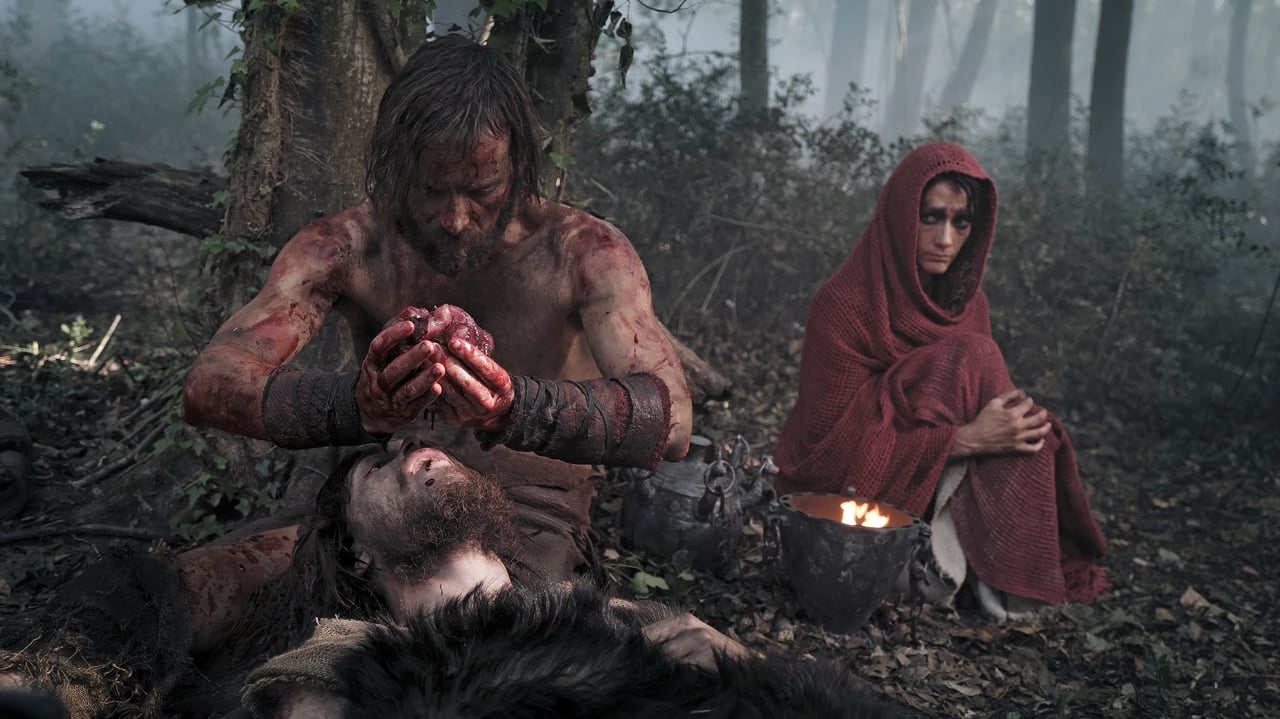
The film does lean into its brutality. It’s not for the squeamish. People are gutted, burned, and beaten with a frequency that reminds you just how cheap life was before antibiotics and due process. But it never feels exploitative. It feels like an honest attempt to de-mythologize a foundation myth. It turns a Sunday school legend into a prehistoric slasher movie.
Why It Matters Now
In our current era of "peak franchise," where we know exactly how every hero's journey ends before the first trailer drops, The First King offers something genuinely visceral (sorry, I meant raw). It’s a story about the cost of order. To build a city, you have to kill the wildness in yourself, and sometimes that means killing the person you love most. It’s a bleak, beautiful, and utterly unique piece of filmmaking that asks what we are willing to sacrifice for the sake of a legacy.
If you’re tired of CGI armies and clean-shaven heroes, give this one a look. Just maybe don't wear a wool sweater while you do it.
The First King is a rare breed: a historical drama that actually feels like it was filmed in the past. While the relentless grimness might be a bit much for some, the commitment to its Proto-Latin dialogue and the powerhouse performance by Alessandro Borghi make it a must-watch. It’s a muddy, bloody masterpiece that proves you don't need a hundred-million-dollar budget to build Rome in a day—you just need enough dirt and a lot of heart.

Keep Exploring...
-

Italian Race
2016
-

There's Still Tomorrow
2023
-
Colonia
2015
-

Land of Mine
2015
-
Suffragette
2015
-

Race
2016
-
Risen
2016
-
A Taxi Driver
2017
-
Battle of the Sexes
2017
-
Borg vs McEnroe
2017
-

Detroit
2017
-
The Man Who Invented Christmas
2017
-
The Zookeeper's Wife
2017
-
Victoria & Abdul
2017
-
22 July
2018
-
Т-34
2018
-
Mary Queen of Scots
2018
-

On the Basis of Sex
2018
-
Operation Finale
2018
-
The Current War
2018