The Gangster, the Cop, the Devil
"Evil needs a bigger monster to stop it."
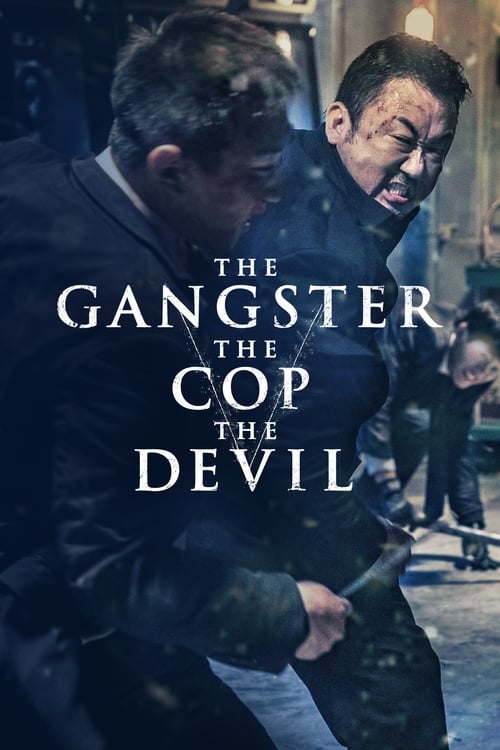
The first time I saw Ma Dong-seok (or Don Lee, as he’s known to the Marvel crowd) on screen, I didn't think I was looking at an actor; I thought I was looking at a tectonic plate shift in a suit. In the opening minutes of The Gangster, the Cop, the Devil, his character, Jang Dong-su, is working out on a heavy punching bag. It’s a standard trope—until he zips the bag open and a bruised, bloody man tumbles out. Jang hasn’t just been training; he’s been using a human being as a cardio supplement.
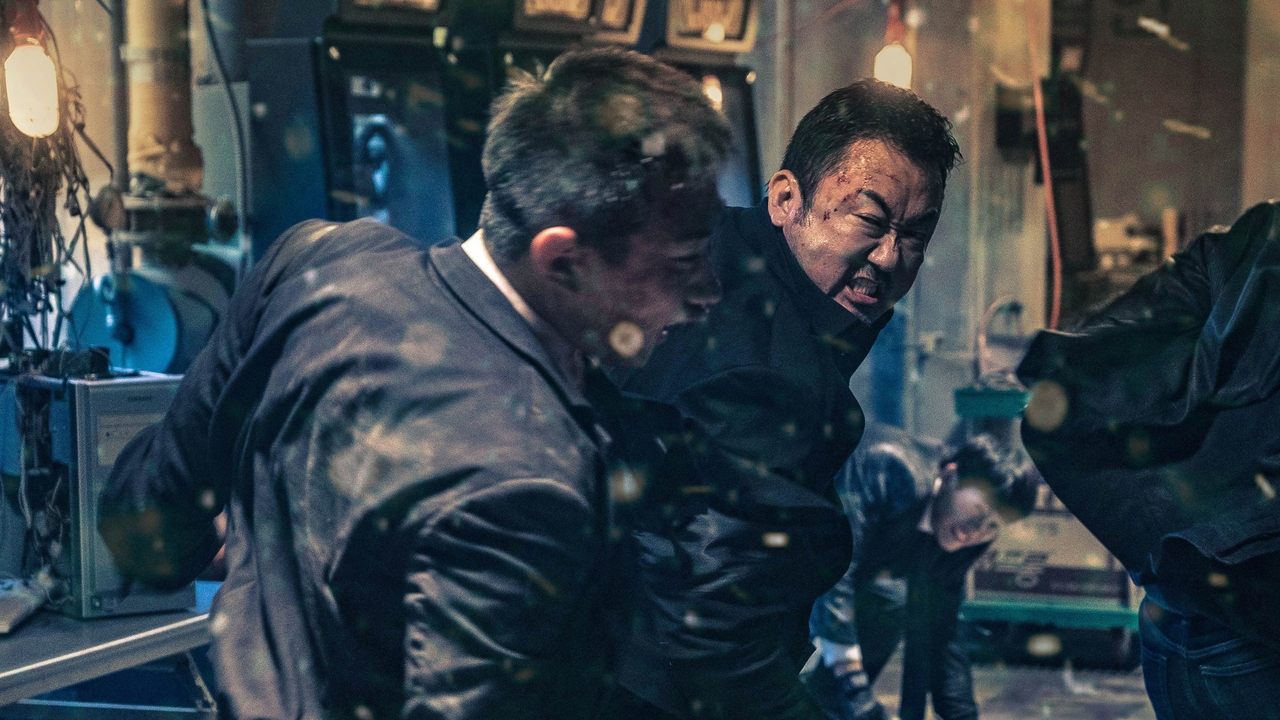
It’s a brutal, pitch-black introduction that tells you exactly what kind of neighborhood you’ve wandered into. I watched this for the first time on a humid Tuesday night while nursing a lukewarm slice of pepperoni pizza that had clearly seen better days, and honestly, the grease on the cardboard felt like the perfect sensory accompaniment to the grimy, rain-slicked streets of Cheonan.
In an era where Hollywood seems terrified of making a movie that costs less than $200 million or isn't tied to a multiverse, South Korea has been quietly perfected the "Mid-Budget Banger." This film is the gold standard of that movement—a high-concept thriller that prioritizes bone-crunching choreography over CGI noise.
An Unholy Alliance
The setup is the kind of high-concept pitch that makes you wonder why it hasn't been done a thousand times before. We have a serial killer, K (Kim Sung-kyu), who picks targets at random by rear-ending their cars and stabbing them when they get out to check the damage. It’s a terrifyingly mundane "wrong place, wrong time" premise. But K makes a fatal mistake: he tries to kill Jang Dong-su.
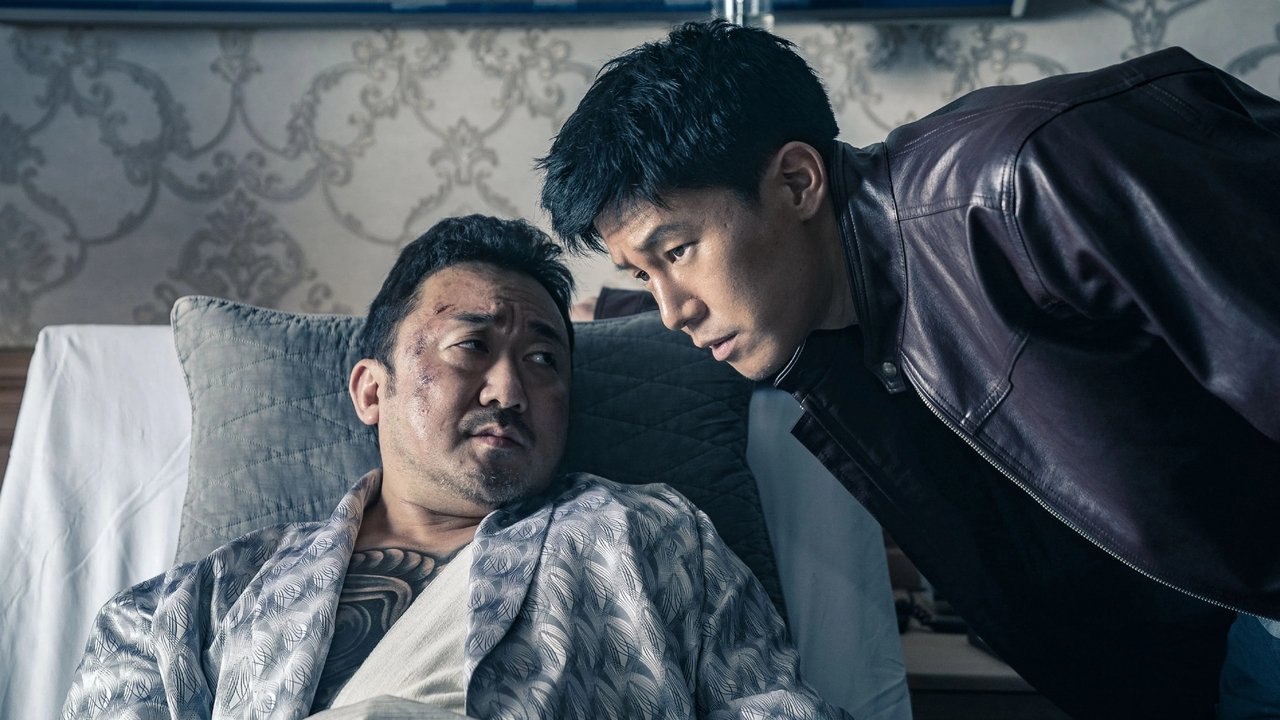
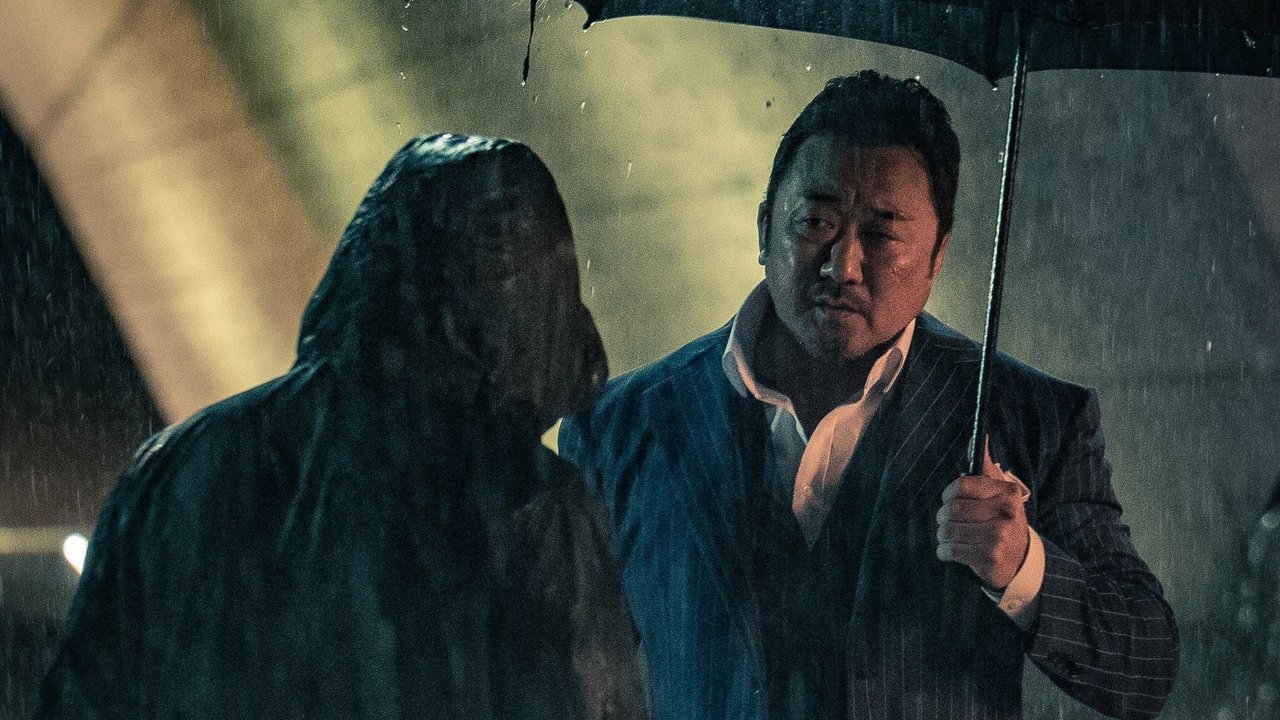
Watching K realize he’s picked a fight with a grizzly bear in a designer blazer is one of the film's early highlights. Jang survives the encounter, but his reputation as an untouchable mob boss is shattered. Enter Jung Tae-seok (Kim Moo-yul), a hyperactive, corrupt-adjacent detective who is the only person on the force who believes a serial killer is on the loose.
Because the police are incompetent and the mob is vulnerable, the two enemies strike a deal: they’ll pool their resources to find the killer. The catch? Whoever catches him first gets to deal with him by their own code. The cop wants an arrest; the gangster wants a slow, painful execution. It’s a classic "enemy of my enemy" setup, but it’s played with such a grim, relentless intensity that it never feels like a buddy-cop cliché. The chemistry between the leads is basically a contest of who can sweat more testosterone while staring at a map.
The Art of the Punch
Director Lee Won-tae understands that action is most effective when it feels heavy. There’s a specific physics to the violence here that is sorely missing from contemporary American action. When Ma Dong-seok hits someone, the sound design makes it feel like a sack of wet cement hitting a sidewalk. It’s not "wire-fu" or flashy gymnastics; it’s a terrifying display of mass and momentum.
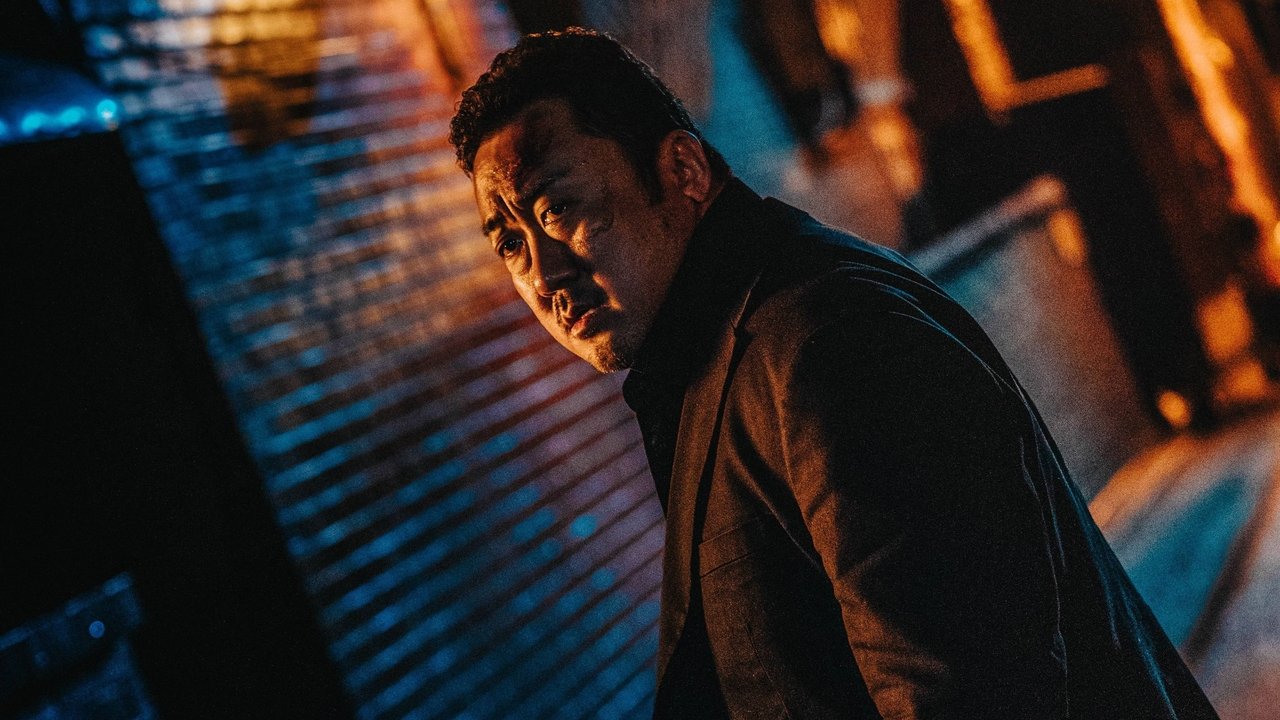
The cinematography by Park Se-seung leans heavily into the noir aesthetic—lots of neon reflecting off puddles, sickly green hospital corridors, and cramped interrogation rooms. It captures the "Dark" modifier perfectly. There is no moral high ground here. The "Cop" is a jerk who treats the law like a suggestion, and the "Gangster" is a literal murderer. You aren't rooting for the "good guy" because there isn't one. You’re rooting for the most efficient predator to take down the rabid dog.
Behind the scenes, the stunt work is remarkably grounded. There is a car chase mid-way through the film that involves more crumpled metal than a demolition derby, and it’s filmed with a clarity that lets you see exactly who is in which vehicle and what the stakes are. In a post-John Wick world, we’ve grown accustomed to long takes, but Lee Won-tae uses editing to create a jagged, frantic energy that matches the serial killer’s own psychosis.
A Modern Obscurity Worth Finding
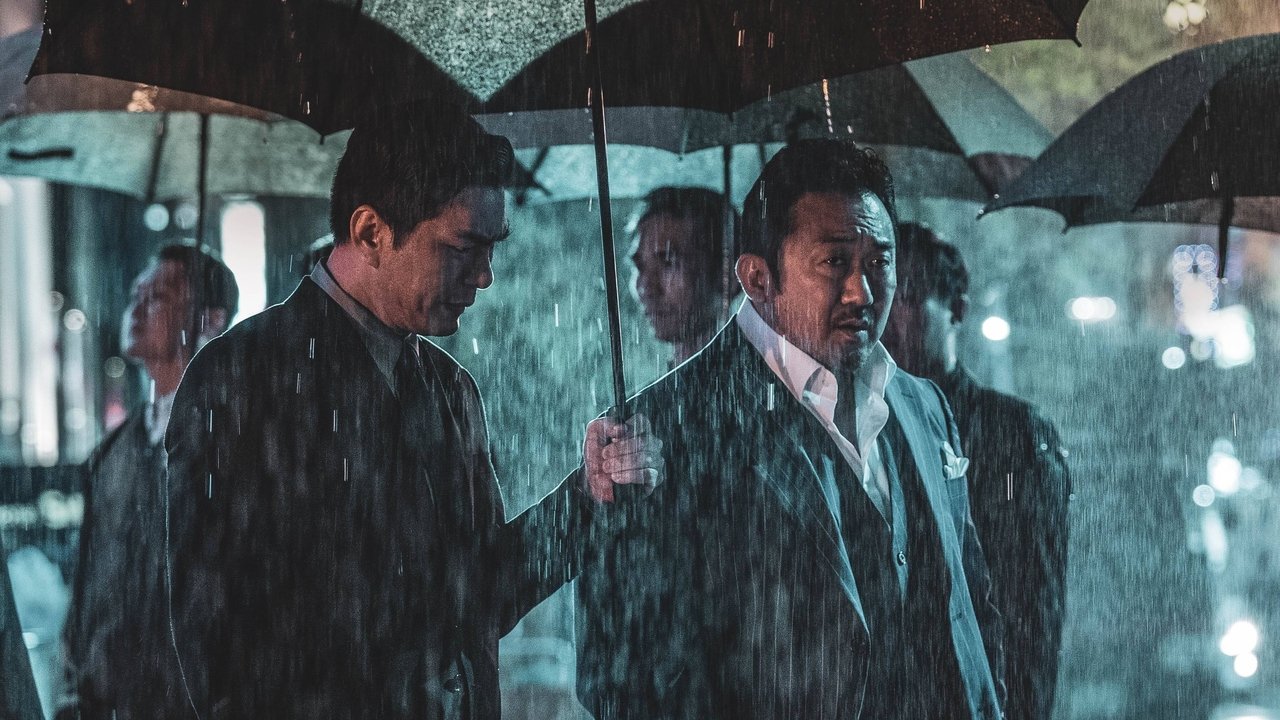
Despite being a massive hit in South Korea and receiving a standing ovation at Cannes, The Gangster, the Cop, the Devil feels like a "hidden gem" in the West. It’s the kind of movie you find on a streaming deep-dive and then immediately text your friends about. Its lack of a major theatrical push in the U.S. is a crime in itself, though Sylvester Stallone was apparently so impressed that his production company, Balboa Productions, snapped up the remake rights almost immediately (with Ma Dong-seok set to reprise his role).
The film works because it doesn't try to be a "meditation on the nature of evil." It treats evil as a physical problem that needs to be solved with physical force. It fits perfectly into our current cultural moment where audiences are clearly starving for standalone stories that don't require homework. It’s a movie that knows exactly what it is: a blunt force instrument designed to keep your heart rate in the triple digits.
By the time the third act rolls around, the lines between the law and the underworld have blurred into a muddy, blood-stained mess. The ending—which I won’t spoil—is a masterclass in "poetic justice" that manages to be both deeply cynical and immensely satisfying. It’s a reminder that sometimes, the only way to beat a devil is to hire a different kind of demon to do the job.
If you’re tired of capes and multiverses, this is the palate cleanser you need. It’s a lean, mean, 110-minute machine that proves South Korea is currently the undisputed heavyweight champion of the crime thriller. Just make sure you aren't eating anything too delicate during the punching bag scene. It’s a film that demands your full attention and rewards it with some of the most satisfyingly "heavy" action of the last decade.
Keep Exploring...
-
The Stronghold
2021
-
Batman vs. Robin
2015
-
Sicario
2015
-
Patriots Day
2016
-
Forgotten
2017
-
John Wick: Chapter 2
2017
-

The Beekeeper
2024
-
Brawl in Cell Block 99
2017
-
Furious 7
2015
-
John Wick: Chapter 3 - Parabellum
2019
-
Bad Boys for Life
2020
-
Extraction 2
2023
-
Fast X
2023
-
John Wick: Chapter 4
2023
-
The Equalizer 3
2023
-
Suburra
2015
-

Miss Sloane
2016
-
22 July
2018
-
Hotel Mumbai
2019
-
November
2022