The Goldfinch
"A heavy frame for a delicate story."
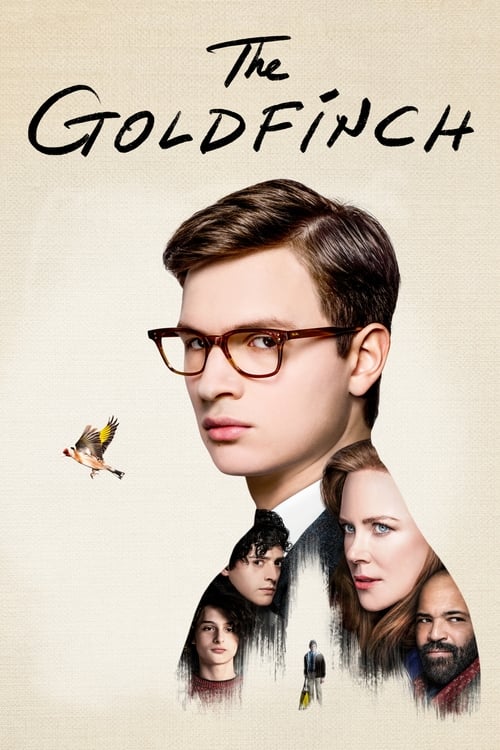
The 800-page novel is the natural enemy of the two-and-a-half-hour screenplay. When Donna Tartt released The Goldfinch in 2013, it wasn’t just a book; it was a seasonal accessory, a sea-foam green brick found on every subway car and bedside table in the country. It had the kind of sprawling, Dickensian soul that practically begged for a ten-part HBO miniseries. Instead, we got the 2019 film—a polished, expensive, and strangely hollow vessel that tried to condense a lifetime of grief into the length of a long flight.
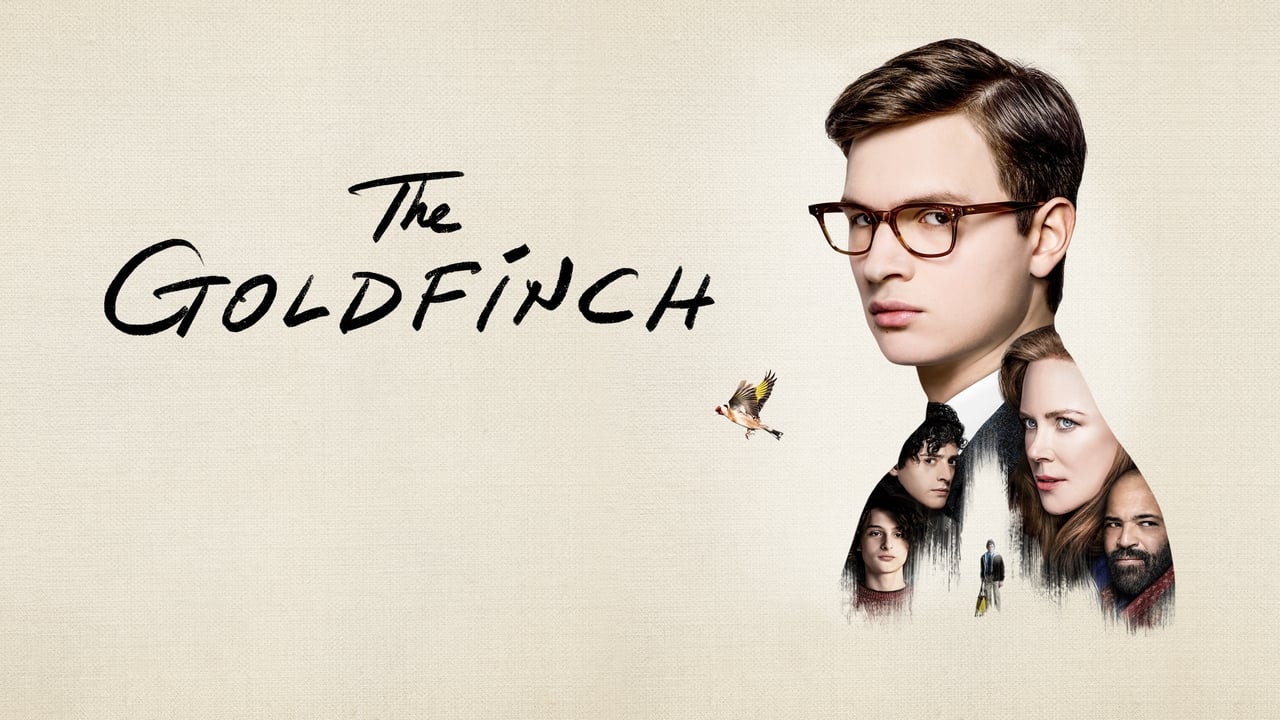
I watched this recently while drinking a lukewarm cup of Earl Grey that I’d forgotten to steep, and honestly, the accidental blandness of the tea matched the movie's muted beige palette perfectly. There is so much talent on screen here that the end result feels less like a movie and more like a 149-minute IKEA catalog of grief. It’s beautiful to look at, but you’re constantly aware that everything is staged.
The Deakins Touch and The Two Theos
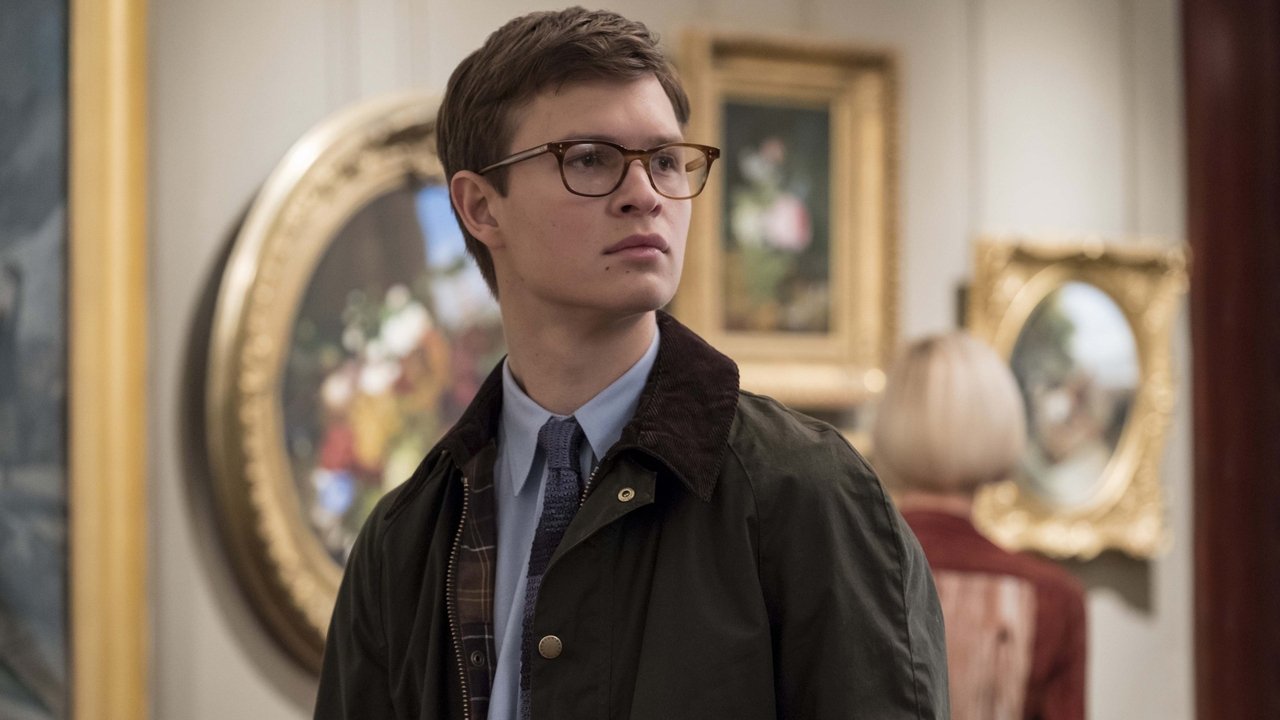
If there is one undeniable reason to sit through this, it’s the cinematography. Roger Deakins could film a wet paper bag and make it look like a religious relic, and here he treats the antique furniture and dusty New York apartments with a reverence that borders on the divine. Every frame is a painting, which is fitting for a story centered on a stolen 17th-century masterpiece.
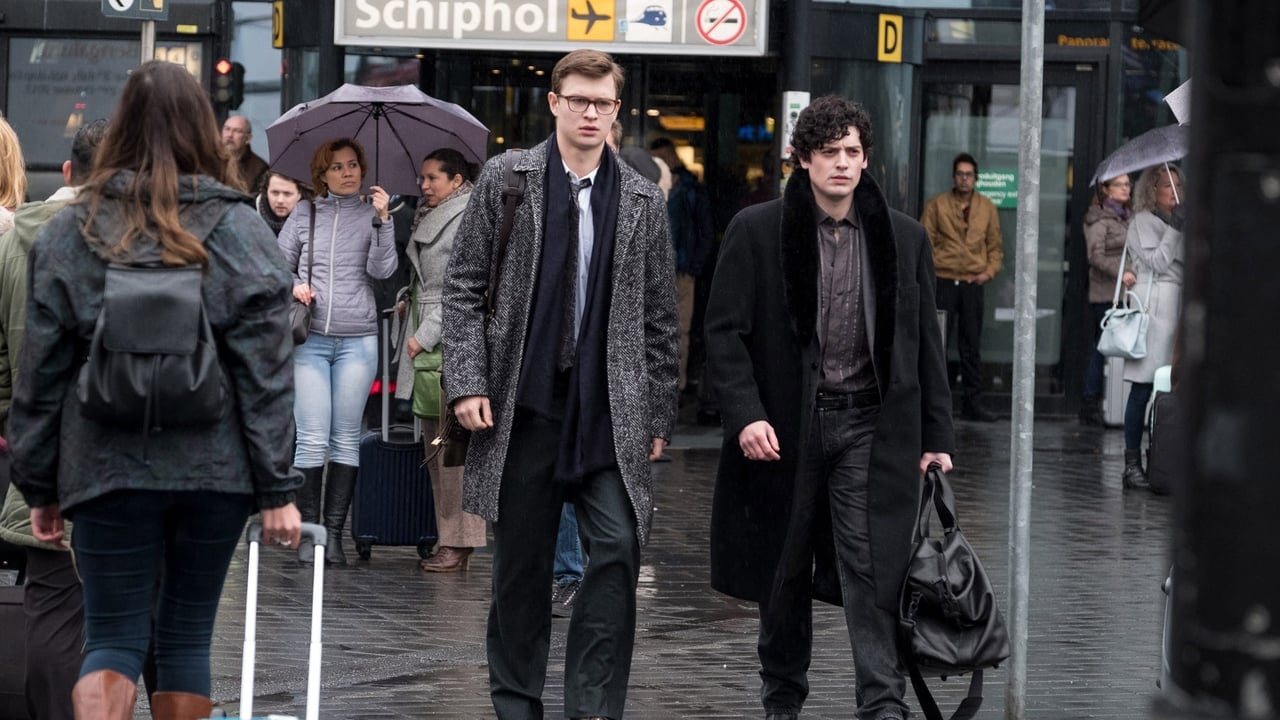
The story splits its time between young Theo (Oakes Fegley) and his adult self (Ansel Elgort). Fegley is the standout here; he carries the shell-shocked weight of a boy who just lost his mother in a museum bombing with a quiet, heartbreaking intensity. When he’s taken in by the wealthy, chilly Mrs. Barbour—played by Nicole Kidman with a wig that deserves its own SAG award—the film feels like it’s finding a rhythm. It’s a story about "things" and how we use them to anchor ourselves to the people we've lost.
Then we transition to the adult Theo, and the momentum hits a brick wall. Ansel Elgort is a fine actor in the right role, but here he acts like he’s afraid to wrinkle his suit. He plays Theo with such a stiff, curated melancholy that I found it hard to care about his spiraling drug use or his foray into the world of high-end furniture fraud. He’s surrounded by greatness—Jeffrey Wright provides a much-needed soul as the antique restorer Hobie, and Sarah Paulson is delightfully trashy as the stepmother from hell—but the central performance feels like it’s being viewed through a thick sheet of plexiglass.
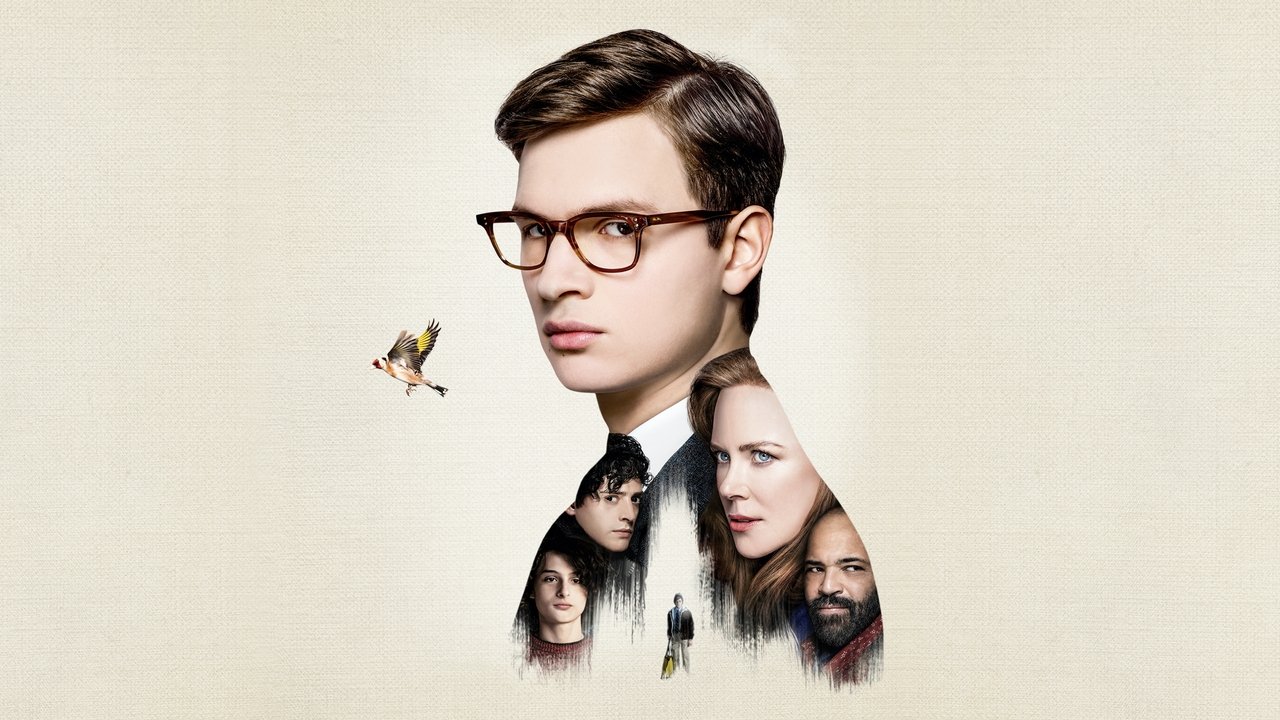
The "Prestige Film" Identity Crisis
Released just a few months before the world shut down, The Goldfinch feels like one of the last gasps of a specific kind of studio filmmaking: the Big Budget Literary Adaptation. In the current streaming-dominant era, this would have been a prestige limited series on Amazon (who co-produced it) or Netflix. By cramming it into a theatrical runtime, the screenplay is forced to skip through years of character development, leaving us with a highlight reel of tragedy rather than a lived-in experience.
It’s a classic case of a movie that is too prestige for its own good. It’s so concerned with being "Important Cinema" that it forgets to be a compelling story. The middle act, where Theo moves to a desert wasteland in Las Vegas to live with his deadbeat dad (Luke Wilson), should feel like a jarring, sun-bleached nightmare. Instead, it just feels like the movie is checking off a box from the book. Even the chemistry between young Theo and his chaotic friend Boris (Finn Wolfhard) feels rushed, despite being the most interesting relationship in the entire narrative.
Why It Vanished into the Vaults
Despite the $40 million budget and a Pulitzer-winning pedigree, The Goldfinch evaporated from the cultural conversation almost the moment it hit theaters. It was a box office disaster, earning back a fraction of its cost. Critics were unkind, and audiences—mostly fans of the book—were frustrated by the fractured timeline that sapped the story of its emotional payoff.
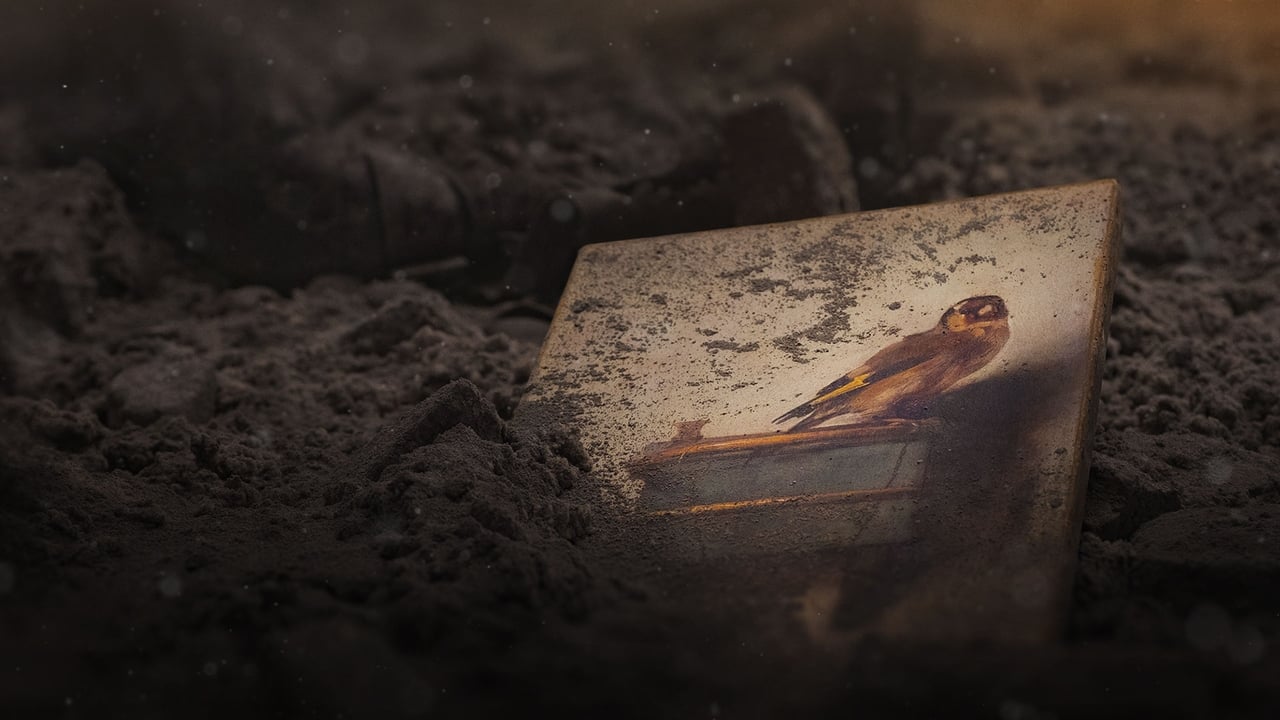
I think it failed because it tried to be a masterpiece by association. It leaned on the book's reputation and Deakins' lighting rather than finding its own cinematic pulse. It’s a "forgotten" film now because it doesn’t quite fit anywhere; it’s too slow for a casual Friday night watch and too superficial for the hardcore literary crowd. There’s a fascinating bit of trivia regarding the actual painting: the artist, Carel Fabritius, actually died in a gunpowder explosion in 1654, much like the explosion that kicks off the movie. There’s a poetic symmetry there that the film almost captures, but it ultimately gets lost in the upholstery.
At its best, The Goldfinch is a gorgeous gallery of "What Ifs." What if it had been a series? What if the adult Theo had more of the fire found in his younger counterpart? As it stands, it’s a beautifully shot, decently acted drama that remains oddly forgettable despite its pedigree. If you’re a fan of the book, you’ll likely spend the runtime mourning the scenes that were cut; if you haven't read it, you’ll just wonder why everyone is so obsessed with a small bird on a piece of wood. It’s a fine way to spend a quiet afternoon, but don't be surprised if the details start to fade before the credits finish rolling.
Keep Exploring...
-
We Live in Time
2024
-
Boy Erased
2018
-
Brooklyn
2015
-
Colonia
2015
-
Entourage
2015
-
Equals
2015
-

Fathers and Daughters
2015
-
Max
2015
-

Pawn Sacrifice
2015
-
The 33
2015
-
Trumbo
2015
-
Gold
2016
-
Miracles from Heaven
2016
-
Risen
2016
-
The Choice
2016
-
The Infiltrator
2016
-
The Light Between Oceans
2016
-
Whiskey Tango Foxtrot
2016
-
All Eyez on Me
2017
-
Battle of the Sexes
2017