The Highwaymen
"Justice comes for the ghosts of the road."
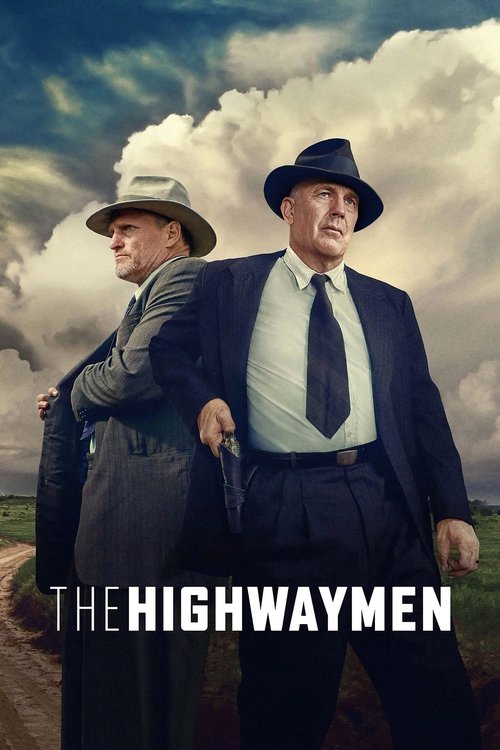
The 1934 Ford V8 wasn't just a car; it was a silver bullet on wheels, a mechanical deity that Bonnie Parker and Clyde Barrow used to outrun the law and capture the imagination of a Depression-starved public. For decades, cinema has been obsessed with the glamour of that "death car" and the kids who died in it. But John Lee Hancock’s The Highwaymen isn’t interested in the outlaw chic or the beret-wearing rebellion. It’s interested in the creak of leather, the smell of gun oil, and the terrifying realization that your body is no longer as fast as your reputation.
I watched this on a rainy Tuesday afternoon while wearing a pair of old wool socks with a hole in the big toe, and honestly, that felt like the most appropriate way to experience a film so deeply rooted in the "worn-out" aesthetic. It’s a movie that smells like stale coffee and high-noon dust, a slow-burn procedural that reminds us that before Bonnie and Clyde were folk heroes, they were simply cold-blooded killers who needed to be stopped by men even colder than they were.
The Last Stand of the Texas Dinosaurs
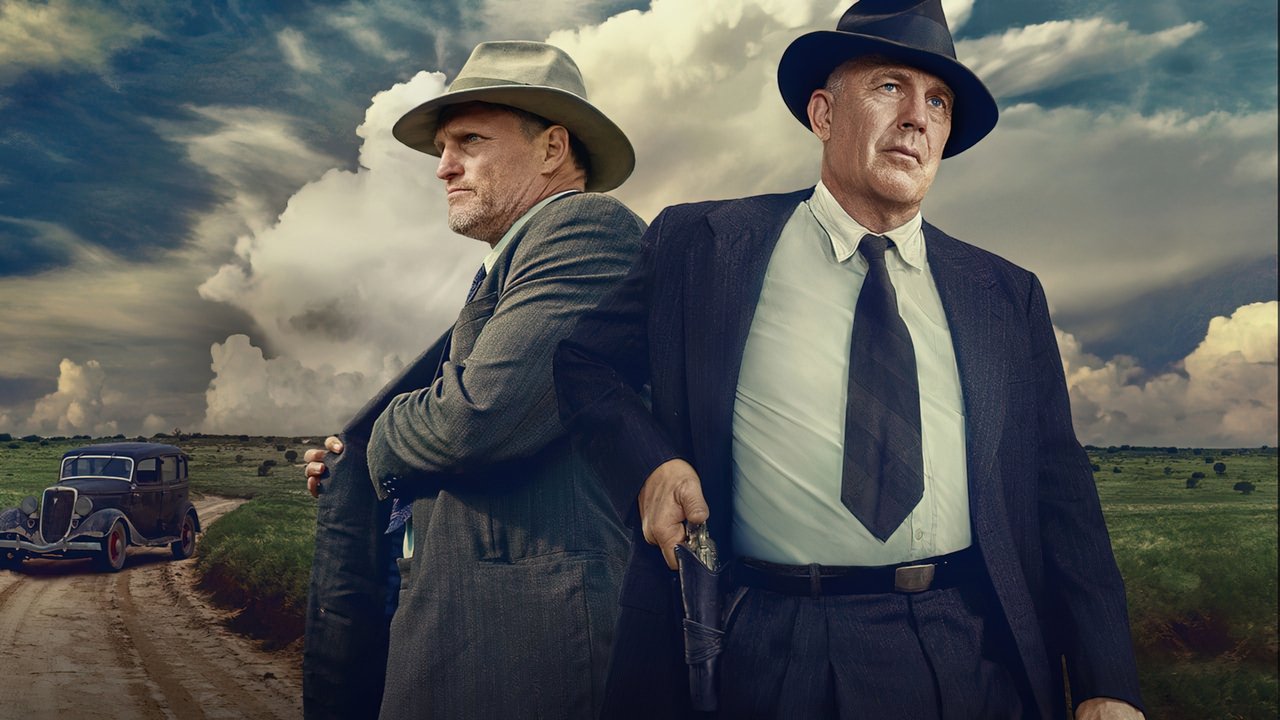
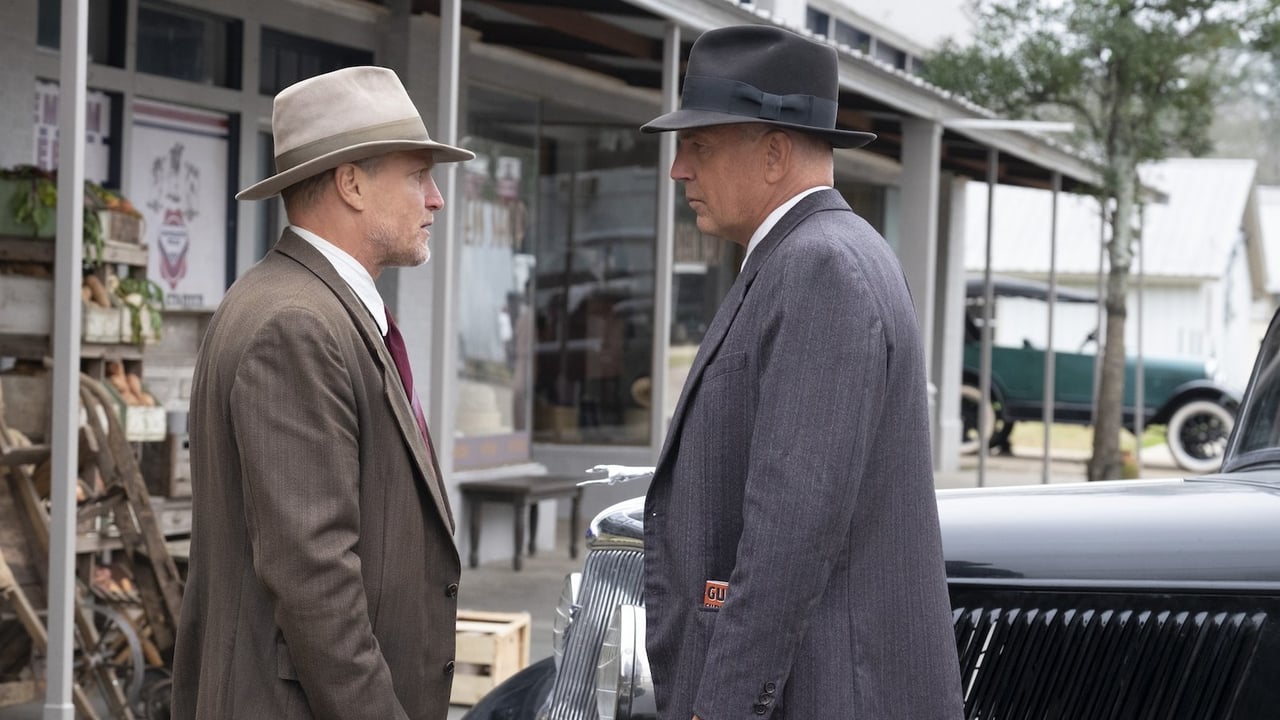
The heart of this film isn't the chase; it’s the chemistry between two titans of the "Dad Movie" pantheon. Kevin Costner steps into the boots of Frank Hamer, a man who is essentially a human slab of granite that occasionally grunts. Costner has reached that stage in his career where he can communicate a decade of trauma just by adjusting his hat, and it’s a perfect fit for a Ranger who has been dragged out of a forced retirement by Kathy Bates’ Ma Ferguson.
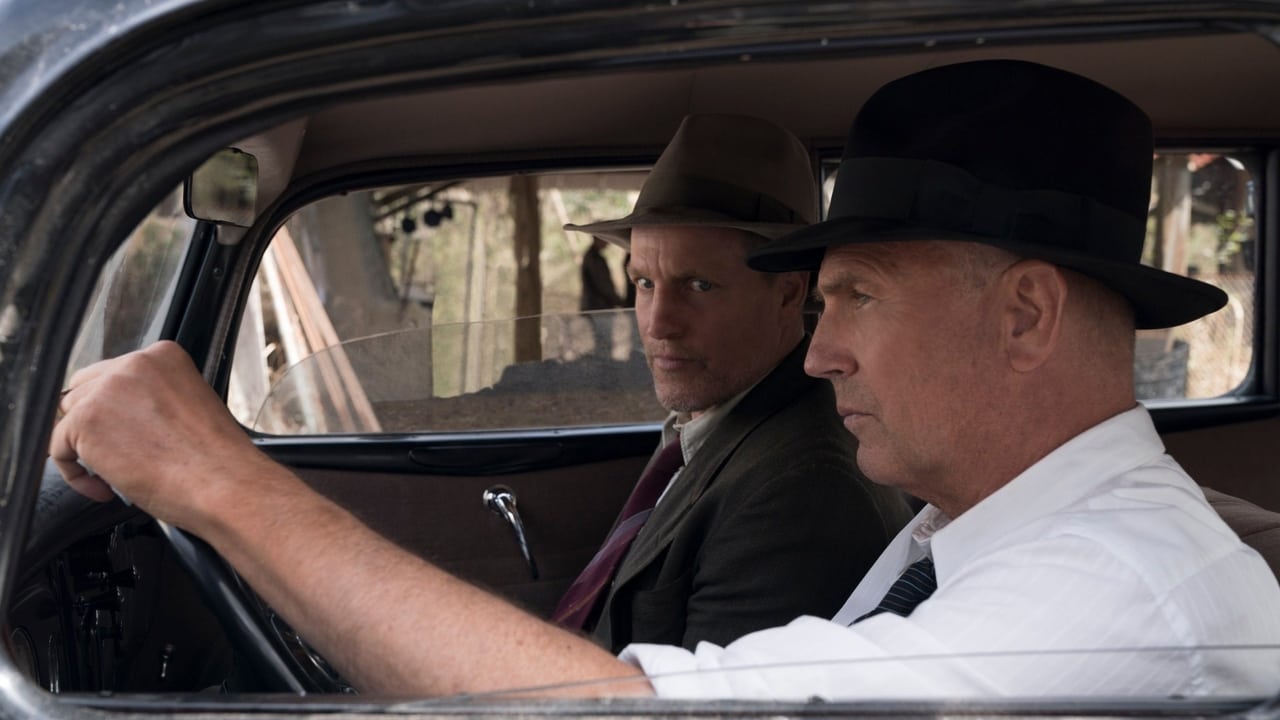
Opposite him, Woody Harrelson plays Manny Gault, the soul to Hamer’s steel. Harrelson is doing some of his most nuanced work here, playing a man who is clearly haunted by the things they did in their younger days but is too loyal—or perhaps too bored—to stay home. Their banter isn't the snappy, quippy dialogue of a modern Marvel flick; it’s the rhythmic, weary conversation of two men who have seen the worst of humanity and are just trying to find a decent place to eat. I would genuinely watch these two read a grocery list for two hours, and The Highwaymen often feels like it's testing that theory by letting them just exist in a car for vast stretches of time.
Netflix and the $49 Million Gamble
Released during that mid-2010s gold rush where Netflix was throwing massive budgets at "adult dramas" that traditional studios were too scared to touch, The Highwaymen feels like a luxury item. With a $49 million budget, Hancock didn't spend the money on explosions; he spent it on authenticity. The production design is immaculate, turning the American South into a desaturated, haunting landscape where the "Barrow Gang" are treated like elusive, homicidal Bigfoot sightings.
It’s a fascinating pivot from the 1967 classic Bonnie and Clyde. While that film was a counter-culture explosion, this is a sober, almost clinical deconstruction of celebrity. We barely see Bonnie and Clyde’s faces until the very end. They are ghosts, or rather, a disease spreading through the country. The film captures the bizarre, cult-like worship they received—vulture-like crowds swarming the duo like they were the Beatles—which makes the inevitable, brutal ending feel less like a tragedy and more like a necessary exorcism. In an era of streaming saturation, it’s rare to find a film that is this patient with its pacing, daring the audience to sit with the silence.
Chasing the Real Shadows
If you’re a history nerd, The Highwaymen is a treasure trove of "how it actually happened" details. For instance, the project was originally pitched decades ago for Paul Newman and Robert Redford, which would have been a massive Butch Cassidy reunion, but I think the grit of Costner and Harrelson actually serves the material better.
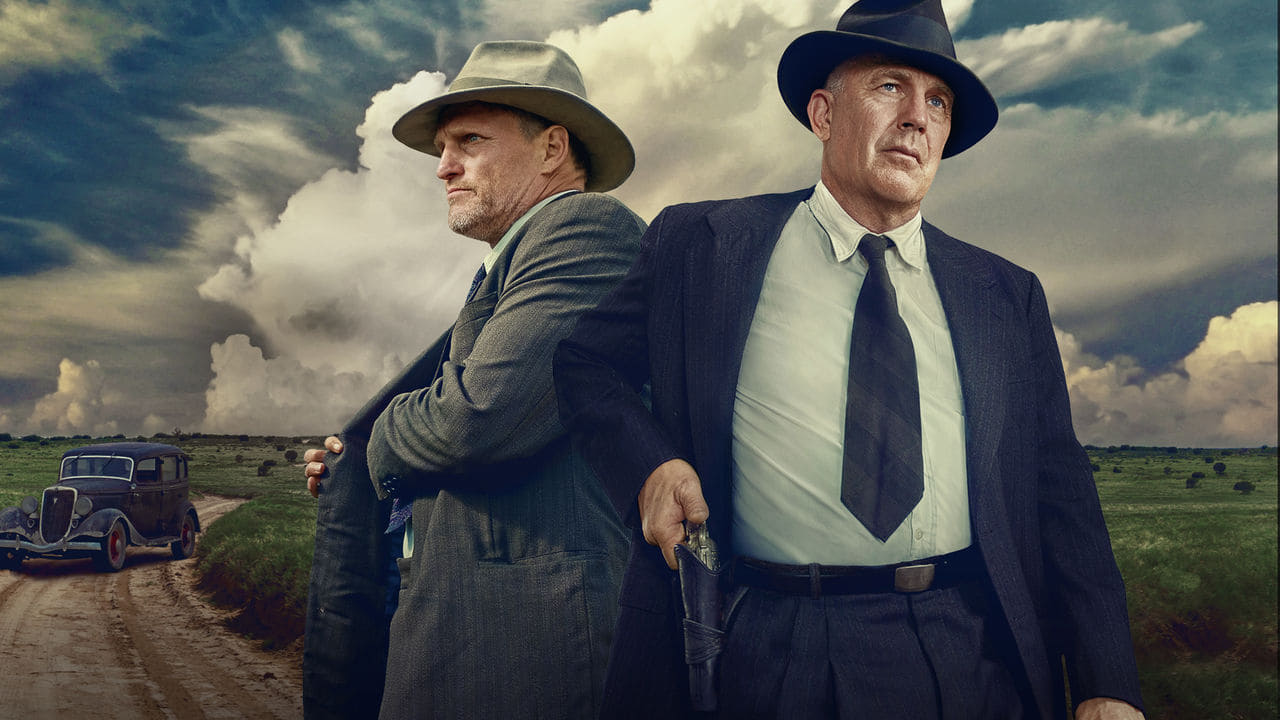
There’s a strange, reverent energy to the production—they actually filmed the climax on the exact stretch of Highway 154 in Louisiana where the real ambush took place. The guns Hamer carries aren't just props; they are historically accurate "monsters," specifically the Colt Monitor, which was designed to punch through car doors. Apparently, Costner also put on about 15 pounds to play Hamer, wanting to look like a man who had spent too much time sitting on a porch before being forced back into the saddle. It’s these little textures—the weight of the guns, the sag of the waistline—that keep the film grounded when it could have easily drifted into hagiography.
I found myself oddly moved by the scene where Hamer tries to buy a modern (for the time) arsenal, realizing that the world has moved on from the single-action revolvers of his youth. It’s a classic Western trope transposed into the 1930s: the lawmen are dinosaurs watching the comet approach, but they’re going to bite the comet's head off before they go.
The Highwaymen is the ultimate "slow and steady" crime drama. It doesn’t try to reinvent the wheel, but it polishes that wheel until you can see the bloodstains on the chrome. If you’re looking for a high-octane thriller, this might feel like a Sunday drive in a school zone, but for those who appreciate seeing two legendary actors at the top of their late-career game, it’s a journey worth taking. It’s a film about the heavy price of being the person who has to do the dirty work while the rest of the world cheers for the villains. Just make sure you bring your favorite pair of wool socks for the ride.
Keep Exploring...
-
The Little Things
2021
-
Patriots Day
2016
-

Snowden
2016
-

The Founder
2016
-
Bad Times at the El Royale
2018
-

Death Wish
2018
-
Widows
2018
-

Uncut Gems
2019
-

Promising Young Woman
2020
-

Wrath of Man
2021
-

Ambulance
2022
-
Jack Reacher: Never Go Back
2016
-

Shot Caller
2017
-

You Were Never Really Here
2017
-

The House That Jack Built
2018
-

El Camino: A Breaking Bad Movie
2019
-

The Devil All the Time
2020
-
I Care a Lot
2021
-

Nightmare Alley
2021
-

Dogman
2018