The Irishman
"The painting is done, and the house is empty."
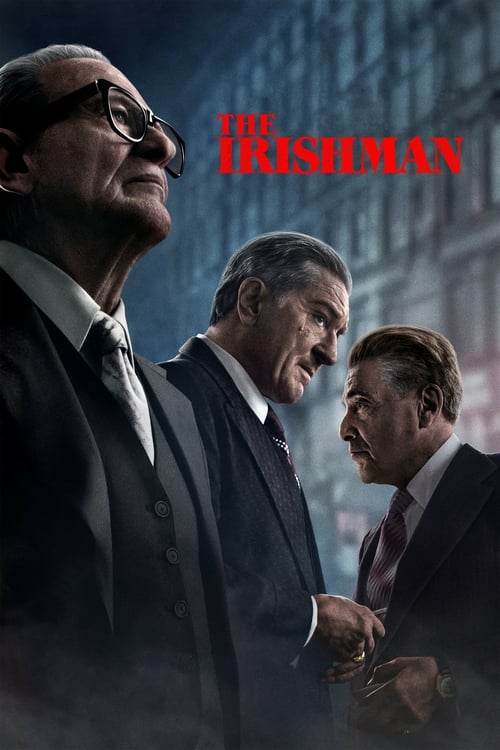
The silence in the room during the final twenty minutes of The Irishman is louder than any gunshot in Martin Scorsese’s entire filmography. I watched this three-and-a-half-hour behemoth on a rainy Tuesday while my cat kept trying to chew through my laptop charger, and even that domestic chaos couldn't break the spell of watching three titans of cinema face the inevitable. By the time the credits rolled, I felt like I’d aged thirty years right alongside the characters.
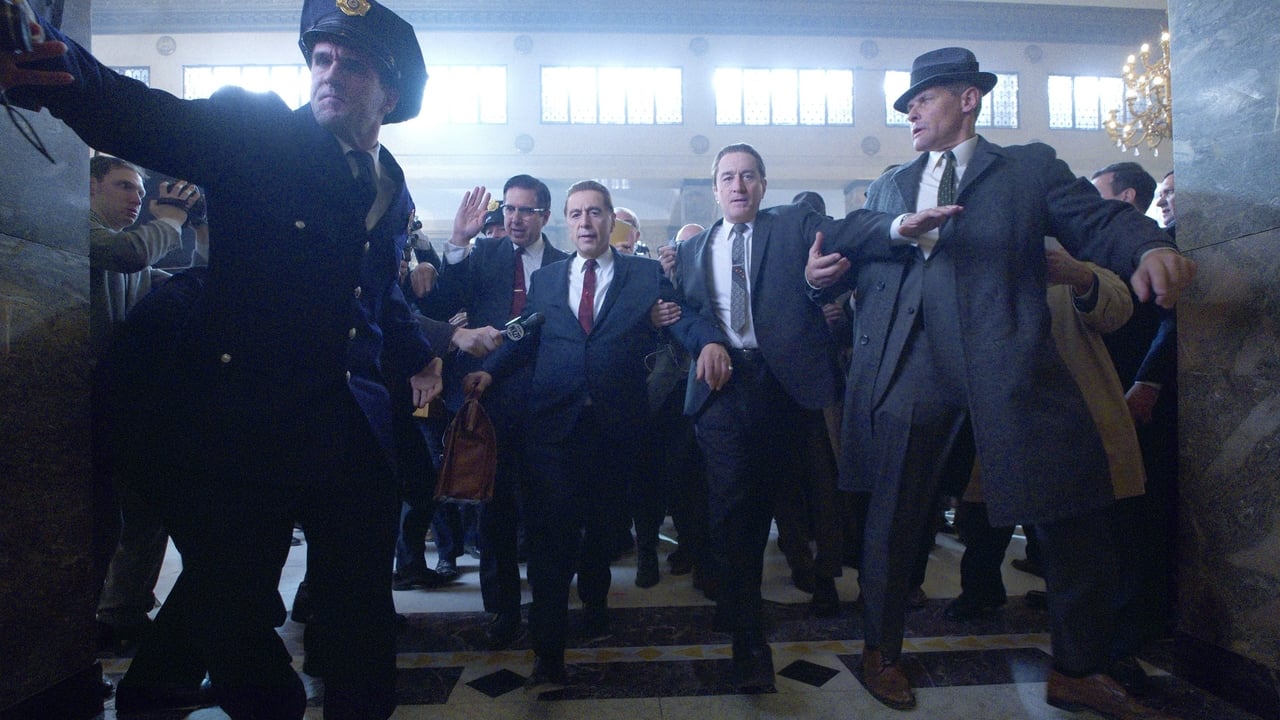
This isn't the cocaine-fueled kinetic energy of Goodfellas (1990) or the neon-soaked religious fervor of Casino (1995). This is Scorsese at his most somber and reflective, utilizing a massive Netflix budget to tell a story about the one thing no mobster can outrun: time.
The Digital Fountain of Youth
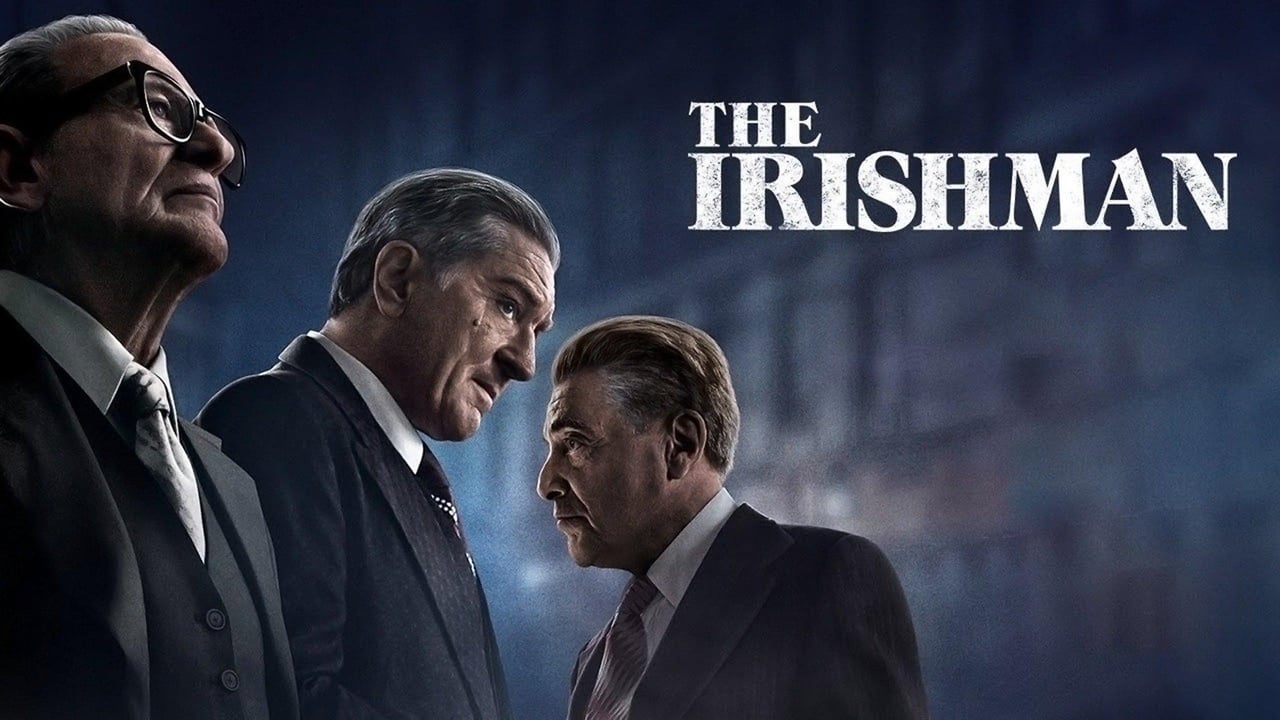
Released in 2019, The Irishman became a lightning rod for the "Cinema vs. Streaming" debate. Netflix dropped a staggering $159 million on this project—a number that would make most traditional studios faint—largely to fund the groundbreaking de-aging technology. Seeing Robert De Niro, Al Pacino, and Joe Pesci look like their forty-year-old selves is admittedly jarring for the first ten minutes. There is a "uncanny valley" quality to Robert De Niro’s movements; he might have the face of a younger man in the early scenes, but he still moves with the deliberate, heavy gait of a man in his late seventies.
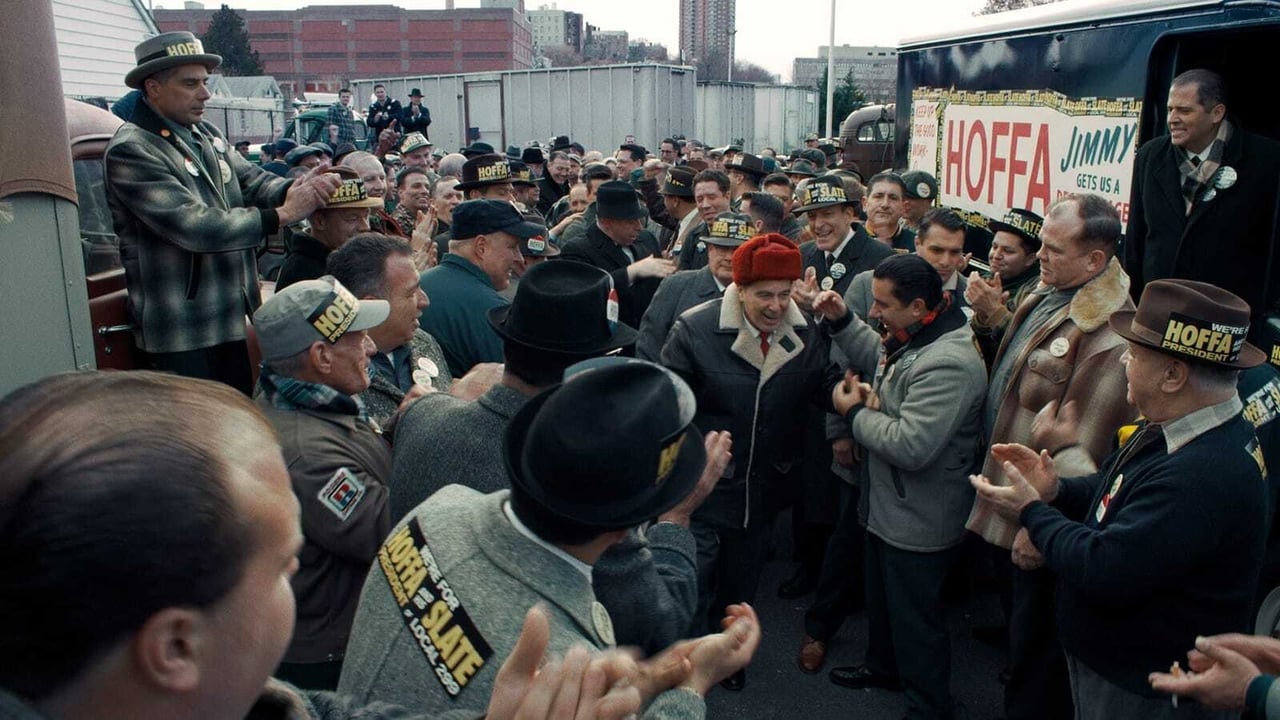
However, once you stop squinting at the pixels, the technology fades into the background, leaving only the performances. The film follows Frank Sheeran (Robert De Niro), a truck driver who becomes a hitman for the mob, eventually working under the wing of Russell Bufalino (Joe Pesci) and becoming the right-hand man to the legendary Jimmy Hoffa (Al Pacino). It’s a sprawl of American history seen through the eyes of a man who isn't a hero or even a particularly interesting villain—he’s just a "house painter" who does what he’s told until there’s nobody left to tell him anything.
Quiet Men and Loud Ends
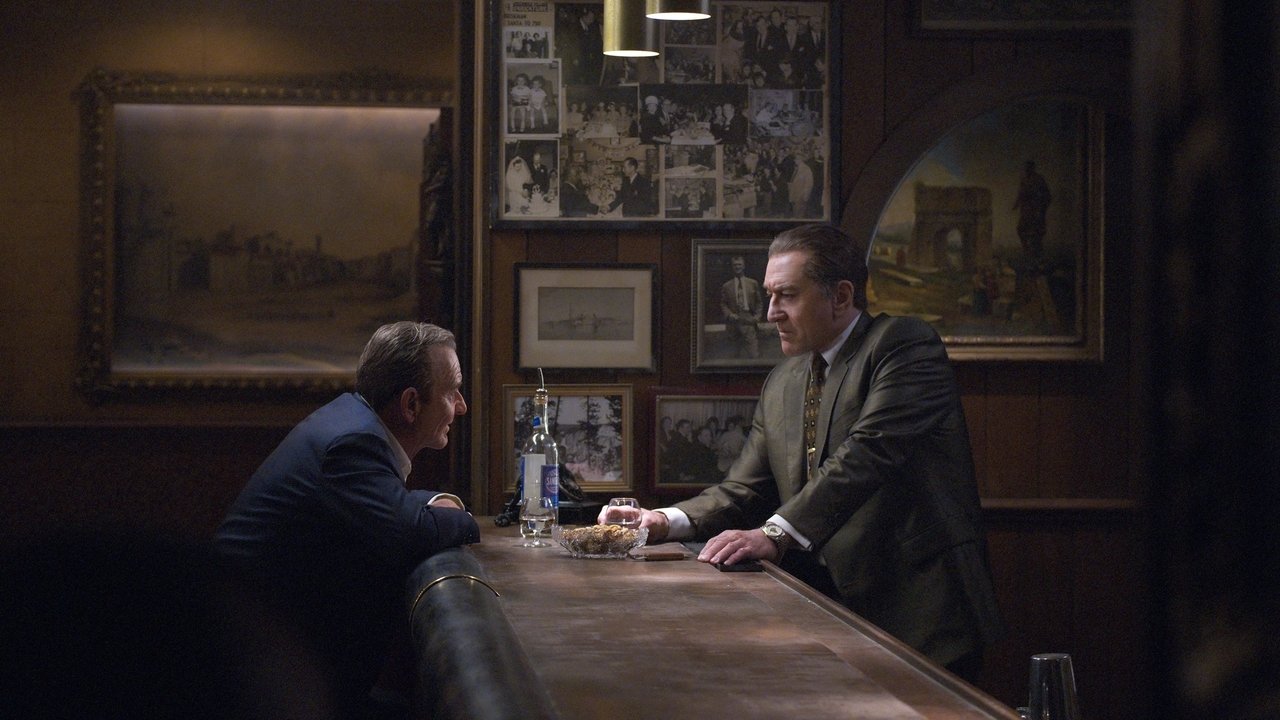
The real shock of the film isn't the violence, but the restraint of Joe Pesci. We are used to Pesci as the human hand grenade, the guy who will kill you for asking about his shine box. Here, as Russell Bufalino, he is the calm, terrifying center of the storm. He whispers his commands. He eats bread dipped in grape juice with a quiet dignity that is infinitely more menacing than a shouting match. Apparently, Pesci had to be asked to join the film over 50 times before he finally agreed to come out of retirement. Thank God he did.
Opposite him is Al Pacino, who is playing Hoffa with every ounce of "Big Al" energy he has left in the tank. His chemistry with Robert De Niro is the emotional backbone of the movie. While Frank is a man of few words, Hoffa is a man of too many, and watching their friendship bloom—and eventually rot—is genuinely heartbreaking. Ray Romano also delivers a surprisingly grounded performance as Bill Bufalino, proving once again that comedians often make the best dramatic actors when the lights get dim.
The Weight of Every Minute
Let’s address the elephant in the room: the 209-minute runtime. In an era of TikTok-shortened attention spans, Scorsese is asking a lot from his audience. Watching this movie on a phone is a crime against humanity that should be punishable by a mandatory twelve-hour lecture on film grain. But the length is the point. You need to feel the decades passing. You need to experience the slow, agonizing crawl of Frank Sheeran’s life to understand the ending.
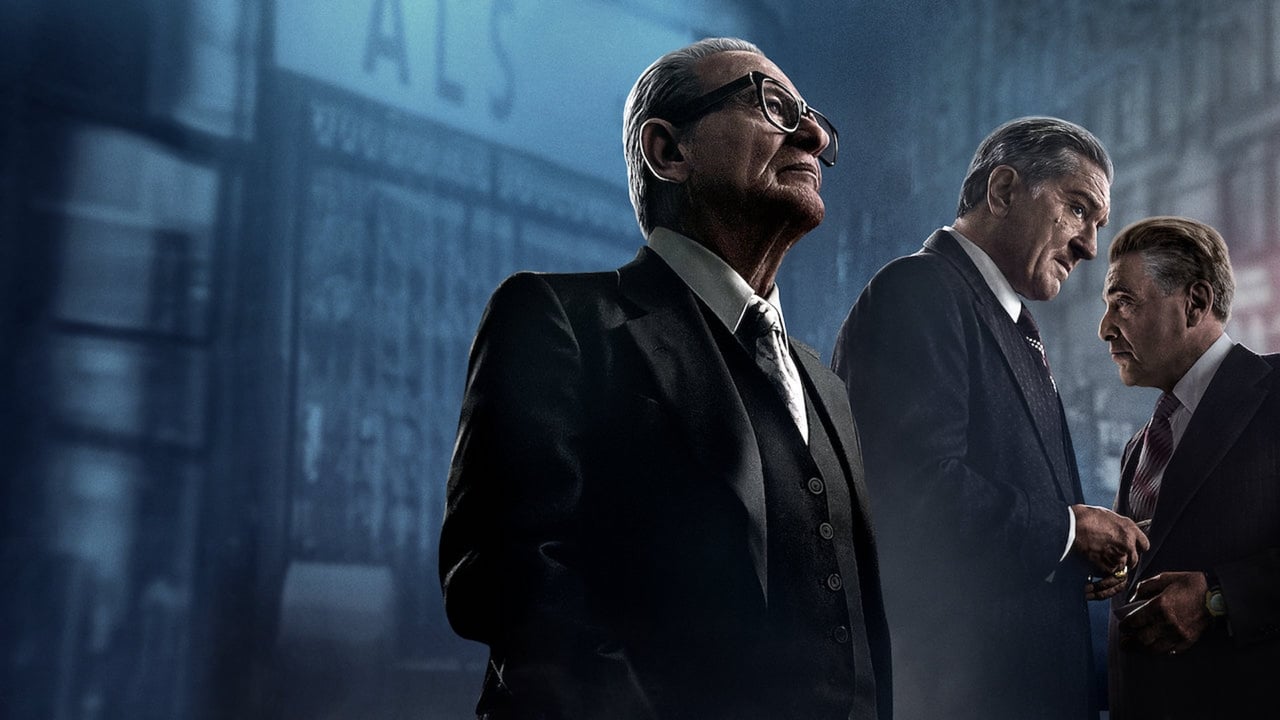
The film reveals that "painting houses" (mob-speak for killing) isn't just about the act itself; it’s about the spiritual stain it leaves behind. The trivia surrounding the production is just as sprawling as the plot. The crew filmed at over 100 different locations and shot more than 300 scenes. Robert De Niro actually wore four-inch platform shoes for much of the filming just so he could tower over Al Pacino, maintaining the height difference between the real-life Sheeran and Hoffa.
I found myself obsessed with the small details, like the specific way they handled the "steak scene" where the mobsters discuss their business over dinner. It feels so lived-in, so authentic to a world that has since disappeared. The film doesn't glamorize the life; it shows it as a series of cold transactions and increasingly lonely hotel rooms. By the time we see Harvey Keitel in a brief but impactful role as Angelo Bruno, the hierarchy of this world is set in stone, and we know exactly how it has to crumble.
Ultimately, The Irishman is a "legacy sequel" to the entire genre of mob movies. It’s a film that could only have been made in this specific contemporary moment—funded by a tech giant, powered by digital de-aging, and directed by a man looking back at his own legacy. It’s a grim, intense, and deeply moving experience that refuses to give you the "cool" factor of the gangsters we grew up watching. Instead, it leaves the door open just a crack, inviting you to sit in the dark and think about what you’ve done with your time. It's a masterpiece that earns every second of its massive runtime.
Keep Exploring...
-
Killers of the Flower Moon
2023
-
Gangs of New York
2002
-
Patriots Day
2016
-
Snowden
2016
-
Just Mercy
2019
-
Silence
2016
-
Casino
1995
-
Mean Streets
1973
-

Taxi Driver
1976
-
GoodFellas
1990
-
13 Hours: The Secret Soldiers of Benghazi
2016
-
House of Gucci
2021
-
Cape Fear
1991
-
BlacKkKlansman
2018
-
22 July
2018
-
Hell or High Water
2016
-
Molly's Game
2017
-
Papillon
2017
-

Wind River
2017
-

The Hate U Give
2018