The Laundromat
"Your savings are gone, but the lawyers are fabulous."
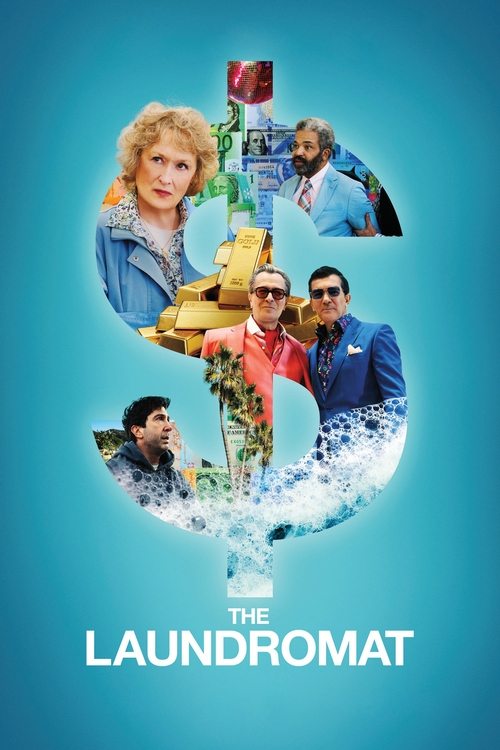
If you ever find yourself wandering through a digital void wondering where your retirement fund went, Steven Soderbergh has a martini and a fourth-wall break waiting for you. I sat down to watch The Laundromat on a rainy Tuesday while my cat, Barnaby, spent a solid twenty minutes trying to fight a rogue shaft of light on the wall. It was the perfect backdrop for a film that is essentially about people chasing ghosts—specifically, the paper-thin ghosts of shell companies and offshore accounts.
Released in that frantic, pre-pandemic window of 2019, The Laundromat arrived at a moment when Netflix was throwing money at every auteur who could promise a "prestige" thumbnail. It’s a film that fits perfectly into our current era of "explain-it-to-me" cinema. Much like Adam McKay’s The Big Short, it attempts to take the most mind-numbing financial crimes of the century—the Panama Papers—and turn them into a brightly colored cabaret.
A Cocktail Party in the Desert
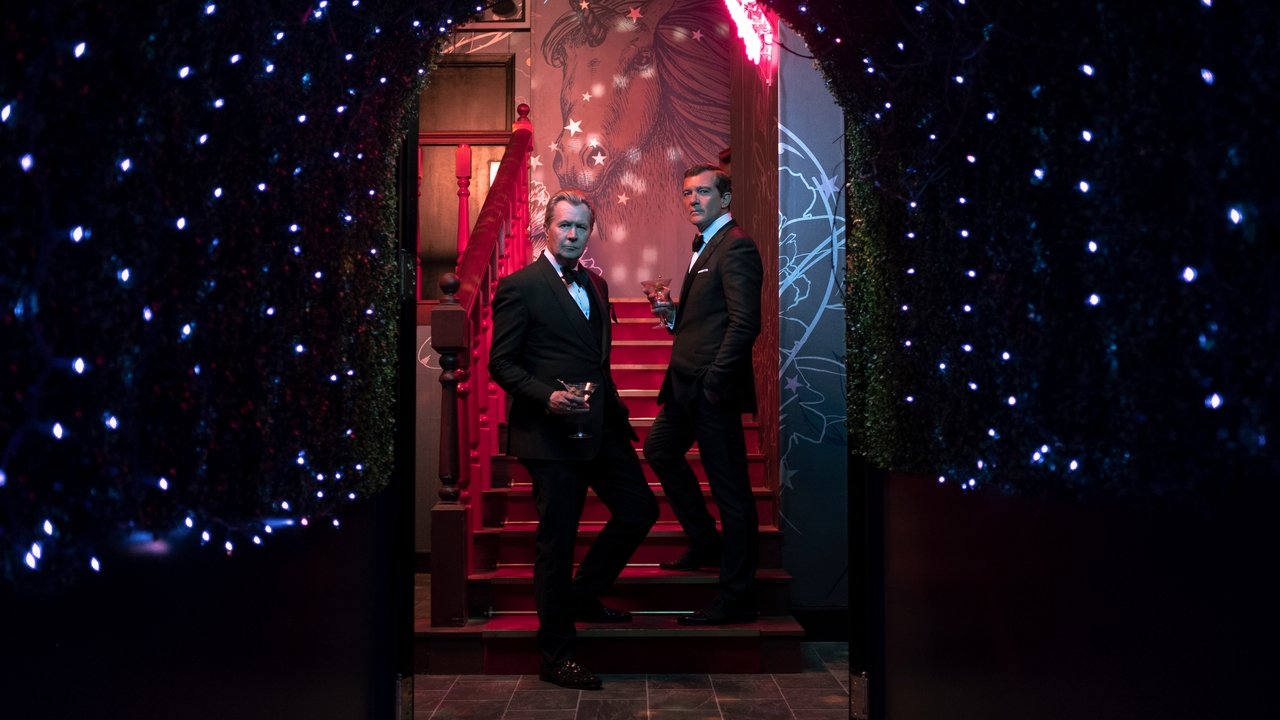
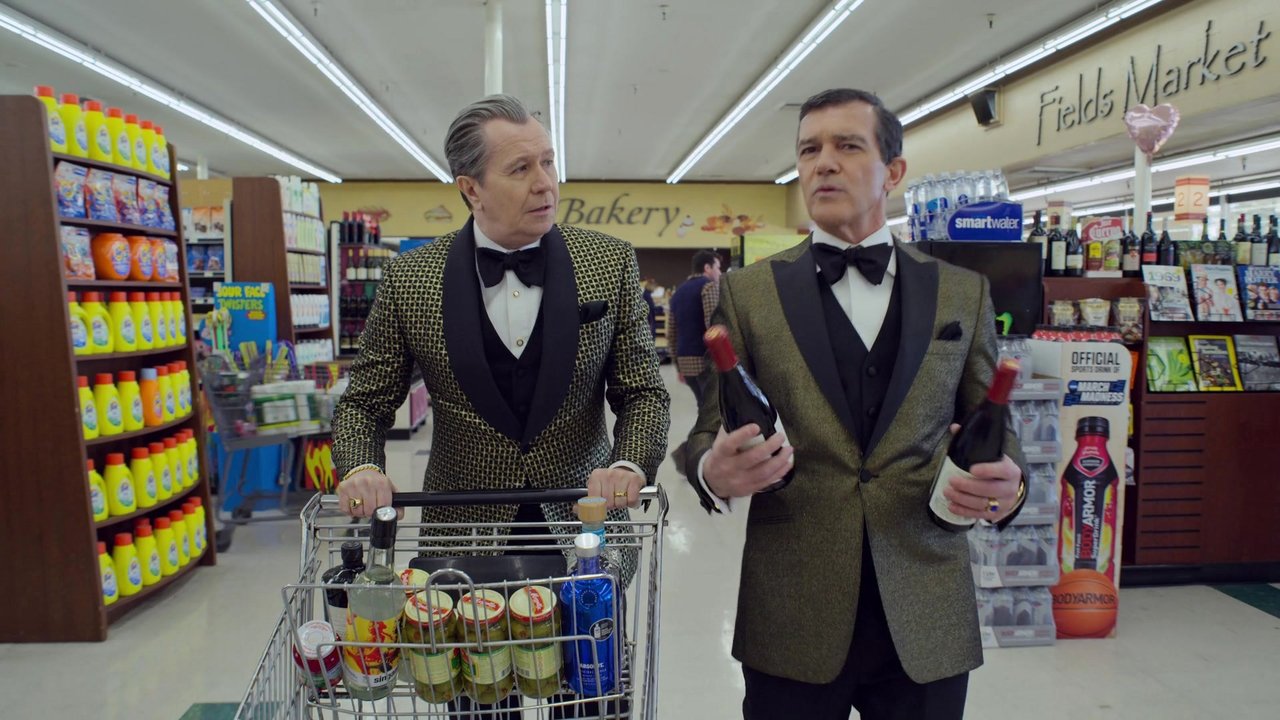
The film is structured as a series of vignettes, all tied together by our narrators: Gary Oldman as Jürgen Mossack and Antonio Banderas as Ramón Fonseca. They stroll through upscale bars and literal deserts, dressed in blindingly white tuxedos, explaining the mechanics of bribery and tax evasion like they’re hosting a very illegal episode of Masterpiece Theatre.
Gary Oldman’s accent sounds like a Bond villain who retired to a bratwurst stand, and while it’s undeniably "big" acting, it works within the film's theatrical framework. Beside him, Antonio Banderas is all oily charm and expensive smiles. They are the personification of the system—unapologetic, untouchable, and deeply annoying.
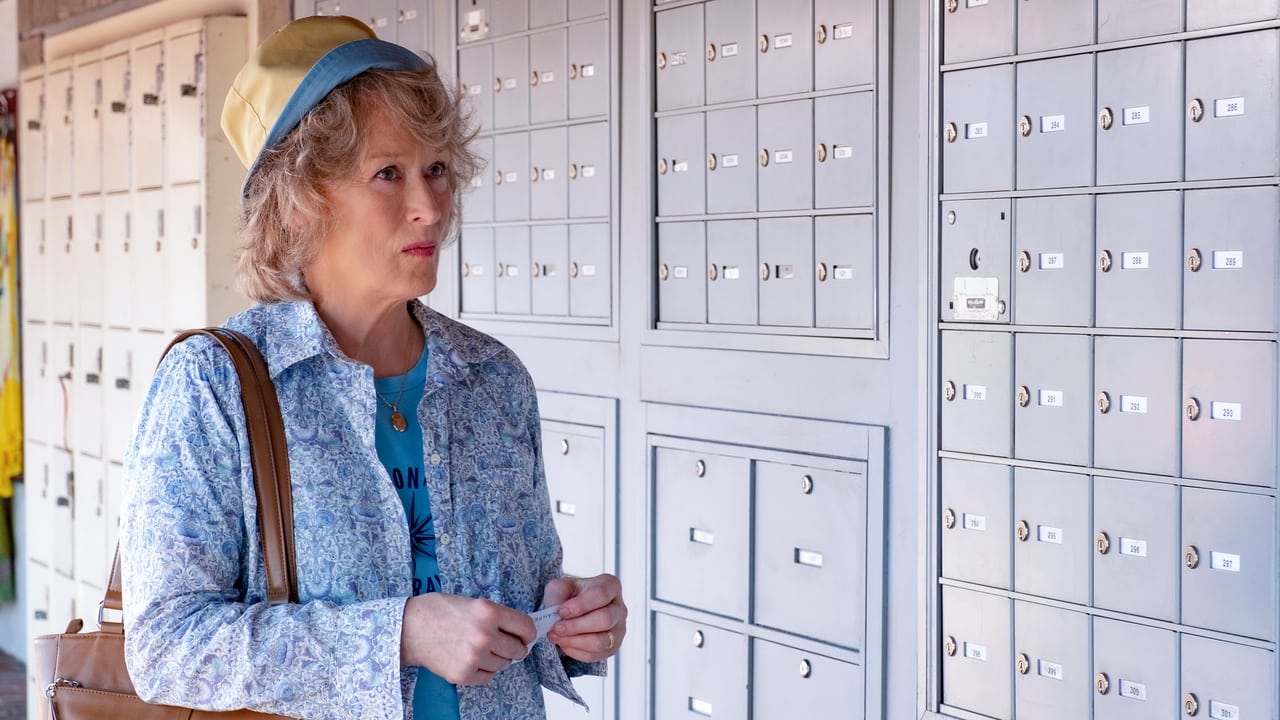
The emotional anchor, or at least the attempt at one, is Meryl Streep as Ellen Martin. She’s a widow who loses her husband in a tour boat accident, only to find that the insurance settlement is a hollowed-out shell. Her journey from grieving wife to amateur detective is what drives the plot, leading her down a rabbit hole of fake addresses and Caribbean "directors" who don't actually exist. Meryl Streep does "indignant grandmother" better than anyone on the planet, but the film makes a bizarre creative choice later on that I found more distracting than profound.
The Problem with the "Elena" Secret
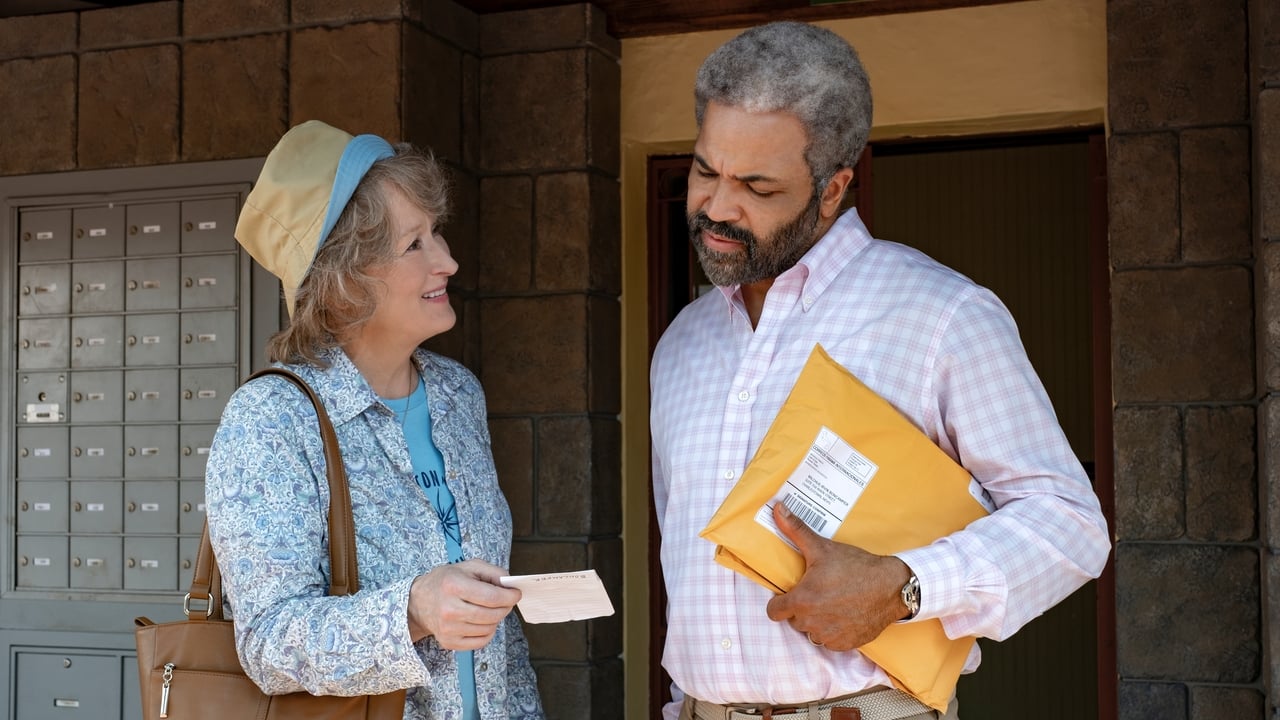
Soderbergh has always been a restless filmmaker. He’s the guy who shot Unsane on an iPhone and edited it while his actors were still at lunch. In The Laundromat, he uses that same frantic energy to jump between Ellen’s plight and other stories of corruption, including a subplot involving Jeffrey Wright in Nevis and a grim segment about organ harvesting in China.
However, we have to talk about the "secret" role. Meryl Streep also appears as "Elena," a Panama-based office worker, under heavy prosthetics. To be blunt, Streep’s second role is a prosthetic-heavy misfire that belongs in a different, worse movie. In an era where we are (rightly) scrutinizing representation and the necessity of "transformative" makeup, this felt like an unnecessary stunt. It didn't add layers to the narrative; it just made me wonder why nobody told Steven Soderbergh that sometimes one Meryl is plenty.
The film's agility is its greatest strength and its biggest weakness. It’s never boring, but it often feels like you’re scrolling through a particularly well-produced Twitter thread about why billionaires suck. It’s informative, sure, but the tonal shifts from "wacky lawyer comedy" to "tragic boat capsizing" are enough to give you whiplash.
Why It Disappeared into the Stream
Despite having more Oscar winners than a vanity Fair afterparty, The Laundromat didn't leave much of a footprint. It premiered at the Venice Film Festival and then sort of vanished into the Netflix algorithm. Part of that was due to the real-world Mossack and Fonseca, who actually sued Netflix to stop the film’s release, claiming it portrayed them as "villains." If anything, the lawsuit was better marketing than the posters.

The film is a fascinating artifact of late-2010s "Director-Driven Streaming." It’s Soderbergh playing with digital toys and experimental structures because he has the freedom (and the budget) to do so. It doesn't have the cohesion of his earlier work like Traffic, but it has a punk-rock irritability that I found oddly endearing. It wants to make you angry about the 15.2 trillion dollars sitting in tax havens, and even if the jokes don't always land, the outrage is genuine.
I watched the final ten minutes while drinking some lukewarm herbal tea that tasted vaguely like cardboard, and the ending—which breaks the fourth wall so hard it practically shatters the screen—actually left me feeling more motivated to check my bank statements than any documentary could.
Ultimately, The Laundromat is a flashy, flawed, and deeply cynical look at how the world’s plumbing is rigged. It’s worth the 96 minutes just to see the sheer audacity of the production, even if the "Elena" character feels like a bizarre fever dream. It’s a movie that asks you to look at the man behind the curtain, only to show you that the curtain is made of laundered cash and the man is just Gary Oldman in a really nice suit. Give it a watch on a weeknight when you’re feeling a little bit revolutionary and a lot bit bored.
Keep Exploring...
-

The Informant!
2009
-

Logan Lucky
2017
-
I Don't Feel at Home in This World Anymore
2017
-
Can You Ever Forgive Me?
2018
-

Terminal
2018
-
American Made
2017
-
Hustlers
2019
-
I Care a Lot
2021
-
Dope
2015
-

The Old Man & the Gun
2018
-
T2 Trainspotting
2017
-
Keanu
2016
-
Masterminds
2016
-
Battle of the Sexes
2017
-
CHiPs
2017
-
Unicorn Store
2017
-

Welcome to Marwen
2018
-
Dolemite Is My Name
2019
-
Shaft
2019
-
Amsterdam
2022