The Lighthouse
"Madness is a slow-burning wick."
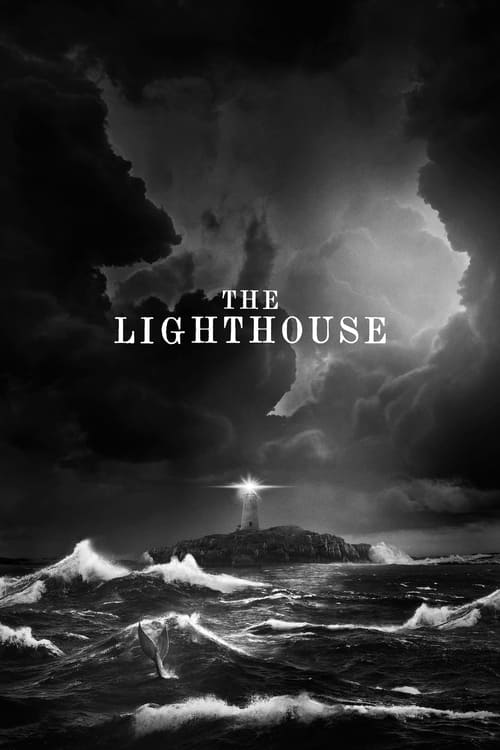
The first thing that hits you isn't the story; it’s the claustrophobia. Robert Eggers doesn't just invite you to watch a movie; he traps you in a square, monochrome box that smells of salt, kerosene, and unwashed wool. Most modern films try to expand their world to fit your massive living room TV, but The Lighthouse (2019) shrinks the frame until you feel like you’re peering through a keyhole into a 19th-century fever dream. I watched this on a Tuesday night while my neighbor was aggressively power-washing his driveway; the constant, rhythmic drone of the machinery somehow harmonized with the film’s oppressive foghorn, making the whole experience feel like a 4D descent into psychosis.
A Shipwreck of the Mind
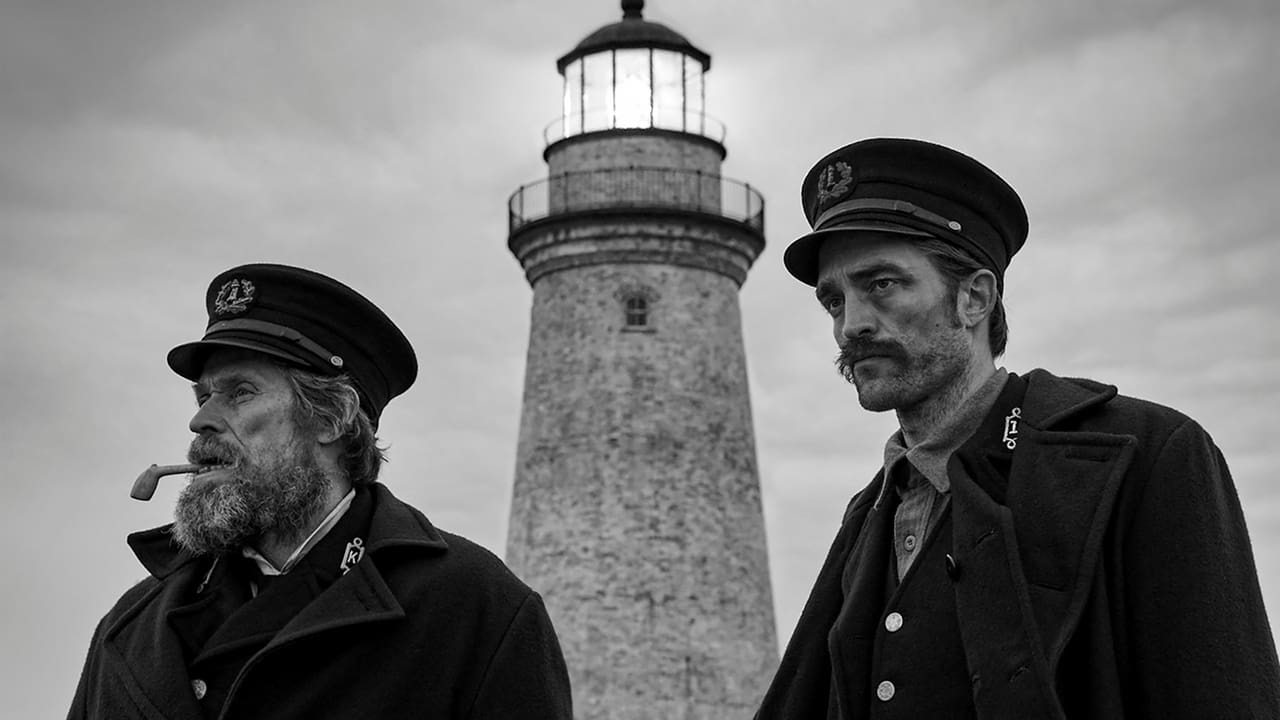
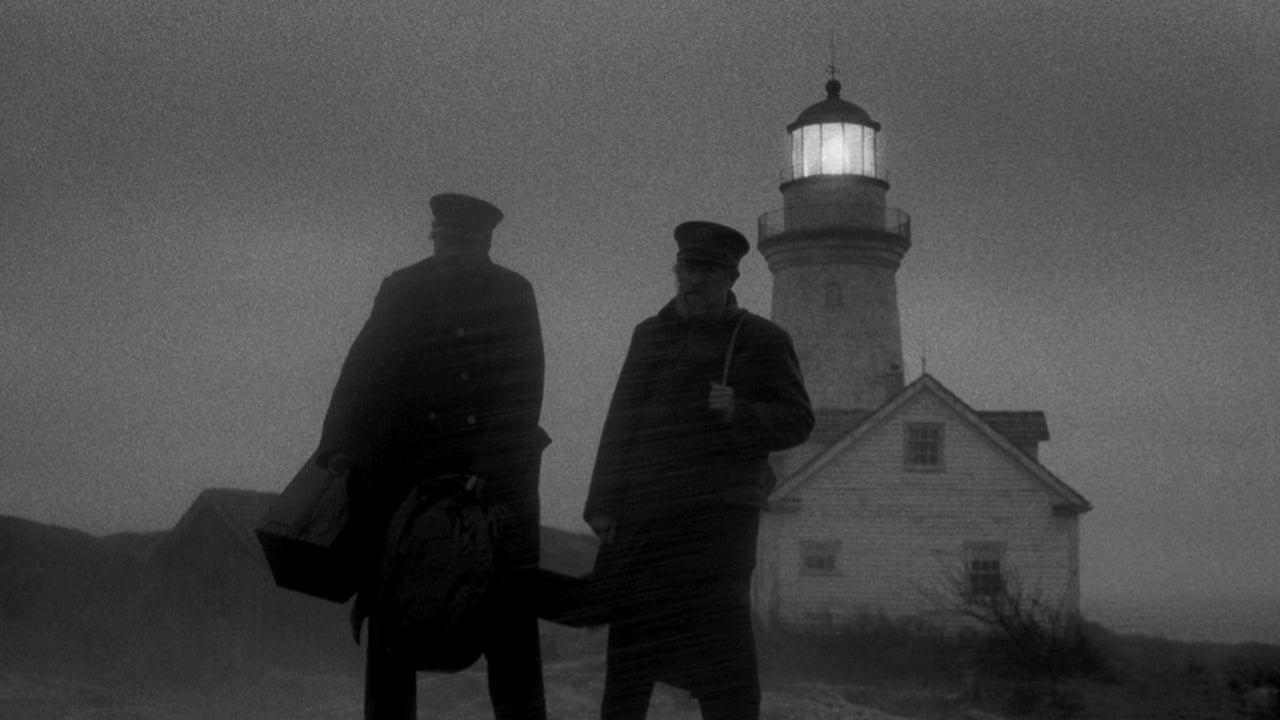
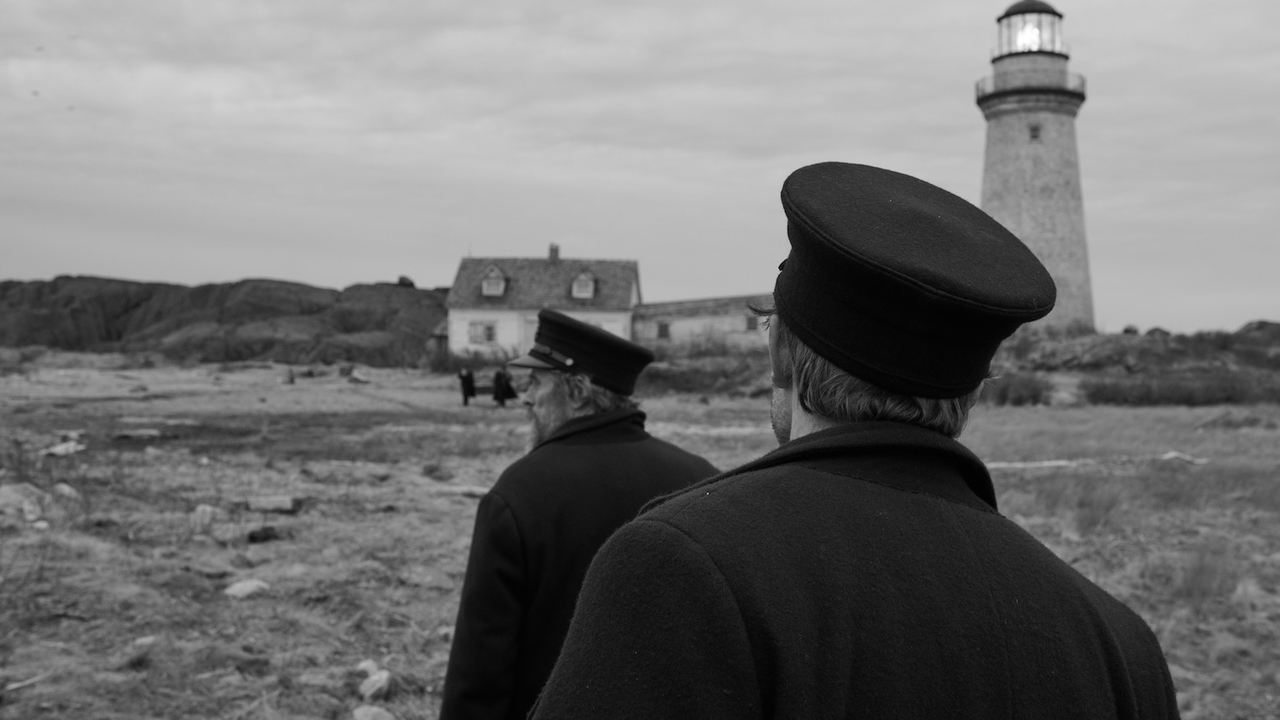
The premise is deceptively lean. Two "wickies"—the grizzled veteran Thomas Wake and the tight-lipped newcomer Ephraim Winslow—are dropped onto a jagged tooth of rock off the coast of New England. Their job is to keep the light burning for four weeks. However, as the booze runs out and the storms roll in, the calendar becomes a lie. Time stops being a linear progression and starts behaving like a whirlpool.
What makes this work as a piece of contemporary drama is how it rejects the slick, CGI-scrubbed aesthetics of the late 2010s. We live in an era of digital perfection, yet Robert Eggers (the mind behind The Witch and later The Northman) went the opposite direction. He used antique Baltar lenses and a black-and-white film stock that hasn't been used regularly since the 1950s. The result is a texture so thick you can almost feel the grit on your teeth. It’s a film that looks like it was dug out of a peat bog rather than rendered on a hard drive. In a landscape dominated by "content" meant to be consumed while scrolling through a phone, The Lighthouse demands your total, breathless surrender to its grim atmosphere.
The Two Thomases
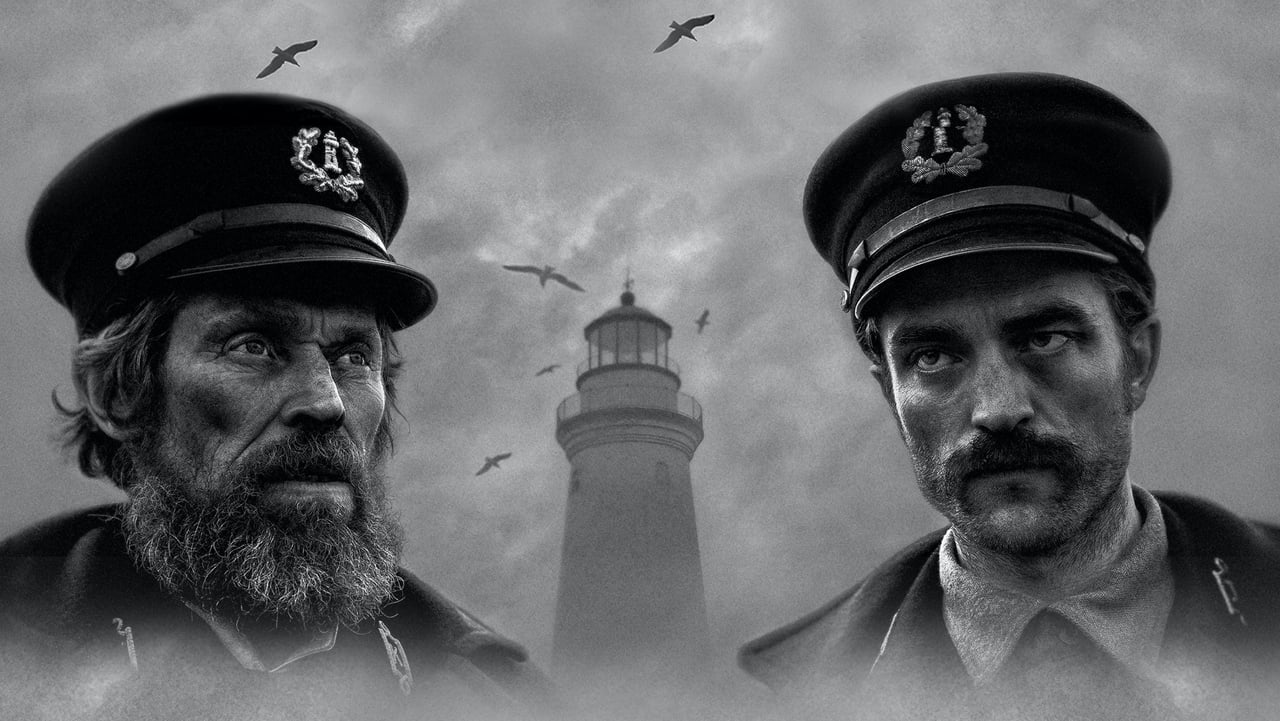
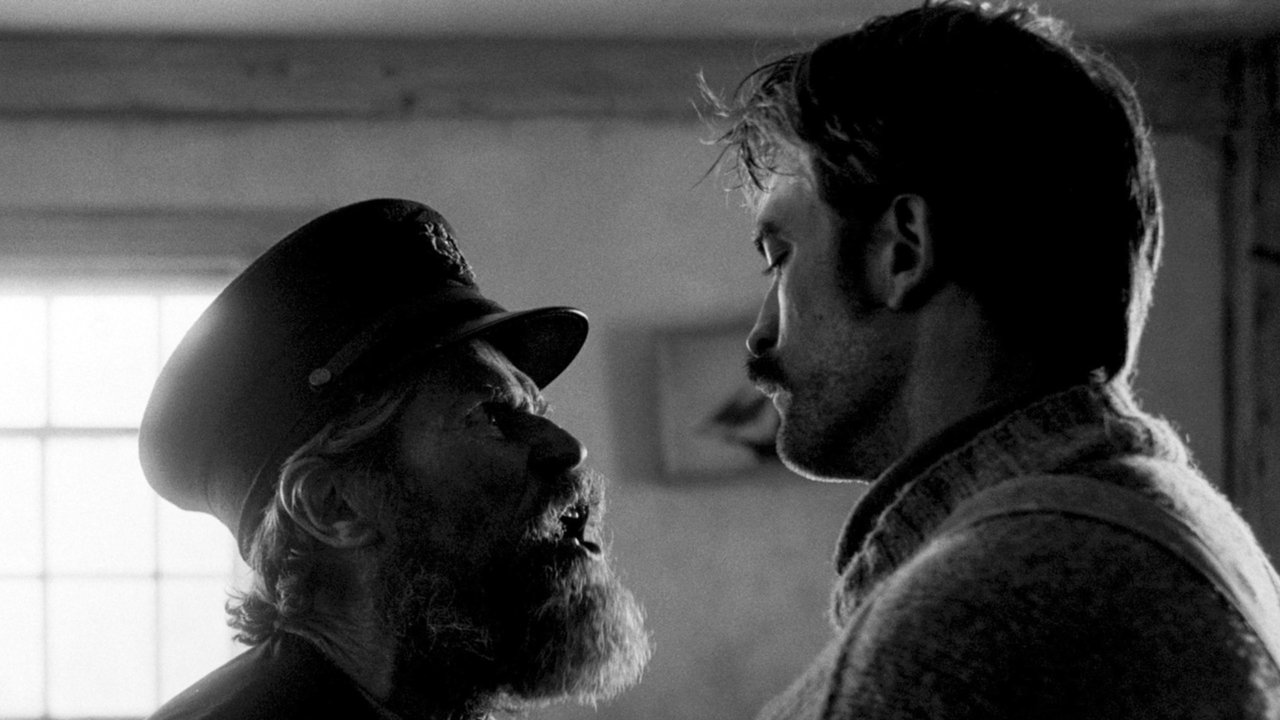
The chemistry between Willem Dafoe and Robert Pattinson is less like acting and more like a cage match. Willem Dafoe, channeling every sea-salt-encrusted archetype from Moby Dick to The Rime of the Ancient Mariner, is a force of nature. His monologues aren't just dialogue; they are incantations. There’s a scene involving a curse over a dinner of lobster that should have come with a splash zone for the front row.
Then you have Robert Pattinson. If you still think of him as the sparkly vampire from a decade ago, this film is the final nail in that coffin. His Winslow is a man vibrating with repressed rage and secrets. Watching him slowly unravel—to the point where he's picking fights with seagulls and hallucinating mermaid anatomy—is some of the most committed physical acting I’ve seen this century. Pattinson treats his own face like a piece of putty he’s trying to destroy. The power dynamic shifts constantly; one minute they are dancing a drunken jig, the next they are contemplating murder. It’s a drama that understands how isolation doesn't just breed madness—it breeds a strange, terrifying intimacy.
Salt Spray and Turpentine
Part of the reason this film has achieved instant cult status is the sheer weirdness of its production. Apparently, the production team actually built a functional, 70-foot lighthouse on the volcanic rock of Cape Forchu because Robert Eggers wanted the actors to actually suffer. The weather was so brutal that the cast was constantly soaked in freezing Atlantic water. Robert Pattinson has since admitted to eating mud and making himself vomit to reach the level of derangement required for the role.
The film is packed with the kind of specific, historical trivia that fuels late-night Reddit threads. The dialogue wasn't just "pirate talk"—Max Eggers and his brother pulled it from the journals of 19th-century lighthouse keepers and the writings of Sarah Orne Jewett. Even the alcohol they drink in the film was a period-accurate "substitute" (mostly honey and water for the actors, though the characters were supposedly drinking turpentine and moonshine). And that mermaid? She wasn't CGI; it was a highly detailed prosthetic that took hours to apply, adding to the tactile, "real" feeling of the supernatural elements.
It's also worth noting how the film became a meme sensation almost immediately. From the "Hark!" monologue to the "Yer fond of me lobster" line, the internet took this dark, intense psychological thriller and turned it into a weird cultural touchstone. It’s probably the only movie in history to be both a legitimate piece of high-art cinema and a goldmine for shitposting.
This isn't a "fun" movie in the traditional sense, but it is an exhilarating one. It captures the contemporary anxiety of being trapped—whether by a job, a storm, or your own mind—and turns it into a mythic, salt-stained epic. It’s a reminder that even in an era of massive franchises and streaming algorithms, there is still room for a movie about two guys screaming at a lightbulb in the middle of the ocean.
By the time the credits rolled and the foghorn finally went silent, I felt like I’d been through a storm myself. It’s a grimy, beautiful, and deeply funny tragedy that proves Willem Dafoe should be legally required to speak in seafaring curses for the rest of his career. If you’re looking for something that lingers in the back of your brain like a recurring dream, pull up a chair and have a drink. Just stay away from the seagulls.
Keep Exploring...
-
The Witch
2016
-
The Northman
2022
-
Batman vs. Robin
2015
-

Along with the Gods: The Two Worlds
2017
-

Nocturnal Animals
2016
-
Patriots Day
2016
-

Snowden
2016
-
Dark Waters
2019
-
Uncut Gems
2019
-

Promising Young Woman
2020
-
Wrath of Man
2021
-
Good Time
2017
-

Nosferatu
2024
-
Mirage
2018
-
13 Hours: The Secret Soldiers of Benghazi
2016
-

The House That Jack Built
2018
-
El Camino: A Breaking Bad Movie
2019
-

The Devil All the Time
2020
-
Sherlock: The Abominable Bride
2016
-
Dogman
2018