The Lion King
"The Pride Lands have never looked more hollow."
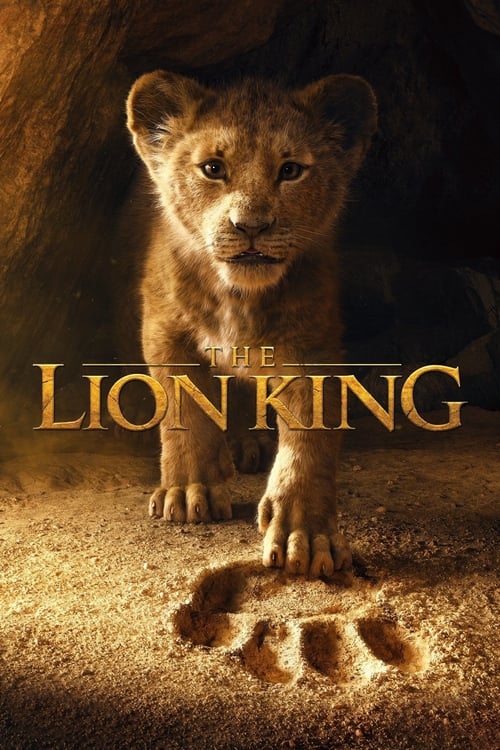
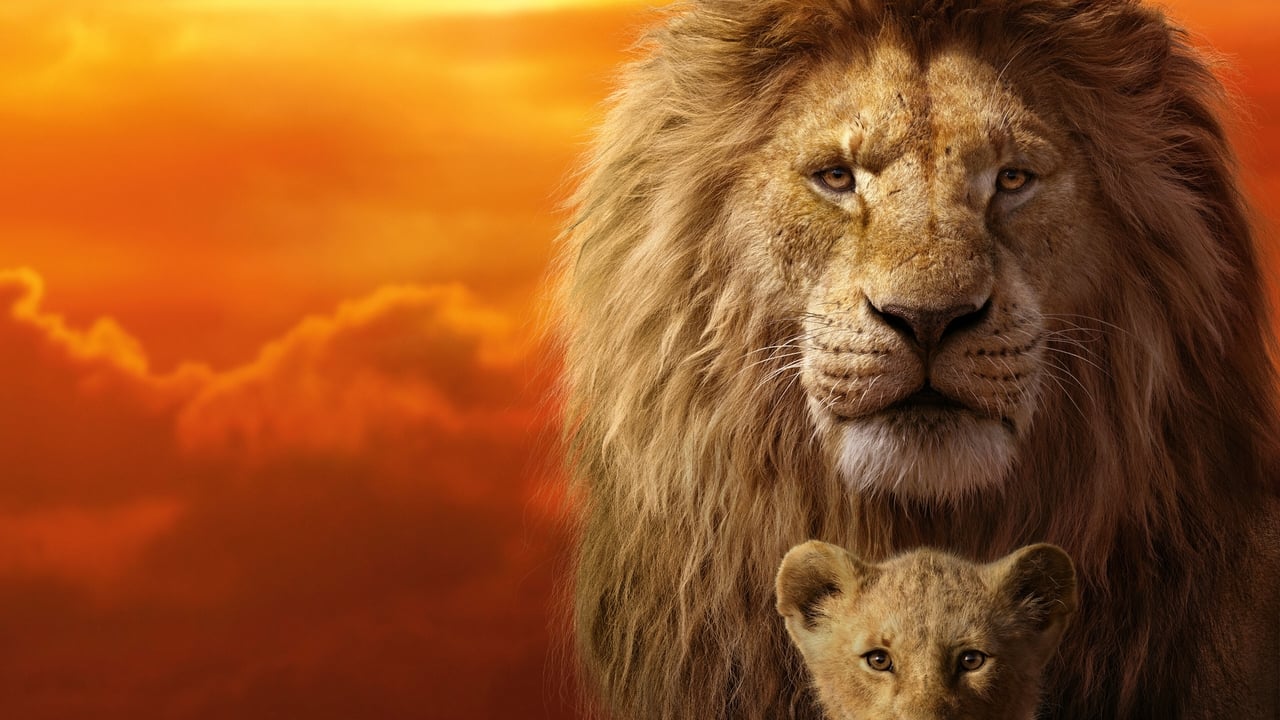
There is exactly one shot in the 118-minute runtime of Jon Favreau’s The Lion King (2019) that isn’t a computer-generated fabrication. It’s the very first shot—that iconic African sunrise—and Favreau (the guy who basically launched the MCU with Iron Man) put it there as a sort of "Where’s Waldo" challenge for the audience. The rest? It’s a $260 million digital hallucination so precise that it makes David Attenborough’s filmography look like a middle school diorama.
I watched this film while nursing a slightly bruised ego and a very large bucket of popcorn that had approximately three times the recommended daily allowance of "butter flavor" oil. About halfway through, I accidentally dropped a single kernel into the dark void of the theater floor, and honestly, the brief moment of mourning I felt for that lost snack carried more emotional weight than the death of Mufasa in this version. That’s the central paradox of this 2019 behemoth: it is a technical miracle that somehow manages to feel like a tax audit.
The Uncanny Valley of the Serengeti
If you’re looking for a drama that tests the limits of "how real is too real," this is your Everest. The plot is, for all intents and purposes, a carbon copy of the 1994 masterpiece. Simba (Donald Glover, fresh off the brilliance of Atlanta) is the crown prince of Pride Rock, his father Mufasa (James Earl Jones, returning with a voice that sounds like rolling thunder) is the king, and his uncle Scar (Chiwetel Ejiofor) is the Shakespearean villain with a chip on his shoulder the size of Kilimanjaro.
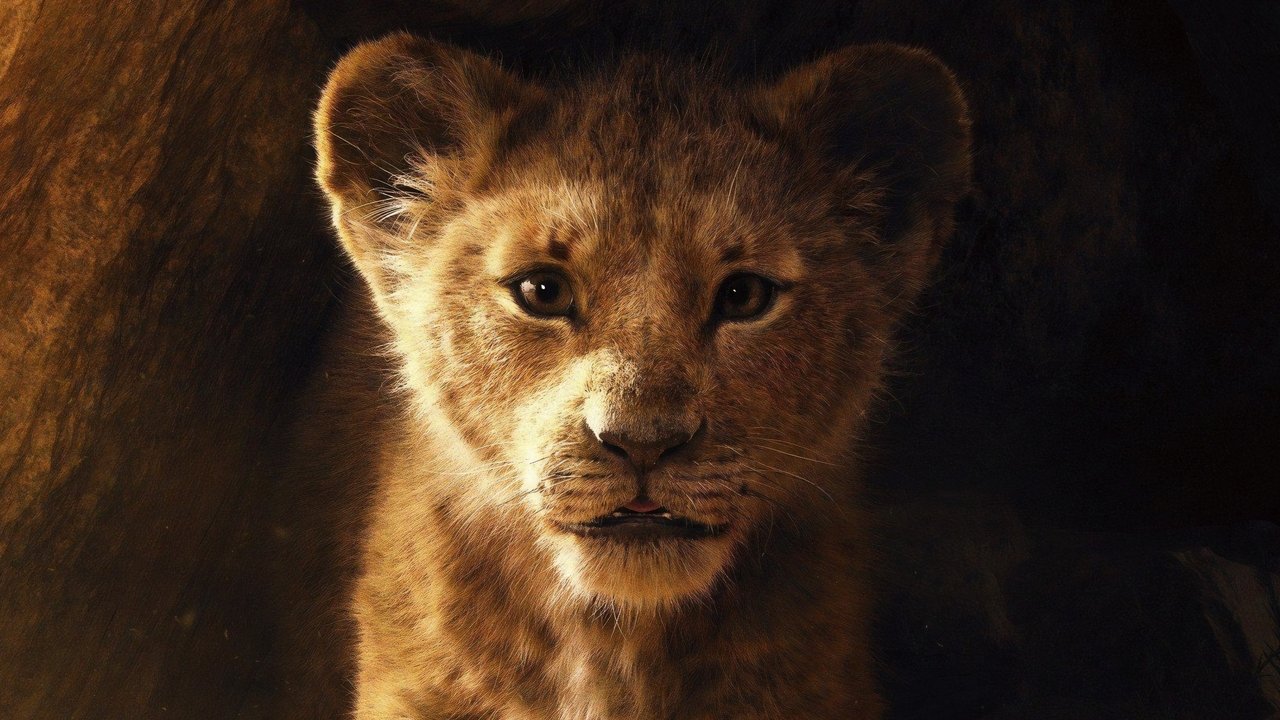
The problem is the "live-action" label. By chasing total photorealism, the film strips away the very thing that made the original work: expression. In the '94 version, Simba’s eyes could convey a universe of grief. Here, when Mufasa falls, Simba looks like a very confused house cat wondering why its owner isn’t moving. Real lions don't have eyebrows. They don't have expressive lips. By adhering to the laws of biology, the film sacrifices the laws of drama. The pride lands look incredible, but they have the emotional temperature of a refrigerator.
A Voice in the Wilderness

The saving grace, and where the "drama" actually lives, is in the voice work. Chiwetel Ejiofor (whom I’ve adored since Children of Men) doesn't try to out-camp Jeremy Irons. His Scar is a desperate, scrawny tactician—a lion who knows he’d lose a fair fight and has been curdling in his own resentment for years. It’s a much more grounded, "prestige drama" take on the character. Similarly, Alfre Woodard (Luke Cage) brings a regal, quiet strength to Sarabi that almost makes you forget you're looking at a cluster of high-end pixels.
And then there’s the Beyoncé of it all. Casting Nala as a warrior-queen was a smart move for a contemporary audience, and her presence turned the film’s release into a genuine cultural event. But even her powerhouse vocals can’t quite bridge the gap when she and Donald Glover are singing "Can You Feel the Love Tonight" in broad daylight. It’s a weird choice—the song is literally about the night—and the visual of two realistic lions nuzzling while pop superstars belt in the background feels less like a movie and more like a very expensive screensaver.
The $1.6 Billion Technical Marvel
From a "behind-the-scenes" perspective, what Favreau achieved here is actually mind-blowing. The film wasn't shot on a soundstage or a location; it was "filmed" inside a virtual reality simulation. The crew wore VR headsets and walked around a digital Africa, placing "cameras" in a 3D space. It’s the same tech that paved the way for the "Volume" used in The Mandalorian.
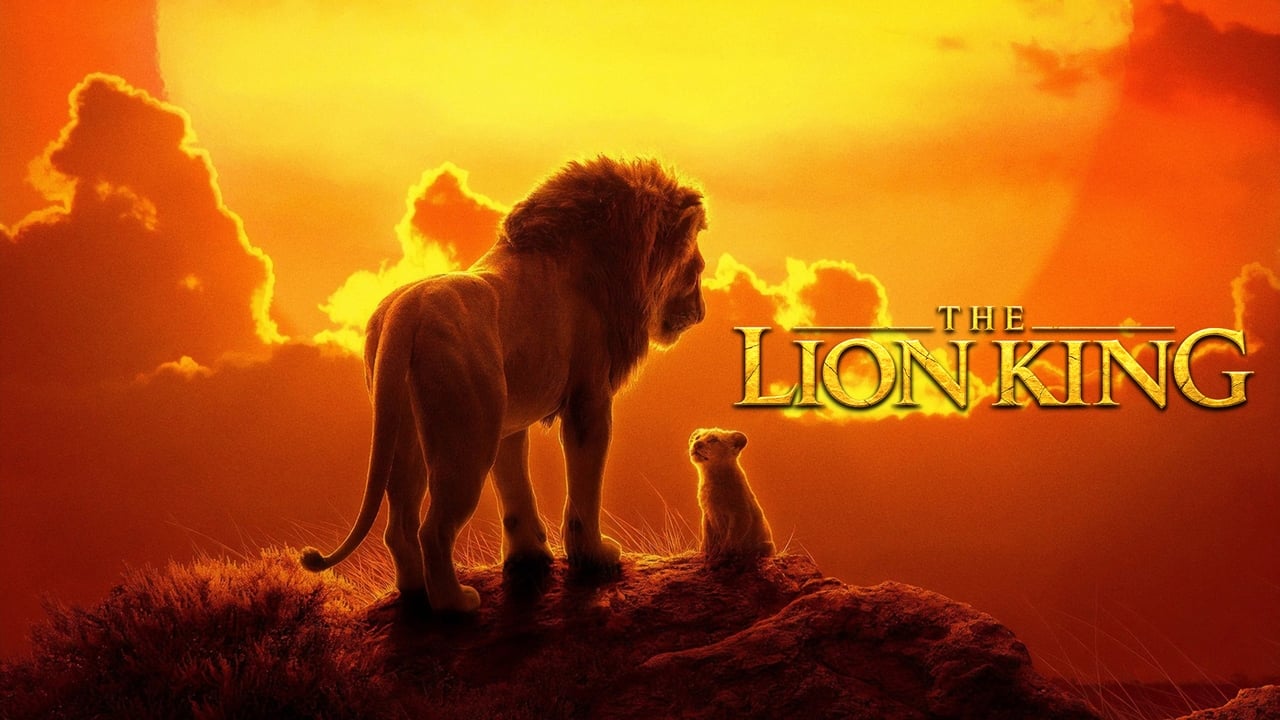
Despite the lukewarm critical reception regarding its soul, the box office numbers were undeniable. It raked in over $1.6 billion, becoming the highest-grossing "animated" film of all time (even though Disney campaigned for it in live-action categories). It was a masterclass in modern marketing—tapping into 90s nostalgia while leveraging the massive social media footprint of its cast.
Cool Details You Might Have Missed:
Seth Rogen (Pumbaa) and Billy Eichner (Timon) improvised much of their dialogue, recording their lines together in the same room to capture a genuine comedic chemistry. To get the "nature documentary" look, the production team spent weeks in Kenya, taking over 12 terabytes of reference photos and videos. Hans Zimmer returned to rescore his own legendary work, bringing in a live orchestra and a more authentic African choral sound to ground the "reboot" feel. The film’s budget was so high that it needed to make nearly $500 million just to break even, a terrifying gamble that paid off within its first two weeks.
Ultimately, The Lion King (2019) is the ultimate artifact of our current cinematic era: a film that prioritizes "how" over "why." It is a stunning achievement in software engineering that forgot to include a heart in the code. I don't regret watching it—the scale of the visuals is genuinely something to behold on a big screen—but I’ll probably never watch it again. If you want to see what $260 million can buy in terms of digital fur, have at it. But if you want to actually feel something, the 1994 VHS is probably still sitting in your parent's basement for a reason.
Keep Exploring...
-

Mufasa: The Lion King
2024
-
Cars 3
2017
-

The Boy and the Heron
2023
-
Minions
2015
-
The SpongeBob Movie: Sponge Out of Water
2015
-
Ice Age: Collision Course
2016
-
Kung Fu Panda 3
2016
-
The Angry Birds Movie
2016
-
The Jungle Book
2016
-
The Secret Life of Pets
2016
-
Despicable Me 3
2017
-
Smurfs: The Lost Village
2017
-
Ralph Breaks the Internet
2018
-

The Secret Life of Pets 2
2019
-
The Croods: A New Age
2020
-

Minions: The Rise of Gru
2022
-
Migration
2023
-
The Super Mario Bros. Movie
2023
-
Kung Fu Panda 4
2024
-
Moana 2
2024