The Professor and the Madman
"Two legends, ten thousand words, and one tragic secret."
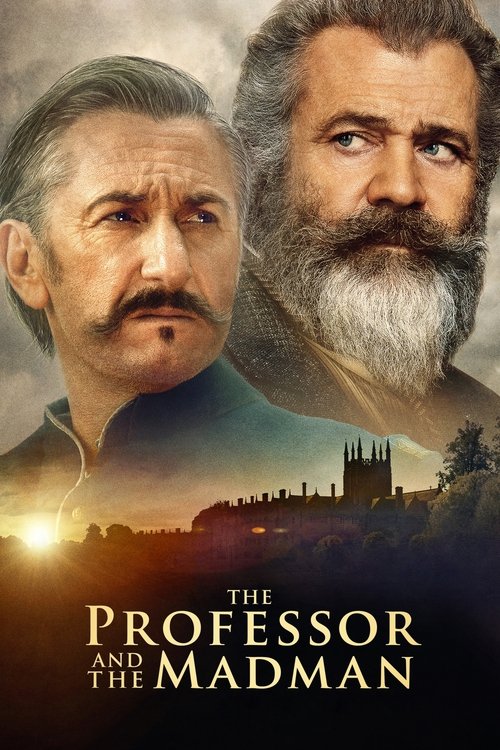
I watched The Professor and the Madman on a rainy Tuesday while trying to ignore my neighbor’s relentless leaf blower, and honestly, the dissonant roar outside felt like the perfect accompaniment to a film that spent years trapped in a screaming match between its creators and its financiers. By the time the movie actually reached my screen, it carried the heavy scent of a "cursed" production—the kind of project where the behind-the-scenes legal briefs are nearly as long as the Oxford English Dictionary itself.
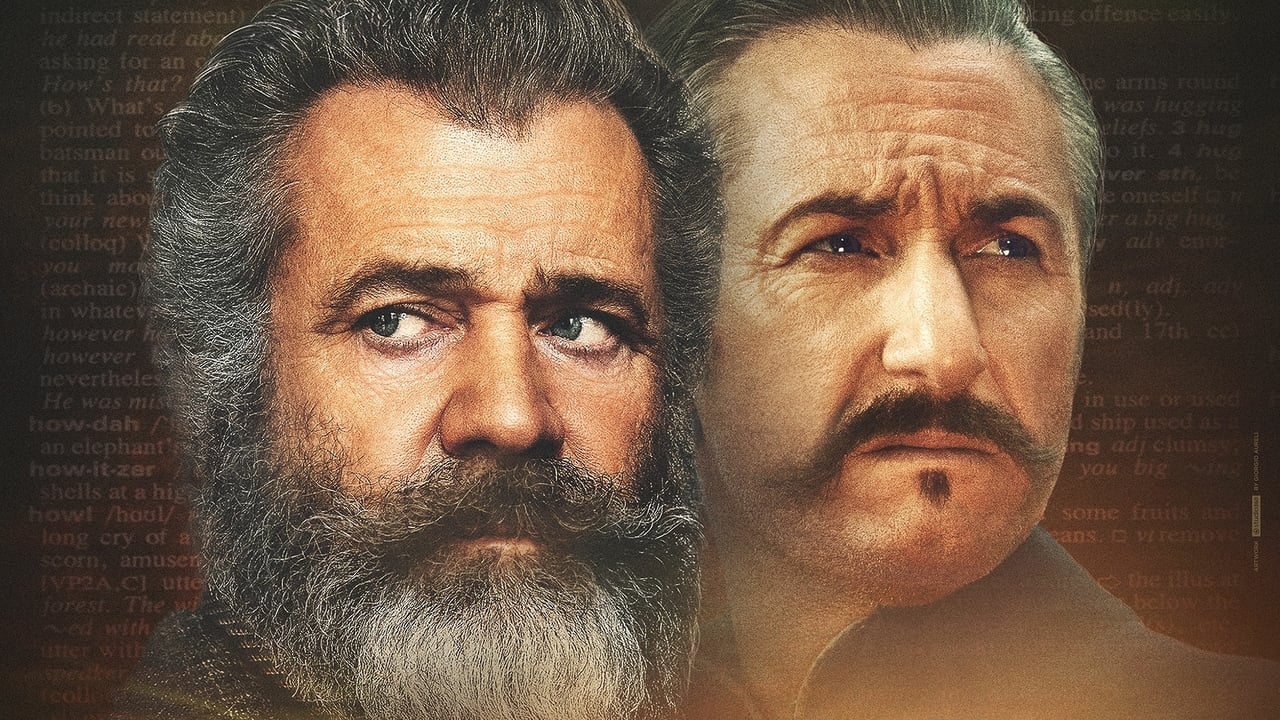
But here’s the thing: despite the lawsuits, the disowned final cut, and a box office return that wouldn't cover the catering budget for a Marvel post-credits scene, there is something deeply, darkly arresting about this movie. It’s a film about the obsessive, almost violent pursuit of knowledge, and it’s a reminder that before we had the sterile ubiquity of Google, language was a territory conquered with ink, blood, and a staggering amount of madness.
The War of the Words
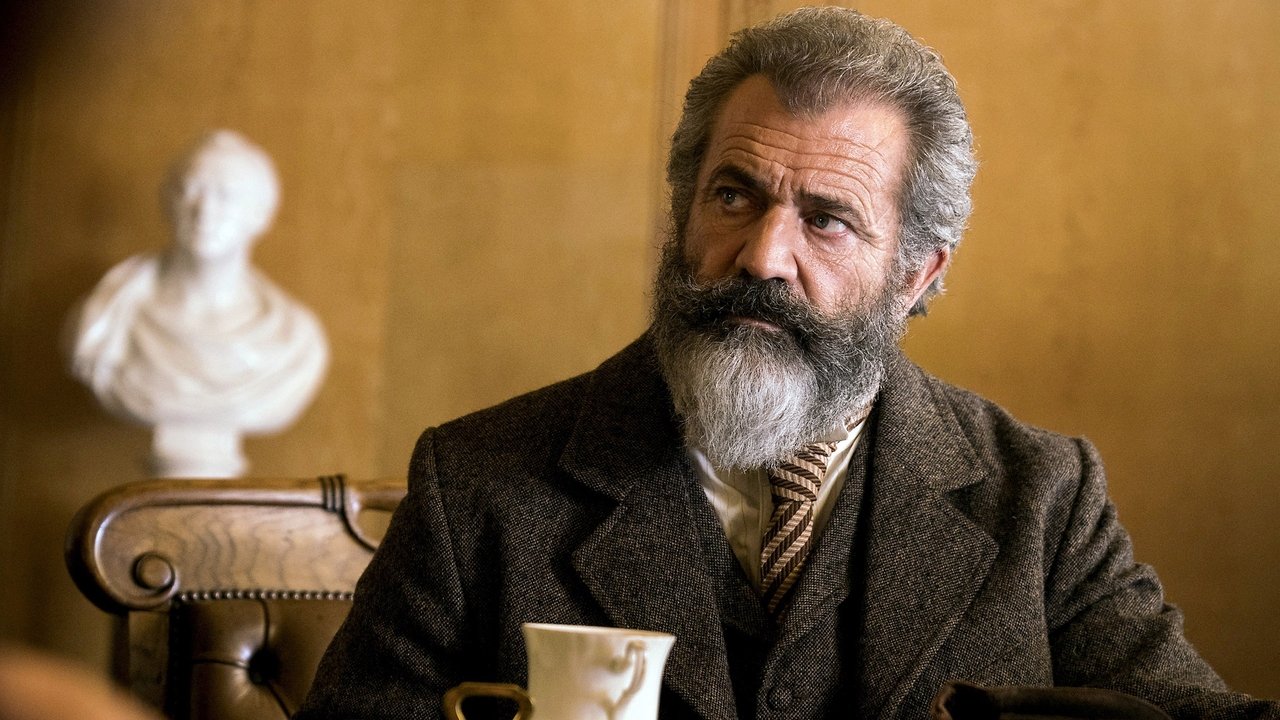
At its heart, this is a two-hander between two of cinema’s most complicated titans. Mel Gibson plays James Murray, the self-taught linguistics prodigy tasked with the "impossible" job of cataloging every word in the English language. He’s all bristling beard and Scottish steel, bringing a quiet, dignfied gravity that feels miles away from the manic energy of his Lethal Weapon days. It’s a performance of restraint, which is necessary because his costar is doing enough acting for three separate zip codes.
Sean Penn plays Dr. William Chester Minor, an American surgeon suffering from acute paranoid schizophrenia who, while locked away in Broadmoor Criminal Lunatic Asylum, becomes the dictionary’s most prolific contributor. Sean Penn acts with every single follicle of his beard, delivering a performance that is high-wire, sweaty, and frequently heartbreaking. When these two finally share the screen, the air feels thick. It’s not just a meeting of characters; it’s a collision of two different schools of Hollywood intensity. I found myself leaning in every time they occupied the same frame, waiting to see who would blink first.
A Production in Purgatory
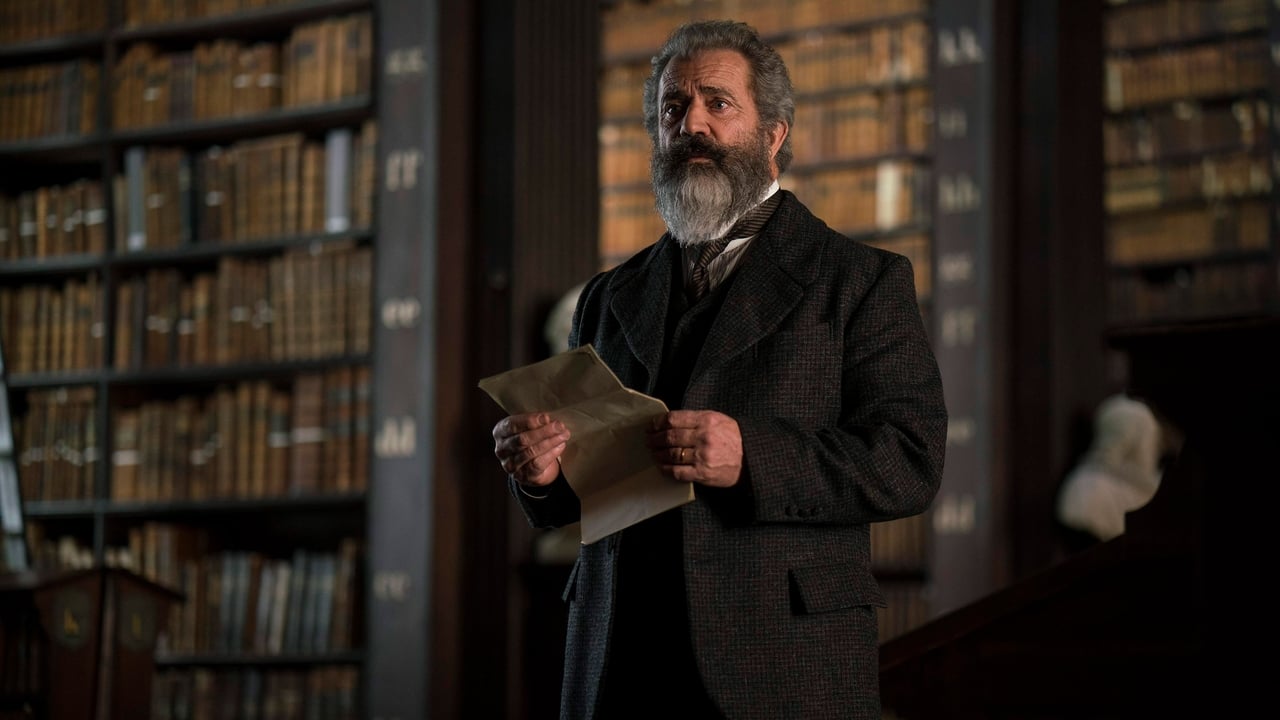
You can’t talk about this film without acknowledging why it felt like a ghost when it finally dropped in 2019. Director Farhad Safinia (who wrote Apocalypto) and Mel Gibson essentially walked away from the project after a bitter dispute with Voltage Pictures over filming locations and the runtime. Gibson wanted to film at Oxford; the studio said "make do with Ireland." The result is a film that feels slightly truncated, like a sprawling Victorian novel with a few of the middle chapters ripped out.
In the current era of "Content" with a capital C, where everything is polished to a high sheen for streaming algorithms, The Professor and the Madman feels like a stubborn relic. It’s a $25 million period drama about lexicography. In any other decade, this would have been prime Oscar bait directed by someone like Anthony Minghella; in 2019, it was a "forgotten oddity" before it even left the gate. Yet, that roughness gives it a strange power. It doesn't feel like it was focus-grouped into oblivion. It feels like a Wikipedia page with a much higher body count.
The Darkness Beneath the Ink
While the premise might sound like a dry academic exercise, the tone is surprisingly grim. This is a "Dark Drama" in every sense. The scenes inside Broadmoor are suffocating, filled with the kind of primitive psychiatric "treatments" that make your skin crawl. There’s a specific sequence involving a forced feeding that I watched through my fingers, and the central tragedy—Minor’s accidental murder of a father of six—hangs over the entire film like a shroud.

Natalie Dormer, known to most as Margaery Tyrell from Game of Thrones, does some incredible heavy lifting as Eliza Merrett, the widow of the man Minor killed. Her arc, moving from visceral hatred to a complex, agonizing form of forgiveness, is the emotional anchor the movie desperately needs to keep from drifting into purely intellectual waters. Eddie Marsan (who was so good in Sherlock Holmes) also pops up as a sympathetic guard, providing a much-needed touch of humanity in an environment defined by iron bars and delusions.
The film asks a question that feels particularly relevant in our polarized, social-media-driven present: Can a person be defined by their greatest contribution if they are also defined by their worst sin? It’s a heavy, somber inquiry that the movie doesn't answer easily.
The Professor and the Madman isn't a perfect film—the pacing stutters in the final act, and you can see the scars where the production disputes forced certain compromises. But it’s an ambitious, atmospheric, and deeply sincere piece of work. In an age of franchise dominance, I’ll always have a soft spot for a movie that treats the definition of the word "art" as a matter of life and death. If you can handle the gloom, it’s a journey into the soul of language that is well worth the 124 minutes of your time.
Keep Exploring...
-

Detroit
2017
-
22 July
2018
-
An Officer and a Spy
2019
-

Hotel Mumbai
2019
-

Black Box
2021
-
The Outfit
2022
-

Missing
2023
-
Mirage
2018
-
Official Secrets
2019
-
Escape from Pretoria
2020
-
The Courier
2020
-

Tetris
2023
-
Patriots Day
2016
-
Snowden
2016
-

The Killing of a Sacred Deer
2017
-

Burning
2018
-
Risen
2016
-
The Discovery
2017
-
Thelma
2017
-
Operation Finale
2018