The Traitor
"The man who broke the silence and buried the myth."
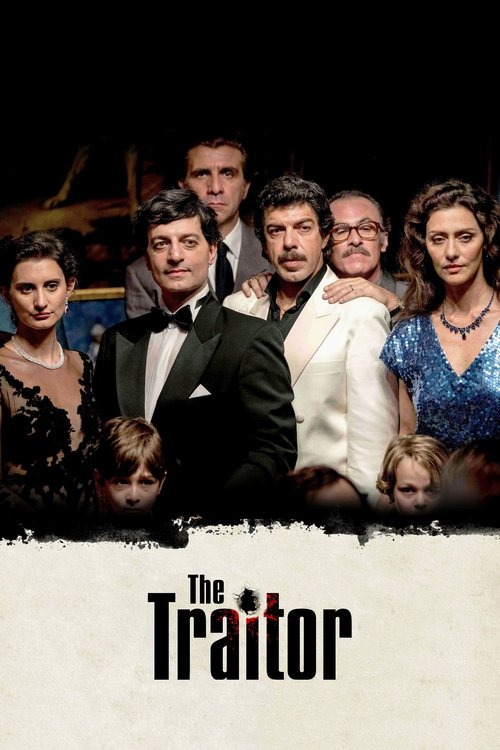
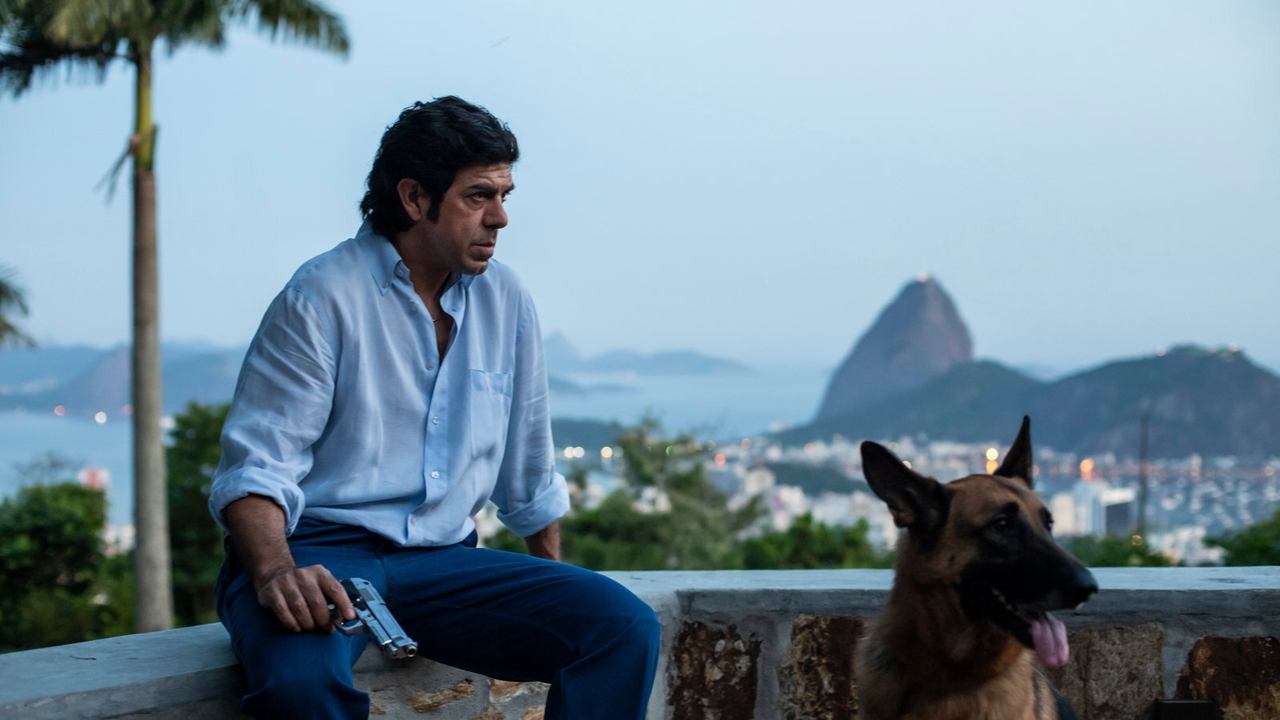
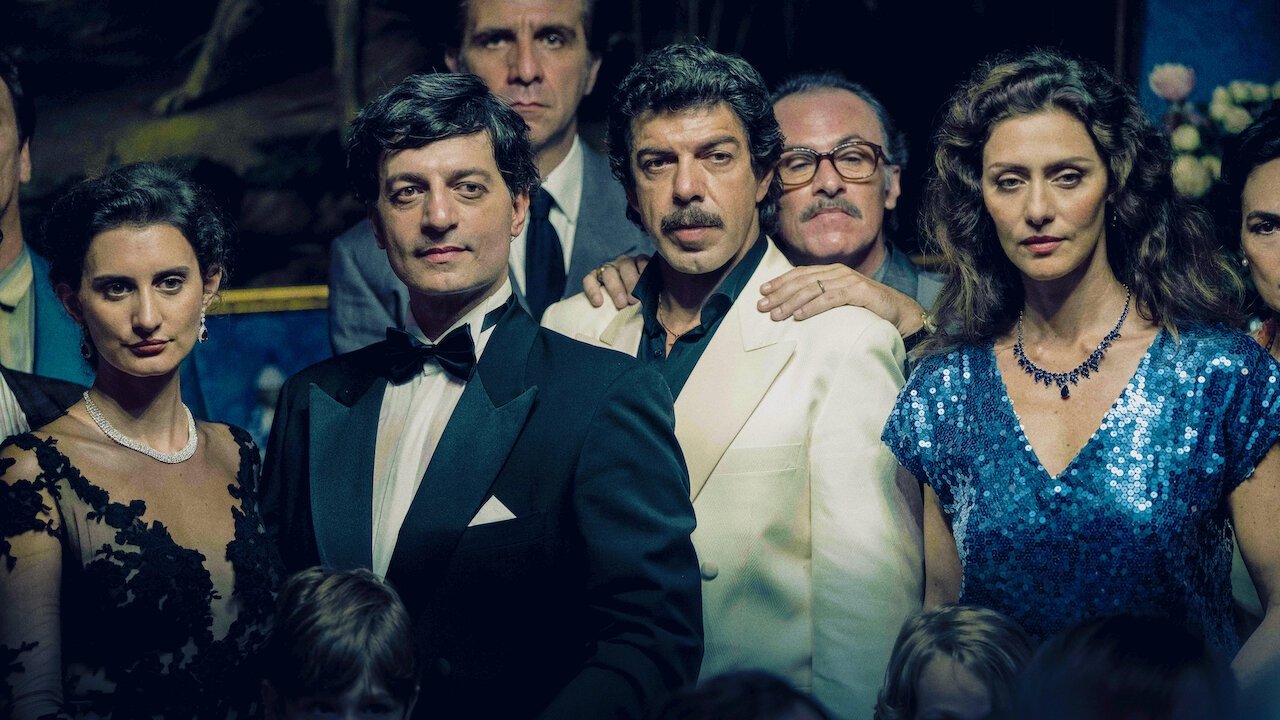
The movie opens with a lavish party in 1980 Palermo. It’s a humid, golden-hued celebration that feels like a ceasefire. The heads of the various Sicilian Mafia clans are gathered to carve up the heroin trade, but you can see the sweat on their brows isn't just from the heat. They’re terrified of each other. In the middle of it stands Tommaso Buscetta, played with a heavy, magnetic weariness by Pierfrancesco Favino. He sees the writing on the wall. He knows the "old world" of honor is being replaced by a more vicious, corporate cruelty.
I watched The Traitor on a Tuesday evening while my neighbor was apparently trying to hammer a stubborn IKEA bookshelf into submission. Usually, that kind of rhythmic thumping ruins a movie for me, but here, it weirdly synced up with the ticking clock of the film’s body count. It added a layer of domestic dread that fit perfectly with a story about a man trying to save his family while the world he built collapses into the sea.
The Myth of the "Old" Mob
What Marco Bellocchio has done here is something that feels remarkably refreshing in our current era of franchise dominance and "cool" anti-heroes. We’ve been fed a diet of The Godfather and Goodfellas for so long that we’ve started to believe the Mafia’s own PR—the idea that they were once noble warriors with a code. "The Godfather" is a fairy tale for people who like expensive suits; this is the autopsy.
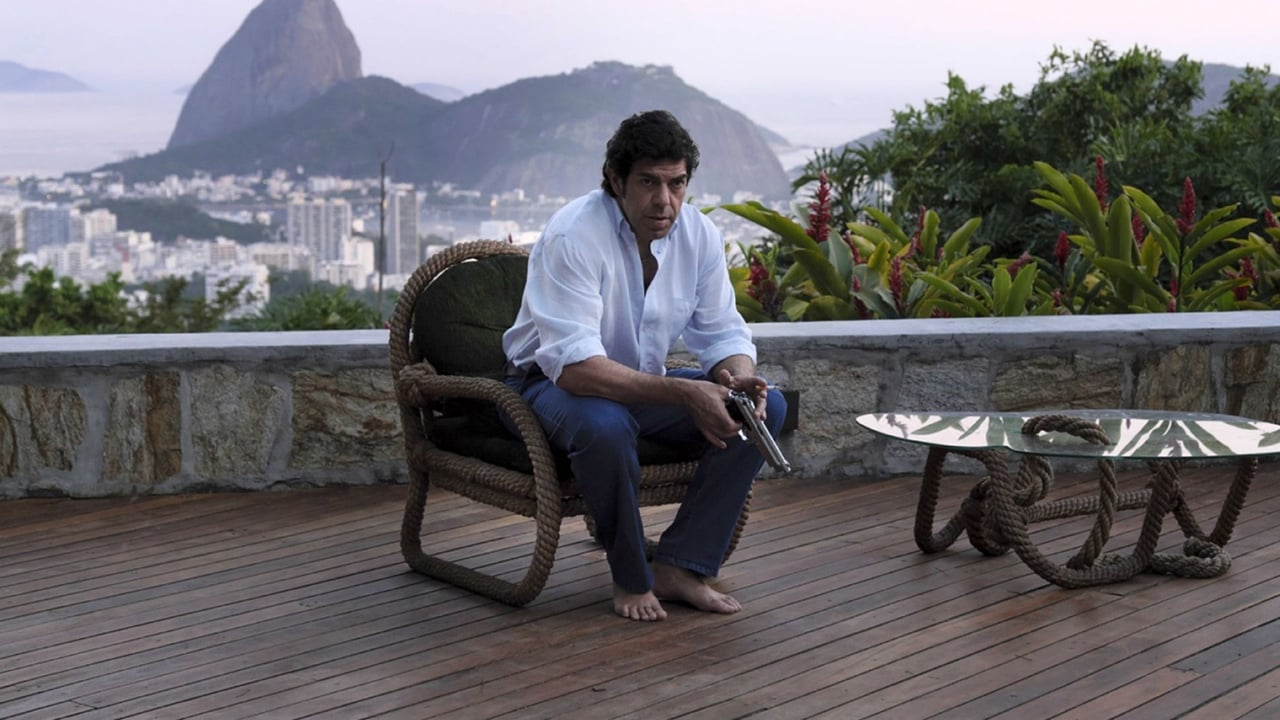
Buscetta flees to Brazil to escape the coming war, but the war finds him anyway. His sons are disappeared, his associates are liquidated, and eventually, the Brazilian police hand him over to Italy. This is where the film shifts from a crime thriller into something much more fascinating: a psychological drama about a man reclaiming his narrative. When he meets Judge Giovanni Falcone—played with a quiet, saintly patience by Fausto Russo Alesi—Buscetta doesn't see himself as a "snitch." He sees himself as the last true member of Cosa Nostra, and everyone else as the traitors. It’s a brilliant bit of cognitive dissonance that Pierfrancesco Favino sells in every furrow of his brow.
A Courtroom Opera in Italian
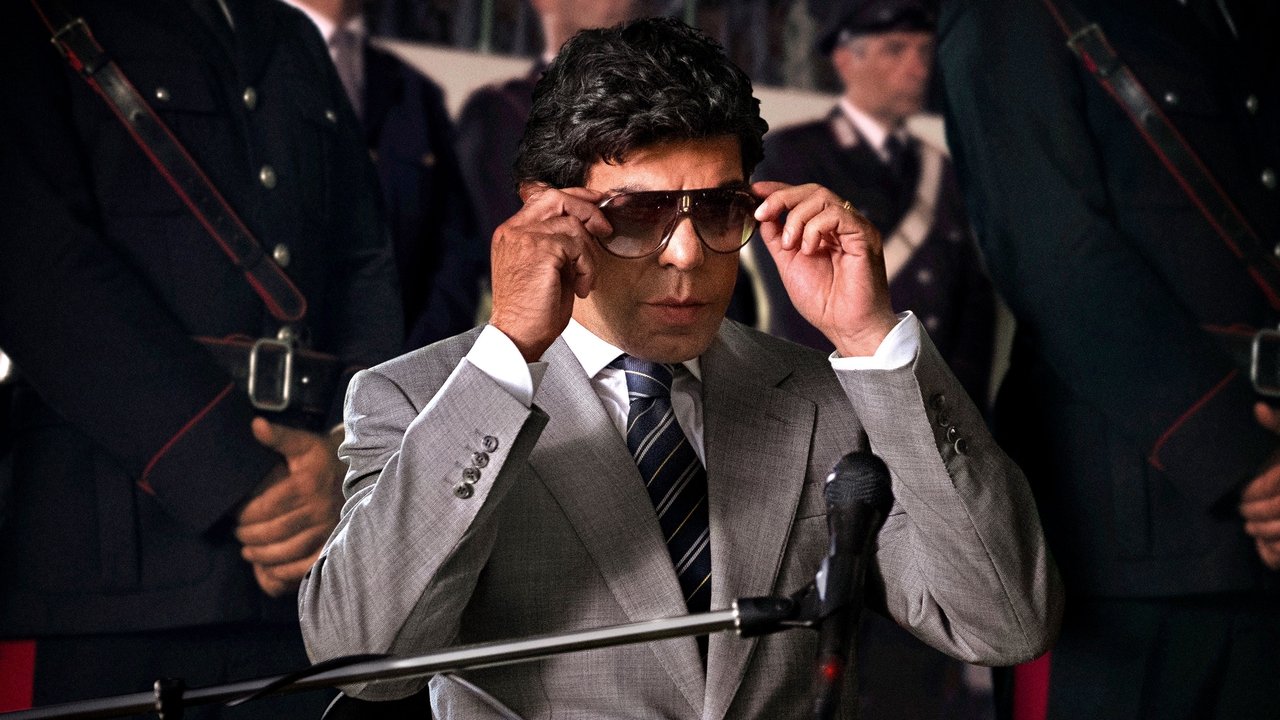
The centerpiece of the film is the Maxi Trial, and I cannot stress enough how insane this sequence is. If you think American courtroom dramas are theatrical, you aren't prepared for the Sicilian legal system of the 1980s. Imagine a giant, bunker-like courtroom filled with cages. Inside those cages, hundreds of mobsters are screaming, smoking cigars, stripping naked to protest, and literally barking like dogs at the witnesses.
Bellocchio directs these scenes with a surrealist edge. It’s an opera of the absurd. We see Luigi Lo Cascio as Salvatore Contorno, another informant who screams his testimony in a dialect so thick even the other Italians can barely understand him. It’s chaotic and loud, yet Bellocchio keeps the focus tight on the personal vendettas. When Buscetta has to face off against his former friend Pippo Calò (Fabrizio Ferracane), the air in the room practically curdles. It’s not about the law; it’s about two old men arguing over who betrayed whom while the bodies pile up in the background.
Apparently, Bellocchio and his team went to great lengths to recreate the "Bunker" courtroom, and the authenticity pays off. It feels oppressive. You can almost smell the stale cigarette smoke and the desperation.
Why This Story Matters Now
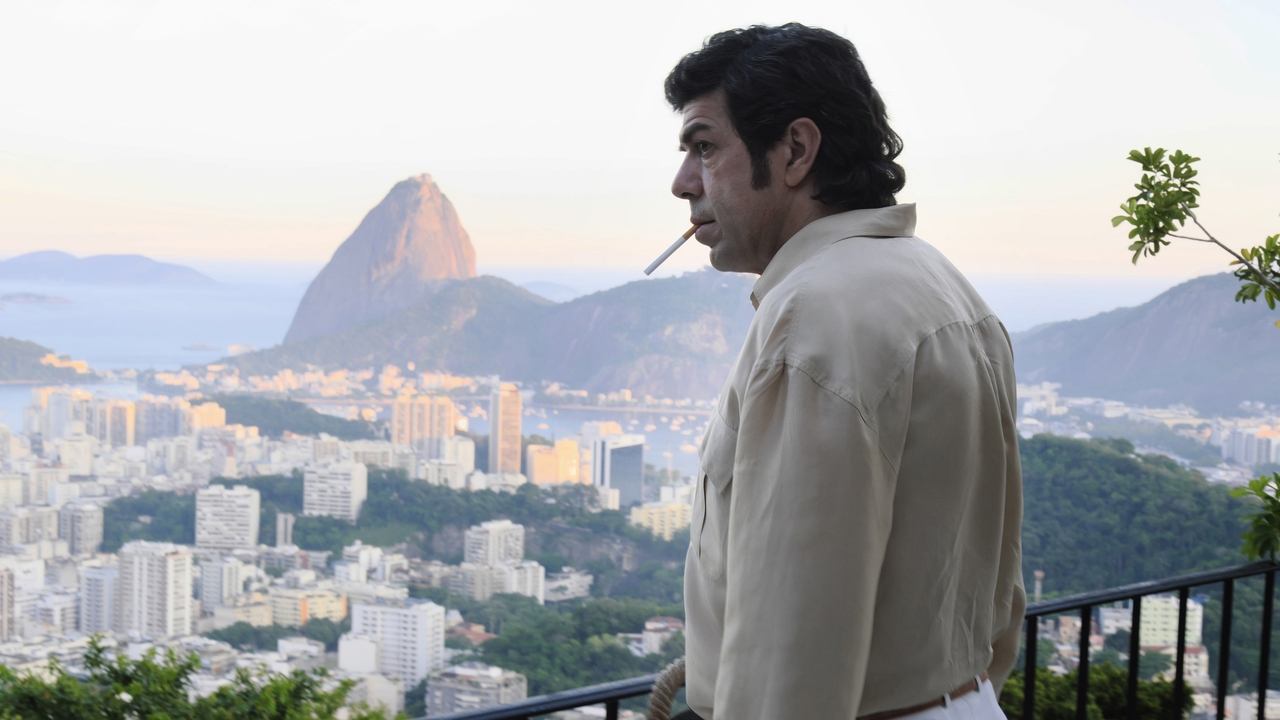
In a 2019 landscape often defined by digital de-aging and green screens, The Traitor relies on the sheer, physical presence of its lead. Pierfrancesco Favino doesn't just play Buscetta; he inhabits the man’s aging process. We watch him go from a tan, confident playboy in Brazil to a ghost of a man living under witness protection in the United States, constantly looking over his shoulder.
The film also serves as a sobering reminder of the real-world cost of these "legendary" criminal organizations. Bellocchio uses a literal ticker on the screen to count the murders as the Corleonesi take over Palermo. It’s a chilling device that strips away any lingering glamour. It’s a movie that proves being a snitch is the most exhausting job in the world.
The score by Nicola Piovani is haunting, eschewing the sweeping romanticism you might expect for something more discordant and tense. It reflects a film that refuses to give you the easy satisfaction of a "hero." Buscetta is a man who took part in a horrific system, and his "redemption" is born more out of vengeance than virtue.
The Traitor is a sprawling, 151-minute epic that earns every second of its runtime. It’s a demanding watch, but one that rewards you with a deep, unflinching look at the rot behind the "honored society." It’s an essential piece of contemporary Italian cinema that managed to outdraw massive Hollywood blockbusters in its home country, and for good reason. It’s big, loud, messy, and deeply human—much like the history it depicts. If you're tired of the same old mob tropes, let this one break the silence.
Keep Exploring...
-
Suburra
2015
-
Batman vs. Robin
2015
-

Miss Sloane
2016
-
22 July
2018
-
The Guilty
2018
-
November
2022
-
The Outfit
2022
-

STRAW
2025
-
Patriots Day
2016
-
Sherlock: The Abominable Bride
2016
-
Snowden
2016
-
The Accountant
2016
-
Good Time
2017
-
The Book of Henry
2017
-
Dogman
2018
-
Shoplifters
2018
-

The House That Jack Built
2018
-
El Camino: A Breaking Bad Movie
2019
-
Joker
2019
-
Les Misérables
2019