The Two Popes
"Two men. Two paths. One future for the world."
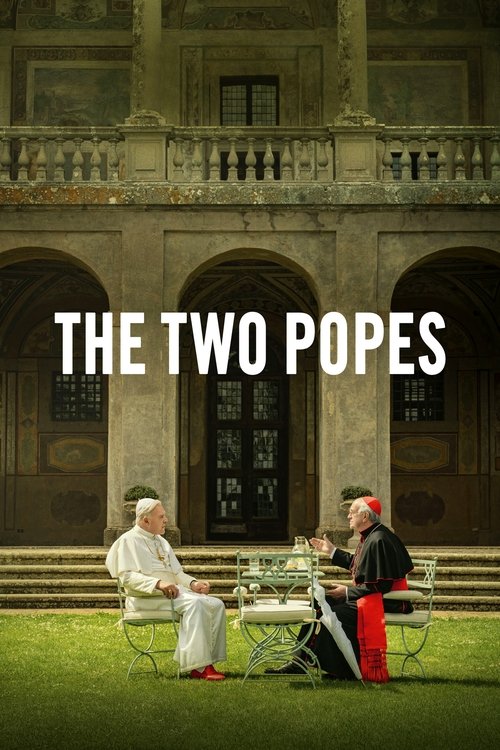
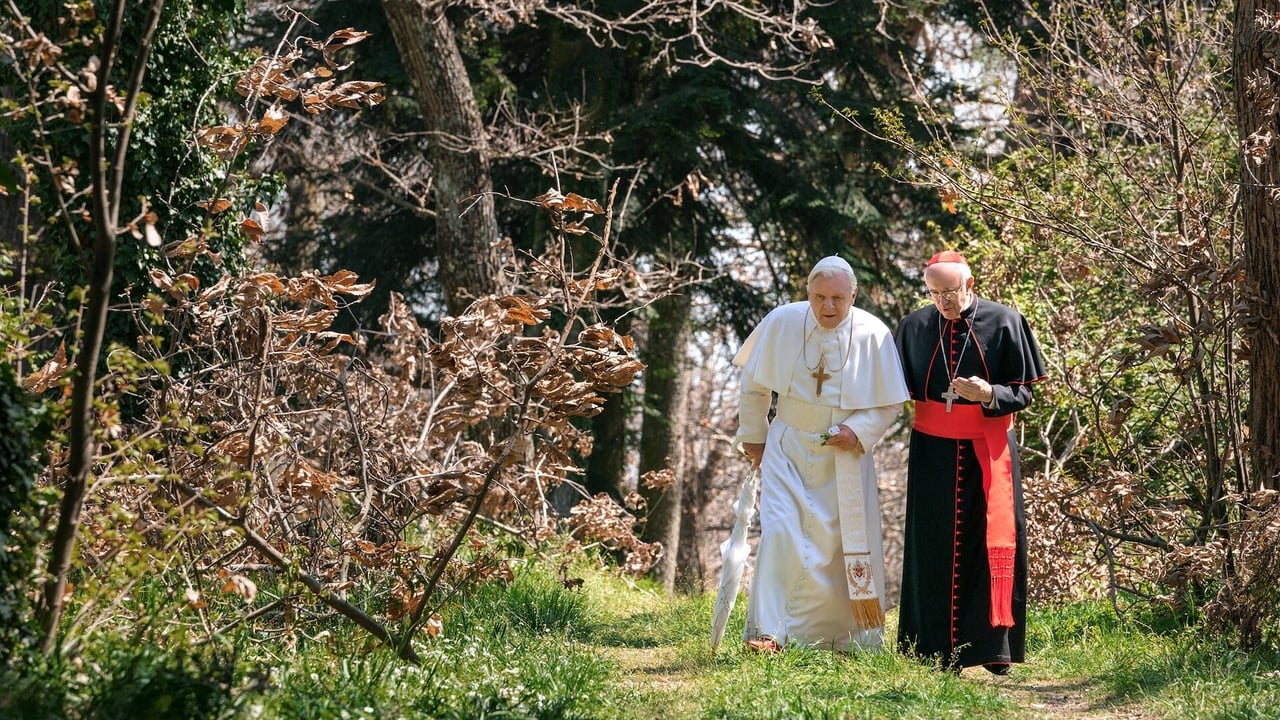
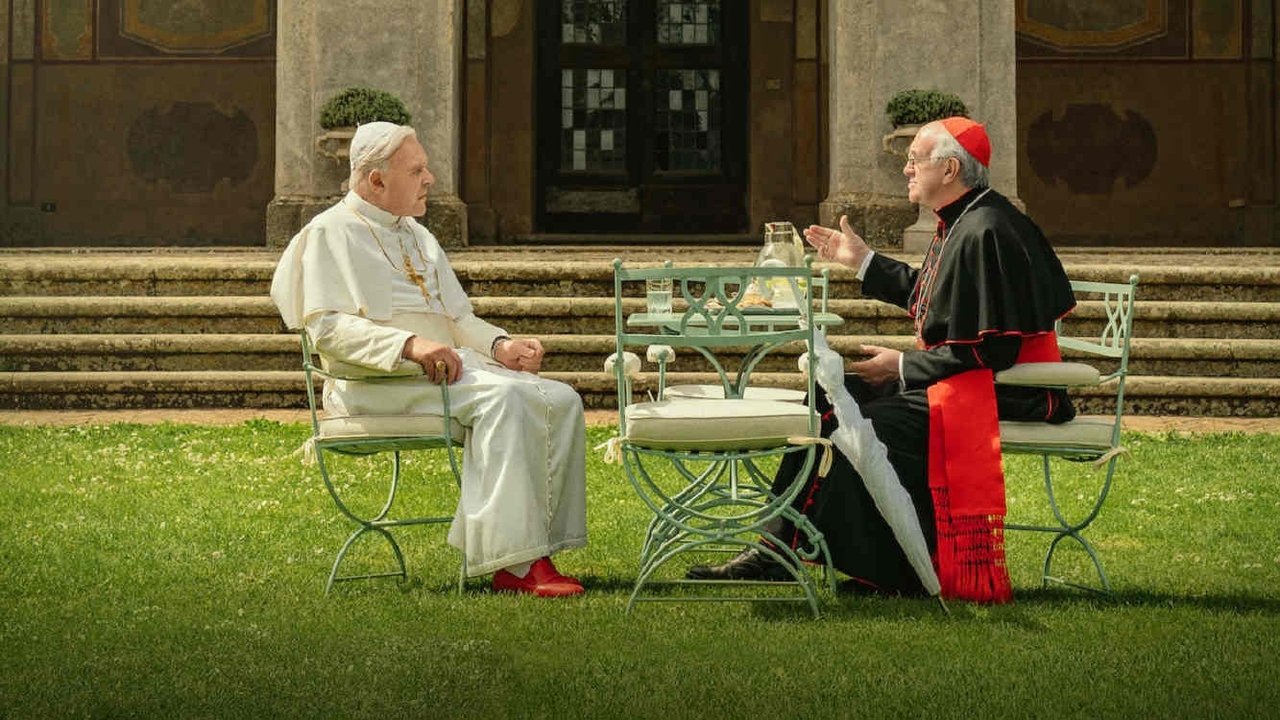
There is a moment in The Two Popes where Anthony Hopkins tries to explain the beauty of a Mozart piece to Jonathan Pryce, only to realize his guest is more of an ABBA fan. It’s a tiny, silly interaction, but it encapsulates why this movie works so much better than it has any right to. On paper, a two-hour drama about two elderly men discussing Catholic dogma sounds like a high-speed chase to a nap. Instead, I found myself leaning into the screen, mesmerized by the friction between two of the finest actors of our generation.
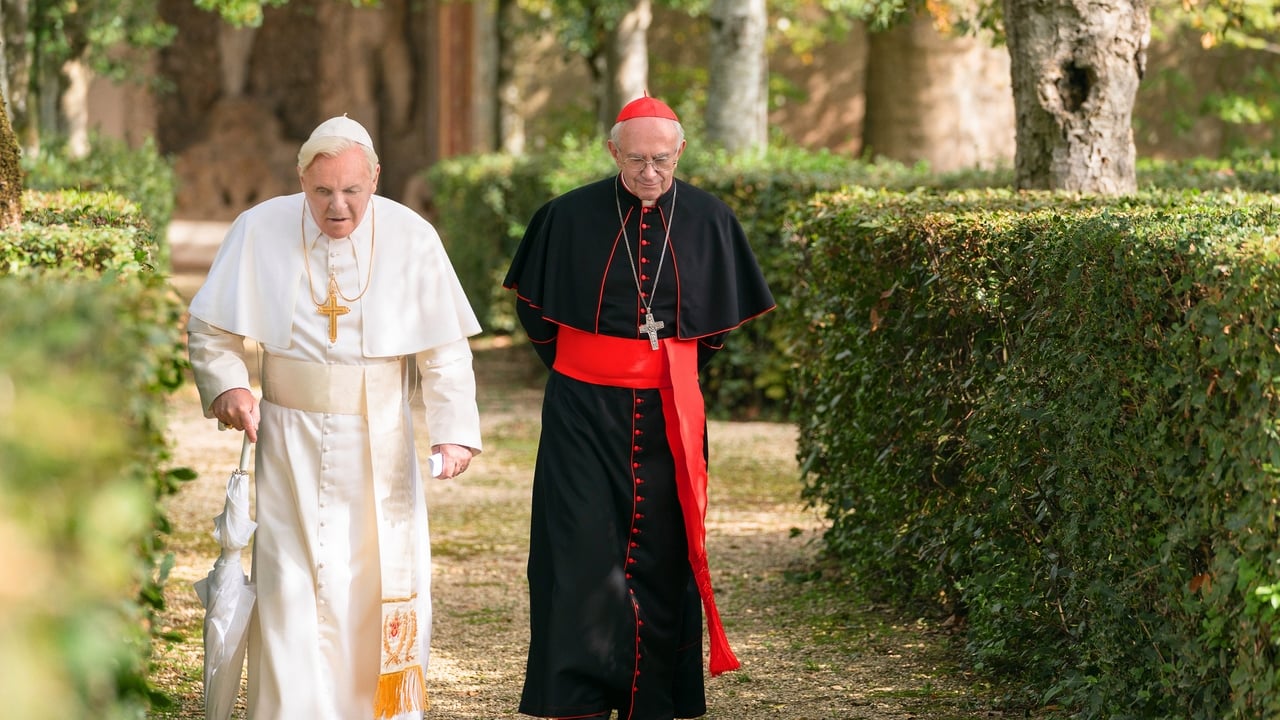
I actually watched this for the first time while recovering from a wisdom tooth extraction, and the gentle, rhythmic pacing was the only thing that kept me from crying into my lukewarm tomato soup. There’s a "cozy" quality to this film that masks its much sharper, more uncomfortable questions about power and silence.
The Odd Couple of the Vatican
In the era of 2019 cinema, Netflix was deep in its "Prestige Push." They were throwing money at big-name directors to prove they weren’t just the home of Stranger Things and Adam Sandler comedies. They landed Fernando Meirelles, the man who gave us the gritty, kinetic masterpiece City of God (2002). You can see his fingerprints everywhere here. This isn’t a stagnant, "museum-piece" biography. Meirelles uses handheld cameras, quick zooms, and a surprisingly vibrant color palette that makes the Vatican feel alive and sweating, rather than carved from cold marble.
The script comes from Anthony McCarten, who has basically cornered the market on the "Great Men" biopic (The Theory of Everything, Darkest Hour). His specialty is taking historical icons and making them human enough to have a beer with—or in this case, a slice of Fanta-flavored pizza. "Basically a high-budget episode of The Odd Couple but with more Latin and better hats," is how I described it to a friend, and I stand by that. Jonathan Pryce as Jorge Bergoglio (the future Pope Francis) is the warm, tango-loving progressive, while Anthony Hopkins plays Joseph Ratzinger (Pope Benedict XVI) as the stiff, piano-playing conservative who can’t understand a joke to save his life.
The Power of the Close-Up
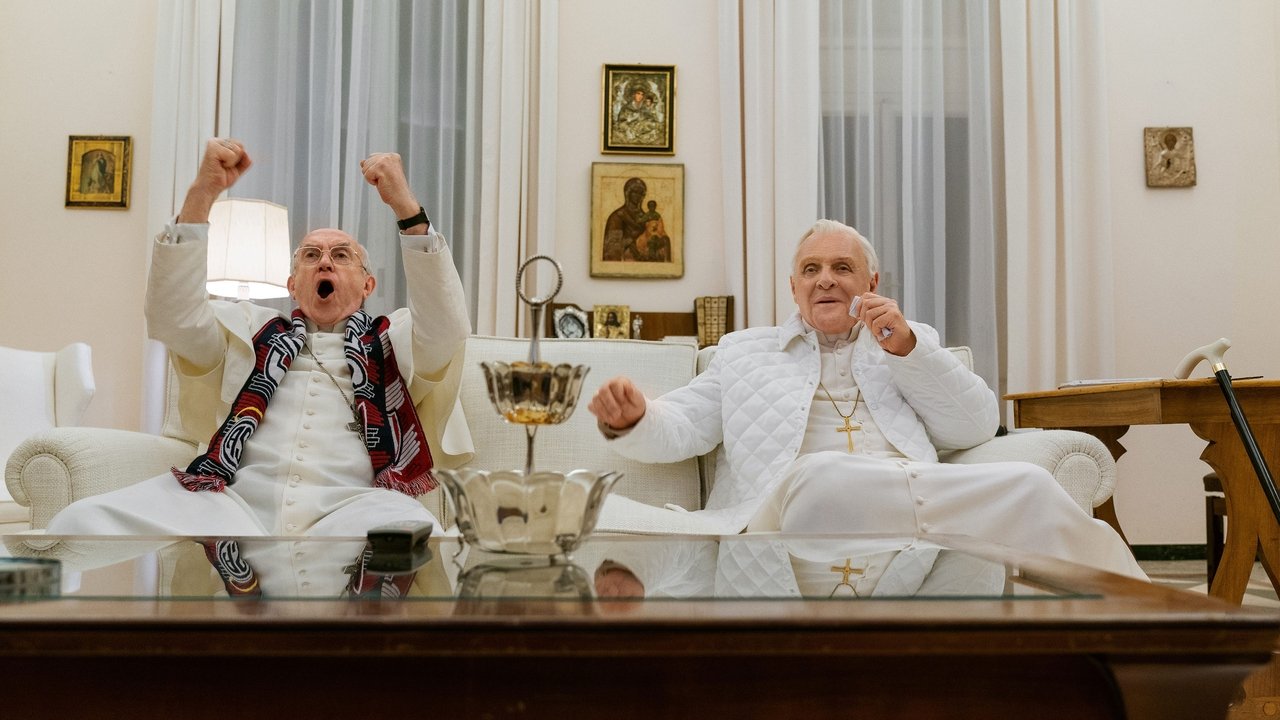
While the dialogue is snappy, the real heavy lifting is done in the silences. Hopkins is a marvel of restraint here. He plays Benedict not as a villain, but as a man who is profoundly lonely and terrified that he can no longer hear the voice of God. Watching his face crumble when he realizes he’s lost the "pulse" of the world is heartbreaking. Opposite him, Pryce—who has been a dead ringer for Pope Francis in internet memes for years—brings a weary, soulful energy. He’s a man haunted by his past in Argentina, and the film doesn't shy away from his controversial role during the "Dirty War."
The chemistry is undeniable. It turns out the two actors became genuine friends on set, and you can feel that blossoming warmth. When they finally share a pizza in a side room of the Sistine Chapel, it feels earned. It’s a testament to the "Streaming Era" philosophy: give two titans a room and a brilliant script, and people will actually watch it instead of scrolling through TikTok. The Vatican’s PR department couldn’t have dreamed up a better recruitment ad, even if the film takes some massive creative liberties with what actually happened behind those closed doors.
Secrets from the Holy See
One of the most fascinating things about the production is that the Vatican, unsurprisingly, didn’t let them film inside. The "Sistine Chapel" you see on screen is a massive, life-sized recreation built at Cinecittà Studios in Rome. It was so detailed that it reportedly took ten weeks to paint the ceiling.
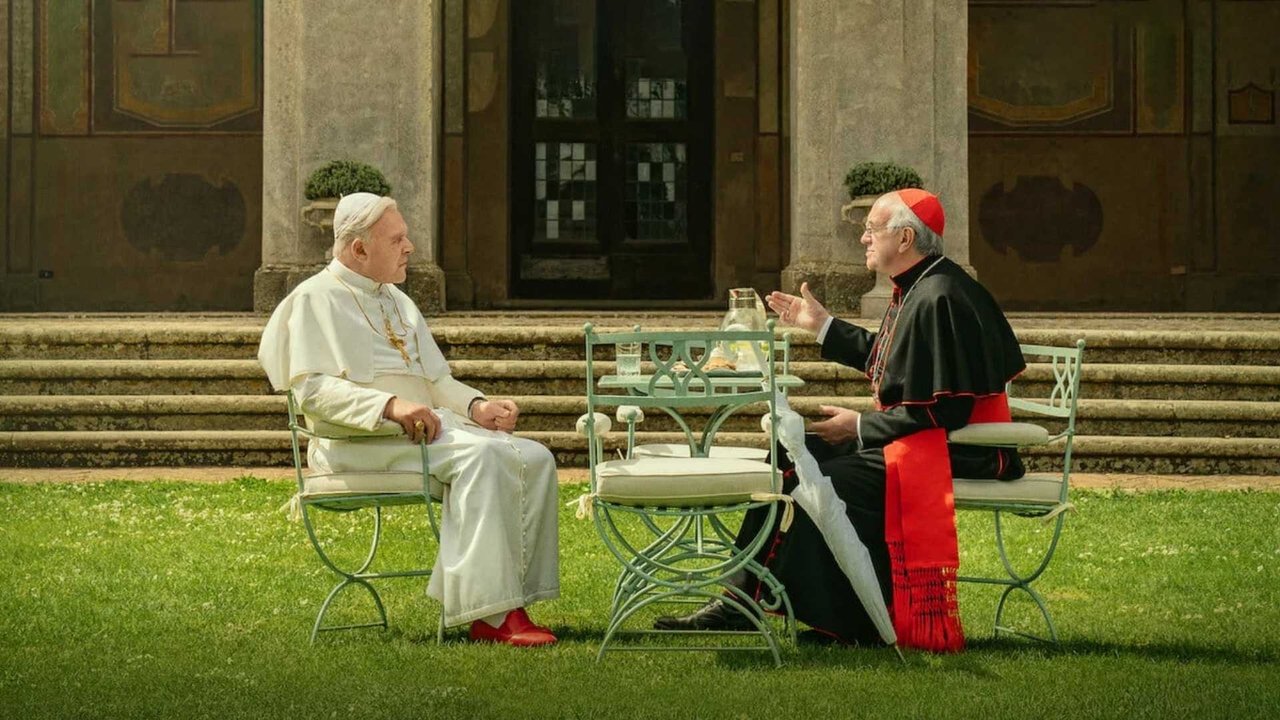
Here are a few other bits of trivia that make the "cult" appeal of this film even stronger:
Jonathan Pryce was so frequently told he looked like Cardinal Bergoglio that his own son sent him a photo of the Pope and asked, "Dad, are you the Pope?" The film features a recurring joke about Benedict’s love for a German TV show called Kommissar Rex, which is about a police dog. That’s a real detail—the real Ratzinger was a massive fan. The scenes of the Papal conclave used over 300 extras, many of whom were actual priests or students of theology who were thrilled to get a free "costume" for the day. Anthony Hopkins actually plays the piano in the film. He’s a classically trained musician and composer in real life. * Despite the "Inspired by True Events" tag, the two men likely never had this grand, climactic meeting at Castel Gandolfo. It’s a brilliant "what if" scenario that captures the spirit of their transition, if not the literal schedule.
In an age of political polarization, The Two Popes feels like a bit of a fantasy. It’s a story about two people who fundamentally disagree on everything but decide that the institution they serve is more important than their own egos. It’s beautifully shot by César Charlone (The Constant Gardener), acted to perfection, and features a soundtrack that jumps from classical hymns to "Dancing Queen" without missing a beat. It’s the kind of adult drama that doesn’t get made for theaters much anymore, but I’m glad it found a home on our TVs. It reminded me that even the most powerful people in the world still have to figure out how to talk to someone who doesn't like their music.
Keep Exploring...
-
Black Mass
2015
-

In the Heart of the Sea
2015
-

Steve Jobs
2015
-
The Walk
2015
-
13 Hours: The Secret Soldiers of Benghazi
2016
-

Eddie the Eagle
2016
-
Patriots Day
2016
-
Silence
2016
-
Snowden
2016
-
The Founder
2016
-
Hostiles
2017
-
BlacKkKlansman
2018
-
First Man
2018
-
The Favourite
2018
-
Just Mercy
2019
-
Richard Jewell
2019
-

The Irishman
2019
-
The Trial of the Chicago 7
2020
-
House of Gucci
2021
-
King Richard
2021