The Upside
"Unlikely friends, an even unlikelier hit."
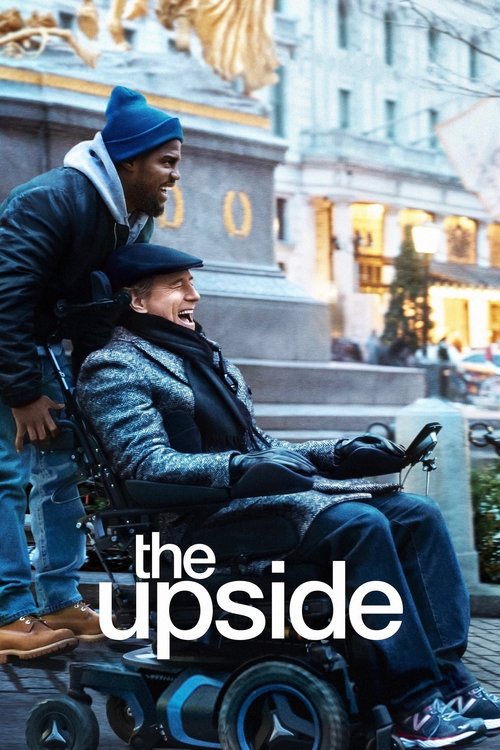
American remakes of foreign-language darlings are usually a recipe for a cold, flavorless meal. We’ve seen it a thousand times: a studio buys the rights to a European or Asian masterpiece, strips away the cultural nuance, adds a few recognizable faces, and hopes the box office gods are feeling generous. When I heard they were tackling the 2011 French phenomenon The Intouchables, I braced for impact. The original was a lightning-in-a-bottle moment of French cinema, and the prospect of a Hollywood polish felt like painting over a fresco with beige latex. Yet, somehow, The Upside managed to survive its own birth—a birth that involved being buried under the rubble of a collapsing studio and emerging as a genuine, mid-budget success story in an era of superhero saturation.
The Chemistry of an Odd Couple
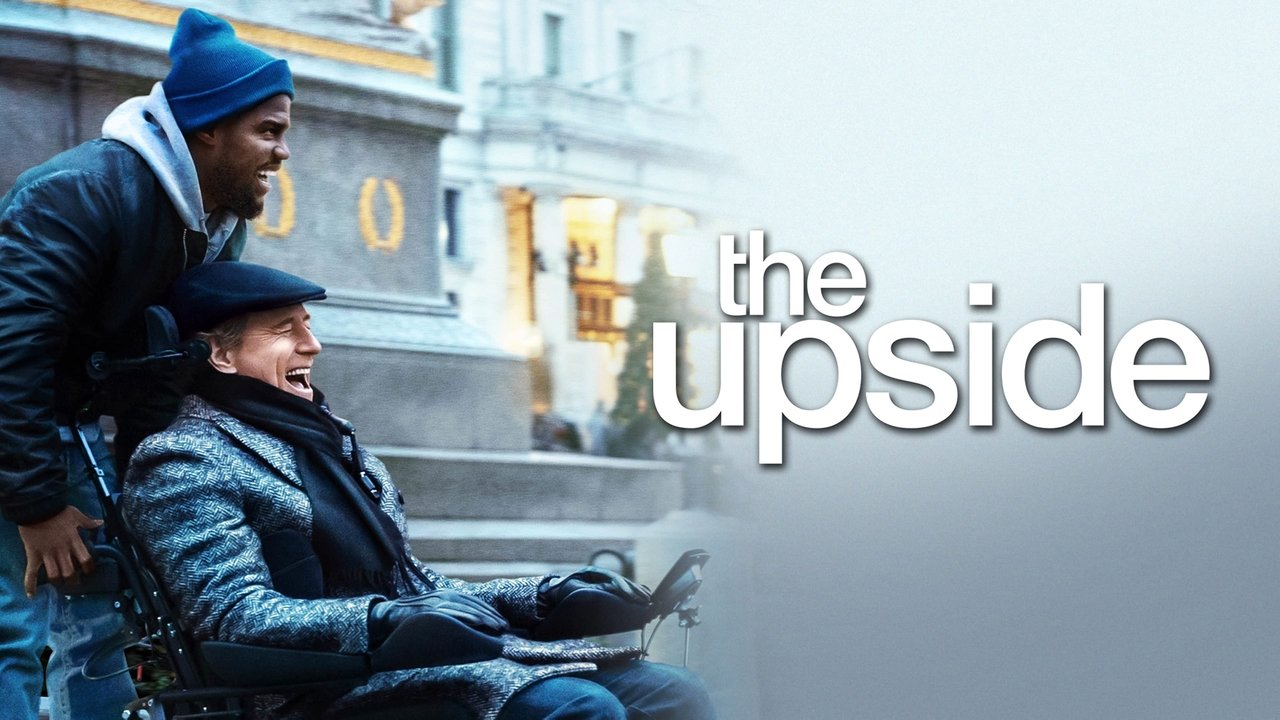
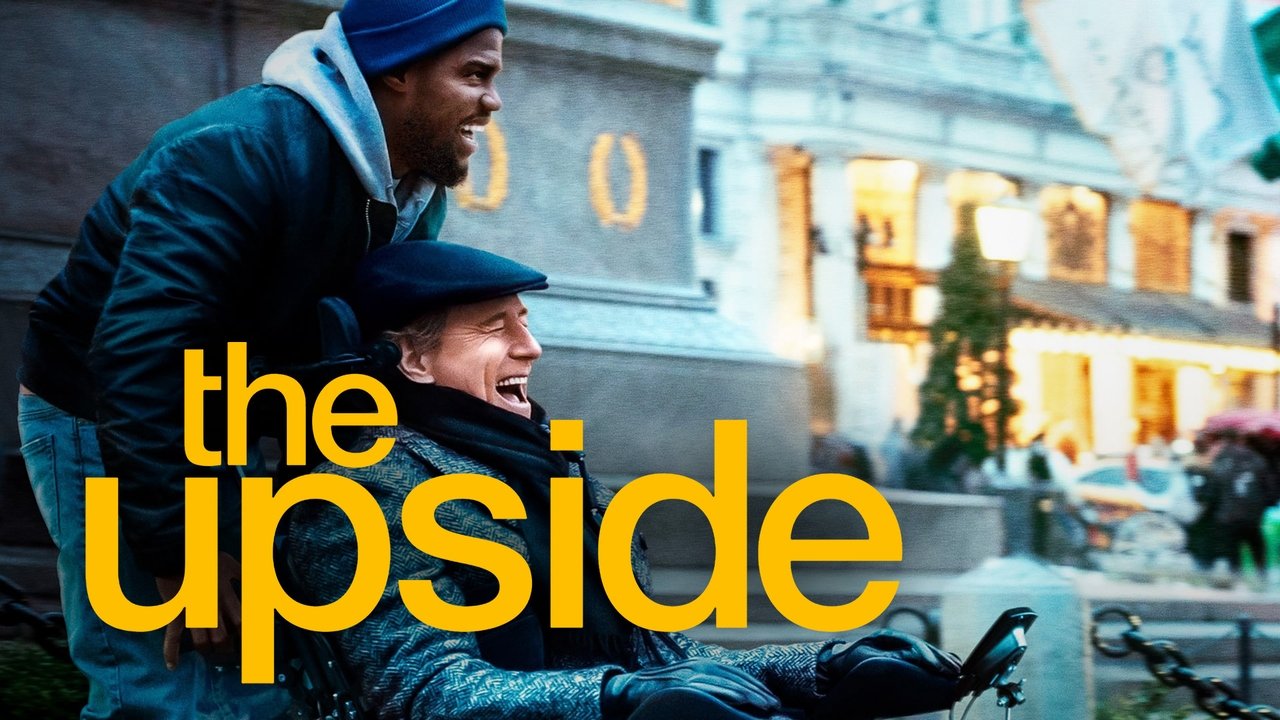
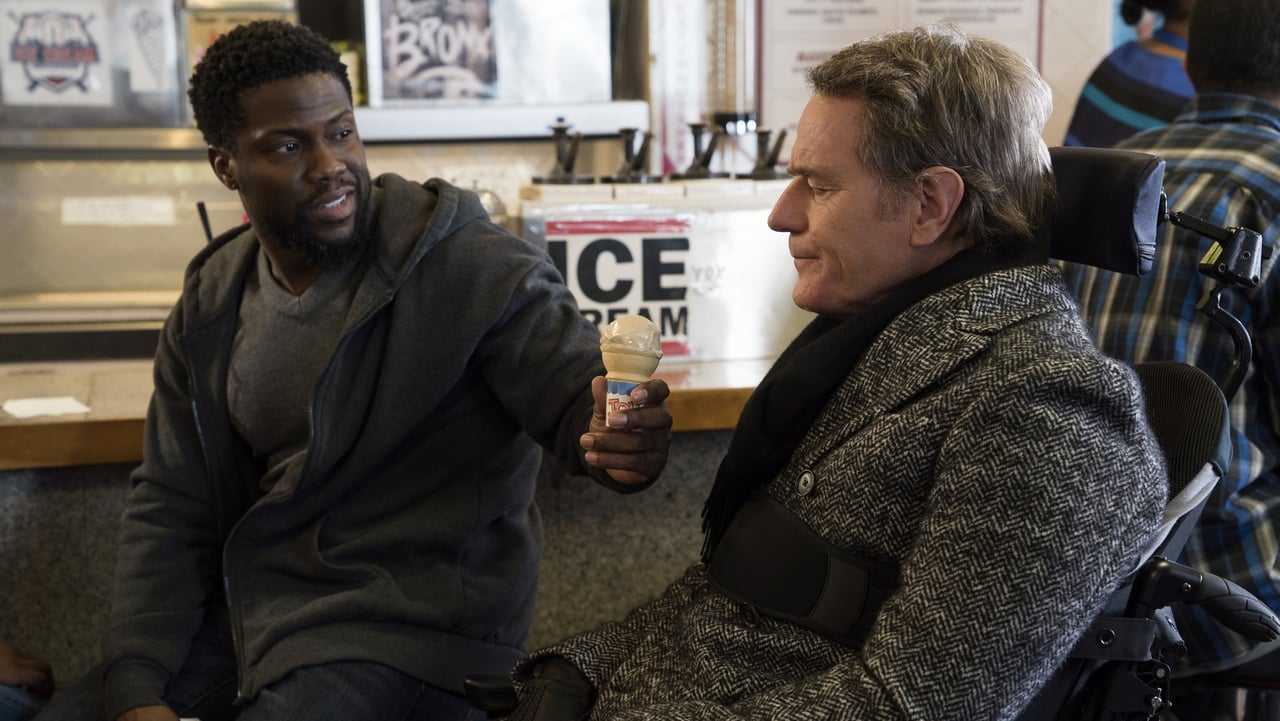
The weight of this film rests entirely on the shoulders of Kevin Hart and Bryan Cranston. If they don’t click, the whole thing is just an expensive penthouse tour. I’ve always had a complicated relationship with Hart’s filmography; his "shout-until-they-laugh" persona can be exhausting in large doses. However, director Neil Burger (the man behind Limitless) managed to find the mute button on Hart's manic energy just enough to let a real performance breathe. As Dell Scott, a parolee looking for a signature to satisfy his officer, Hart brings a jittery, defensive vulnerability that feels grounded. He actually stops trying to be the funniest person in the room for five minutes, and it’s the best thing he’s ever done.
Opposite him, Bryan Cranston plays Phillip Lacasse, a wealthy quadriplegic who has essentially given up on the world. It’s a performance of immense restraint. Cranston—who we all know can do "seething intensity" in his sleep thanks to Breaking Bad—uses only his eyes and his voice to convey a lifetime of grief and a sudden, flickering interest in life. While I watched this on a Tuesday night while trying to finish a bowl of cereal that had gone dangerously soggy, I found myself ignoring my breakfast to catch the micro-expressions Cranston used to signal Phillip’s slow thaw. The chemistry isn't just "buddy comedy" tropes; it’s a genuine friction that turns into a warmth that feels earned rather than manufactured.
Navigating the Remake Curse
One can’t discuss The Upside without acknowledging the cultural climate it landed in. By 2019, the conversation around representation in Hollywood was shifting rapidly. There was—and still is—a significant discourse regarding able-bodied actors like Cranston playing characters with disabilities. While Cranston handled the criticism with his usual eloquence, the film sits as a marker of that specific transitional era in casting politics. It’s a film that leans into the "inspirational" trope, which can sometimes feel a bit paternalistic, but Jon Hartmere’s screenplay tries to mitigate this by giving Dell his own complex family stakes, involving his ex, Latrice (Aja Naomi King), and their son.
Then there’s Nicole Kidman. She plays Yvonne, Phillip’s high-strung business associate, and let’s be honest: she is hilariously overqualified for a role that mostly involves holding a clipboard and looking concerned. Yet, her presence adds a layer of "prestige" that helps the film stay afloat when the plot drifts into more predictable waters. The production itself was a bit of a miracle; the movie was originally a Weinstein Company project. When that studio imploded following the #MeToo revelations, The Upside was shelved for two years. STX Entertainment eventually rescued it, and it went on to shock everyone by knocking Aquaman off the top of the box office charts. It was a reminder that even in the age of the MCU, people still want to see two people talking in a room—provided the room is a $20 million penthouse.
A Masterclass in Tone Management
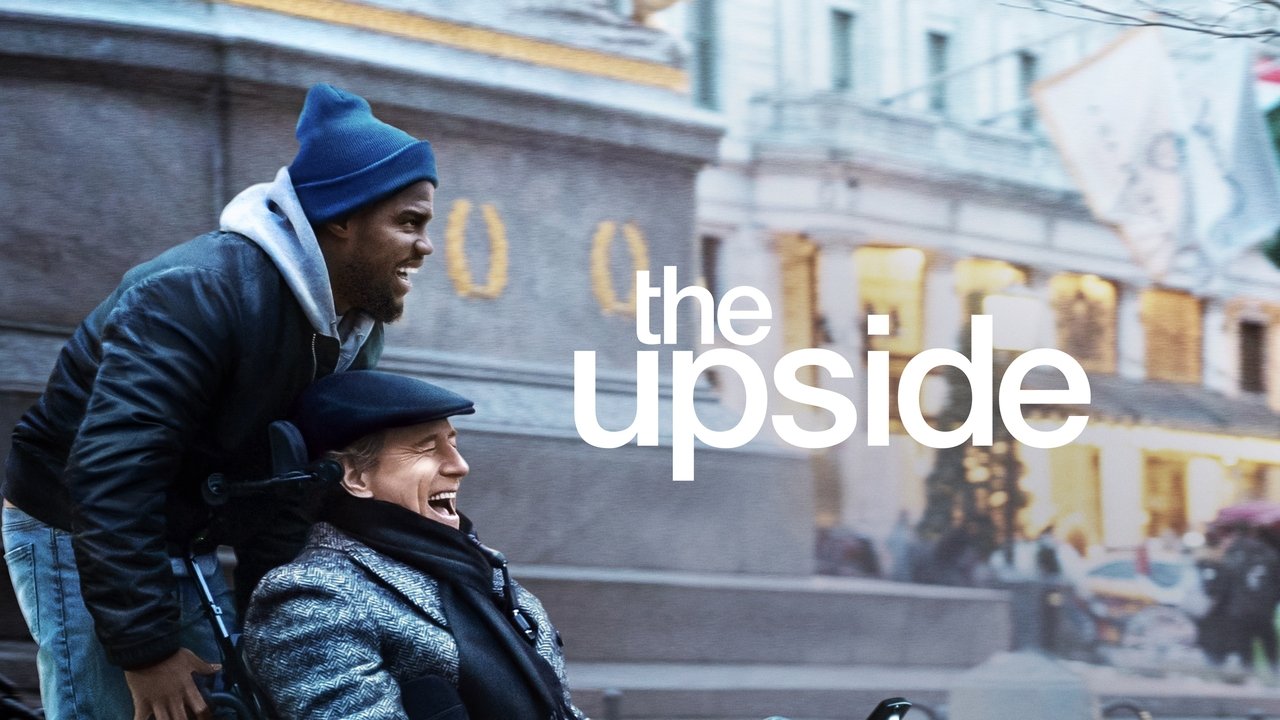
Visually, Stuart Dryburgh (the cinematographer who gave us the lushness of The Piano) avoids making the film look like a flat sitcom. The New York penthouse is shot with a cold, sterile beauty that slowly gains color and life as Dell’s influence grows. The opera scene, in particular, is a highlight. It could have been a cheap "culture clash" joke, but instead, it’s a sincere moment of shared discovery. Hart’s reaction to the music is one of the few times the film transcends its "remake" status and becomes its own entity.
Interestingly, the film is based on the real-life friendship of Philippe Pozzo di Borgo and Abdel Sellou. While Hollywood definitely "slicked up" the story—the real Abdel was an Algerian immigrant in Paris, not a parolee in the Bronx—the core of the relationship remains. It’s about the transactional nature of caregiving turning into a transformative friendship. The film also features Golshifteh Farahani and Tate Donovan, who provide solid support, though they often feel like satellites orbiting the massive gravitational pull of the two leads. It’s a movie that knows exactly what it is: a crowd-pleaser that aims for the heart and occasionally hits the funny bone, even if it follows a map we’ve all seen before.
The Upside doesn't reinvent the wheel, but it polishes the spokes until they shine. It's a testament to the power of casting; without the specific alchemy of Hart and Cranston, this would have been a forgettable Sunday afternoon cable movie. Instead, it’s a charming, albeit safe, exploration of human connection that managed to survive a studio collapse and a skeptical critical reception to become a genuine hit. It’s the kind of movie you put on when you want to feel a little better about the world without having to think too hard about why. It’s not a masterpiece, but in the landscape of 2010s remakes, it’s certainly an outlier that holds its own.
Keep Exploring...
-
Magic Mike XXL
2015
-

The Big Short
2015
-

A Dog's Purpose
2017
-
Hustlers
2019
-
Ticket to Paradise
2022
-
Fatherhood
2021
-
Ride Along 2
2016
-
Captain Underpants: The First Epic Movie
2017
-
Bridget Jones's Baby
2016
-
Dangal
2016
-
Once Upon a Time... in Hollywood
2019
-
Asteroid City
2023
-
Paterson
2016
-
Anomalisa
2015
-
Dope
2015
-
Entourage
2015
-
Irrational Man
2015
-
Café Society
2016
-
Demolition
2016
-

Eddie the Eagle
2016