The Vast of Night
"There is a frequency you weren't supposed to find."
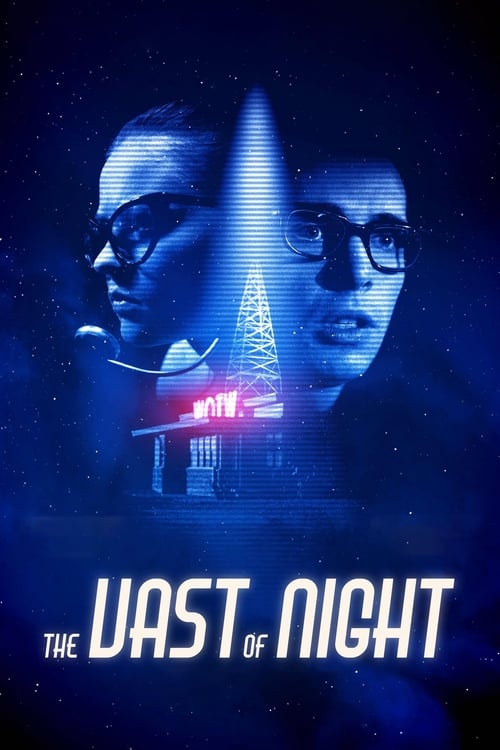
The hum of a vacuum tube. The frantic clicking of a switchboard. The rhythmic, slightly hypnotic patter of a small-town radio DJ who talks fast enough to outrun his own shadow. Most science fiction movies of the last decade have tried to blow our retinas out with billion-dollar light shows, but The Vast of Night is a different beast entirely. It’s a movie that asks you to shut up and listen. It understands that the scariest thing in the universe isn't a CGI monster—it’s a sound you can’t explain coming through a speaker in the middle of a dark room.
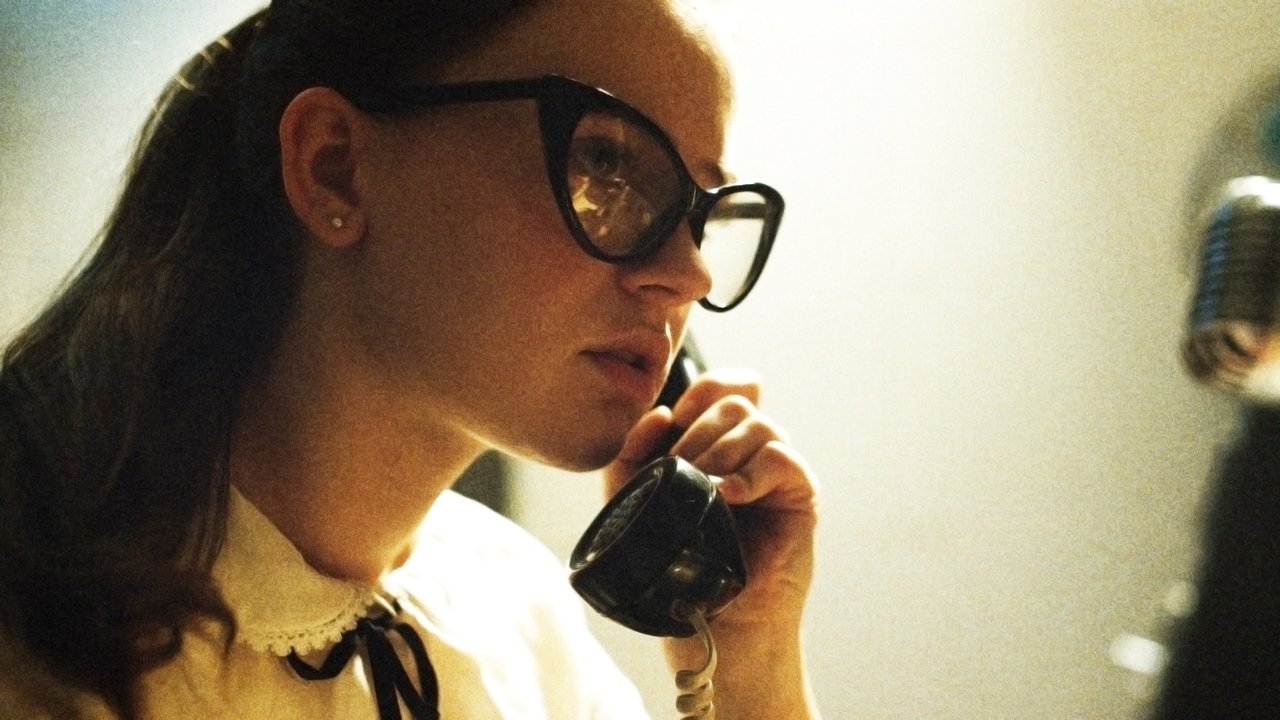
I watched this film on a Tuesday night while eating a bowl of slightly stale pretzel sticks I’d found in the back of my pantry, and for ninety minutes, I completely forgot I was in a cramped apartment in the 2020s. I was transported to Cayuga, New Mexico, circa 1950-something, and I haven't been able to shake the static from my ears since.
A Symphony of Static and Spoken Word
The film opens with a clever meta-framing device: we’re watching an episode of Paradox Theater on a grainy, curved television screen. It’s a direct nod to The Twilight Zone, but director Andrew Patterson isn't just playing dress-up with nostalgia. He’s setting the stage for a story that feels like an urban legend whispered over a campfire.
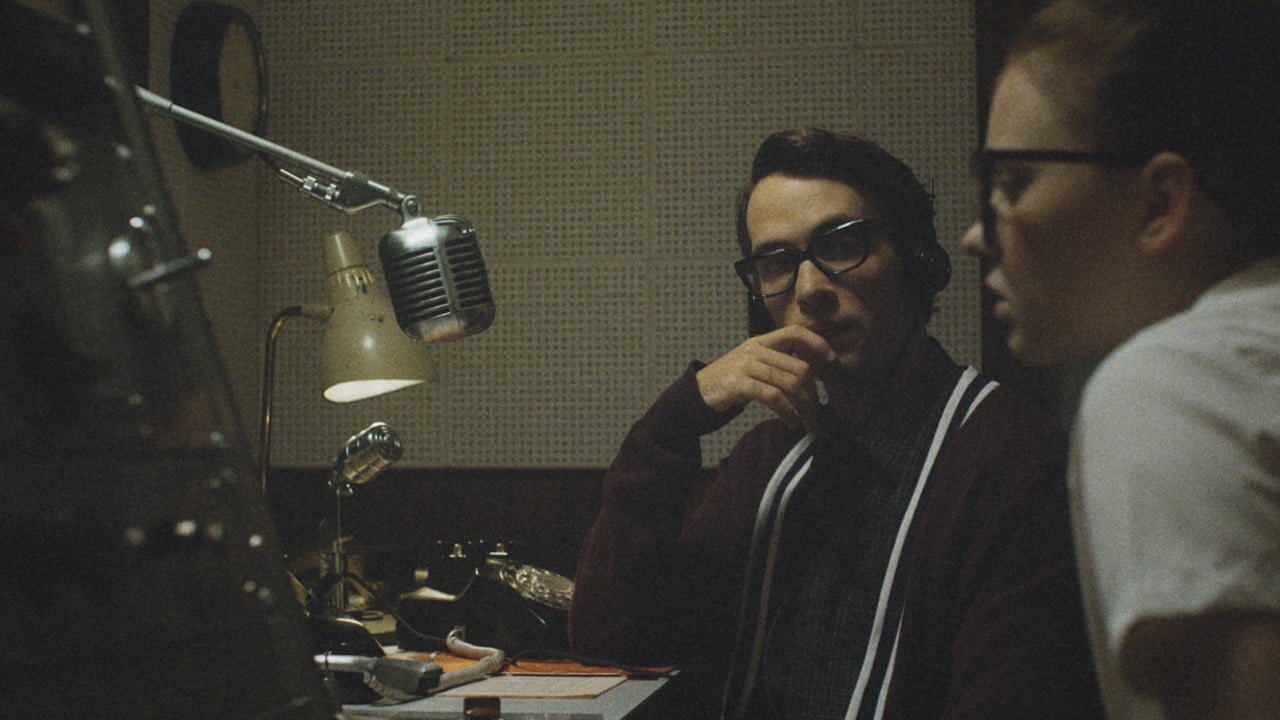
We follow Fay (Sierra McCormick), a teenage switchboard operator with a brand-new tape recorder, and Everett (Jake Horowitz), the local radio personality who carries himself with the swagger of a man who knows he’s the smartest person in any room under 500 square feet. Their chemistry is electric, mostly because they speak in a rapid-fire, Aaron Sorkin-on-speed dialect that forces you to lean in. McCormick is particularly brilliant; she captures that wide-eyed, mid-century optimism perfectly, but with a sharp edge of genuine intellectual curiosity.
When Fay picks up a bizarre, rhythmic pulsing sound on her switchboard, the movie shifts from a charming period piece into a high-tension mystery. They start chasing the signal, and the way Patterson handles this is a masterclass in tension. There’s a sequence where the screen goes black while we listen to a caller named Billy (Bruce Davis) describe a secret military project. If you have the attention span of a caffeinated squirrel, you might struggle here, but for everyone else, it’s the most gripping ten minutes of cinema in recent memory.
The Impossible Camera

For a film that was reportedly made for under a million dollars—which, in Hollywood terms, is basically the catering budget for a single day on a Marvel set—the technical craft is staggering. There is a specific tracking shot that starts at the radio station, flies across the town, ducks through the open windows of a high school gym during a basketball game, and ends back at the switchboard.
It’s the kind of "how did they do that?" moment that makes you want to rewind immediately. But it’s not just showing off; it connects the entire town of Cayuga, showing us the empty streets and the isolated houses, making the eventual realization of what’s happening in the sky feel much more personal. In an era where "virtual production" and LED volumes are becoming the norm, seeing a director use old-school grit and clever choreography to create a sense of scale is incredibly refreshing. Modern blockbusters feel like they were filmed in a sterile office building, but this movie feels like it was dragged out of the dirt.
The cinematography by M.I. Littin-Menz uses these long, amber-hued takes that make the night feel thick and heavy. You can almost smell the floor wax in the gym and the ozone in the radio booth. It captures that specific feeling of being a teenager at night, when the world feels both infinitely large and claustrophobically small.
Ghost Stories for the Space Race
While the mystery is the engine, the characters are the heart. The film takes a breather in the middle for a long scene with an elderly woman named Mabel Blanche (Gail Cronauer). This is where the "drama" part of the genre tag really earns its keep. Mabel delivers a monologue about loss, isolation, and things seen in the sky that feels deeply mournful.
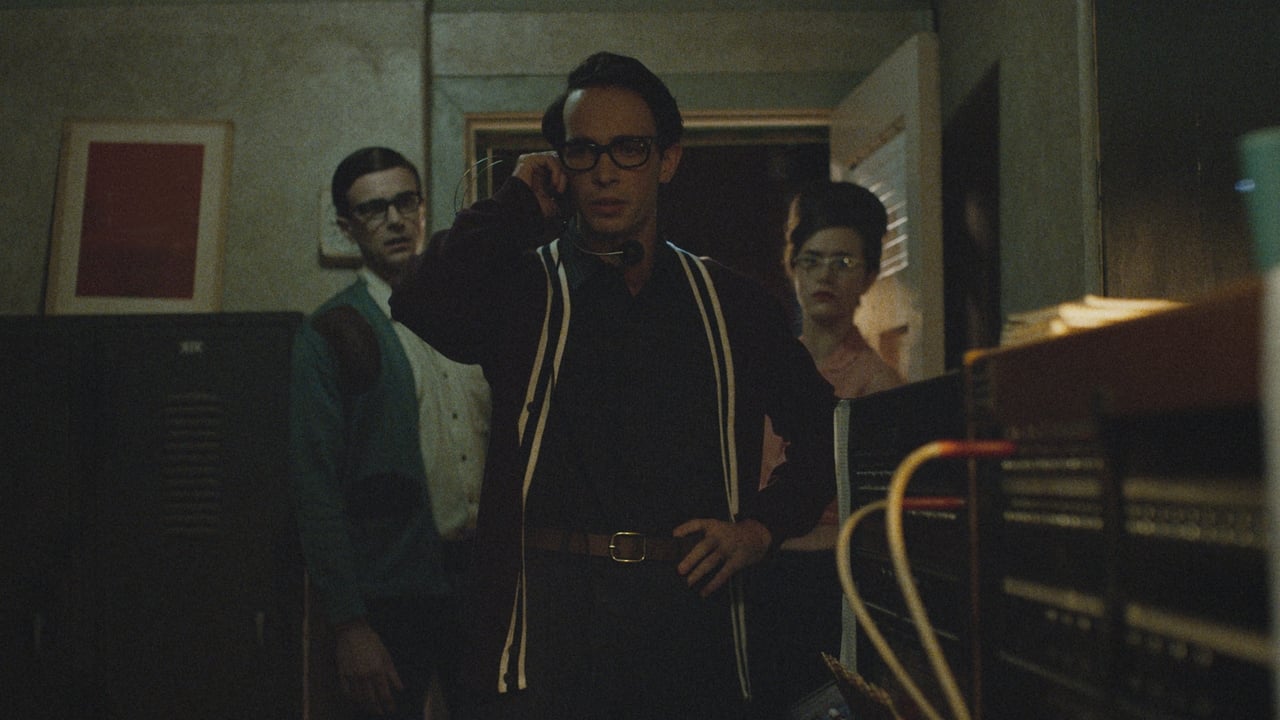
It’s here that the film engages with the "Contemporary Cinema" lens mentioned in our mission. Even though it’s set in the 50s, The Vast of Night feels very much like a product of our current moment—a time defined by a lack of trust in institutions and a feeling that the "truth" is something being whispered in the corners of the internet (or, in this case, the radio waves). It deals with the people who are usually left out of the history books: the switchboard girls, the black soldiers, the eccentric "crazy" ladies.
By the time we reached the final act, I had stopped eating my pretzels. The ending is quiet, haunting, and avoids the typical "Independence Day" explosions in favor of something much more ethereal and unsettling. It’s an indie gem that managed to find a massive audience on Amazon Prime Video during the pandemic, proving that you don't need a franchise or a cape to capture the world's imagination. You just need a good story and the guts to let the audience sit in the dark for a while.
The Vast of Night is a reminder of why we love the movies. It’s a bold, confident debut that uses sound design as a weapon and dialogue as a dance. Andrew Patterson didn't just make a sci-fi movie; he captured a frequency. If you’ve ever looked at a star and felt a chill, or heard a strange noise in the middle of the night and didn't want to check the window, this is for you. Turn the lights off, put your phone in the other room, and just listen.

Keep Exploring...
-
The Discovery
2017
-
Batman vs. Robin
2015
-
Greta
2019
-
Color Out of Space
2020
-

The Lodge
2020
-

Luckiest Girl Alive
2022
-

No Exit
2022
-
The Outfit
2022
-
Missing
2023
-
Z for Zachariah
2015
-

Personal Shopper
2016
-
Thelma
2017
-
Burning
2018
-
High Life
2018
-
Mirage
2018
-

The Professor and the Madman
2019
-
The Room
2019
-

The Call
2020
-

Black Box
2021
-
Crimes of the Future
2022