The Wandering Earth
"Pack your bags, we’re taking the planet with us."
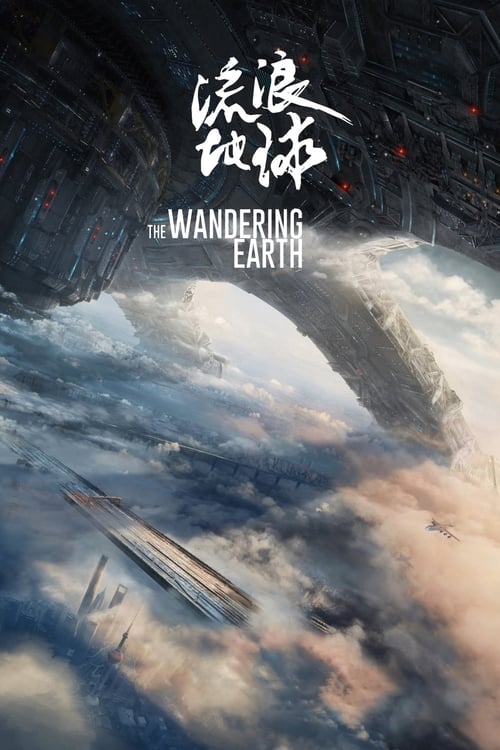
Most science fiction movies treat the Earth like a bad rental property: when the Sun starts acting up, we pack our bags, hop on a sleek silver rocket, and look for a better neighborhood. But The Wandering Earth has a much more sentimental—and frankly, insane—approach. It suggests that if the Sun is going to explode, we shouldn't just leave; we should strap 10,000 fusion engines to the planet and drive the whole rock to Proxima Centauri. It’s the ultimate "taking the house with me" move, and I absolutely love the audacity of it.
I watched this for the first time on a Tuesday night while my neighbor was clearly trying to assemble IKEA furniture through the shared wall, and honestly, the rhythmic hammering of his Malm bed frame added a weirdly appropriate industrial percussion to the film’s relentless clanking.
The Ultimate Moving Day
Released in 2019, The Wandering Earth arrived as China’s first true high-concept sci-fi blockbuster. While the West was busy wrestling with franchise fatigue and wondering if we really needed a fourth version of Spider-Man’s origin story, director Frant Gwo was busy freezing the Pacific Ocean and turning the Himalayas into exhaust vents. It’s a film of staggering scale that feels like a throwback to the disaster epics of the 90s, but with a contemporary technological sheen and a distinctly different cultural heartbeat.
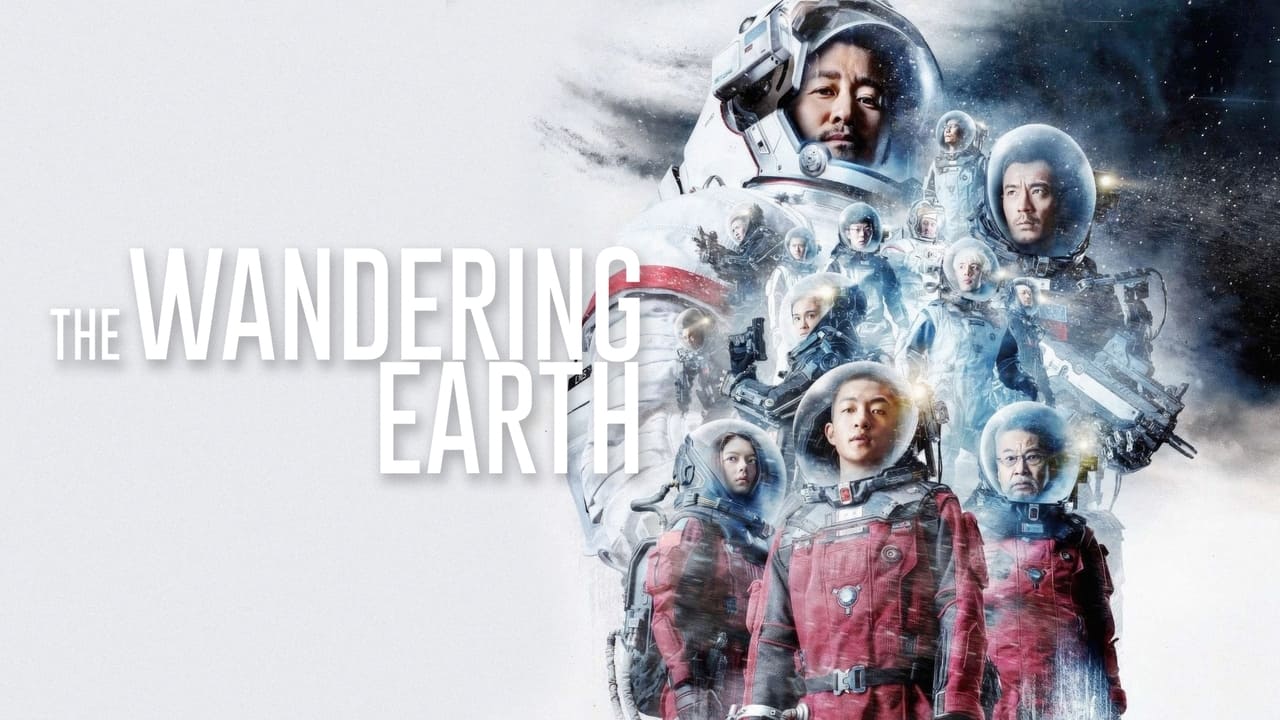
The plot follows Qu Chuxiao as Liu Qi, a rebellious young man living in a subterranean city because the surface of the Earth has become a frozen wasteland. His father, played by the mega-star Wu Jing, is an astronaut stationed on a space station leading the way for the planet’s multi-generational trek. When Jupiter’s gravity begins to pull Earth into a collision course, the two must work across the vacuum of space to save what’s left of humanity.
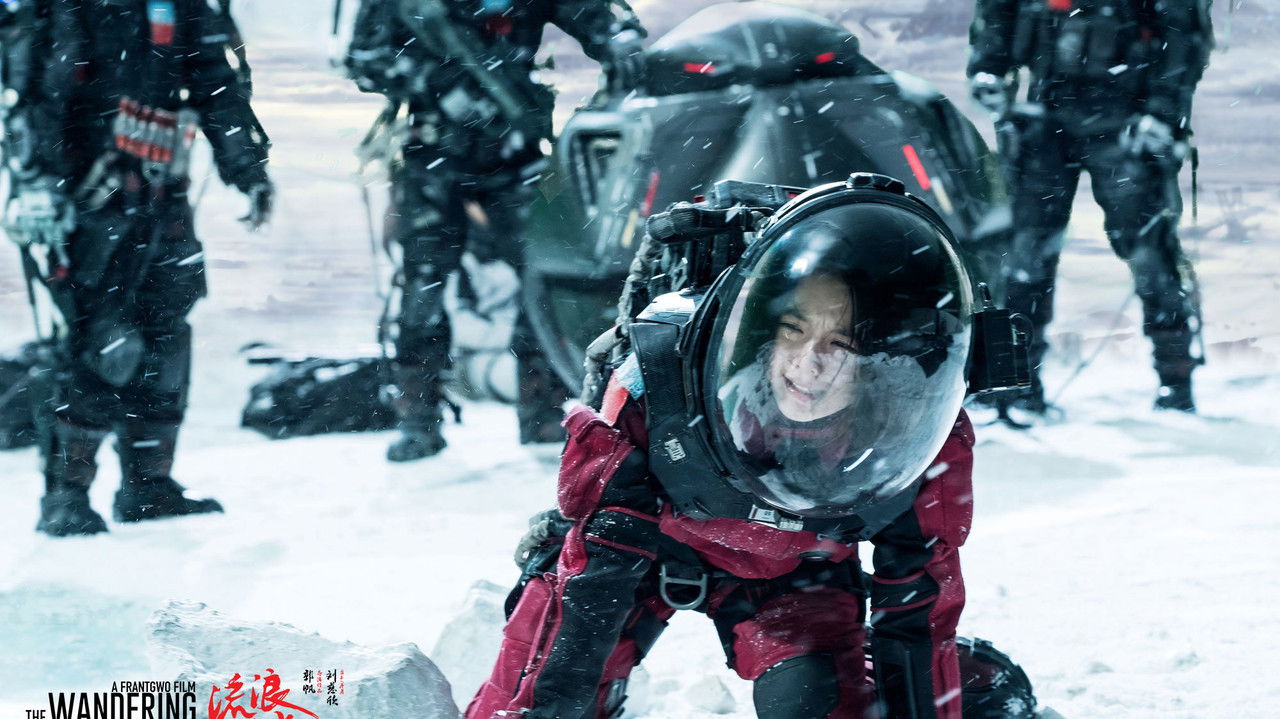
The action is relentless. From high-speed truck chases across a crystalline, post-apocalyptic Shanghai to desperate "suicide mission" repairs on giant thrusters, the film never lets you breathe. The physics here would give Neil deGrasse Tyson a permanent facial twitch, but that’s not really the point. It’s about the "Rule of Cool," and watching a massive transport truck drift on a frozen ocean is undeniably cool.
CGI With a Soul
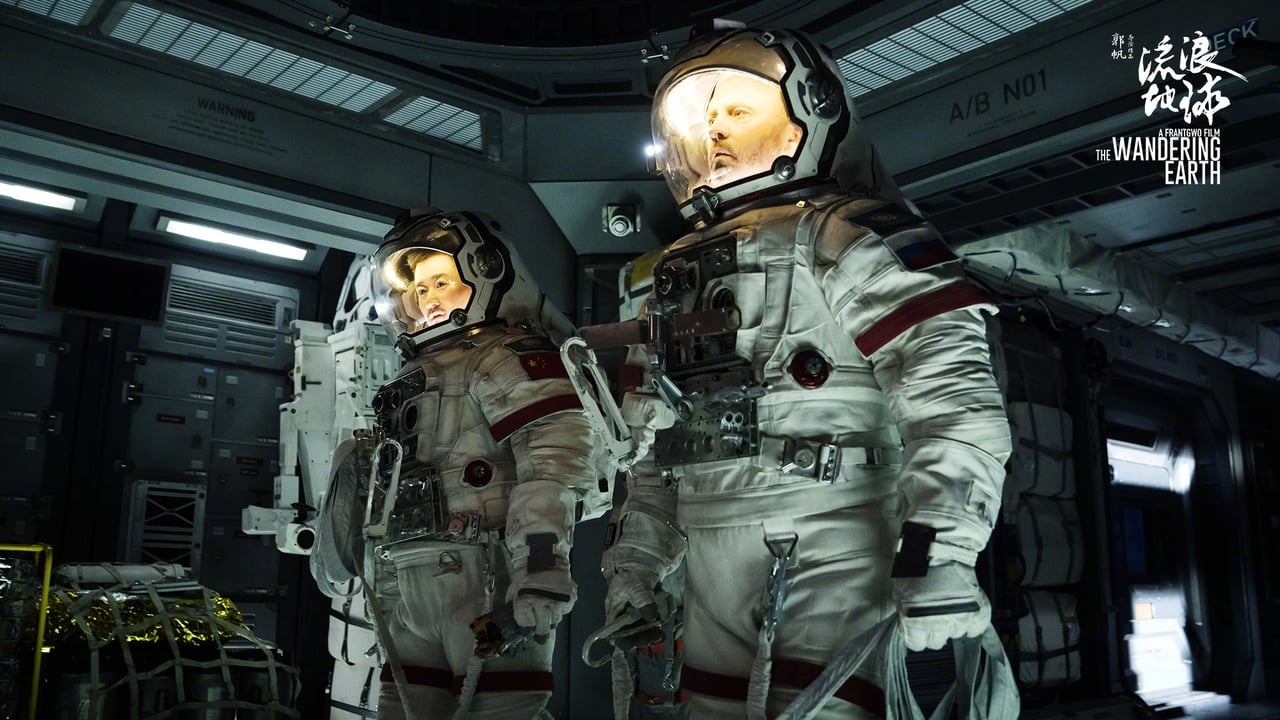
For a movie with a $48 million budget—a fraction of what Marvel spends on catering—the visual effects are startlingly good. There is a weight to the machinery and a grit to the environments that makes the "Contemporary Cinema" reliance on CGI feel earned rather than lazy. The production design captures that "used future" aesthetic; everything is chunky, mechanical, and covered in a layer of frost or grime.
The action choreography by Li Guangjie’s strike team sequences is clear and punchy, avoiding the "shaky-cam" chaos that plagues so many modern blockbusters. You actually know where everyone is and what they are trying to fix before it explodes. It’s a masterclass in building tension through technical hurdles. However, the film’s real secret weapon is the late, great Richard Ng Man-Tat. Known mostly for his legendary comedy work in Hong Kong, here he provides the film’s emotional anchor as the grandfather, Han Ziang. His performance brings a warmth to the icy landscape that keeps the stakes feeling human rather than just mathematical.
The Netflix Shadow

It’s interesting to look at The Wandering Earth through the lens of our current streaming-dominated world. Despite being the fifth highest-grossing non-English film of all time, it remains something of a "hidden giant" in the West. Netflix scooped up the international rights and then seemingly buried it in the algorithm. It’s a victim of the "content dump" era, where a massive cinematic achievement can be relegated to a thumbnail between a baking competition and a true-crime docuseries.
Behind the scenes, the production was a bit of a "wandering" journey itself. The project was so ambitious that they actually ran out of money during production. Wu Jing—who was originally only supposed to have a cameo—ended up putting $9 million of his own money into the film and waived his acting fee just to make sure they could finish the visual effects. That kind of "all-in" passion shows on the screen. It’s basically a $200 million movie made with $50 million and a lot of sheer, stubborn willpower.
While the dialogue can be a bit clunky (the "international" characters like Michael Kai Sui's Tim are a bit of a caricature-fest), and the pacing is so fast it occasionally trips over its own feet, the film’s central theme of collective sacrifice is a refreshing change of pace. In Hollywood, one guy usually saves the world. In The Wandering Earth, it takes 1.5 million people working in perfect, desperate sync to move a single lever.
The Wandering Earth is a loud, proud, and wildly imaginative spectacle that proves China can go toe-to-toe with Hollywood's biggest spectacles. It’s not perfect—the emotional beats sometimes lean into melodrama and the science is more "magic" than "math"—but the sheer vision of seeing Earth as a giant spaceship is worth the price of admission alone. If you’re looking for a blockbuster that feels different from the usual assembly-line franchise fare, this is a journey worth taking. Just don't think too hard about the thermodynamics of it all.

Keep Exploring...
-
Invasion
2020
-
Batman vs. Robin
2015
-

Justice League vs. Teen Titans
2016
-
Extinction
2018
-

Evangelion: 3.0+1.0 Thrice Upon a Time
2021
-

They Call Me Jeeg
2016
-
Ghost in the Shell
2017
-
Bāhubali: The Beginning
2015
-

Dragon Ball Z: Resurrection 'F'
2015
-
Equals
2015
-

Heist
2015
-

The Gunman
2015
-
The Wave
2015
-
Blood Father
2016
-
Criminal
2016
-
Midnight Special
2016
-
Risen
2016
-
Shin Godzilla
2016
-

Attraction
2017
-
Only the Brave
2017