The Wolf's Call
"In the deep, silence is the only survivor."
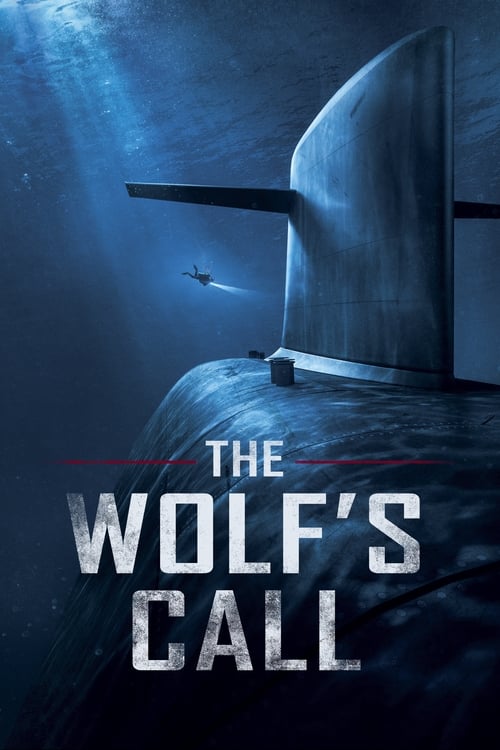
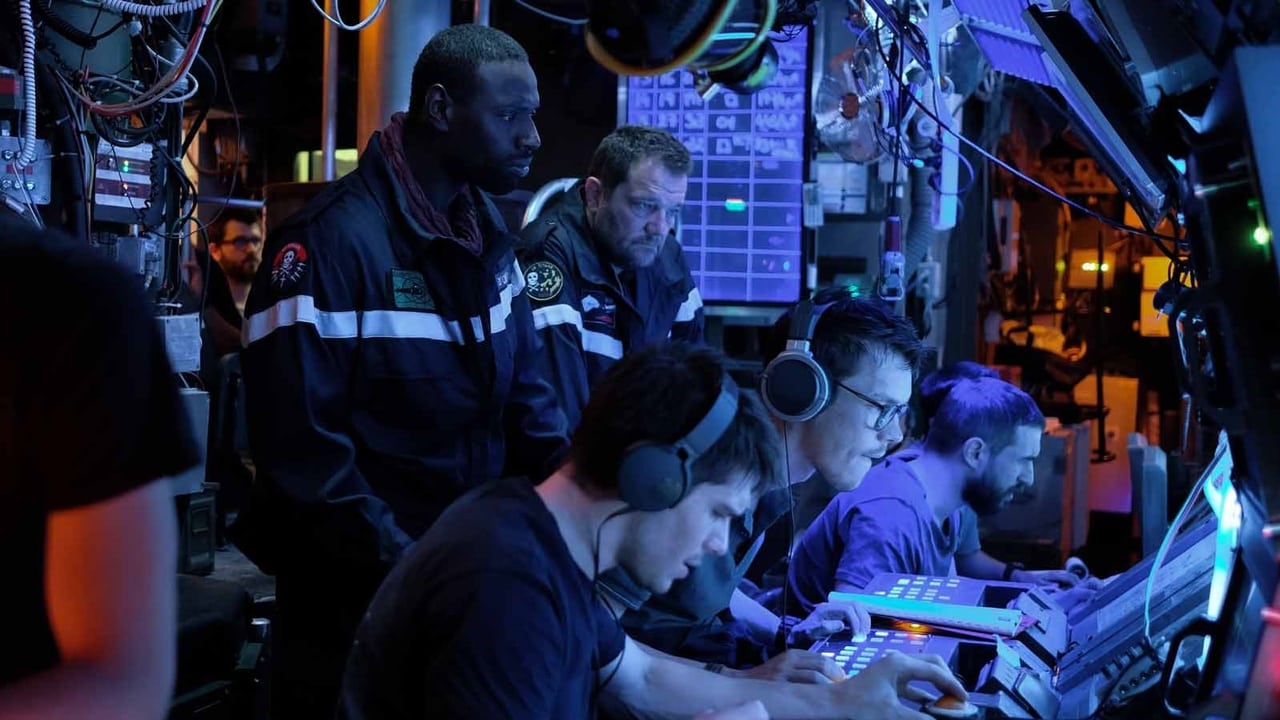
I watched The Wolf’s Call (2019) late on a Tuesday night with high-end, noise-canceling headphones, and about forty minutes in, the low-frequency hum of a passing refrigerator truck outside my window made me nearly leap out of my skin. In a film where a single misplaced "ping" represents the end of human civilization, you start looking at your own toaster with deep-seated suspicion. This isn't just a submarine movie; it’s an auditory assault that demands your absolute, undivided silence.
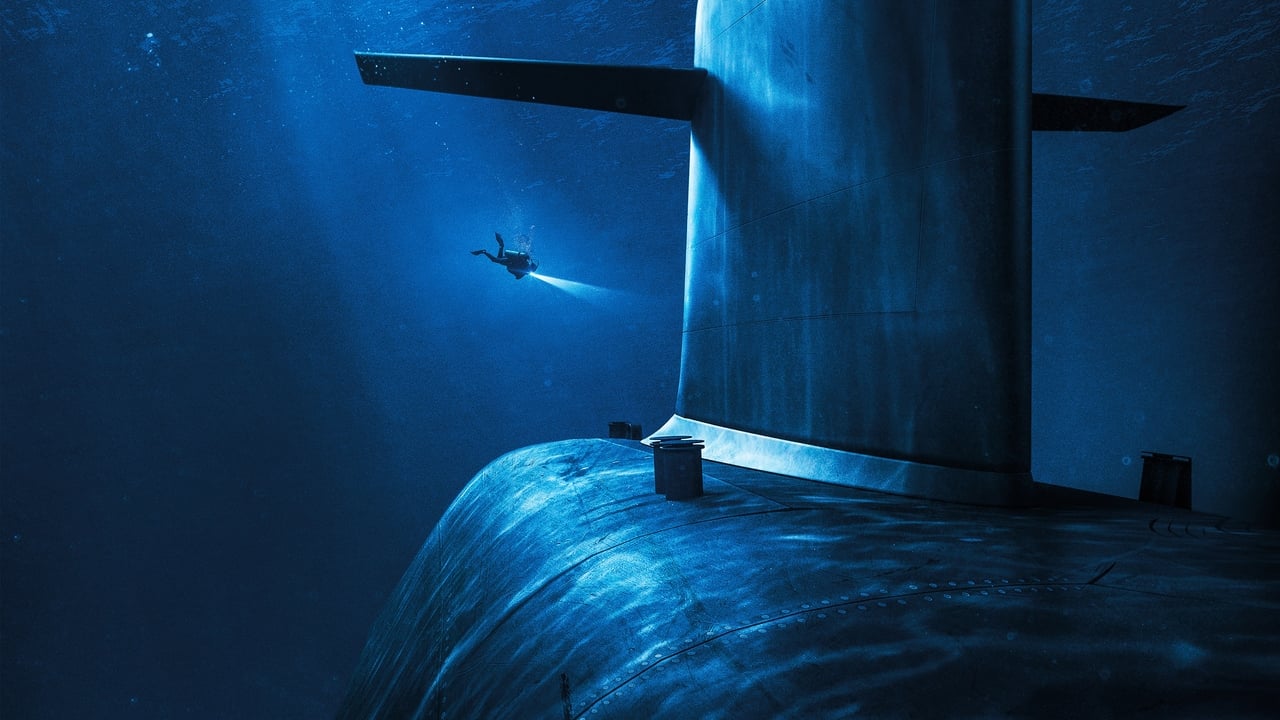
Directed by Antonin Baudry—a man who was once a high-ranking French diplomat—this film brings a terrifyingly plausible "insider" energy to the screen. In an era where contemporary action is often synonymous with weightless CGI entities punching each other through skyscrapers, The Wolf’s Call (or Le Chant du loup) pivots back to the grueling, claustrophobic physics of the techno-thriller. It feels like a spiritual successor to The Hunt for Red October (1990), but updated for a world where nuclear protocols are faster than human thought.
The Anatomy of an Acoustic Nightmare
The story centers on Chanteraide, played with a twitchy, hyper-focused brilliance by François Civil (whom you might recognize from the high-octane As Above, So Below). He is a "Golden Ear," a sonar analyst whose job is to identify every propeller, whale, and rogue wave in the abyss. His hearing is so precise it’s practically a superpower, but it’s also his curse. When he misidentifies a strange four-bladed drone—the "Wolf’s Call" of the title—he sets off a chain reaction that puts the French fleet on a collision course with a Russian nuclear threat.
What makes this film stand out in the current landscape of franchise-fatigued cinema is its commitment to tension through technicality. Baudry doesn't rely on shaky cams or frantic editing to create panic. Instead, he focuses on the sweat on François Civil’s brow and the agonizingly slow rotation of a sonar dial. The sound design by tomandandy is the true protagonist here. It treats the ocean not as a void, but as a dense, vibrating medium where sound is a physical threat. The French have officially out-clamped the Americans at their own submarine game, delivering a film that feels both hyper-modern and classically sturdy.
The Unthinkable Protocol

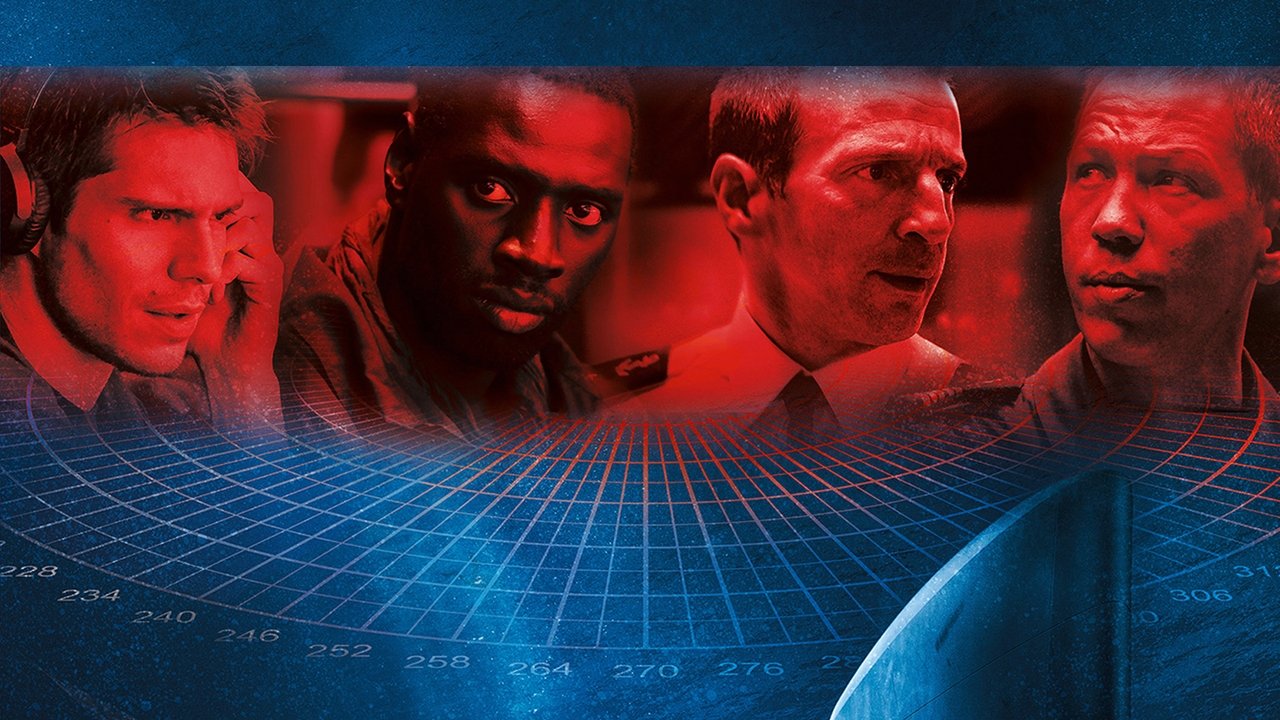
As the plot escalates, we see the legendary Omar Sy (of Lupin and The Intouchables fame) and Reda Kateb as submarine commanders caught in a "Dead Hand" scenario. The central hook is terrifying: once a French President confirms a nuclear strike order, it is legally and technically impossible to countermand. If you realize it’s a mistake five minutes later, it doesn't matter. You have to sink your own comrades to stop the launch.
This provides a level of moral gravity that most modern action flicks shy away from. There are no easy villains here, just men bound by a lethal set of rules designed in the Cold War. Mathieu Kassovitz (director of the seminal La Haine) turns in a cold, measured performance as the Admiral who has to weigh the lives of his crew against the survival of the species. It’s a grim, heavy-handed look at deterrence that feels uncomfortably relevant in our current geopolitical climate of "tactical" nuclear posturing.
The Physics of the Abyss
Apparently, Antonin Baudry’s diplomatic background opened doors that most filmmakers find bolted shut. The production was allowed unprecedented access to actual French naval vessels, including the SNA Casabianca and Le Terrible. This isn't a film made on a "Volume" LED stage; you can feel the cramped, oily reality of the submarine interiors. François Civil actually spent time training with the French Navy’s acoustic analysts to understand how they "see" through their ears, and it shows in every nuanced flinch he makes when a frequency shifts.
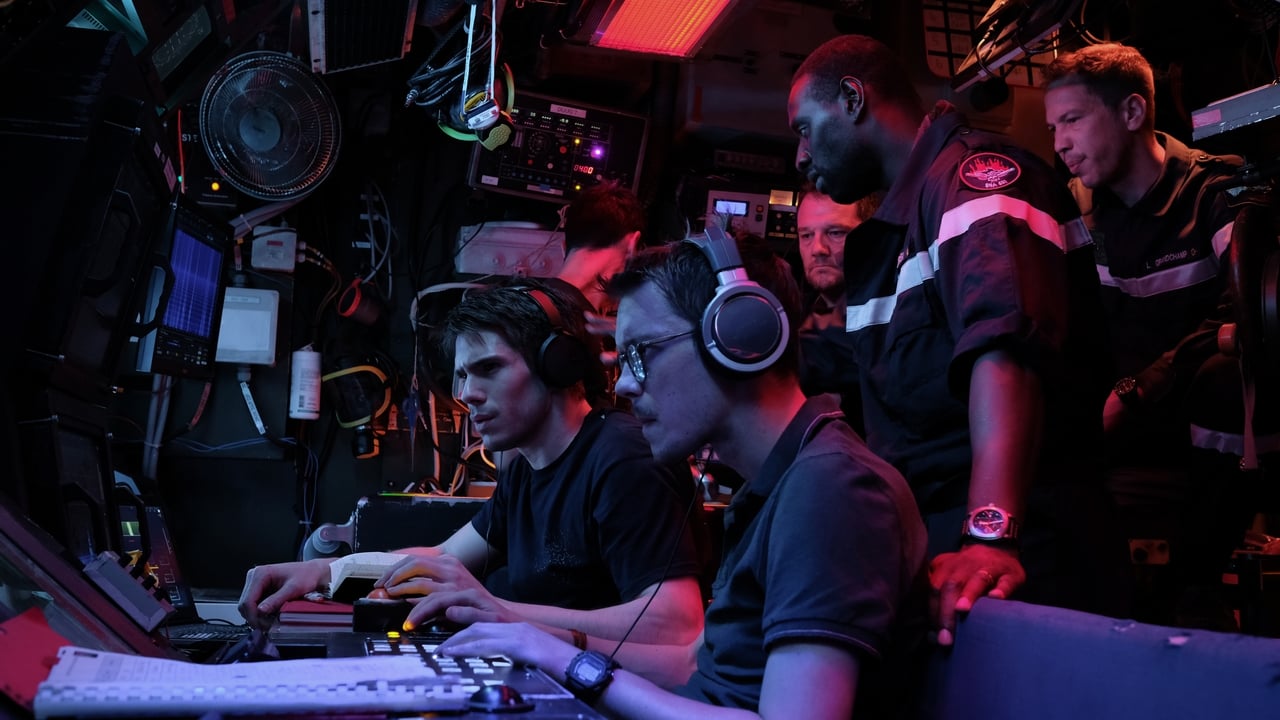
One of the coolest details I dug up is that the "Wolf's Call" sound itself wasn't just a synthesizer preset. The sound team spent weeks recording metallic groans and underwater distortions to find a noise that sounded organic yet completely alien. It’s a sound that stays with you—a haunting, rhythmic thrum that signals the arrival of something that shouldn't exist. It’s these touches that helped the film overcome its modest (by Hollywood standards) $22 million budget, making it look and sound twice as expensive as most Netflix originals.
While it occasionally leans into some "maverick hero" tropes—particularly a romantic subplot with Paula Beer that feels like it belongs in a different, softer movie—the sheer momentum of the final hour is undeniable. It’s a film that respects the audience's intelligence enough to explain the math of a torpedo strike without slowing down for a "science for dummies" lecture. If you want a thriller that prioritizes heartbeat-pacing over explosions, The Wolf's Call is the quietest loud movie you'll ever love. It’s a masterclass in how to use the "contemporary cinema" toolkit to build old-school, fingernail-shredding suspense.
Keep Exploring...
-

Train to Busan
2016
-
Greenland
2020
-

Mission: Impossible - Dead Reckoning Part One
2023
-

Along with the Gods: The Two Worlds
2017
-
Mission: Impossible - The Final Reckoning
2025
-
Hunter Killer
2018
-

Anna
2019
-
Peninsula
2020
-
Plane
2023
-

Batman vs. Robin
2015
-
Maze Runner: The Death Cure
2018
-
No Time to Die
2021
-
Sicario
2015
-
Patriots Day
2016
-

What Happened to Monday
2017
-
Nobody
2021
-

In the Heart of the Sea
2015
-
The King's Man
2021
-

The Stronghold
2021
-
13 Hours: The Secret Soldiers of Benghazi
2016