Tolkien
"Ink, blood, and the language of the lost."

I’ll be honest: I watched this movie on a rainy Tuesday afternoon while eating a slightly stale bagel, and the carb-heavy sadness of my snack weirdly matched the Edwardian melancholy radiating from the screen. It’s a strange thing, watching a film about the man who birthed modern fantasy while realizing the film itself is terrified of being "too fantasy."
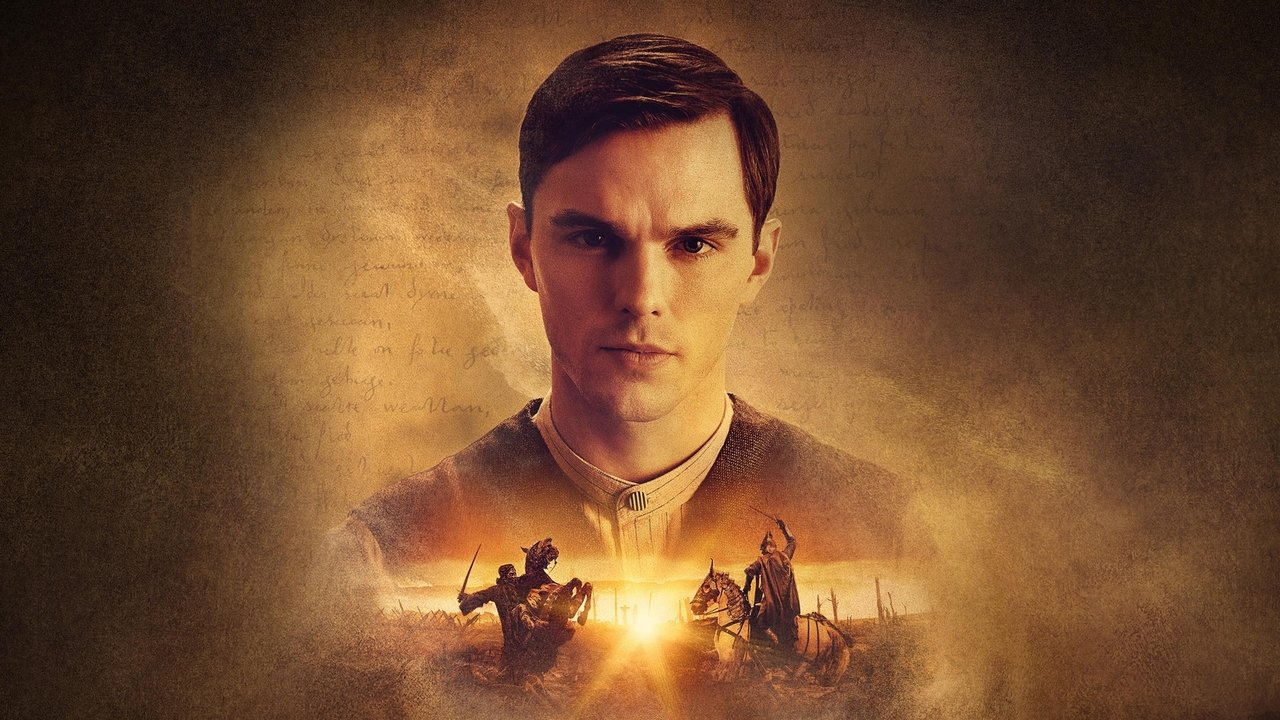
Released in 2019, Tolkien arrived at a weird crossroads for cinema. We were at the absolute zenith of franchise dominance—Avengers: Endgame was sucking the air out of every theater—and yet here was a quiet, handsome, somewhat traditional biopic about a philologist. It’s the kind of movie that feels like it was designed for a 1990s Oscar race, but in the late 2010s, it felt more like a "hidden gem" that people forgot to actually hide. It just sort of... happened.
Words as Magic, Not Just Spells
The film focuses on the formative years of J.R.R. Tolkien, played with a wide-eyed, linguistic hunger by Nicholas Hoult. If you’ve seen him in The Favourite or The Great, you know he’s the king of playing men who are far too smart for their own sanity. Here, he’s more restrained. He captures that specific brand of academic obsession where a person doesn't just look at a tree; they look at the history of the word "tree" until it starts to hum.
The early scenes with Harry Gilby as the young "Ronald" (as his friends call him) are genuinely touching. We see the origin of his "Fellowship"—the Tea Club and Barrovian Society (T.C.B.S.). These are four boys who believe that art can change the world, and their chemistry is the heartbeat of the film. It’s a reminder of a time when "representation" in cinema started moving toward showing male vulnerability and platonic love as something deeply noble rather than just a side-effect of a plot.
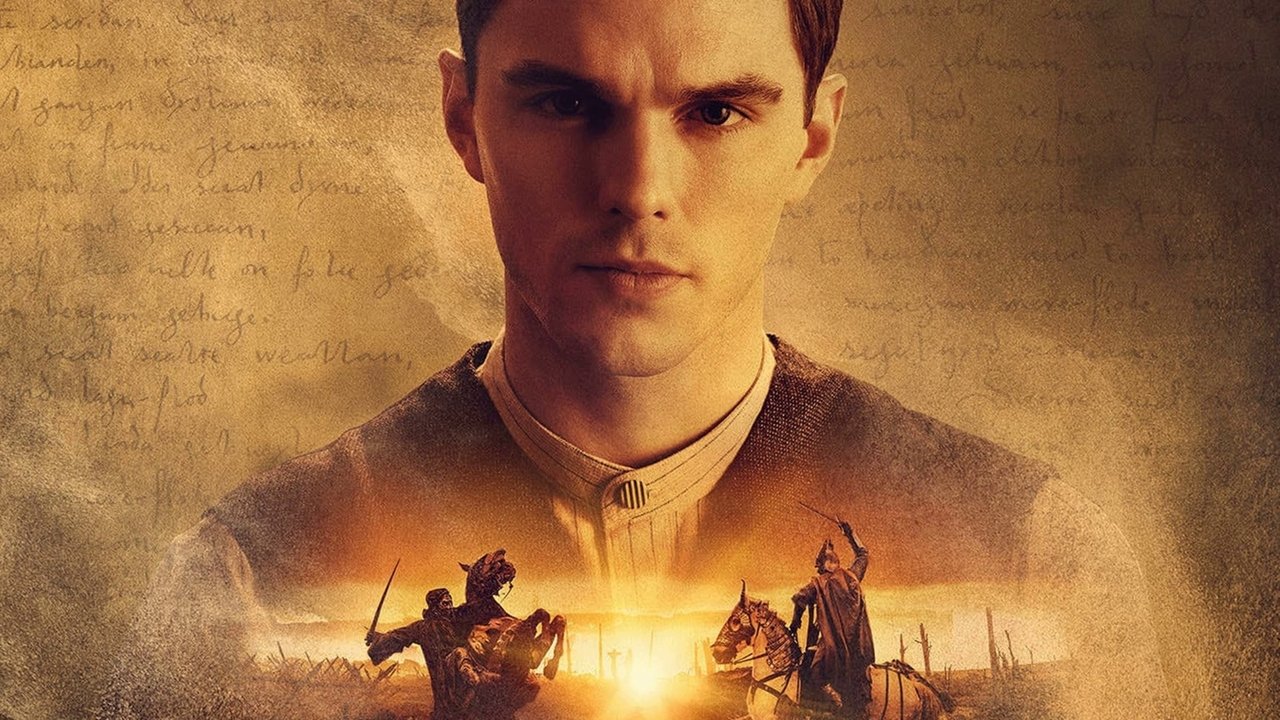
However, the film’s biggest hurdle is that it’s a biopic of a writer. How do you show someone writing? Director Dome Karukoski opts for visual metaphors. We see Tolkien in the trenches of the Somme, hallucinating knights on horseback through the literal fog of war and mustard gas. The movie treats the invention of Elvish like it’s a high-stakes bomb-defusing scene. At times, it’s a bit much. I don't need to see a literal shadow of a dragon in the smoke to understand that war is hellish; I think the guy who wrote The Silmarillion was probably capable of a bit more nuance than a 1:1 visual translation.
The Shadow of the Estate

If you’re wondering why this movie didn't launch a "Tolkien Cinematic Universe," look no further than the real-world drama behind the scenes. Just before the film was released, the Tolkien Estate issued a remarkably blunt statement: "They do not wish to approve, authorize or participate in the making of, or any content in, the film."
Ouch. That’s the academic equivalent of a "Middle-earth" restraining order.
Because of this lack of cooperation, the film has to dance around the actual Lord of the Rings IP. It can’t quote the books directly in the way a fan might want. This forces the screenplay by David Gleeson and Stephen Beresford to focus on the man rather than the brand. In an era of franchise fatigue, I actually found this refreshing. It’s a drama about a guy who loves words and a girl—the luminous Lily Collins as Edith Bratt—who dances in the woods and challenges him to be better. Lily Collins has this incredible ability to look like she’s stepped out of a Pre-Raphaelite painting, and her chemistry with Hoult is the only thing that saves the movie from becoming a dry history lecture.
A Fellowship Lost in the Shuffle
Why did this movie bomb? It cost about $20 million and barely clawed back $8 million. In the age of streaming dominance, Tolkien is the exact kind of "mid-budget drama" that has been pushed off the big screen and onto Netflix or HBO Max. It lacked the "event" feel that contemporary audiences demand for a theater outing.
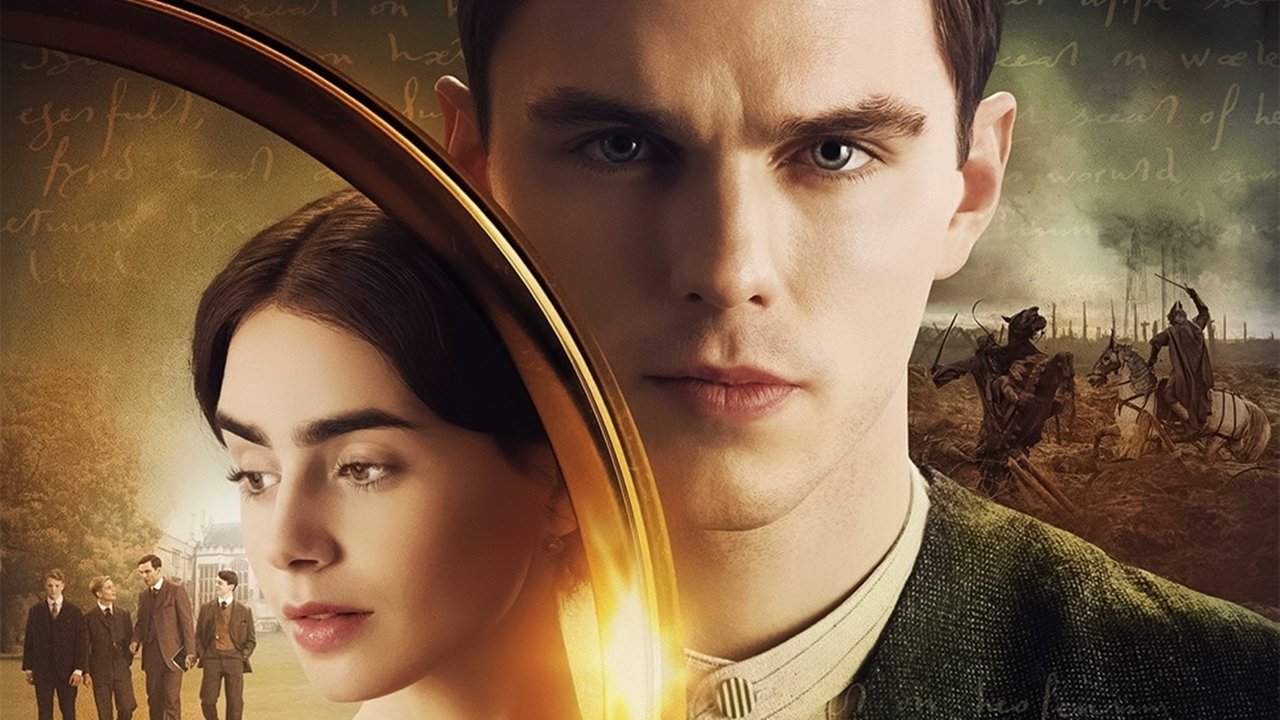
There’s also the "biopic fatigue" factor. We’ve seen the "struggling genius" trope a thousand times. But I’d argue that Tolkien is better than the box office suggests. It captures the specific tragedy of the "Lost Generation"—those brilliant young men who went to war thinking it was a grand adventure and came back (if they came back at all) shattered. The scenes involving Colm Meaney as Father Francis Morgan and Derek Jacobi as Professor Wright provide a sturdy, veteran backbone to the younger cast’s energy.
The film's cinematography by Lasse Frank Johannessen is lush, moving from the soot-stained industrial grit of Birmingham to the terrifying, muddy voids of the battlefield. It’s a beautiful film to look at, even when the script feels like it’s checking off boxes on a "How to Write a Biopic" checklist.
Tolkien is a lovely, if slightly conventional, portrait of a man whose mind was far more interesting than the tropes used to describe it. It’s a film about the power of friendship and the way we use stories to process trauma. It doesn't reinvent the wheel—or the Ring—but it honors the spirit of the T.C.B.S. quite well. If you’ve ever felt like a bit of an outsider because you’d rather study Etymology than football, this one is for you. It’s a quiet Sunday afternoon watch that reminds us that before there were blockbusters, there were just people sitting in rooms, trying to find the right word for "home."

Keep Exploring...
-
Equals
2015
-
Suite Française
2015
-
After Everything
2023
-
Far from the Madding Crowd
2015
-
Loving
2016
-
The Choice
2016
-
The Light Between Oceans
2016
-
Whiskey Tango Foxtrot
2016
-
Home Again
2017
-
Professor Marston and the Wonder Women
2017
-
The Discovery
2017
-
The Zookeeper's Wife
2017
-
Wonder Wheel
2017
-
Disobedience
2018
-
The Aeronauts
2019
-
Da 5 Bloods
2020
-

I Still Believe
2020
-
The Outpost
2020
-
Bones and All
2022
-
Beautiful Disaster
2023