Toy Story 4
"Lost toys, found purpose, and a very stressed spork."
I remember sitting in the theater back in 2019, clutching a tub of popcorn that cost more than my first car’s insurance, feeling a profound sense of skepticism. We didn’t need this movie. Toy Story 3 had already ripped our hearts out, stomped on them, and then neatly tucked them into a college-bound cardboard box. It was the perfect ending. Or so I thought until I watched a sentient piece of trash have a full-blown existential crisis in the back of a luxury RV.
I went to the screening with my cousin, who insisted on bringing a bag of kale chips into the theater. The rhythmic, dry crunching of dehydrated greens is the absolute worst soundtrack for a movie about childhood wonder, but even that couldn't distract me from how quickly this film won me over. Toy Story 4 isn't just a "legacy sequel" designed to sell more plushies; it’s a surprisingly deep adventure about what happens when your primary job—the thing that defines your entire soul—comes to an end.
Existentialism with a Side of Spork
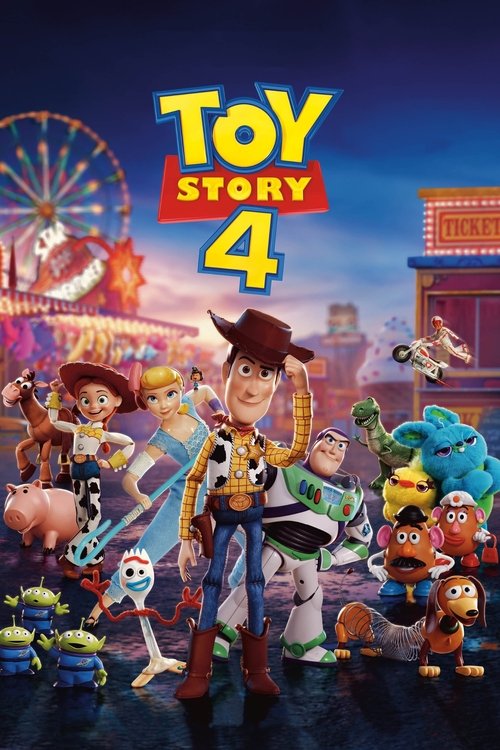
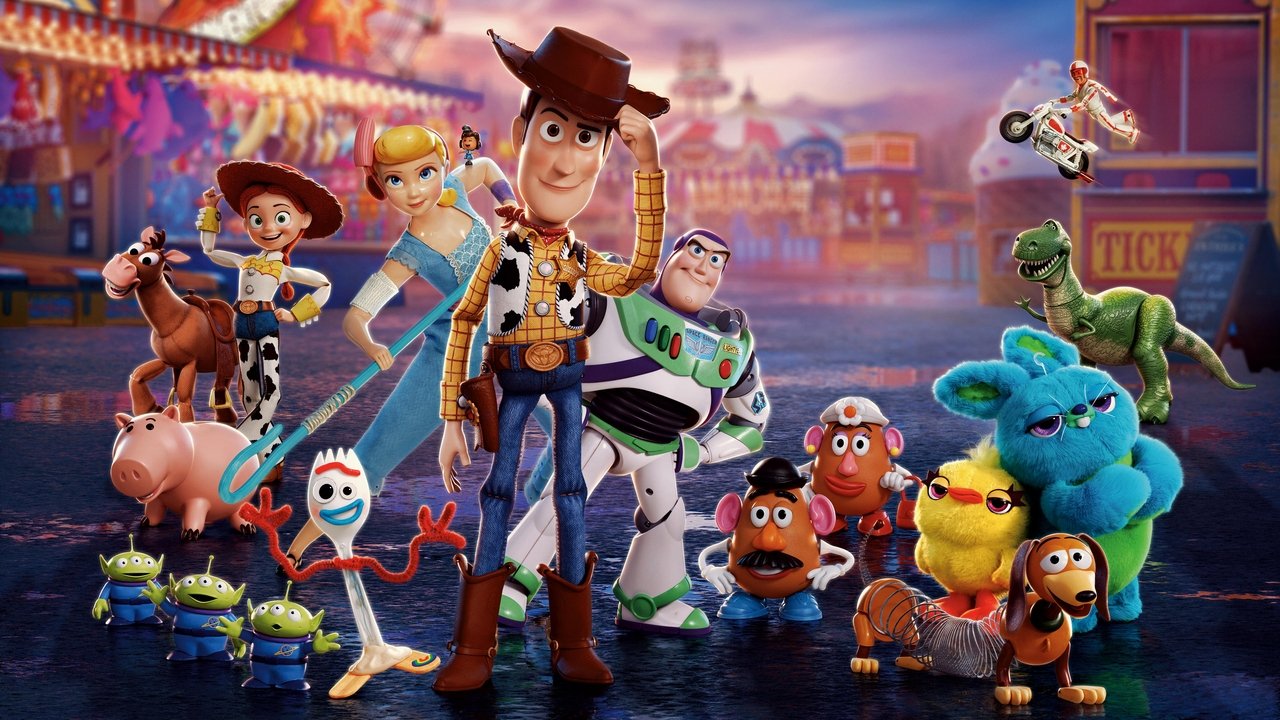
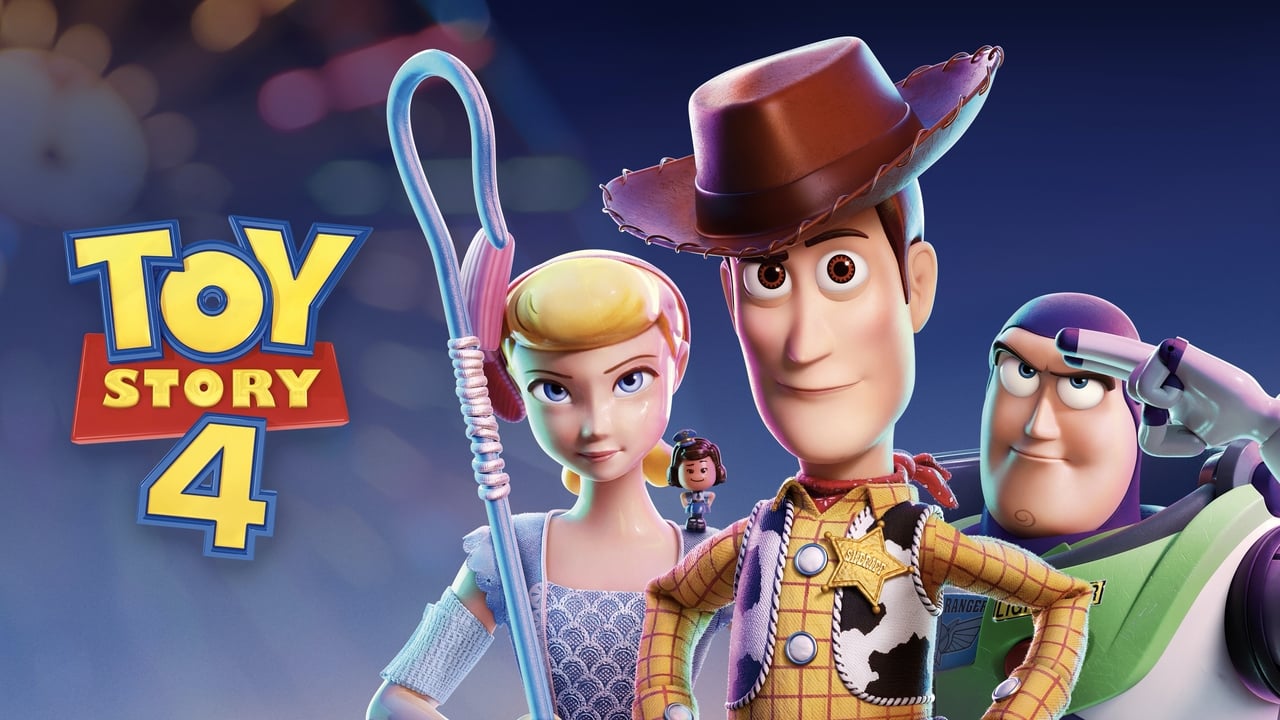
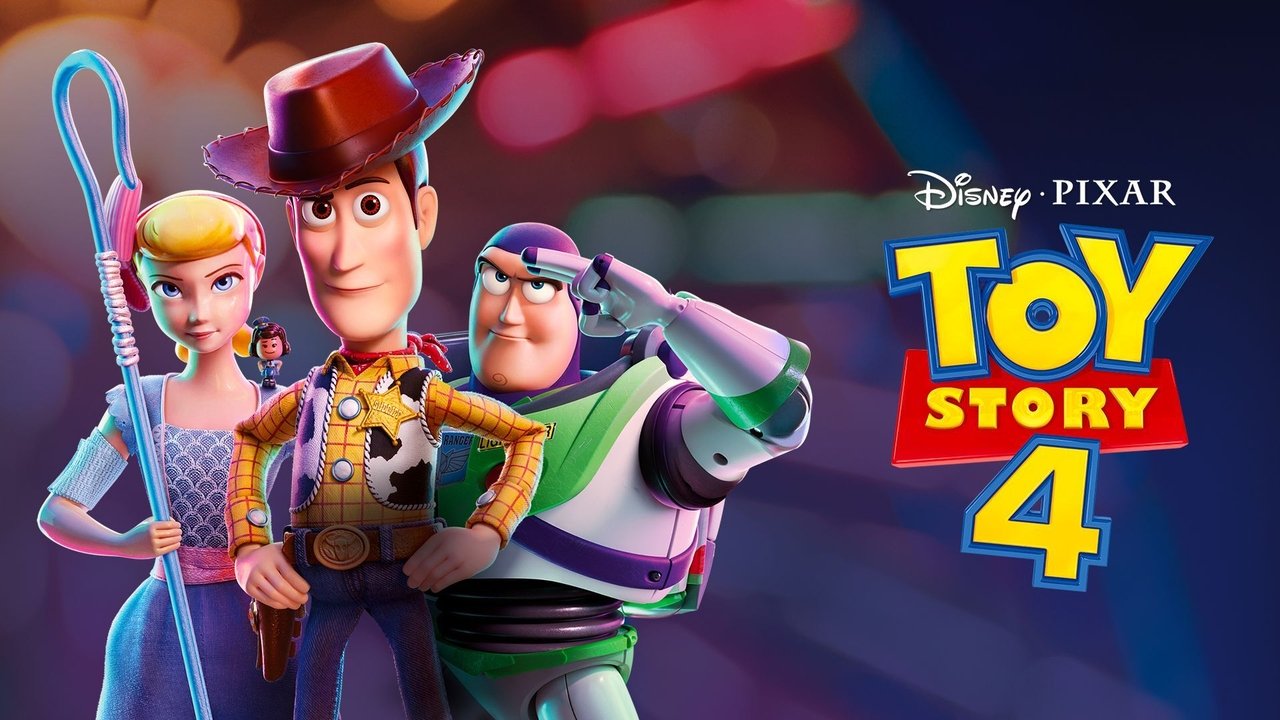
The story picks up with Woody, voiced with that familiar, weary warmth by Tom Hanks, finding himself at a bit of a loose end. He’s no longer the favorite; he’s a "closet toy," gathering dust bunnies while Bonnie plays school with a group of toys that doesn't include him. Enter Forky. Tony Hale voices this craft-project-gone-wrong with a frantic, twitchy energy that I found deeply relatable. Forky doesn't want to be a toy; he wants to be a spoon, or rather, he wants to fulfill his destiny as disposable cutlery in a trash can.
Watching Woody try to convince a spork that he has "value" is hilarious, but it’s also the film's secret weapon. It forces Woody to articulate why being a toy matters, even as he’s beginning to realize he might be done with it himself. It’s an adventure that feels much more intimate than the "escape from the daycare" stakes of the previous film. This is a road trip, and like all the best road trips, it’s mostly about the internal baggage the characters brought with them.
Bo Peep and the Antique Shop of Horrors
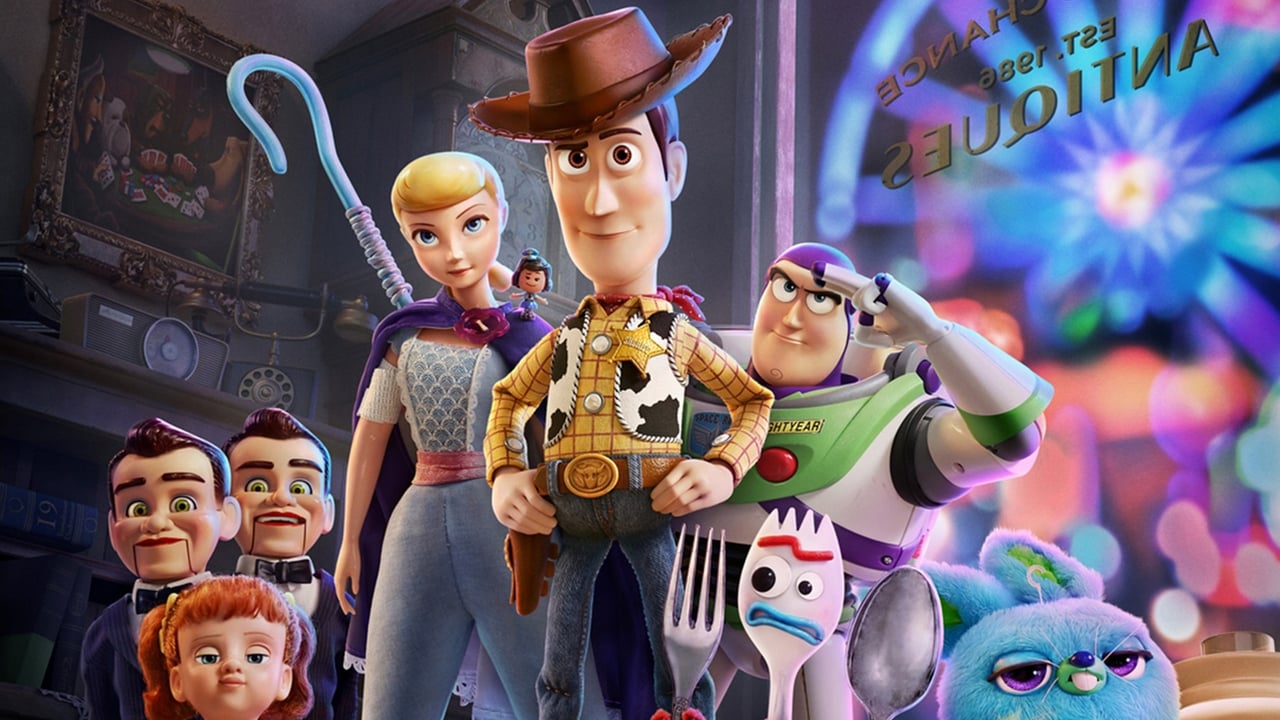
The highlight of this journey is the return of Bo Peep. Annie Potts brings a fantastic, hardened edge to a character who was previously just "the lamp girl." She’s been living as a "Lost Toy" for years, and honestly? She’s thriving. Her reunion with Woody happens in a massive antique mall that serves as the film’s primary playground. This setting allowed the Pixar wizards to flex their rendering muscles—the way the light hits the dust motes and the chipped porcelain is frankly ridiculous. I recall reading that they used new rendering technology just to get the "cobwebs" to look authentic, and it shows.
The antique shop also introduces Gabby Gabby (Christina Hendricks) and her squad of silent ventriloquist dummies. I’ll be honest: those dummies are more nightmare-inducing than anything in a standard R-rated slasher flick. Their jerky, silent movements provide a wonderful tonal contrast to the high-energy comedy of the new additions, Ducky and Bunny. Keegan-Michael Key and Jordan Peele are essentially doing a stand-up routine in fluff form, and their "Plush Rush" fantasy sequences are some of the funniest bits Pixar has ever produced.
A Billion-Dollar Bow Out
From a production standpoint, Toy Story 4 arrived at the absolute peak of Disney’s 2019 box office domination. It cleared the $1 billion mark easily, but it did so during a year where "franchise fatigue" was the buzzword of every film blog. What makes it stand out in that crowded landscape is the craftsmanship behind the scenes. Josh Cooley stepped into the director’s chair for his first feature-length film, and he managed to maintain that Stanton-and-Docter DNA while making the visuals feel contemporary and sharp.
One of the most touching bits of trivia I found out later was that Don Rickles, the voice of Mr. Potato Head, passed away before he could record his lines. The crew spent countless hours mining through decades of archival audio from previous films, shorts, and theme park recordings to piece together his performance. It’s a seamless tribute that most viewers wouldn't even notice, which is the ultimate compliment to the sound department. We also got Duke Caboom, voiced by Keanu Reeves during the height of the "Keanussance." Reeves reportedly got so into the character during a lunch meeting at Pixar that he started jumping on a table to strike poses, which is exactly the kind of energy the film radiates.
The film is a visual marvel that manages to justify its existence by shifting the focus from the kid to the toy. While Tim Allen’s Buzz Lightyear feels a little sidelined here—essentially reduced to a gag about his "inner voice"—the emotional payoff for Woody is earned. It captures that 2010s-era anxiety about purpose and identity while remaining a breezy, funny adventure for people who just want to see a Canadian stuntman toy fail a jump spectacularly.
It’s rare that a fourth entry in a franchise feels this vital. It’s a reminder that even when we think a story is over, there’s usually a bit more trash-can-philosophy left to explore. If you’ve been avoiding it because you didn't want to mess with the "perfect" ending of the third movie, give it a shot. Just maybe skip the kale chips.
Keep Exploring...
-
Toy Story
1995
-

Toy Story 2
1999
-
Toy Story 3
2010
-
Finding Dory
2016
-
Migration
2023
-
The Super Mario Bros. Movie
2023
-
Inside Out 2
2024
-
Kung Fu Panda 3
2016
-
Moana
2016
-
Storks
2016
-
Zootopia
2016
-
Ralph Breaks the Internet
2018
-
Frozen II
2019
-
The Secret Life of Pets 2
2019
-
The Croods: A New Age
2020
-

Minions: The Rise of Gru
2022
-
Puss in Boots: The Last Wish
2022
-
The Bad Guys
2022
-
Kung Fu Panda 4
2024
-
Moana 2
2024