Us
"We are our own worst enemy."
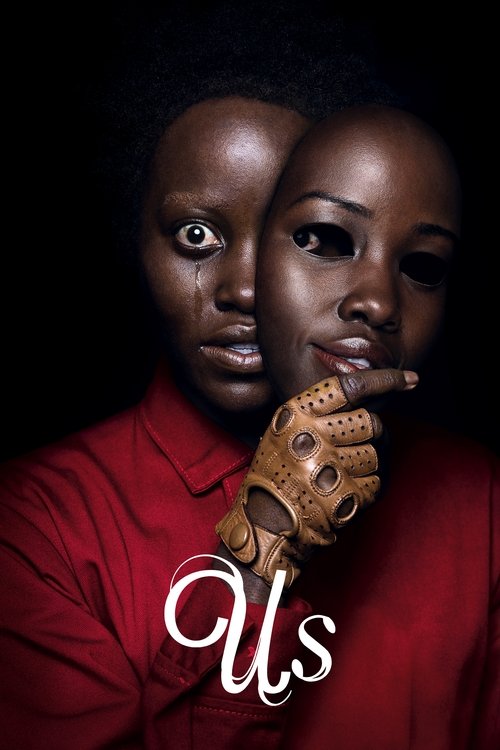
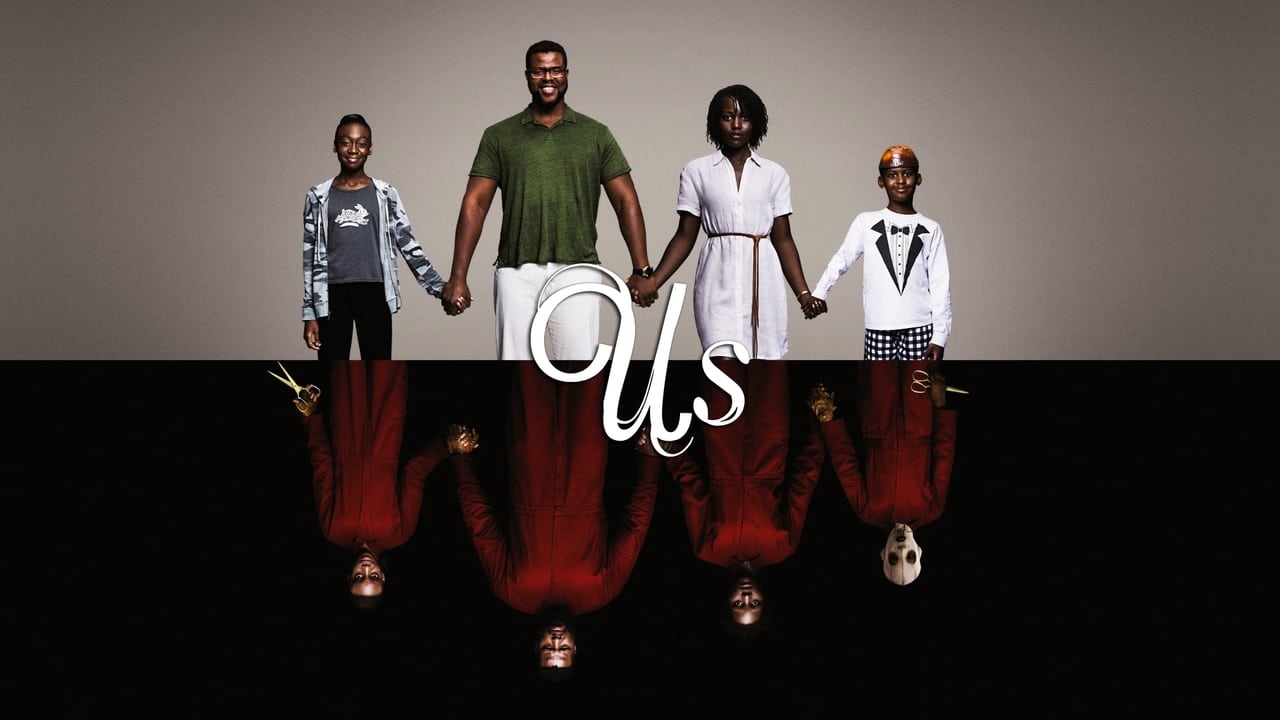
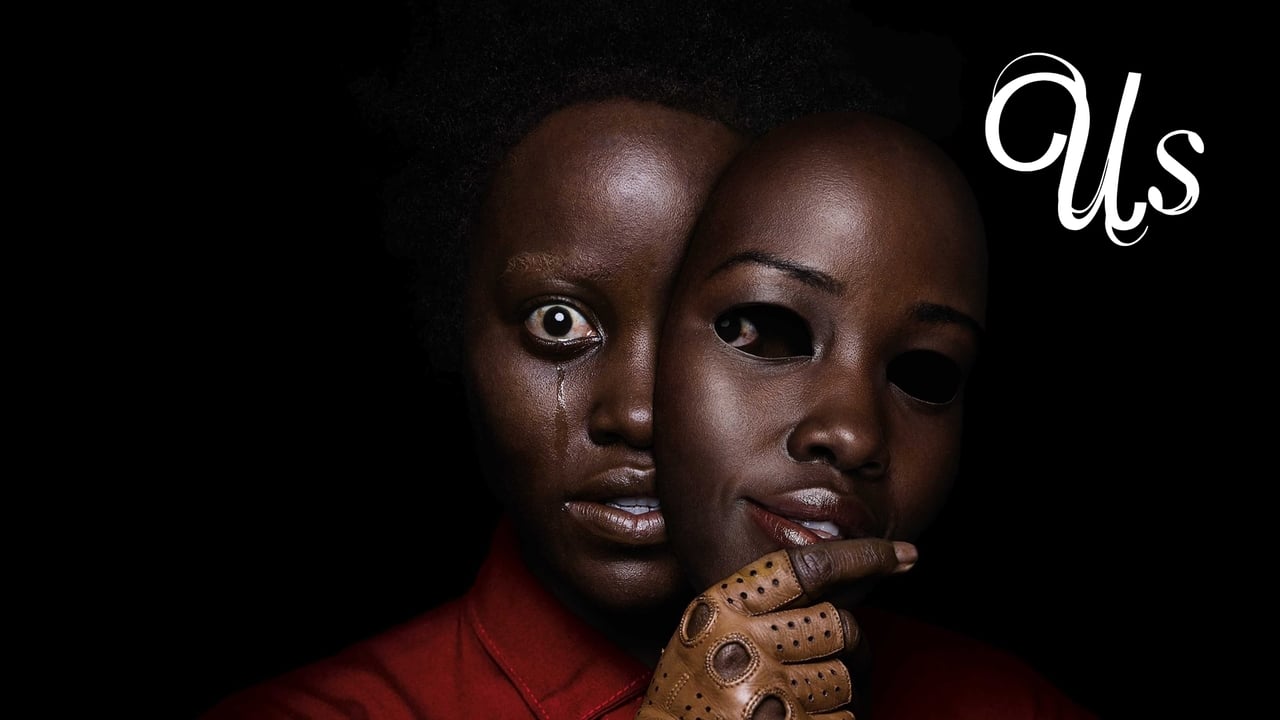
The sight of a pair of gold-plated scissors shouldn't be enough to make a person break into a cold sweat, but after 2019, those office supplies took on a whole new meaning. I remember the specific dread I felt watching the opening credits—a slow pull-back from a wall of caged rabbits—while I watched this on a flight where the toddler in the seat behind me kept kicking my chair in a perfect, rhythmic tempo that felt like an unreleased track from the score. That rhythmic thumping actually added to the unease. Jordan Peele didn't just want to scare us; he wanted to make us look into a mirror until the reflection started looking back with a different agenda.
Following the massive success of Get Out, the pressure on Peele to deliver a "sophomore masterpiece" was immense. In our current era of franchise dominance and "legacy sequels," seeing an original, high-concept horror film command the cultural conversation felt like a victory for cinema. Us isn't just a home invasion movie; it’s a sprawling, ambitious, and deeply weird dive into the American psyche, wrapped in a red jumpsuit and smelling of raw rabbit.
Mirror Images and Golden Scissors
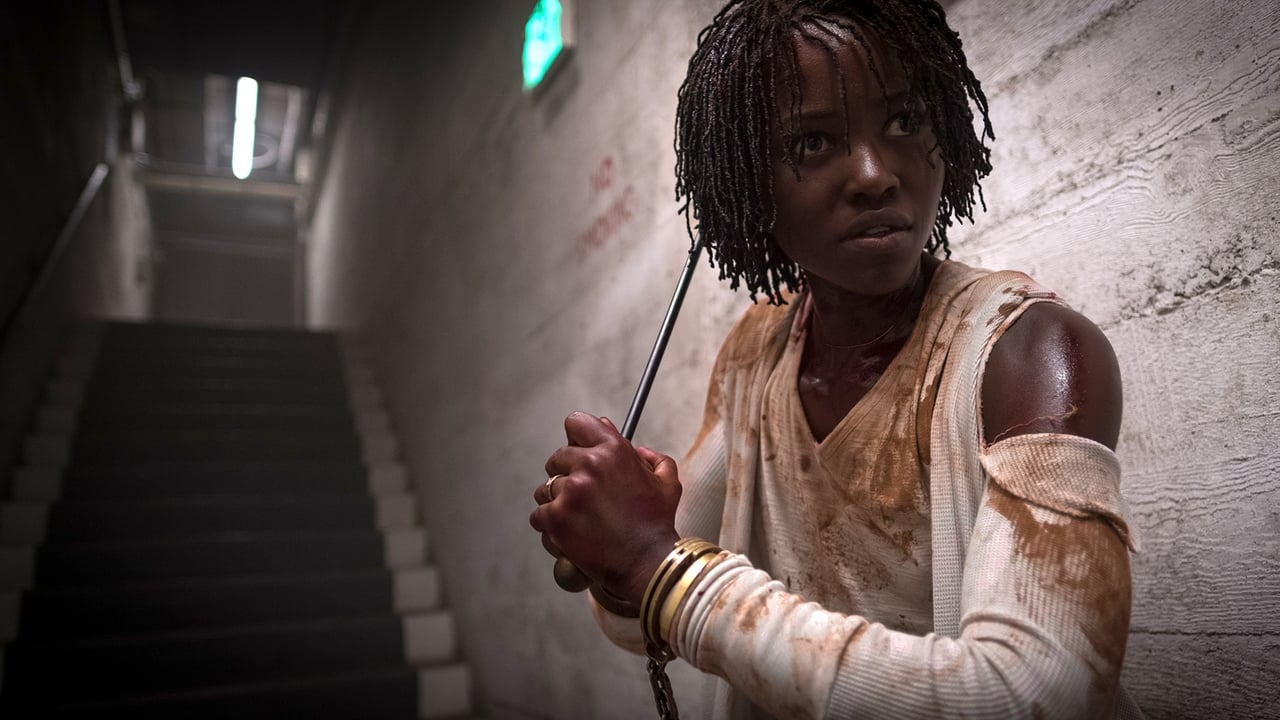
The story follows Adelaide Wilson, played with haunting precision by Lupita Nyong'o, as she returns to her childhood vacation spot in Santa Cruz. She’s on edge from the jump, haunted by a 1986 trauma involving a boardwalk funhouse and a girl who looked exactly like her. Her husband, Gabe (Winston Duke), is the quintessential "dad"—all bad jokes and Howard University sweatshirts—who thinks a boat with a temperamental engine will solve the family’s tension.
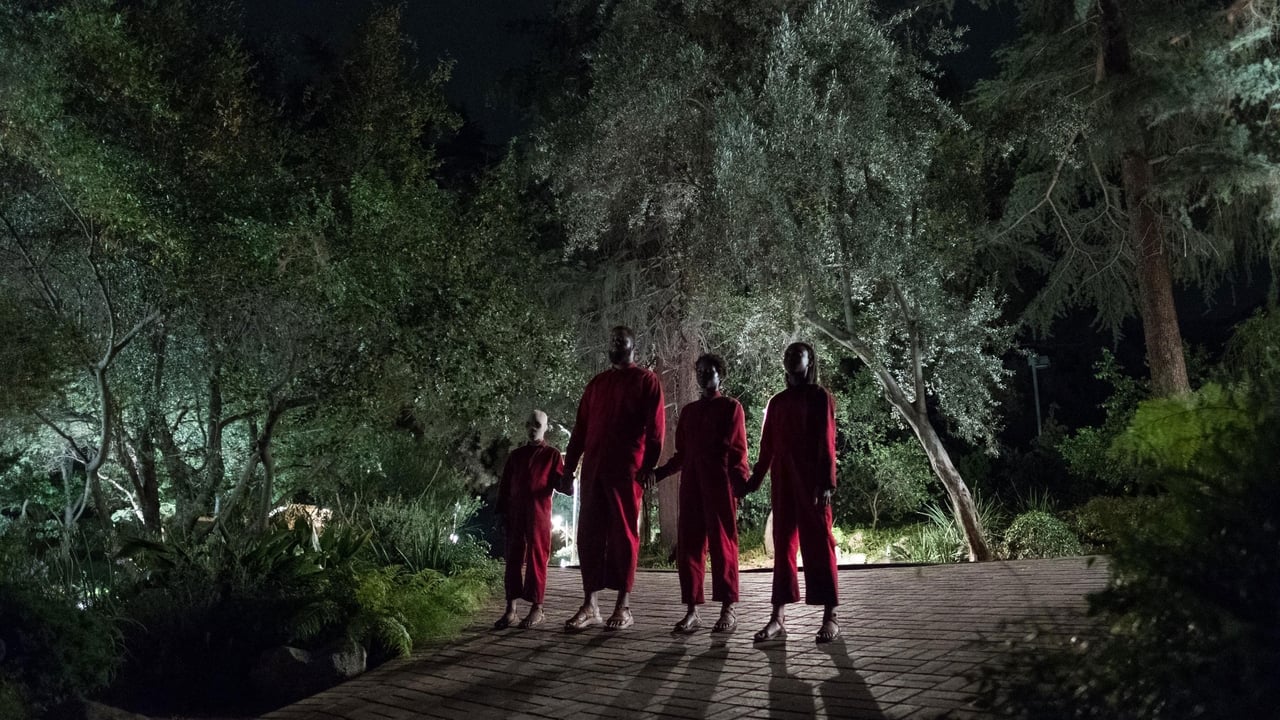
When a family of four appears in their driveway at night, standing perfectly still and holding hands, the movie shifts from a tense family drama into a nightmare of double-takes. These aren't just strangers; they are "The Tethered," exact physical doubles of the Wilsons who have spent their lives in underground tunnels, miming the actions of those above in a miserable, soul-crushing pantomime.
The sheer atmosphere Peele builds here is suffocating. Working with cinematographer Mike Gioulakis (who lensed the equally creepy It Follows), the film uses shadows not just to hide monsters, but to suggest that the monsters were always there, just out of our peripheral vision. The score by Michael Abels is the secret weapon, particularly the "Pas de Deux" arrangement of Luniz’s "I Got 5 On It." It transforms a 90s hip-hop anthem into a terrifying, orchestral dirge that I still can’t listen to without looking over my shoulder.
A Masterful Duality of Performance
You cannot talk about Us without talking about the heavy lifting done by the cast, who all pull double duty. Winston Duke provides much-needed levity as Gabe, but his Tethered counterpart, Abraham, is a silent, hulking brute of pure instinct. Elisabeth Moss and Tim Heidecker show up as the Wilsons' affluent friends, and Moss, in particular, delivers a terrifyingly deranged performance as her double, Dahlia, that involves a makeup application scene I will never forget.
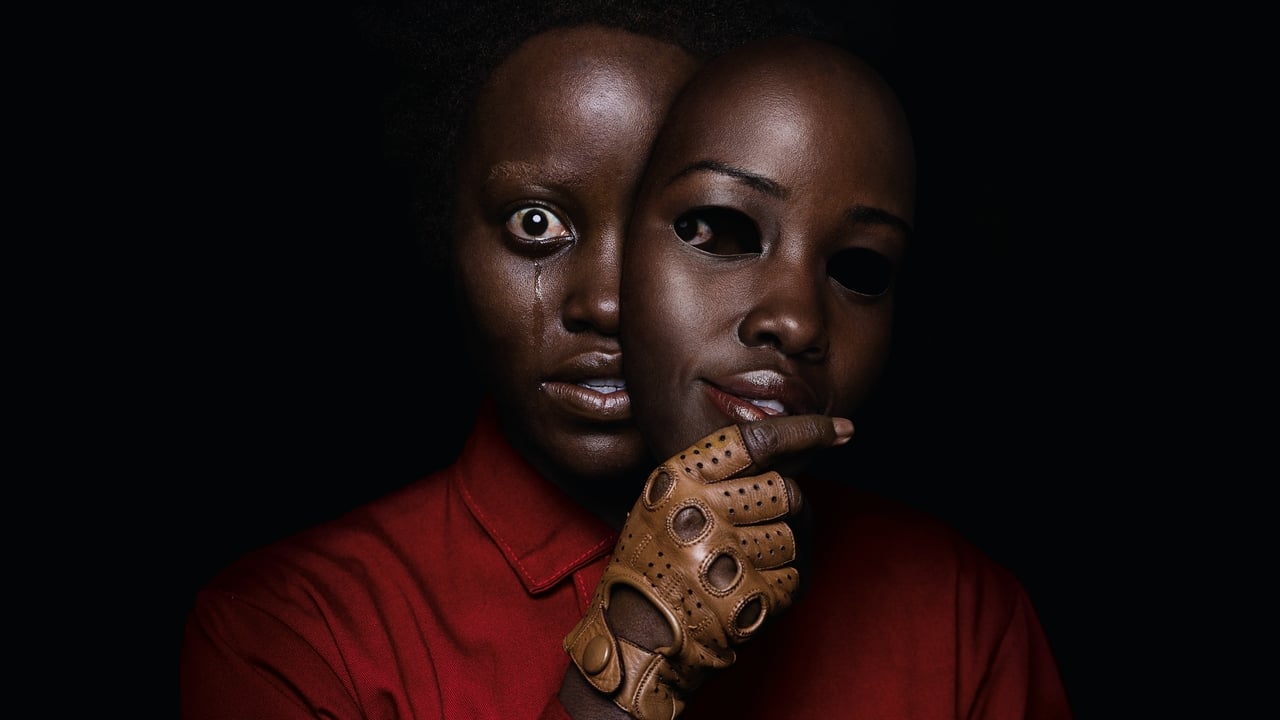
But this is Lupita Nyong'o’s movie. Her performance as both Adelaide and Red is nothing short of an athletic feat. Lupita Nyong’o based Red’s raspy, clicking voice on Spasmodic Dysphonia, a condition caused by neurological trauma, and the result is a vocal choice that feels like it’s scraping against the inside of your skull. Watching the two versions of her interact is a feat of modern editing and performance; you never for a second feel like you’re watching a split-screen effect. You feel like you're watching two souls fighting for the right to exist in the sun. The Tethered’s rabbit-heavy diet is the real nightmare—imagine the smell in those tunnels.
The Tethered Legacy
In the context of contemporary cinema, Us arrived at a moment where social media discourse demanded every film be a "metaphor" for something specific. While the film engages with class, American identity, and the "Hands Across America" movement of the 80s, I find it works best when you let it be a visceral, weird horror experience. It doesn't always provide easy answers—the logic of the tunnels is dream-like rather than scientific—but that’s what makes it linger.
The film's impact on the box office proved that audiences were starving for original ideas. The film’s budget was a lean $20 million, making its $256 million worldwide haul a massive win for original R-rated cinema. In an era where $200 million Marvel movies were the only "sure thing," Peele proved that a smart script and a terrifying trailer could still move the needle. In fact, Us opened to a staggering $71 million, setting the record for the biggest opening for an original horror film.
Behind the scenes, Peele was meticulous about the film’s DNA. Peele gave the cast ten horror films to watch for "shared language," including The Shining, The Birds, and It Follows. You can see those influences, but Us feels entirely its own thing. It’s a film that demands a second viewing, not just to catch the Easter eggs (like the VHS tapes of C.H.U.D. and The Goonies in the opening frame), but to re-evaluate every single movement Adelaide makes once you know where the story is headed.
Us is a bold, messy, and deeply frightening exploration of the shadows we try to leave behind. While the third-act exposition can feel a little heavy-handed compared to the lean perfection of Get Out, the imagery is so indelible that it hardly matters. It’s the kind of film that makes you want to discuss it for hours over drinks, arguing about the ending and what you would do if your own double showed up with a pair of shears. Jordan Peele cemented his status here as a modern master of the genre, proving that the scariest things aren't ghosts or aliens—they’re just us.
Keep Exploring...
-
Get Out
2017
-
Nope
2022
-
Escape Room
2019
-
The Conjuring: The Devil Made Me Do It
2021
-
Scream
2022
-
Smile
2022
-
Saw X
2023
-
Longlegs
2024
-

Smile 2
2024
-
Happy Death Day
2017
-
The House with a Clock in Its Walls
2018
-
Scary Stories to Tell in the Dark
2019
-
A Quiet Place: Day One
2024
-

Weapons
2025
-
The Boy
2016
-
A Cure for Wellness
2017
-

Jigsaw
2017
-
Hereditary
2018
-
Suspiria
2018
-
Midsommar
2019