365 Days
"One year, one captor, and zero logic."
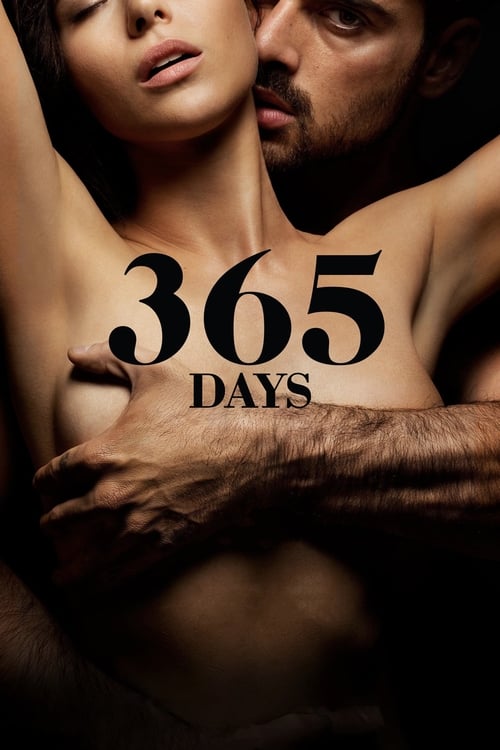
The world was a very strange place in the spring of 2020. We were all trapped in our houses, washing our groceries with bleach, and losing our collective minds. Perhaps that’s the only way to explain why 365 Days (or 365 Dni) didn't just land on Netflix; it detonated. For a few weeks, you couldn't scroll through social media without seeing a clip of a brooding Italian man growling, "Are you lost, baby girl?" It was the cinematic equivalent of a high-fever hallucination—slick, expensive-looking, and fundamentally nonsensical.
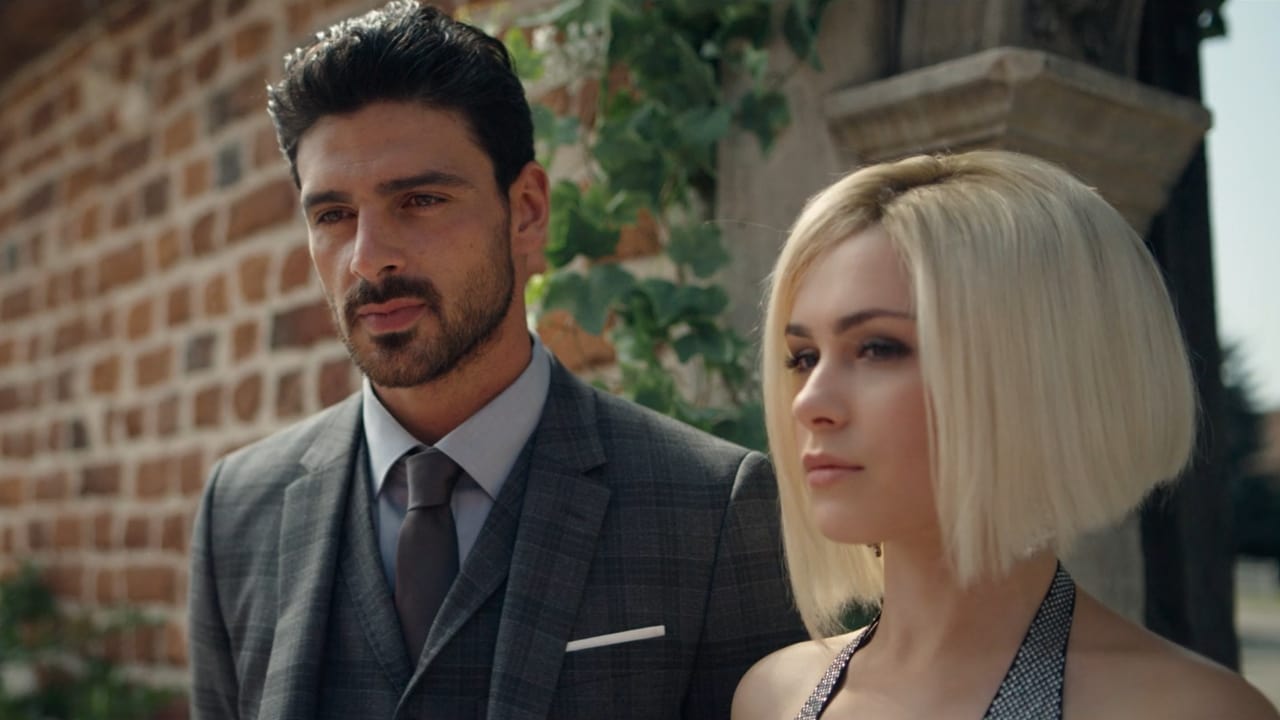
I watched this for the first time on a Tuesday afternoon while eating a bowl of cereal that had gone slightly soggy because I got distracted by a particularly egregious jump cut. That’s the 365 Days experience in a nutshell: you start out confused, stay for the absurdity, and leave wondering if the screenplay was actually just a collection of captions from a "Mafia Romance" Pinterest board.
The Algorithmic Fever Dream
In the landscape of contemporary cinema, 365 Days represents the peak of "algorithmic" filmmaking. Released during the height of the streaming boom, it bypassed traditional critical gatekeepers to become a global sensation through sheer word-of-mouth (and TikTok thirst traps). It doesn't care about the #MeToo-era conversations regarding consent or the nuanced representation we see in modern dramas like Normal People. Instead, it doubles down on a premise that feels like a 19th-century bodice-ripper updated for the Instagram age.
The plot is aggressively simple: Massimo Torricelli, played by Michele Morrone, is a Sicilian mafia boss who spots Laura Biel (Anna-Maria Sieklucka) on a beach and decides he must have her. Naturally, instead of asking for her number, he kidnaps her and gives her exactly one year to fall in love with him. The script treats kidnapping like a particularly aggressive first date, and the internal logic of the film is about as sturdy as a wet paper towel. Massimo is "damaged," Laura is "feisty," and the Italian scenery is "expensive." That’s the extent of the character development.
A Masterclass in Stylized Silliness

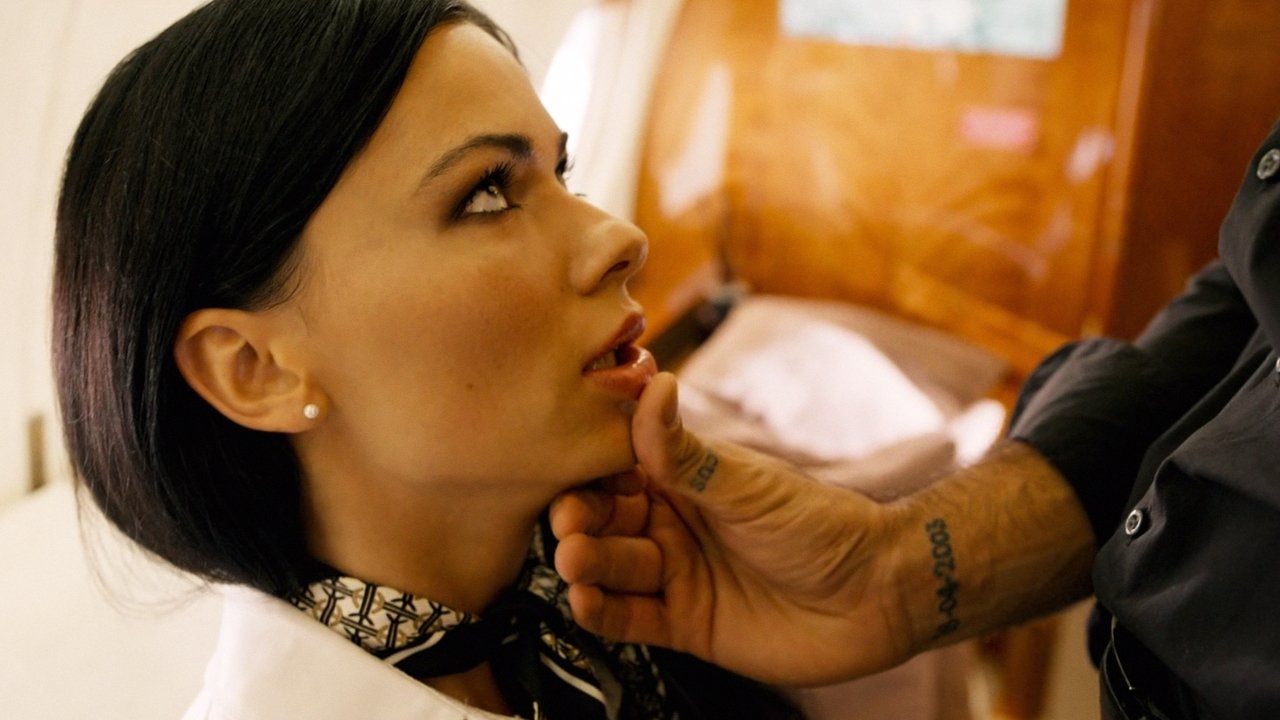
If we’re looking at this through the lens of drama, it’s a fascinating failure. The directors, Tomasz Mandes and Barbara Białowąs, seem more interested in making a two-hour music video than a coherent narrative. The cinematography by Bartek Cierlica is actually quite impressive; he uses the saturated colors of the Mediterranean and the cold steel of private jets to create a world that looks like a high-end perfume advertisement. It’s "Luxury Core" taken to its logical, or rather illogical, extreme.
However, the performances are where the film truly earns its "so bad it's good" cult status. Michele Morrone spends the majority of the runtime smoldering so hard I’m surprised his eyebrows didn't catch fire. He has the task of delivering lines that would make a seasoned Shakespearean actor stumble, yet he leans into it with a sincerity that is almost admirable. Anna-Maria Sieklucka has a harder job, playing a character whose primary trait is being incredibly annoyed by her kidnapping until she suddenly isn't. The chemistry between them is less about emotional connection and more about high-contrast lighting and a very loud pop-soundtrack.
Speaking of the music, the film's use of songs is relentless. It feels like every five minutes, a new mid-tempo synth-pop track kicks in to tell us exactly how we should be feeling. Interestingly, a lot of these songs are actually performed by Michele Morrone himself—a classic move for a breakout star looking to maximize their brand. It adds a layer of surrealism to the whole thing, like watching a man star in a movie that is also a feature-length ad for his debut album.
The "Boat Scene" and Beyond

You can't discuss 365 Days without mentioning its notorious reputation. When it first hit Netflix, rumors swirled on social media that the actors were "actually doing it" during the film's infamous yacht sequence. They weren't, of course—that’s just testament to some very creative editing and a lot of body oil—but the discourse it sparked was a perfect snapshot of our current moment. We live in an era where the line between "mainstream film" and "erotica" has blurred on streaming platforms, often resulting in these weird, hybrid "cult" hits that everyone watches but no one admits to liking.
The film's legacy is already cemented by its sequels, 365 Days: This Day and The Next 365 Days, but the original remains the purest distillation of the "trashy-but-glossy" streaming genre. It’s a movie that was almost universally loathed by critics—maintaining a rare 0% on Rotten Tomatoes for a significant time—while being embraced by an audience that just wanted to look at beautiful people in beautiful places doing questionable things. It’s a modern cult classic not because it’s "good," but because it’s a fascinatingly tone-deaf artifact of 2020. It is essentially a Wattpad fanfiction written by someone who has only ever seen Italy through a filtered Instagram lens.
I can’t tell you that 365 Days is a well-made film, because it isn't. It’s a mess of problematic tropes, wooden dialogue, and a plot that requires you to park your brain in another zip code. But as a piece of cultural ephemera? It’s kind of fascinating. It captures a specific moment in the streaming era where the algorithm realized that if you provide enough yachts, Italian suits, and "Are you lost, baby girl?" energy, people will watch until the very last frame. Just don't expect to remember any of it the next morning.
Keep Exploring...
-

The Next 365 Days
2022
-
365 Days: This Day
2022
-
Collateral Beauty
2016
-
Sierra Burgess Is a Loser
2018
-
After
2019
-
After We Collided
2020
-
After We Fell
2021
-
Brooklyn
2015
-
Carol
2015
-
Paper Towns
2015
-
The Age of Adaline
2015
-

The Longest Ride
2015
-

We Are Your Friends
2015
-
Youth
2015
-
Allied
2016
-
Café Society
2016
-
Passengers
2016
-
Paterson
2016
-
Everything, Everything
2017
-

Fifty Shades Darker
2017