A Whisker Away
"To find love, she had to lose her whiskers."
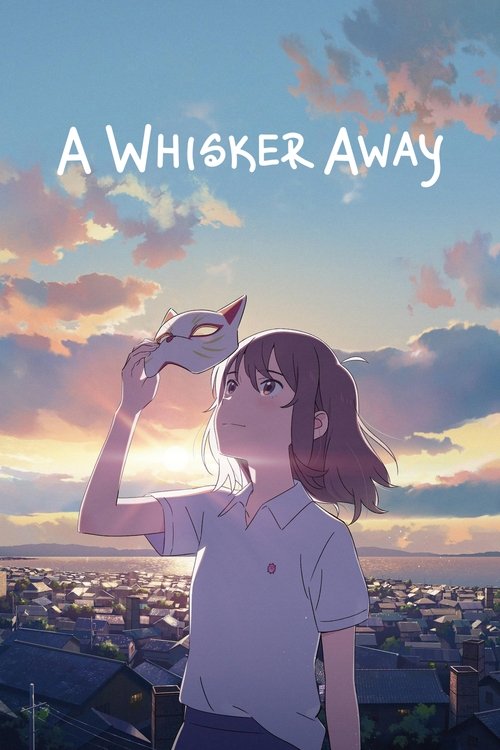
I watched A Whisker Away on a Tuesday afternoon while my own cat, a tuxedo named Barnaby, stared at me with the kind of intense, unblinking judgment only a feline can muster. It felt appropriate. After all, the film is a strange, swirling meditation on the desire to trade in human complexity for the simple, pampered life of a house pet. Released in 2020, it was one of the first major anime features to skip its Japanese theatrical run and head straight to Netflix due to the pandemic—a pivot that turned it into a global "sleeper hit" rather than a local box-office staple.
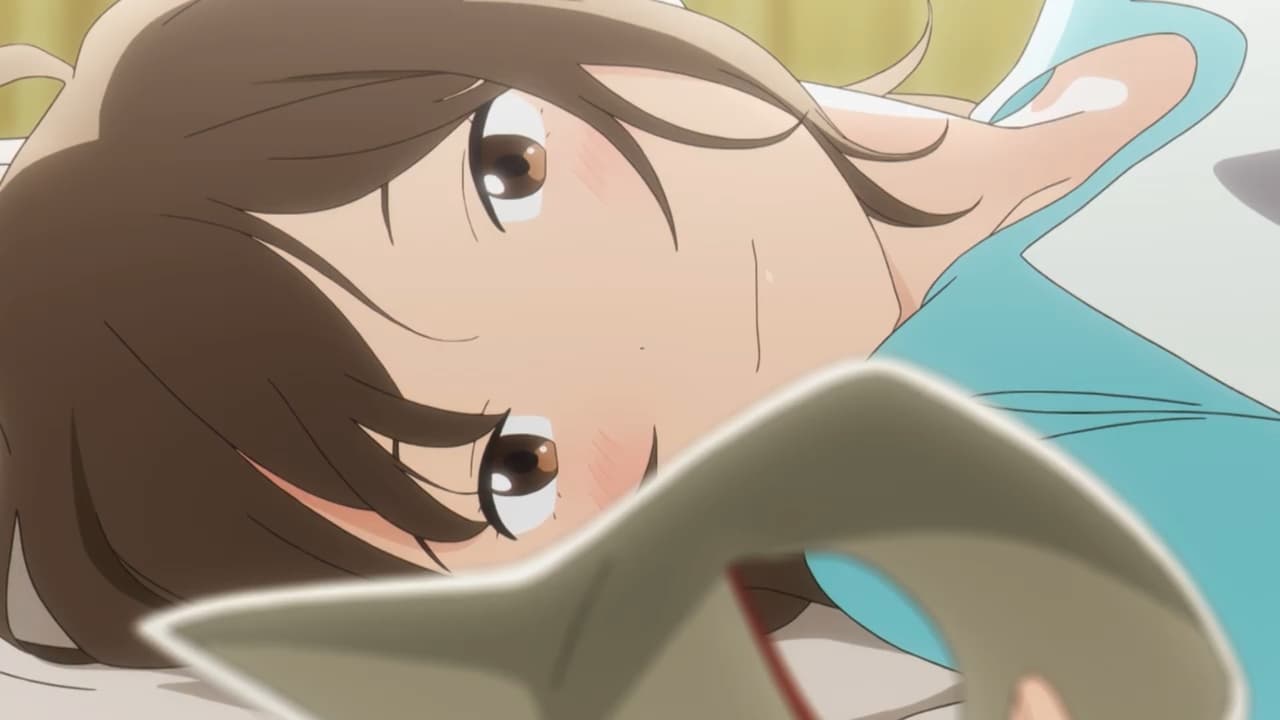
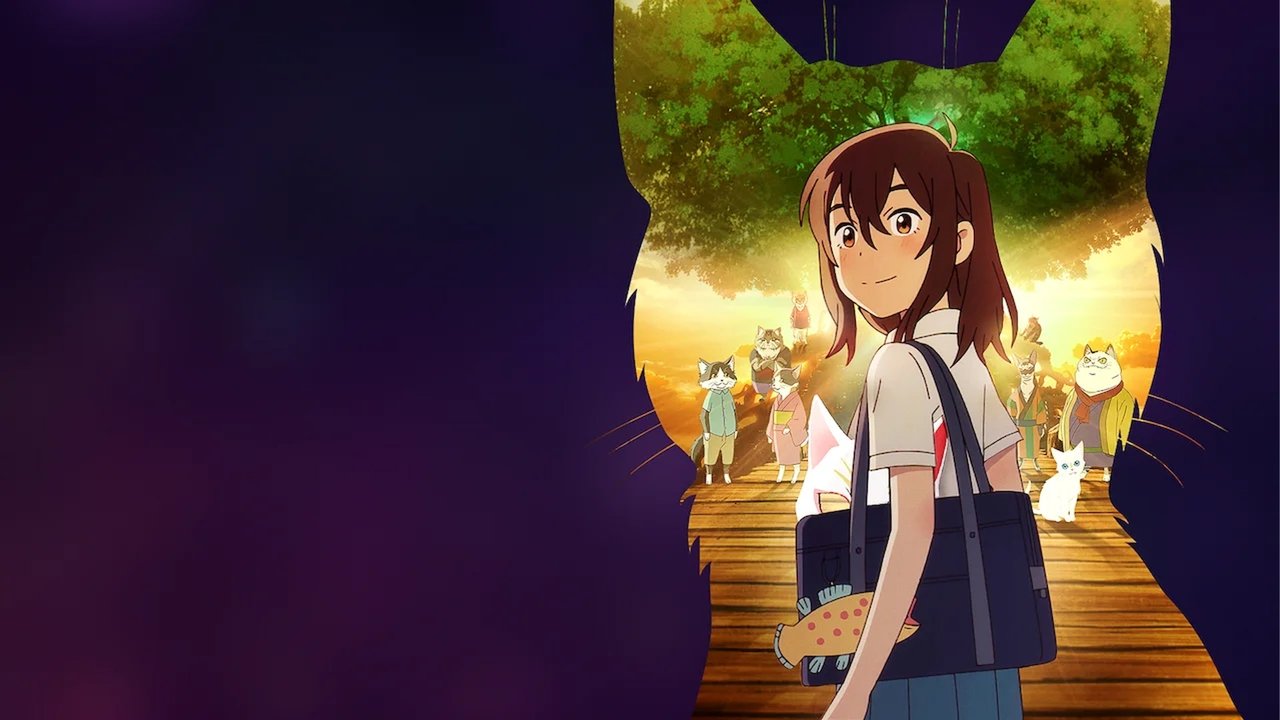
Directed by Junichi Sato and Tomotaka Shibayama, the film presents a premise that sounds like a standard magical-girl trope but quickly detours into something much more psychologically prickly. We follow Miyo Sasaki, a girl nicknamed "Muge" (Miss Ultra-Glowy-Extremely-Over-the-Top-Puzzling), who is hopelessly in love with her classmate Hinode. To get close to him, she strikes a deal with a suspiciously rotund Mask Seller to become a white cat named Taro. As Taro, she gets the affection and head-scratches she craves; as Miyo, she’s a social pariah whose "Sun-rise Attack" (a literal butt-slam into Hinode's back) makes everyone cringe.
The Masks We Wear (And The Ones We Buy)
What struck me immediately is that Mirai Shida voices Miyo with a manic energy that borders on the exhausting, and that’s entirely the point. Miyo isn't your typical "manic pixie dream girl"; she’s a deeply lonely teenager dealing with the fallout of her mother’s abandonment and a strained relationship with her stepmother. Her loud, disruptive personality is a defense mechanism—a human mask she wears to hide a hollow core.
When she puts on the porcelain cat mask, the film shifts into a more philosophical gear. It’s an interesting commentary on our current era of curated identities. We often think of "masks" as something we use to hide, but for Miyo, the mask is the only thing that allows her to be vulnerable. As a cat, she can listen to Hinode’s secrets and provide comfort. The tragedy, of course, is that she’s receiving love for a version of herself that doesn't actually exist. Natsuki Hanae (the voice of Demon Slayer's Tanjiro) brings a grounded, quiet melancholy to Hinode, making him the perfect foil to Miyo’s neon-bright chaos.
The "Cerebral" side of the film kicks in during the final act, as the boundary between the human and feline worlds begins to dissolve. The Mask Seller—a character who looks like he escaped a fever dream fueled by too much catnip and corporate greed—is a fantastic antagonist. He’s a predatory loan officer of the soul, preying on those who find human life too burdensome to continue.
A Masterclass in Atmospheric Escapism
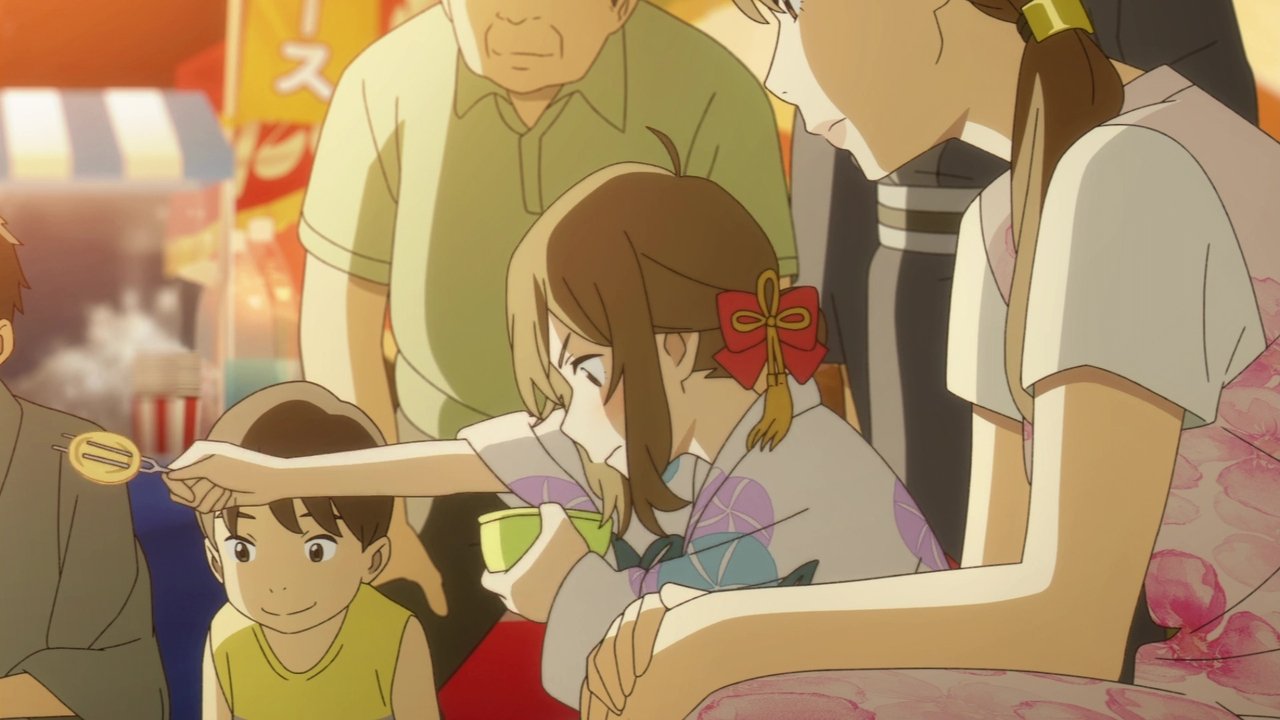
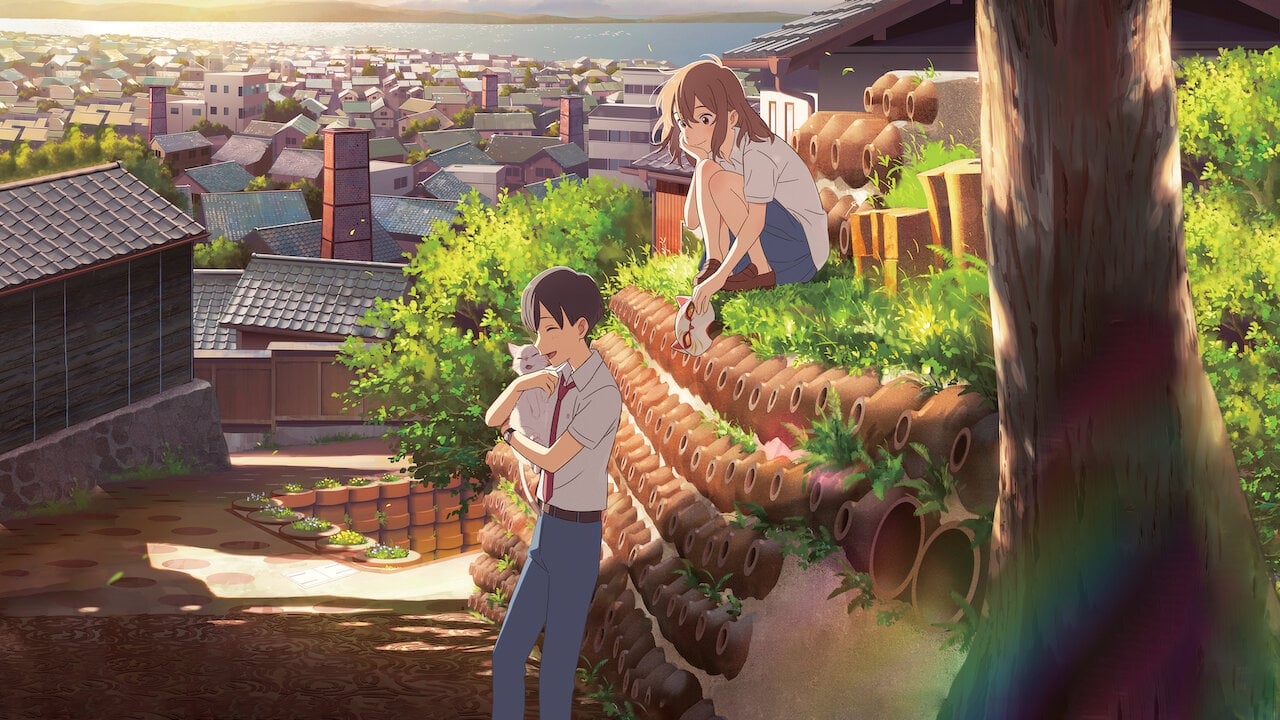
Visually, Studio Colorido proves they are the reigning champions of "soft-glow" aesthetics. The setting is based on Tokoname, a real-world city famous for its pottery, and the animators treat the sloping streets and kiln chimneys with a reverence that makes the town feel like a character itself. I found myself distracted by the lighting; the way the sunset hits the ceramic pipes in the "Pottery Lane" sequence is genuinely breathtaking.
The film's screenplay was penned by Mari Okada, a writer known for her "emotional maximalism" (see Anohana or Maquia). Here, she’s a bit more restrained, but the themes of identity and the fear of rejection are palpable. There is a specific subtext about the "cost" of escapism that feels particularly relevant to a post-pandemic audience. During the years we spent behind screens, many of us retreated into digital avatars or simplified versions of ourselves. A Whisker Away asks: at what point does the "simplified" version of you begin to erase the person who actually matters?
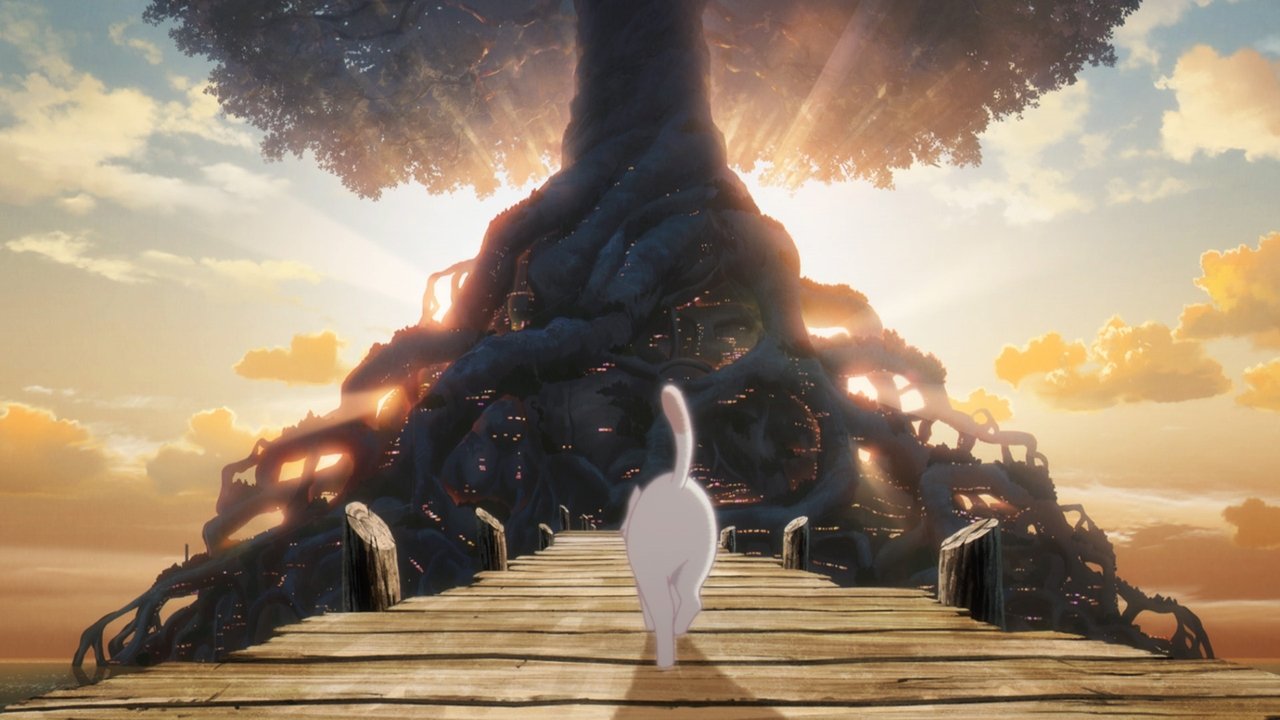
My only real gripe is that the middle section drags slightly as it leans into the fantasy-world mechanics of "Cat Island." It’s a beautifully realized location—a sort of Ghibli-lite floating bar for anthropomorphic felines—but it loses the grounded, emotional friction that makes the school-based scenes so compelling.
The Hidden Gem of the Streaming Era
In the crowded landscape of contemporary anime, where franchises like Jujutsu Kaisen or Suzume dominate the conversation, A Whisker Away feels like a small, hand-painted gift. It doesn't have the world-ending stakes of a Shinkai film, nor the legendary pedigree of a Miyazaki production, but it has a specific, prickly heart.
It’s a film about the realization that being a human is messy, painful, and frequently embarrassing, but it’s the only way to truly be seen. It’s a message that resonated with me, even as Barnaby the tuxedo cat continued to stare at me, clearly wondering why I wasn't spending my time more productively—like, say, knocking a glass of water off the nightstand.
The film succeeds because it treats its "annoying" protagonist with immense empathy. It refuses to settle for a simple romance, instead diving into the murky waters of self-loathing and the courage it takes to live without a disguise. While the third act goes a bit heavy on the magical-adventure tropes, the emotional payoff is earned. If you’ve ever felt like the world would be easier if you were just a pampered pet, this is the 104-minute reality check you didn't know you needed.
Keep Exploring...
-
Weathering with You
2019
-
The Boy and the Beast
2015
-

I Want to Eat Your Pancreas
2018
-
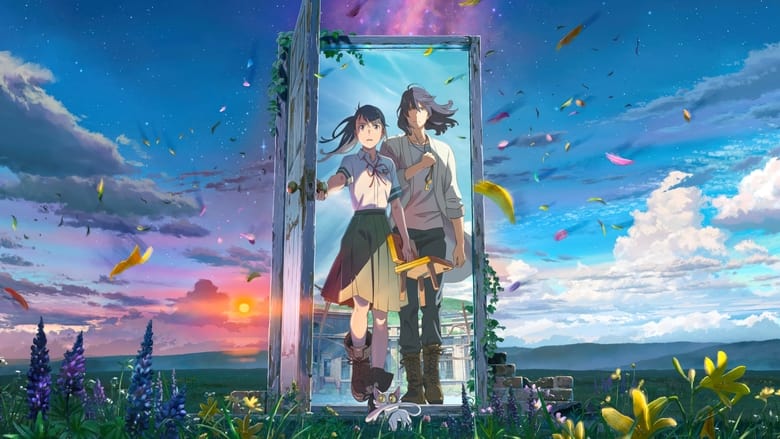
Suzume
2022
-
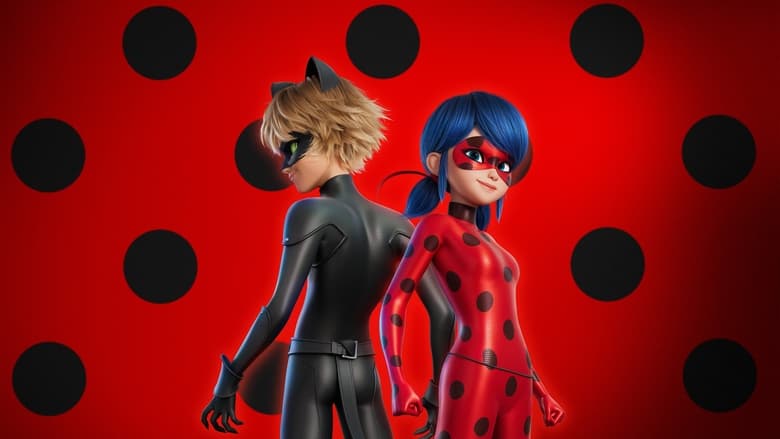
Miraculous: Ladybug & Cat Noir, The Movie
2023
-
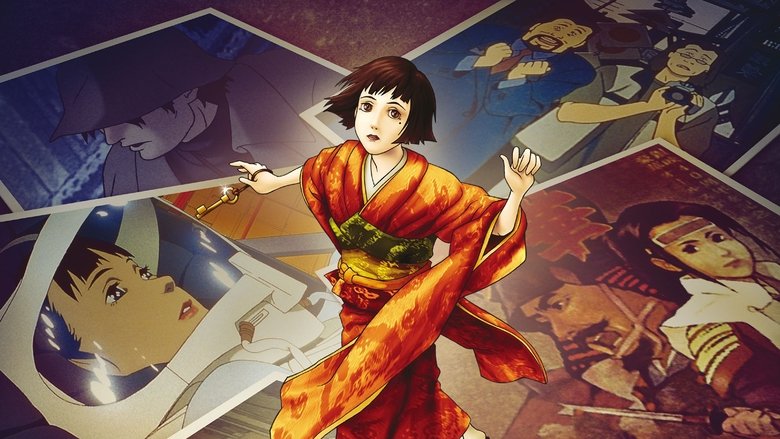
Millennium Actress
2002
-
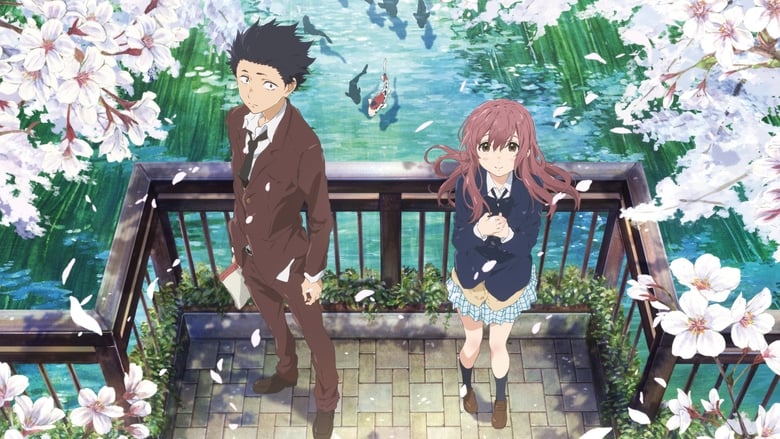
A Silent Voice: The Movie
2016
-
Guillermo del Toro's Pinocchio
2022
-

My Hero Academia: Two Heroes
2018
-

The Seven Deadly Sins: Prisoners of the Sky
2018
-

My Hero Academia: Heroes Rising
2019
-

Evangelion: 3.0+1.0 Thrice Upon a Time
2021
-

Jujutsu Kaisen 0
2021
-
Anomalisa
2015
-

Batman vs. Robin
2015
-

Justice League vs. Teen Titans
2016
-
The Red Turtle
2016
-
I Lost My Body
2019
-

Red Shoes and the Seven Dwarfs
2019
-
The House
2022