After We Collided
"Wicked games, Wattpad dreams, and absolute chaos."
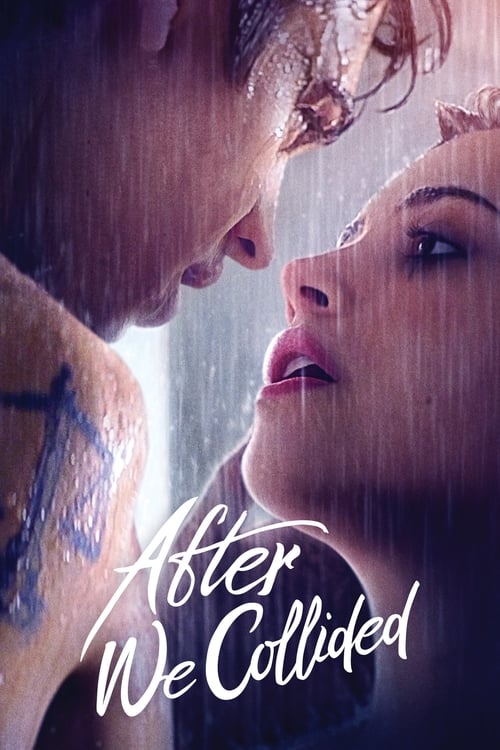
The digital age has birthed a new kind of cinema: the algorithm-adjacent fever dream. If the first After movie was a sanitized, soft-focus introduction to the "Hessa" chronicles, its sequel, After We Collided, is a full-throttle descent into the kind of high-octane melodrama that only makes sense if you’ve spent your formative years scrolling through Wattpad at 3:00 AM. It’s a fascinating artifact of the 2020s—a film that bypassed the critical establishment entirely to speak directly to a global, hyper-connected fanbase that treats these characters like real-life deities.
I watched this while my cat was aggressively trying to chew through my laptop’s charging cable, and honestly, that chaotic energy matched the screen perfectly. This isn’t a movie you analyze with a monocle and a notebook; it’s a movie you experience like a rollercoaster that’s missing a few bolts.
The Kumble Effect and the R-Rated Pivot
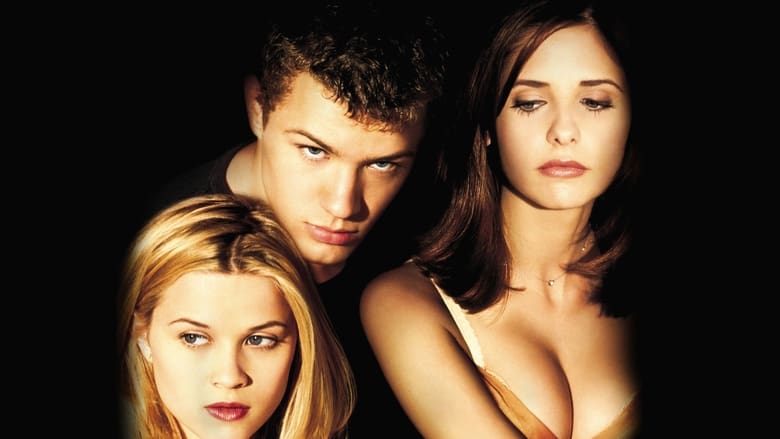
When Roger Kumble took the director’s chair for this installment, the DNA of the franchise shifted. Kumble is the man responsible for Cruel Intentions, the 1999 masterpiece of teen manipulation, and he brings a similar, slightly tongue-in-cheek slickness to the table here. He clearly understood that the fans didn’t want a slow-burn indie drama; they wanted the "steam."
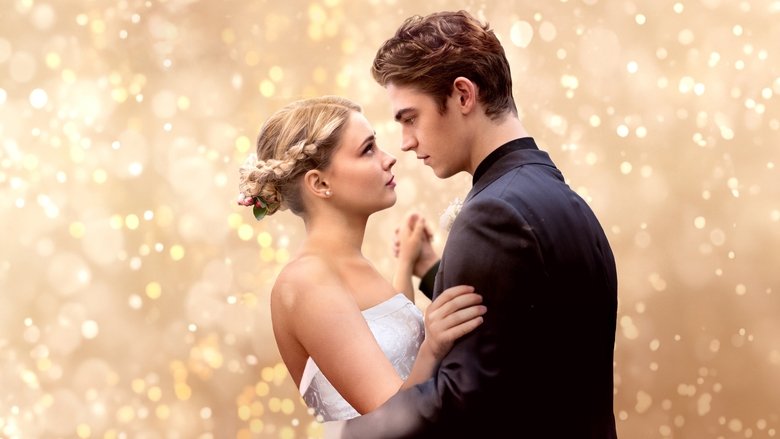
The jump from the first film’s PG-13 rating to an R-rating here was a tactical strike. It signaled that the production was listening to the "Afternators"—the devoted fanbase that grew from Anna Todd’s original One Direction fanfiction. Hardin Scott is essentially a walking red flag with a British accent, and the sequel doubles down on his volatility. Hero Fiennes Tiffin leans into the brooding, tattooed aesthetic with such commitment that you almost forget his character spends half the movie breaking vases or staring intensely at walls. Opposite him, Josephine Langford does some heavy lifting as Tessa, managing to sell the internal conflict of a woman who knows she should run but decides to do a marathon in the opposite direction instead.
Enter "F***ing Trevor"
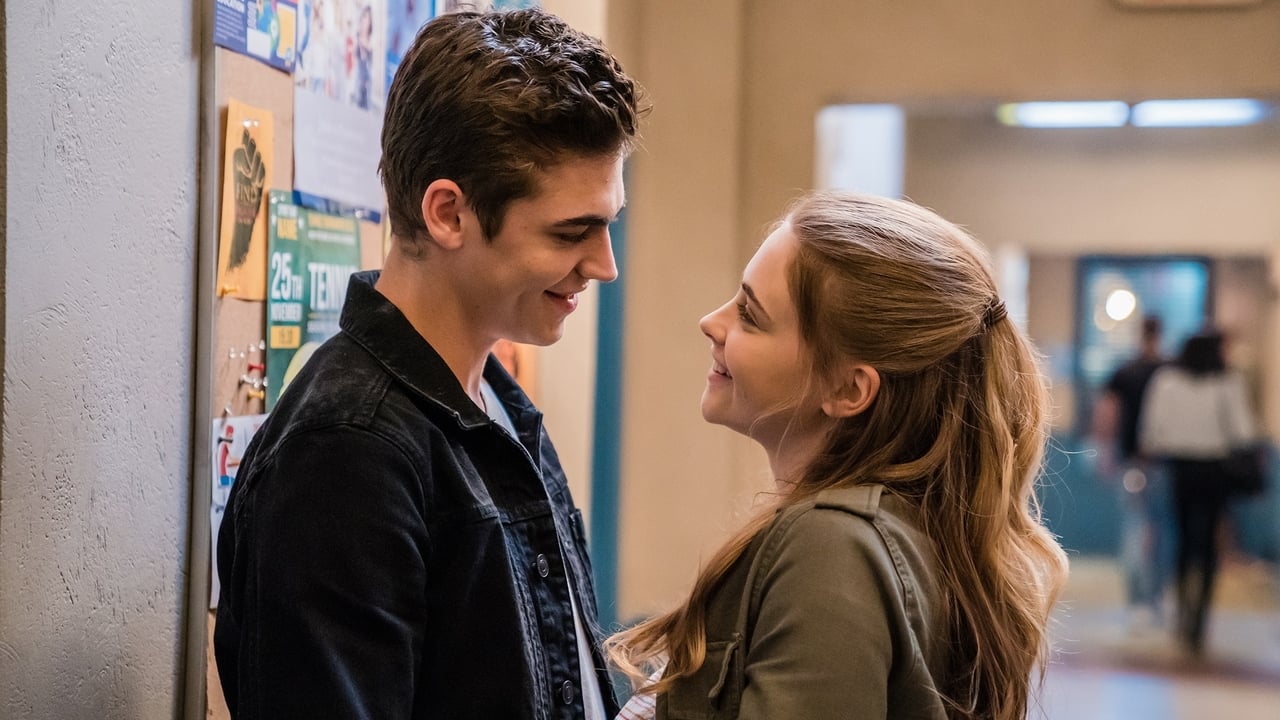
The most significant addition to the sequel is Dylan Sprouse as Trevor Matthews. In the fandom, he’s colloquially known as "F*ing Trevor," a nickname Hardin bestows upon him with venomous jealousy. Sprouse** is the only person in the entire production who seems to be having a genuinely great time. He plays the "rational" alternative to Hardin’s chaos—a guy who actually understands spreadsheets and boundaries—and his performance provides a much-needed wink to the audience.
There’s a specific scene involving a botched hotel room encounter and a very unfortunate case of food poisoning that feels like it wandered in from a different movie entirely. It’s gross-out humor meets soap opera, and it’s the moment I realized that the dialogue feels like it was written by a sentient AI that only watches CW marathons. But in the context of contemporary "guilty pleasure" cinema, that’s not necessarily a failure; it’s the brand.
A Cult Phenomenon in the Streaming Age
After We Collided is a fascinating case study in how the "Cult Classic" label is evolving. In the 80s, a cult film was something you discovered on a dusty VHS shelf; in 2020, it’s something that trends on Twitter for three weeks straight despite getting a 0% on Rotten Tomatoes. The "After" series is critic-proof. It was released during the height of the pandemic, hitting VOD platforms and limited theaters when people were starving for escapism.
Interestingly, the film’s budget was a modest $14 million, but it pulled in nearly $50 million globally at a time when the world was largely shut down. This is the power of a digital-first fanbase. Turns out, if you give the internet exactly what it wants—in this case, an "enemies-to-lovers-to-enemies-again" arc with high production values—they will show up with their wallets open. Anna Todd herself was heavily involved on set, ensuring that the specific "Easter eggs" and beats from the book were hit with precision. This isn’t filmmaking by committee; it’s filmmaking by community.
Apparently, the production had to move from the first film’s location in Atlanta because the fans were too good at tracking the stars’ locations via social media. They ended up filming in Georgia anyway, but the level of secrecy required was akin to a Marvel movie. It’s wild to think that a romance drama required the same security protocols as the Avengers just to keep fans from storming the set.
Is After We Collided a "good" film by traditional standards? Probably not. It’s repetitive, the central relationship is a toxic disaster, and the pacing is erratic. However, as a piece of contemporary culture, it’s undeniably compelling. It captures a specific moment in the 2020s where the lines between fanfiction, social media influence, and Hollywood blockbusters have completely blurred. If you’re looking for a night of unintentional comedy and high-gloss melodrama, grab the popcorn. Just don't expect Hardin to go to therapy anytime soon.

Keep Exploring...
-
After
2019
-
After We Fell
2021
-
After Ever Happy
2022
-
After Everything
2023
-
Beautiful Disaster
2023
-
The Longest Ride
2015
-
Collateral Beauty
2016
-
Everything, Everything
2017
-
The Mountain Between Us
2017
-
The Space Between Us
2017
-

We Are Your Friends
2015
-
Passengers
2016
-
Sierra Burgess Is a Loser
2018
-
Falling Inn Love
2019
-
Purple Hearts
2022
-
Cruel Intentions
1999
-
365 Days
2020
-
Through My Window
2022
-
Carol
2015
-
Paper Towns
2015