#Alive
"Your Wi-Fi is down. Your neighbors are hungry."
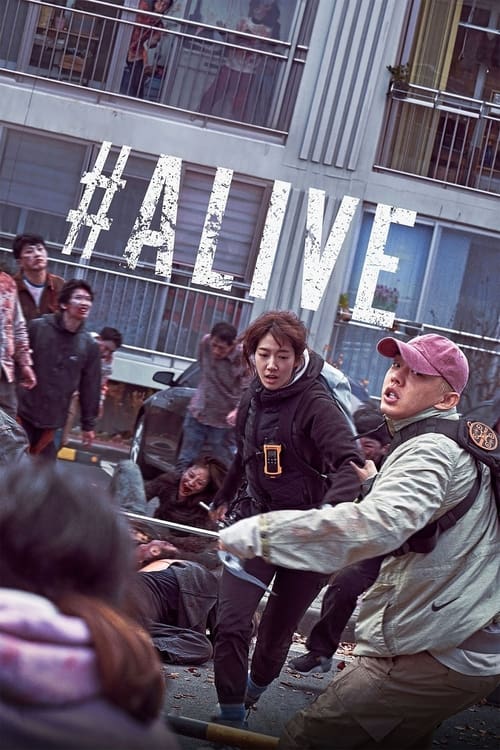
I watched #Alive for the first time on a humid Tuesday evening while eating a bowl of lukewarm instant ramyun, and the wet, slurping sound of my noodles felt uncomfortably similar to the foley work used for the zombies on screen. It’s a movie that demands you acknowledge your own physical presence—your breath, your hunger, and the thinness of the walls separating you from the rest of the world. Released in the middle of 2020, it didn’t just play on our fears; it felt like a livestream of our collective reality, minus the cannibalism (hopefully).
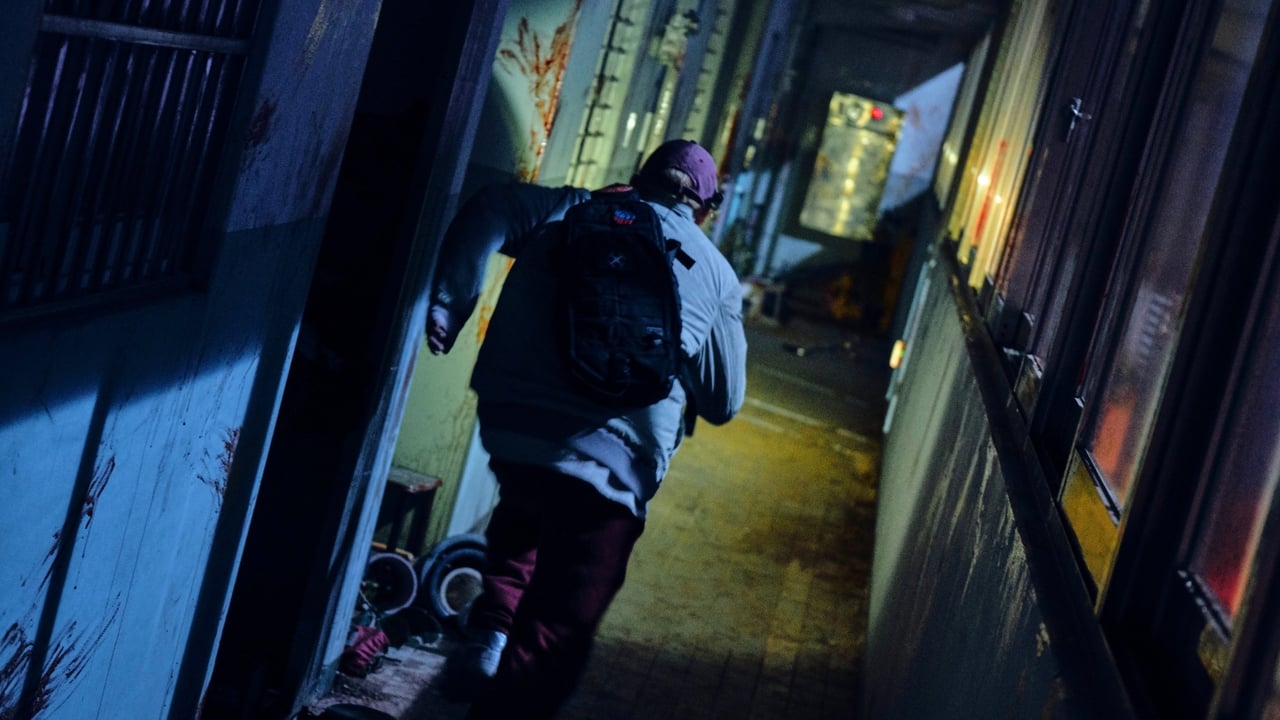
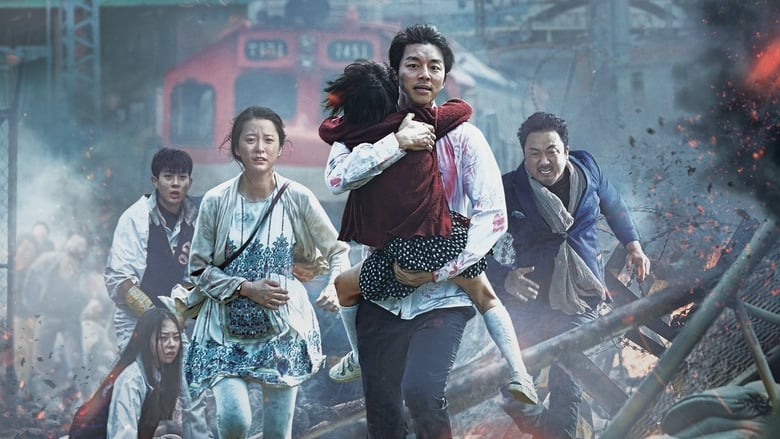
While the West was busy discovering the sheer scale of Train to Busan or the social precision of Parasite, #Alive arrived as a leaner, meaner cousin. It’s a film that lives or dies on its claustrophobia. We aren't watching the fall of a government; we are watching a guy in a bleached-blonde dye job realize his balcony is both his only sanctuary and his potential gallows.
The Sound of Modern Silence
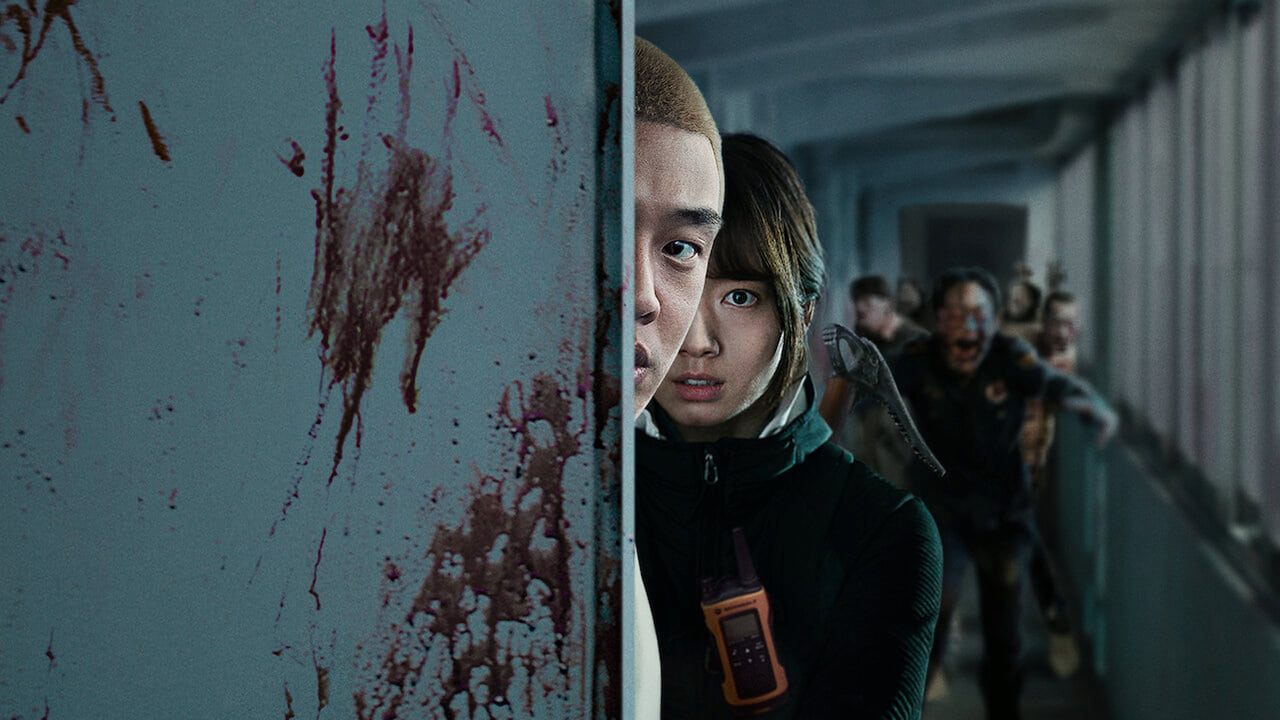
The film centers on Oh Joon-woo, played by Yoo Ah-in with a frantic, twitchy energy that feels painfully relatable. He’s a gamer, a tech-head, and someone who is clearly ill-equipped for a world where "reloading" isn't a button press. When the "Grisly Virus" hits Seoul, he doesn't become a hero. He becomes a shut-in. The first act is a masterful exercise in isolation horror. We watch him document his descent on social media, checking hashtags while the power grid flickers, and slowly losing his mind as the food runs out.
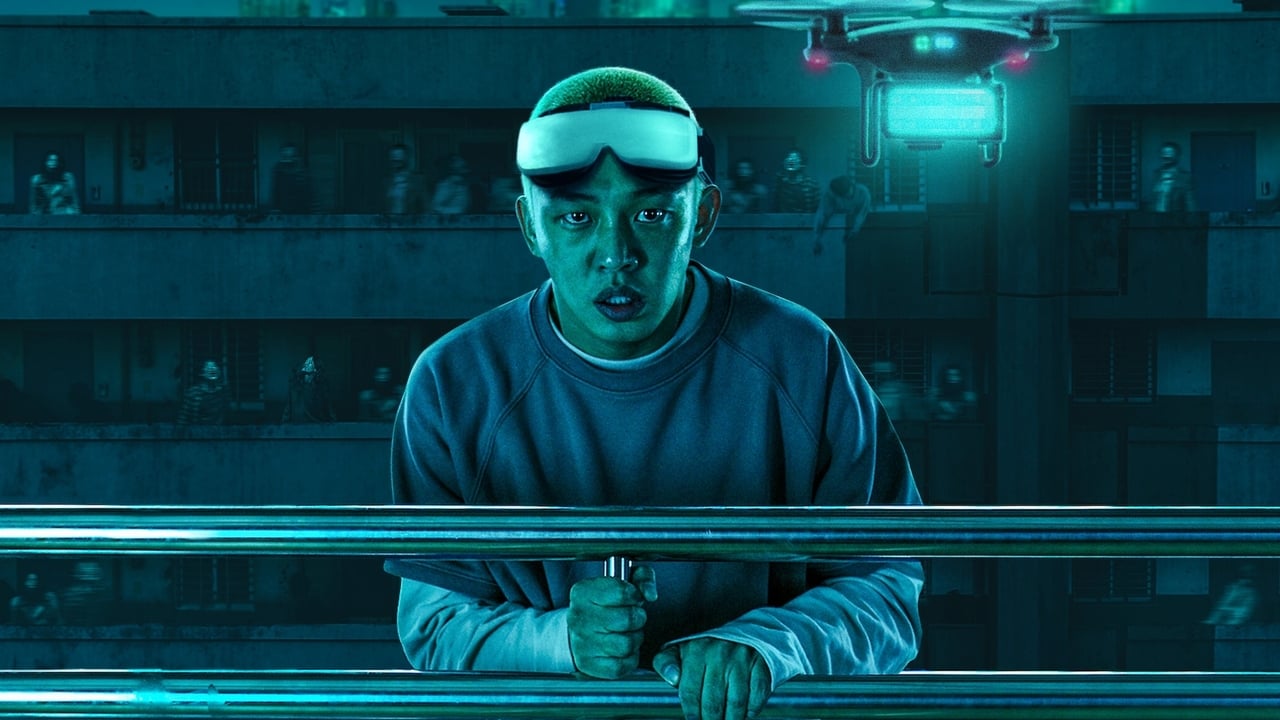
Director Cho Il understands that in the contemporary era, the loss of the internet is almost as terrifying as the monster at the door. Joon-woo’s desperation isn't just about the zombies; it's about the silence. My favorite sequence involves a drone—a quintessential modern toy—used not for a cool cinematic sweep, but for the desperate, pathetic task of looking for a signal or a sign of life. Joon-woo survives the first forty minutes purely through the kind of dumb luck usually reserved for lottery winners and toddlers. He is deeply human, which is to say, he is occasionally very stupid, and that makes the stakes feel genuine.
A Tale of Two Balconies

Just when the film threatens to become a one-man play about a guy crying over unread DMs, Park Shin-hye enters the frame as Kim Yoo-bin. Living in the apartment block opposite Joon-woo, she is his tactical opposite. While he has been panic-eating his last crackers, she has built a fortress of climbing gear and booby traps. Their relationship—conducted via hand signals, binoculars, and a zip-line of supplies—is the heart of the movie.
Park Shin-hye (known for The Call and Sisyphus: The Myth) brings a steely, grounded competence that balances the film’s more manic moments. There’s something deeply touching about two people trying to find a "social" connection in a world that has literally gone to hell. It’s a very 2020 sentiment: the idea that seeing another face across a gap is enough to keep you from stepping off the ledge. The horror here isn't just the jump scares—though there are a few effective ones involving a particularly persistent zombie firefighter—it’s the weight of the moral compromises they have to make. One scene involving a "survivor" neighbor played by Lee Hyun-wook takes a sharp, grim turn that reminds you this isn't a fun action romp; it's a story about how quickly the human soul can rot when it's hungry enough.
The Making of a Lockdown Gem
What’s fascinating about #Alive is its production history. It was actually based on an original script by Matt Naylor called Alone, which was simultaneously produced as a US film starring Donald Sutherland. While the US version felt like a standard VOD thriller, Cho Il’s adaptation leaned into the specific urban density of South Korea. The apartment complex is a character itself—a concrete labyrinth where everyone is close enough to hear their neighbor die but too far away to help.
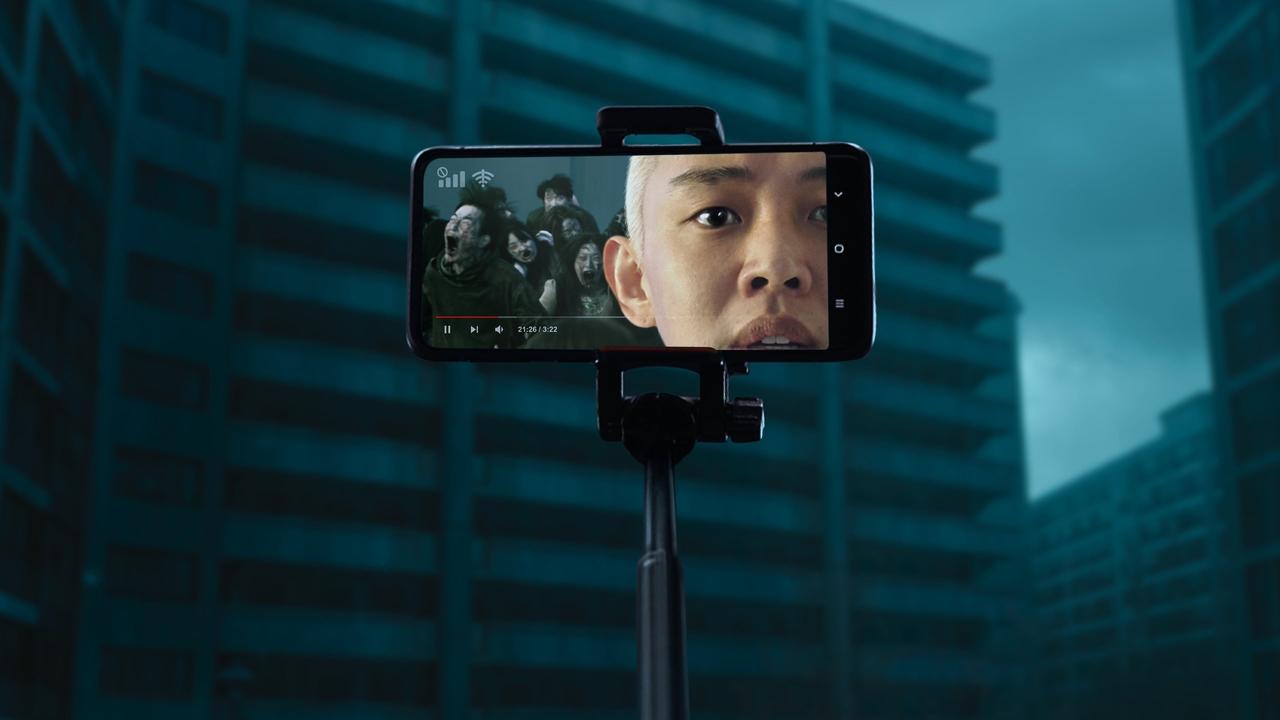
The film was a massive hit in Korea, partly because it was one of the first major titles to hit theaters when restrictions briefly eased. It’s a "now" movie. It uses social media, drones, and digital culture not as gimmicks, but as the very tools of survival. The zombies themselves—designed with a focus on "muscle memory" where they retain some of their former human habits—are genuinely unsettling. Watching a zombie try to turn a doorknob because it remembers it used to live there is far scarier than a mindless monster.
There’s a bit of a tonal shift in the final act where it moves into more traditional action-movie territory, and some might find the ending a bit too "convenient" for such a dark setup. However, the journey there is so tight and well-acted that I was willing to forgive the sudden influx of "hero logic."
#Alive is a lean, 98-minute shot of adrenaline that manages to be both a great genre exercise and a time capsule of a very specific cultural anxiety. It lacks the operatic scale of its big-budget peers, but it replaces that with an intimate, sweaty dread that lingers long after the credits roll. If you’ve ever looked at your router during a blackout and felt a twinge of existential panic, this one is going to hit close to home. Just make sure you have some ramyun ready—and maybe lock your balcony door.
Keep Exploring...
-

Shin Godzilla
2016
-
Resident Evil: Death Island
2023
-

Godzilla Minus One
2023
-

M3GAN 2.0
2025
-
Resident Evil: Vendetta
2017
-

Batman vs. Robin
2015
-

Predator: Killer of Killers
2025
-
Train to Busan
2016
-

The Girl with All the Gifts
2016
-
What Happened to Monday
2017
-

A Quiet Place
2018
-
Greenland
2020
-
The Invisible Man
2020
-

M3GAN
2022
-

The Substance
2024
-

Companion
2025
-
The Wailing
2016
-

The Meg
2018
-

The Gangster, the Cop, the Devil
2019
-
Underwater
2020