All the Bright Places
"Finding the extraordinary in the ruins of the ordinary."
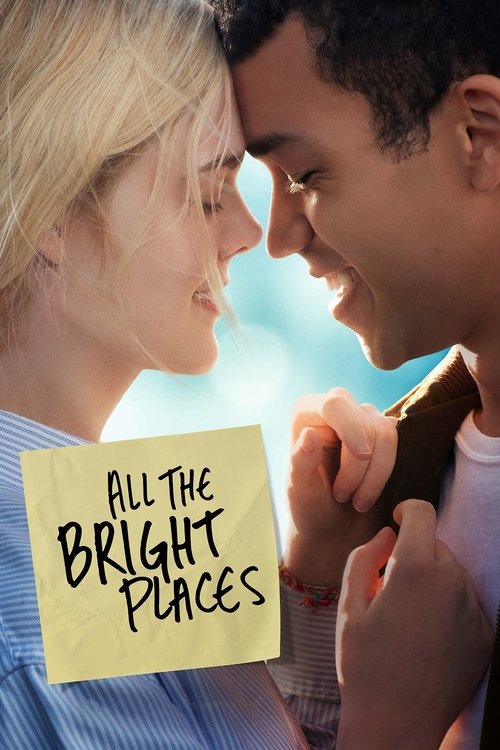
The "Sad YA" genre—that specific corner of cinema where teenagers are beautiful, articulate, and tragically doomed—has a tendency to feel like it’s manufactured in a lab. You know the formula: a dash of acoustic guitar, a quirky hobby involving vintage cameras or rare books, and a third-act twist that demands a box of tissues. When All the Bright Places landed on Netflix in early 2020, I expected it to be another assembly-line tearjerker. I watched it on my couch while eating a bowl of cereal that had gone tragically soggy, and I was fully prepared to roll my eyes at the inevitable "Manic Pixie Dream Boy" tropes.
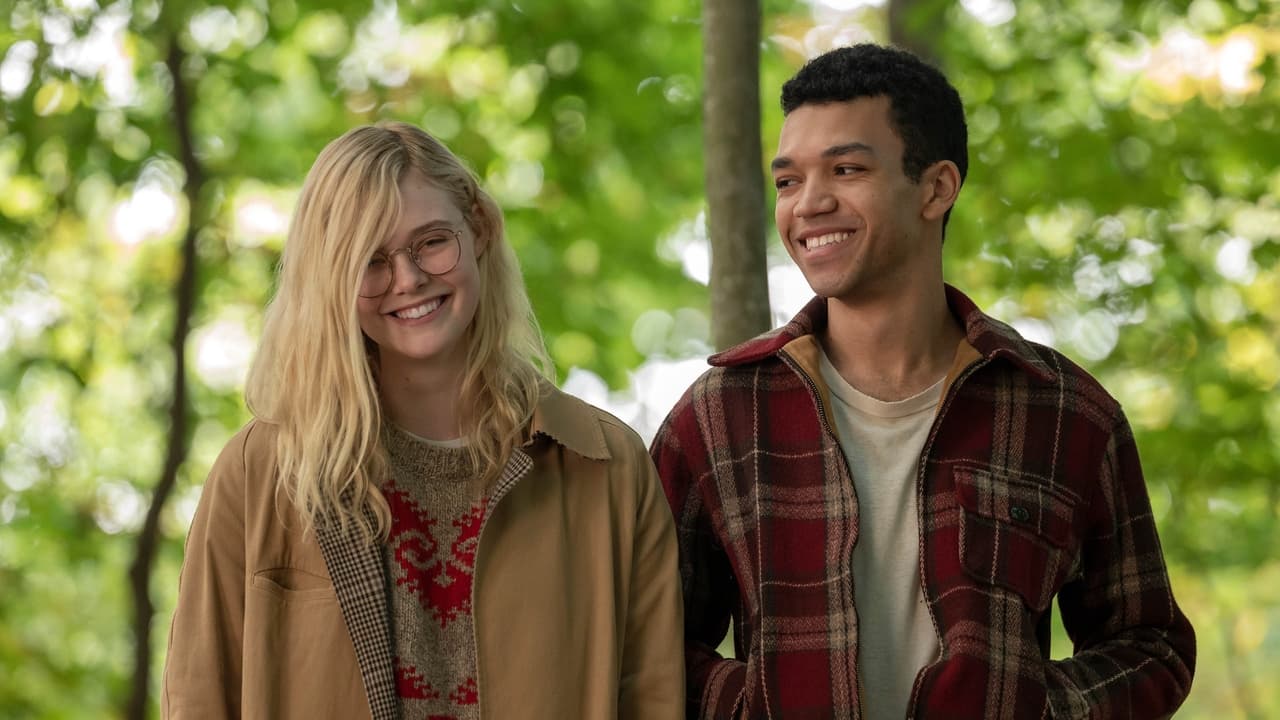
Instead, I found something far more haunting. Released just as the world was about to retreat indoors, the film feels like a time capsule of a specific brand of contemporary "Streaming Era" melancholy. It doesn’t just want to make you cry; it wants you to sit with the uncomfortable, jagged edges of mental illness that don't always get resolved by a blooming romance.
The Weight of the Wandering
The story centers on Violet Markey (Elle Fanning) and Theodore Finch (Justice Smith). She is a girl paralyzed by survivor's guilt following the death of her sister; he is the school’s "freak" who struggles with an unnamed, undulating darkness. They are paired together for a school project to discover the "wonders" of Indiana. It sounds like a travelogue, but it’s actually a philosophical autopsy of two people trying to decide if the world is worth staying in.
What I find fascinating about Brett Haley’s direction is how it subverts the typical brightness of a romance. Usually, these films get more colorful as the characters fall in love. Here, the cinematography by Rob Givens stays grounded in a soft, hazy realism. It captures the midwestern landscape not as a postcard, but as a space of vast, lonely potential. The film asks a deeply cerebral question: Can you truly "save" someone else, or is the act of trying just a beautiful, noble form of interference? Justice Smith gives a performance that is frankly too good for a standard teen movie, vibrating with a manic energy that masks a terrifying void. He makes Finch’s struggle feel like a physical weight rather than a plot point.
A Different Kind of YA Chemistry
I’ve seen Elle Fanning play everything from aliens to empresses, but her work here as Violet is remarkably restrained. She plays grief as a form of exhaustion. When she and Smith are on screen together, the chemistry isn't the "fireworks and pop songs" variety; it’s more like two people sharing an oxygen tank in a room running out of air.
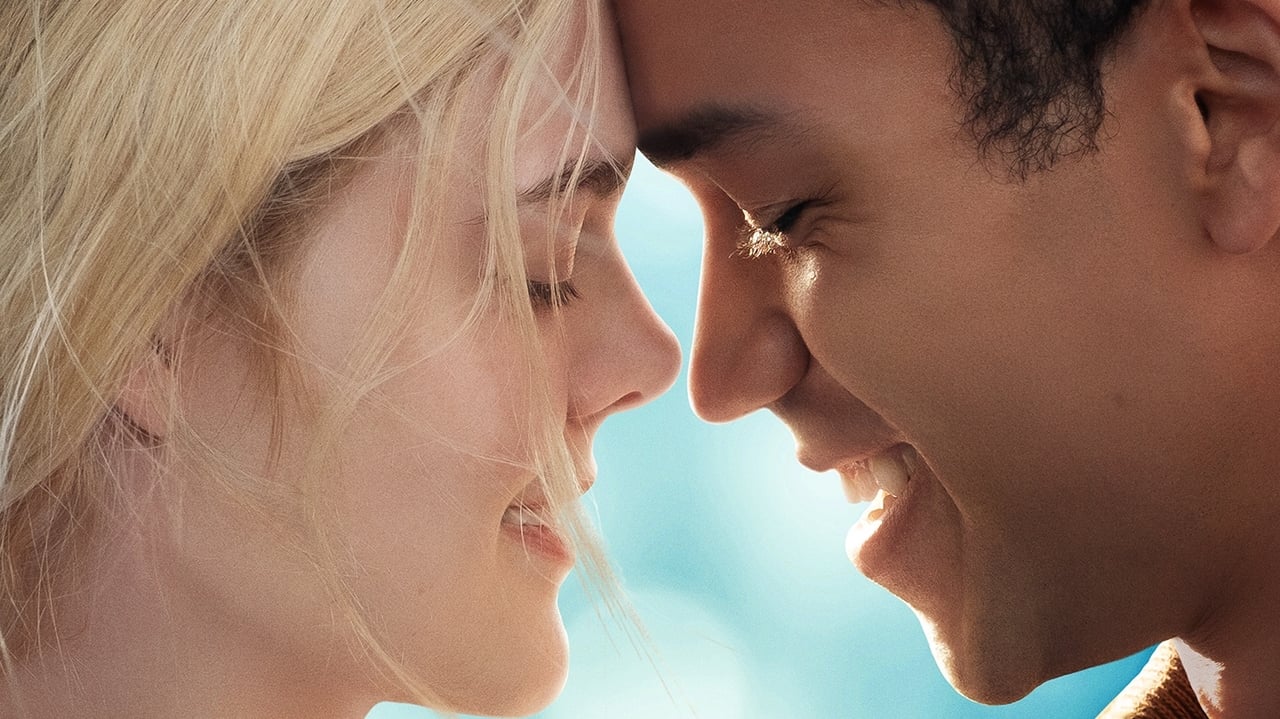
The film leans into the contemporary "Cerebral Drama" space by focusing on the internal monologue of recovery. It’s about the "Bright Places"—those small, subjective moments of beauty that keep us tethered to reality. However, it’s also honest about the fact that sometimes those places aren't enough. It avoids the toxic "love cures all" narrative that plagued earlier 2000s dramas, opting instead for a more mature, if devastating, look at bipolar disorder and the limits of empathy.
The Bright Places Behind the Scenes
While it was a "straight-to-streaming" release, All the Bright Places has developed a genuine cult following among those who felt seen by Jennifer Niven’s original novel. Its journey to the screen was a labor of love, specifically for Elle Fanning, who took on a producer role to ensure the story maintained its emotional integrity.
Real-Life Roots: Jennifer Niven based the character of Finch on a boy she loved in her own life, which explains why the character feels less like a trope and more like a specific, painful memory. The Bridge vs. The Tower: Fans of the book know the story begins on a bell tower. The film moved the opening to a bridge, partly for safety concerns but also to emphasize the "fluidity" of the characters' mental states. Indiana (via Ohio): While the story is a love letter to Indiana's quirks, most of the filming actually took place in Cleveland and Elyria, Ohio. Music as Subtext: The soundtrack features Lord Huron and Keegan DeWitt, artists who specialize in that "nostalgia for a place you’ve never been" sound that defines the modern indie aesthetic. * Justice’s Preparation: To prepare for the role’s heavier themes, Justice Smith worked closely with mental health professionals to ensure Finch’s "cycles" were portrayed with clinical accuracy rather than just theatrical flair.
The Streaming Legacy
Because this film exists on a platform rather than in a theatrical archive, its impact is measured in TikTok edits and Tumblr mood boards. It has become a cornerstone of "Sad Girl Cinema," a genre that contemporary audiences use to process their own anxieties. It’s a film that understands the internet age’s obsession with "finding your aesthetic," yet it warns us that a beautiful aesthetic cannot hide a broken psyche.
I walked away from the film—and my soggy cereal—feeling a strange mix of lightness and lead. It’s a movie that rewards you for paying attention to the silence between the dialogue. It isn't a masterpiece of pacing, and some of the secondary characters (like the parents) feel a bit like cardboard cutouts, but the central performances are so raw that the flaws feel like the cracks in a piece of Kintsugi pottery—they just make the whole thing more human.
All the Bright Places is a thoughtful, albeit heavy, exploration of the geography of grief. It manages to be both a romantic "wander" and a sobering look at the limitations of human connection. If you're looking for a breezy Friday night watch, keep scrolling. But if you want a film that respects your intelligence and your emotions in equal measure, let Finch and Violet take you for a drive. Just make sure your socks are matched—or don't. Sometimes the mismatched parts are the most interesting.
Keep Exploring...
-
The Longest Ride
2015
-
Gabriel's Inferno
2020
-
CODA
2021
-
Purple Hearts
2022
-
Past Lives
2023
-
Portrait of a Lady on Fire
2019
-
Weathering with You
2019
-
Love, Simon
2018
-
Forever My Girl
2018
-
Midnight Sun
2018
-

Five Feet Apart
2019
-
Little Women
2019
-
The Art of Racing in the Rain
2019
-
Clouds
2020
-
Gabriel's Inferno: Part II
2020
-
Gabriel's Inferno: Part III
2020
-
I Still Believe
2020
-
Life in a Year
2020
-
tick, tick... BOOM!
2021
-
Where the Crawdads Sing
2022