Antebellum
"The past has a terrifying way of staying present."
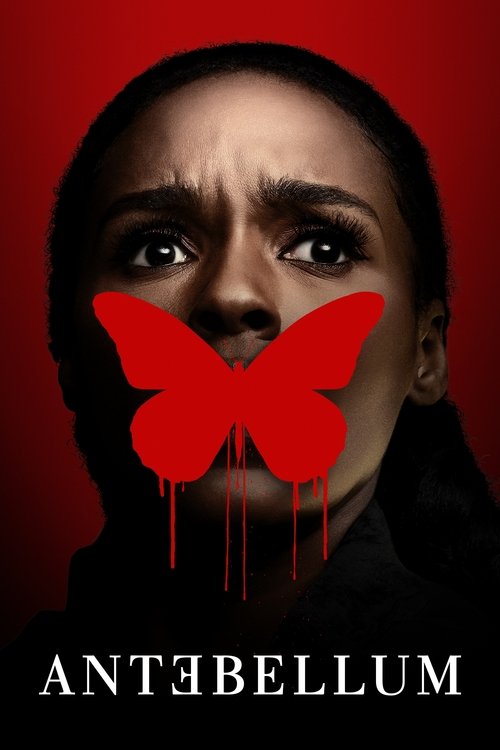
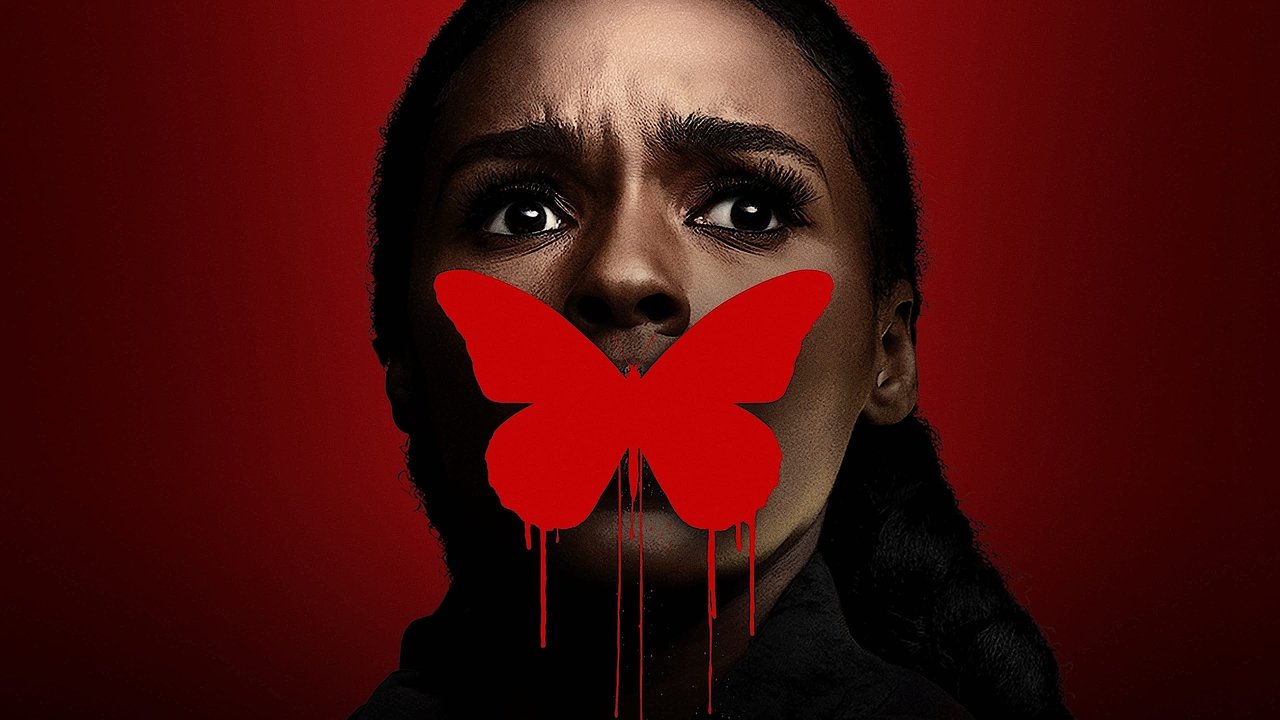
The opening shot of Antebellum is a technical marvel that almost tricks you into thinking you’re about to watch a masterpiece. It’s a single, sweeping four-minute take that glides across a sun-drenched plantation, capturing everything from the high-society elegance of Confederate officers to the brutal, bone-chilling reality of the enslaved people working the fields. It’s gorgeous, it’s haunting, and it’s deeply unsettling. I remember sitting there, lamp-side, struggling to peel a stubborn price tag off a new IKEA floor lamp, and I actually stopped picking at the sticky residue because the screen demanded that much attention. I thought, "Okay, Gerard Bush and Christopher Renz are here to play."
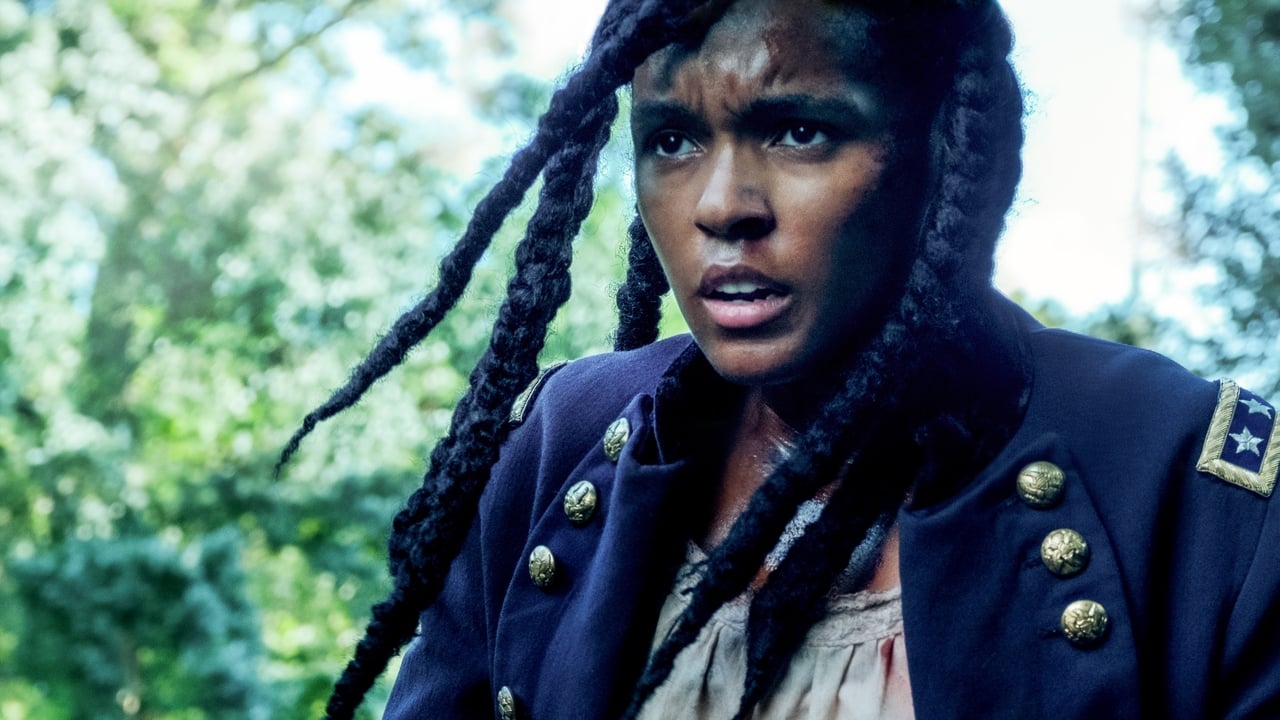
But as the minutes ticked by, that initial awe started to curdled into something else. Released in the chaotic middle of 2020, Antebellum arrived at a moment when the world was already vibrating with social unrest. It was marketed as a mind-bending supernatural thriller from the producers of Get Out and Us, but the reality is far more grounded—and frankly, far more grueling.
Style Over Substance
The directors, Gerard Bush and Christopher Renz, come from a background in high-end commercials and music videos, and it shows in every frame. They used 65mm lenses—the same ones used for epics like Ben-Hur—to give the plantation scenes a "prestige" look that makes the violence feel even more intrusive. It’s a bold choice to use the visual language of Old Hollywood to dismantle the myths of the Antebellum South.
However, there’s a thin line between "shining a light on trauma" and "relishing in it," and I’m not entirely sure where this film sits. Janelle Monáe, playing a dual role as the enslaved Eden and the modern-day activist Veronica, is doing Herculean work here. She communicates so much through silence and exhaustion. When the film suddenly shifts from the 19th century to a sleek, modern-day hotel suite, I felt a genuine sense of relief, but also a mounting confusion. The script treats its central mystery like a 'mystery box' that’s actually made of transparent glass. You can see exactly where this is going long before the characters do.
The "Karen" of Horror
While Monáe carries the emotional weight, the villains are painted with a brush so thick it’s practically a mop. Jena Malone (who I’ll always love from Donnie Darko) plays Elizabeth, a character so cartoonishly evil she might as well have been twirling a mustache. She represents a very specific, modern brand of "white womanhood as a weapon," which felt incredibly timely in 2020. Alongside her, Jack Huston and Eric Lange play the types of villains you just want to see get punched in the face—which, to be fair, is a valid horror trope.
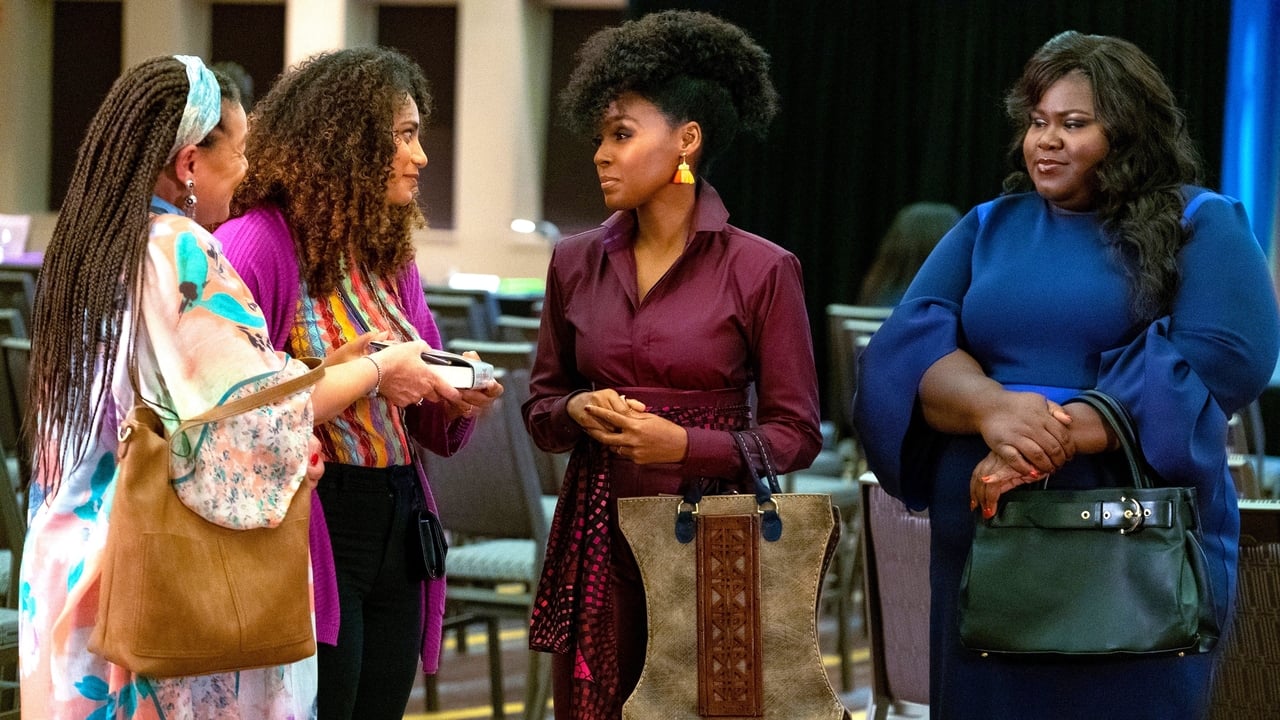
The problem is that the film spends so much time on the "how" of the torture and the "look" of the setting that it forgets to give its modern-day characters much to do. Gabourey Sidibe pops up as Veronica’s best friend, Dawn, and she is a godsend. She provides the only moments of genuine levity in the entire 105 minutes. Every time she was on screen, I found myself wishing the movie was just a comedy about her and Janelle Monáe getting brunch and roasting people. Instead, we’re dragged back into a plot that feels like a high-budget episode of The Twilight Zone that forgot to bring the popcorn.
A Product of its Moment
Looking back at Antebellum now, it feels like a fascinating artifact of the "Post-Peele" boom. After Get Out changed the landscape, studios were desperate for "socially conscious horror," but this film proves that you can’t just swap out a slasher for a historical trauma and call it a day. The "twist"—which I won't spoil, though the trailer nearly did—turns the movie from a supernatural mystery into a gritty, low-rent The Village clone.
There was a lot of talk on social media upon its VOD release about "trauma porn," and I can see why. There’s a sequence involving a branding iron that felt less like a narrative necessity and more like an attempt to provoke the audience into a reaction. It’s a film that wants to be "important" so badly that it forgets to be a cohesive movie. It’s visually stunning, and Janelle Monáe is a certified movie star, but the internal logic of the villains' secret society is so flimsy that the whole plot would fall apart if anyone had just checked their GPS.
Ultimately, Antebellum is a movie I respect more for its ambition than its execution. It’s a gorgeous-looking film that tackles massive, painful themes with the subtlety of a sledgehammer. If you’re a fan of Janelle Monáe or you’re interested in how the "Streaming Era" tried to pivot theatrical releases into digital events during the pandemic, it’s worth a look. Just don't expect the narrative depth of the films it tries so hard to emulate. It’s a stylish, grim, and ultimately hollow experience that leaves you wishing the script had half the polish of the cinematography.
Keep Exploring...
-
Regression
2015
-
Morgan
2016
-
The Other Side of the Door
2016
-
Cult of Chucky
2017
-
Wish Upon
2017
-
Assassination Nation
2018
-
Goosebumps 2: Haunted Halloween
2018
-
Hell Fest
2018
-
The Possession of Hannah Grace
2018
-
The Strangers: Prey at Night
2018
-
Haunt
2019
-
The Prodigy
2019
-
Brahms: The Boy II
2020
-
Color Out of Space
2020
-
Gretel & Hansel
2020
-
Hubie Halloween
2020
-
The Craft: Legacy
2020
-
The Turning
2020
-
Willy's Wonderland
2021
-

Hellraiser
2022