Artemis Fowl
"A criminal mastermind lost in translation."
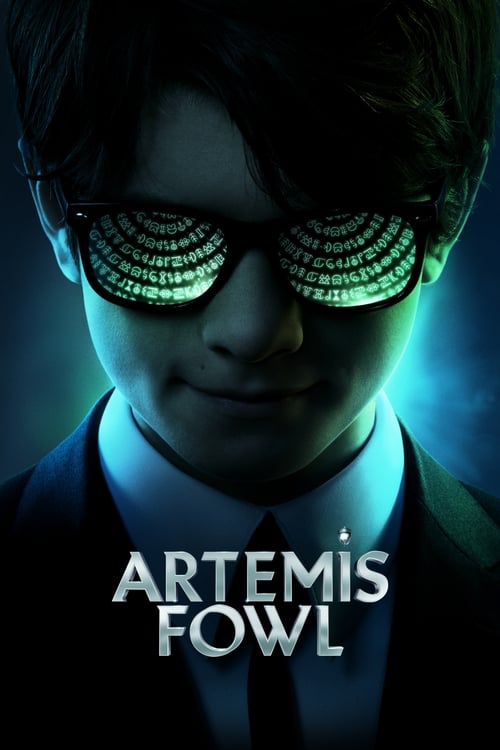
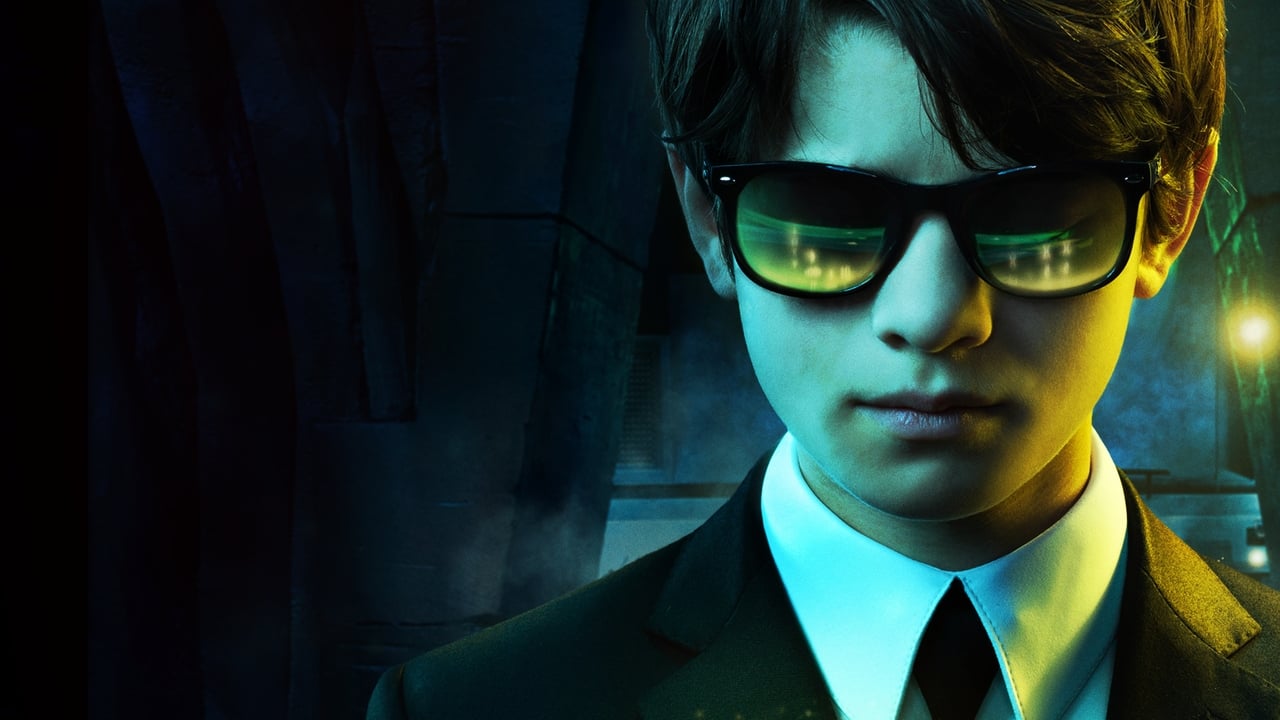
If you were a certain kind of kid in the early 2000s, the name Artemis Fowl was synonymous with a specific, delicious brand of arrogance. He was the pre-teen Michael Corleone with a computer—a cold-blooded genius who would rather steal a fairy’s pot of gold than play a game of catch. So, watching him unironically hang ten on a surfboard within the first five minutes of his big-budget debut felt less like a character introduction and more like a public execution of everything that made the books special.
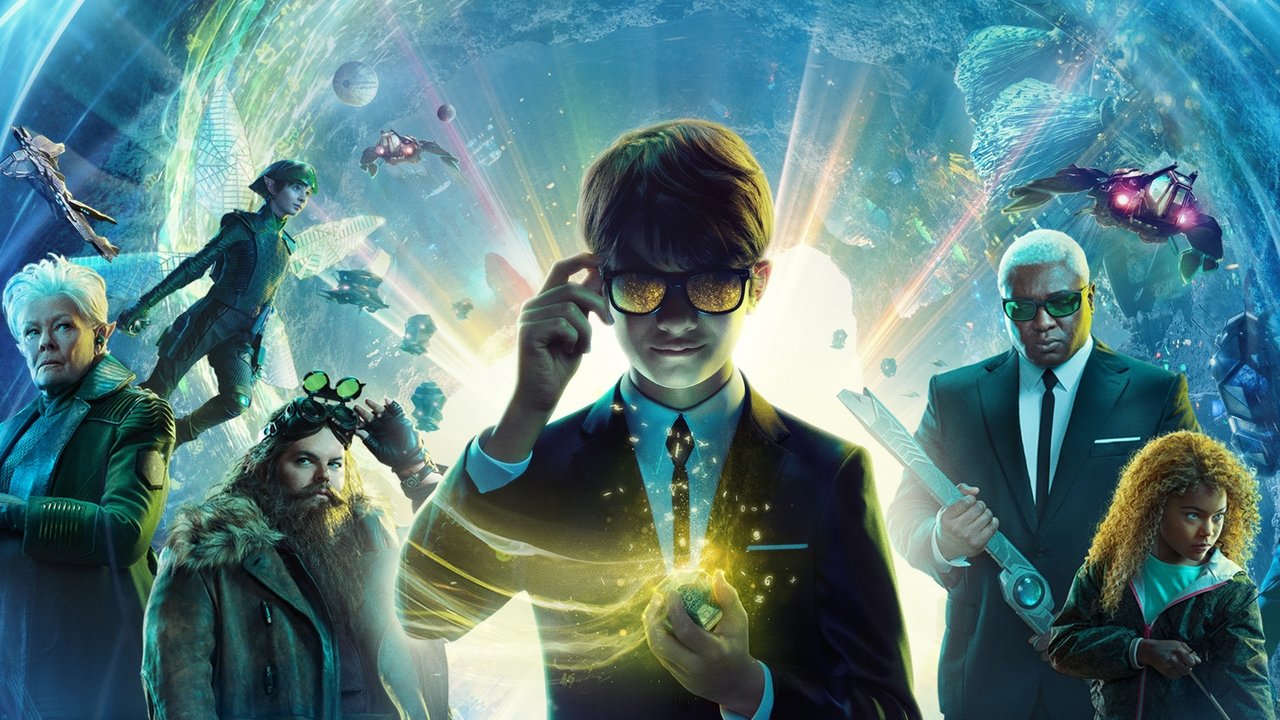
I watched this film on a Tuesday afternoon while wearing mismatched socks, and I spent a solid ten minutes of the runtime trying to figure out if the left one was actually navy blue or just exceptionally dirty. Usually, a movie should be engaging enough to prevent that kind of wardrobe-based existential crisis, but Kenneth Branagh’s Artemis Fowl has a strange, sedative effect. It’s a $125 million puzzle where none of the pieces actually belong to the same box.
From Anti-Hero to Generic Skater Boy
The biggest hurdle for anyone who grew up reading Eoin Colfer’s novels is the fundamental lobotomy performed on the protagonist. In the books, Artemis is a villain who slowly learns to be a person. In the film, Ferdia Shaw plays him as a standard-issue "Chosen One" who misses his dad. By sanding down the character’s sharp edges to make him "relatable," the production stripped away the only thing that made the IP unique in a sea of Harry Potter clones.
Ferdia Shaw (grandson of the legendary Robert Shaw from Jaws) does what he can with the material, but he’s trapped in a script that doesn’t know who he is. He’s flanked by Nonso Anozie as Butler, who brings a much-needed physical presence to the screen, though even he is sidelined by a plot that moves at a breakneck speed toward nowhere in particular. The film clocks in at a lean 94 minutes, but it feels like a three-hour epic that has been aggressively edited by someone with an appointment they couldn't miss.
The world-building is where the "Science Fiction" label gets a workout. We are introduced to Haven City, an underground high-tech metropolis where fairies use plasma rifles and time-stop technology. It looks expensive, certainly, but it lacks the lived-in texture that Kenneth Branagh brought to the early MCU with Thor. It feels less like a hidden civilization and more like a very high-end screensaver.
Digging for Diamonds in a Muddy Script
If there is a bright spot—or at least a loud one—it’s Josh Gad as Mulch Diggums. Taking a break from being a lovable snowman in Frozen, Gad adopts a voice that sounds like he’s been eating a bowl of gravel and thumb-tacks for breakfast. He provides the narration, which is the film’s first mistake; it’s a classic "show, don't tell" failure where he explains the plot to us because the movie doesn't have time to actually let it happen.
Then there is Lara McDonnell as Captain Holly Short. In a film that feels largely manufactured in a lab, she actually feels like she’s trying to inhabit a character. Her chemistry with Ferdia Shaw is one of the few things that almost works, giving us a glimpse of the "buddy cop" dynamic that made the books so fun. Unfortunately, she’s often drowned out by the noise of the "Acentauri" technology and a plot involving a McGuffin called the Aculos, which—and I cannot stress this enough—does not exist in the books.
The inclusion of Colin Farrell (who was so brilliant in Branagh’s Belfast and the cult hit In Bruges) as Artemis’s father feels like a late-stage addition to add some emotional stakes, but he’s mostly relegated to being a hologram or a prisoner. It’s a waste of a great actor in a film that seems terrified of letting its characters sit still for more than thirty seconds.
The Ghost of a Global Franchise
Why did this film vanish so quickly? Released in mid-2020, it became one of the first major casualties of the pandemic's impact on cinema. Disney shifted it from a theatrical release to a Disney+ "original," effectively burying it in the streaming algorithm. But even without a global shutdown, Artemis Fowl was fighting an uphill battle. It’s a victim of "franchise-starter syndrome," where a movie is so busy setting up a sequel that it forgets to be a satisfying experience on its own.
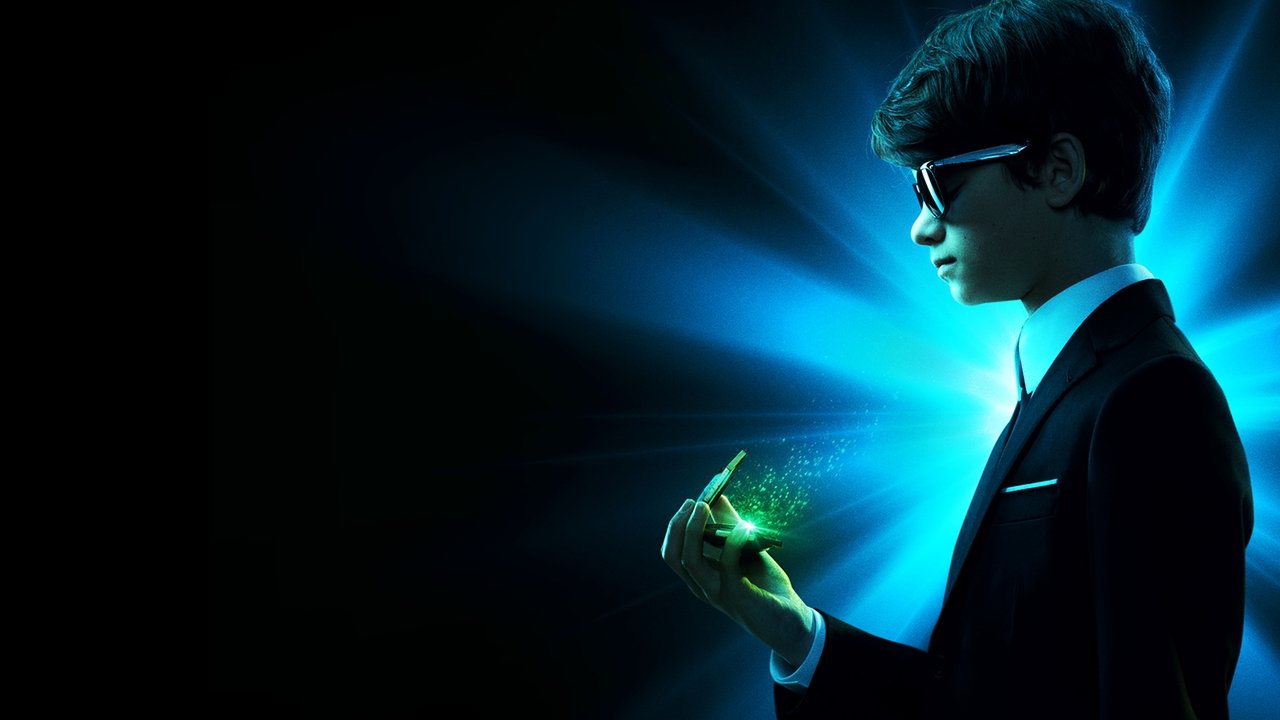
The CGI is impressive in a technical sense—the "Time Freeze" sequences are visually ambitious—but the film lacks the soul required to make us care about the pixels. It’s a contemporary example of IP-driven filmmaking where the goal was clearly to build a "universe" before they had even built a solid foundation.
Despite the pedigree behind the camera—with cinematography by Haris Zambarloukos and a score by Patrick Doyle—the film feels anonymous. It’s a curiosity now, a footnote in the history of failed YA adaptations that reminds us that no amount of money can fix a story that has had its heart surgically removed. For fans of the books, it’s a baffling "what if?" For everyone else, it’s a 94-minute reminder of why we sometimes get tired of the same old franchise formulas.
If you’re a completionist for Kenneth Branagh’s filmography or just want to see Josh Gad unhinge his jaw like a snake to eat dirt, Artemis Fowl is an interesting weekend watch. It represents a specific moment in late-2010s cinema where studios were desperate to find the "next big thing" and ended up losing the "current good thing" in the process. It's a shiny, loud, and ultimately empty vault that even a criminal mastermind wouldn't bother breaking into.

Keep Exploring...
-
Strange World
2022
-
Wish
2023
-
A-X-L
2018
-

Pinocchio
2022
-
Knights of the Zodiac
2023
-

Pan
2015
-
Ice Age: Collision Course
2016
-
The Nutcracker and the Four Realms
2018
-
Olaf's Frozen Adventure
2017
-
Alvin and the Chipmunks: The Road Chip
2015
-
Rebel Moon - Part Two: The Scargiver
2024
-
Scooby-Doo! Return to Zombie Island
2019
-
The Addams Family 2
2021
-
Cinderella
2015
-

Minions: The Rise of Gru
2022
-

Uglies
2024
-
Race to Witch Mountain
2009
-
Pixels
2015
-
The SpongeBob Movie: Sponge Out of Water
2015
-
Tomorrowland
2015