Brahms: The Boy II
"New family. Same rules. Deadlier game."
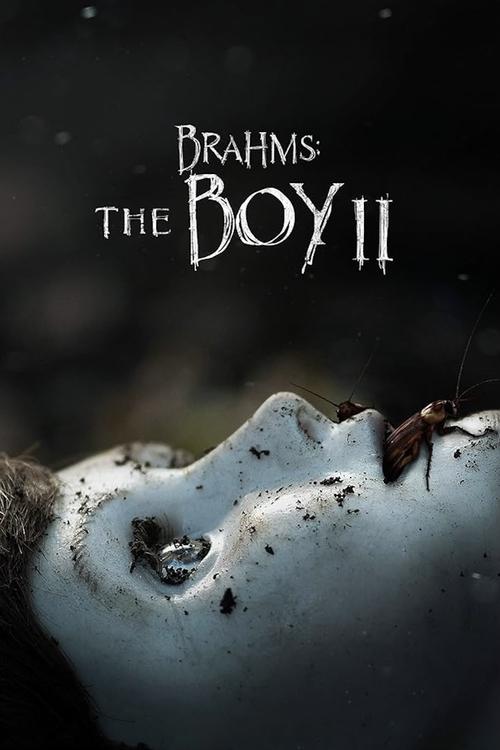
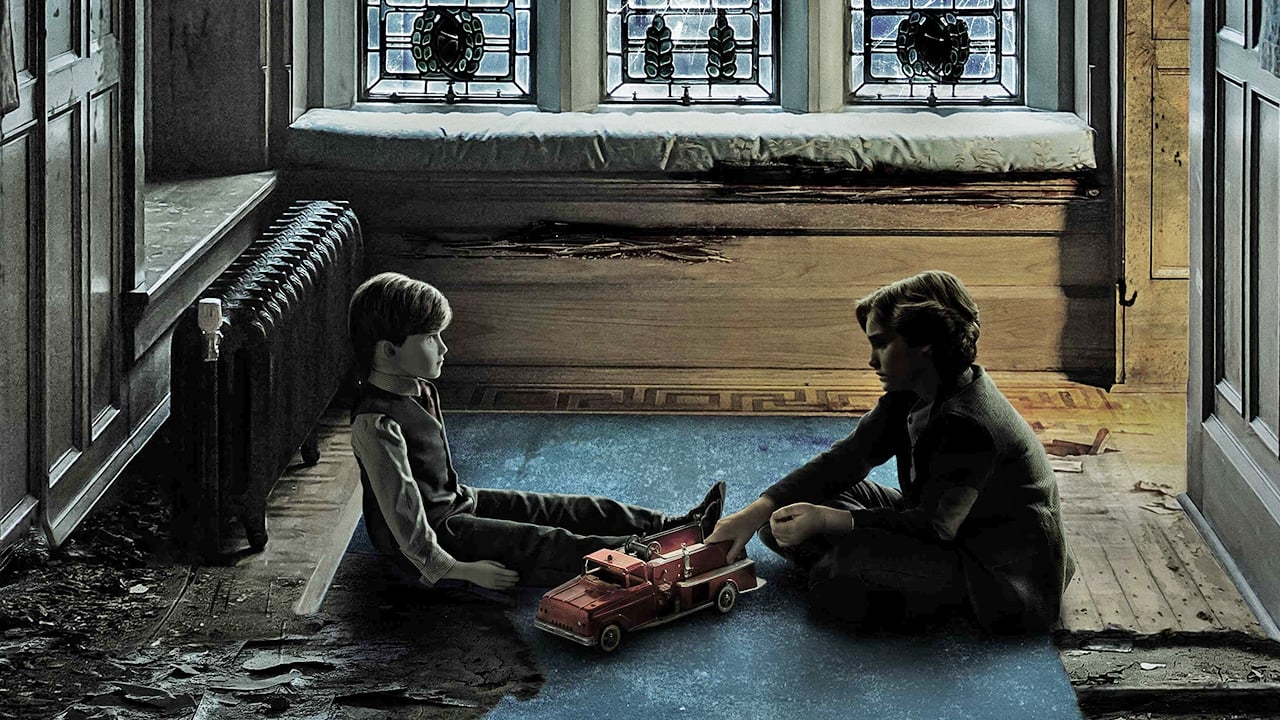
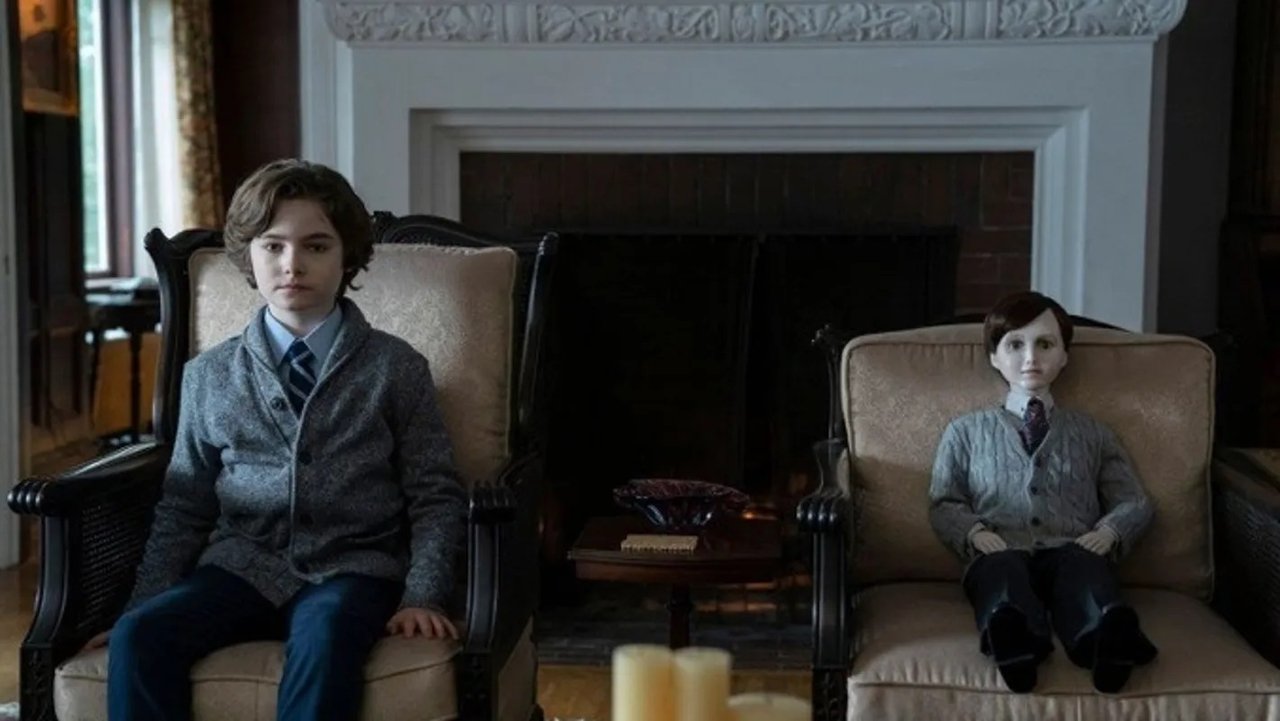
There is something inherently upsetting about a porcelain doll that looks like it’s judging your life choices from a dusty shelf. In 2016, The Boy gave us a surprisingly clever subversion of the "haunted toy" trope by revealing that the doll, Brahms, wasn't possessed at all; he was just a prop for a grown man living inside the walls of a gothic mansion. It was a grounded, somewhat tragic twist that set it apart from the Annabelle clones of the era. Fast forward to 2020, and William Brent Bell returns to the director's chair for Brahms: The Boy II, a sequel that looks at that original grounded premise and decides to set it on fire.
Rewriting the Rules of the Game
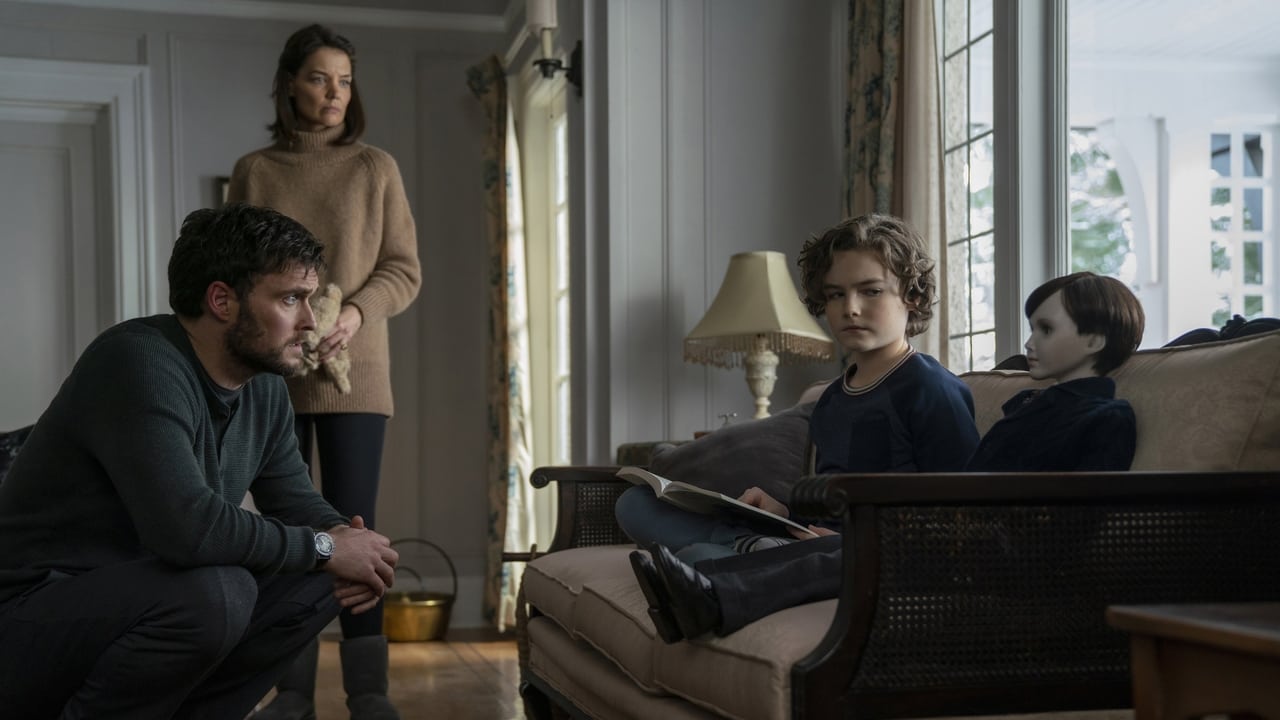
In this outing, we follow Liza, played by Katie Holmes, her husband Sean (Owain Yeoman), and their young son Jude (Christopher Convery). The family is reeling from a violent home invasion in London—a sequence that actually provides a gritty, high-stakes opening—and they decide to retreat to a guest house on the sprawling, fog-drenched Heelshire estate to heal. Of course, "healing" in a horror movie involves finding a dirt-covered doll buried in a shallow grave. Jude, who has stopped speaking due to trauma, starts communicating solely through the doll, and predictably, the doll’s "rules" start appearing on scraps of paper.
I watched this while trying to peel a very stubborn clementine, and I think I spent more time wrestling with the zest than I did wondering if Jude was going to survive the first act. There’s a certain comfort in these mid-budget horror films, but The Boy II struggles with its own identity. It feels caught between being a psychological drama about PTSD and a full-blown supernatural slasher. This movie basically gaslights the audience into forgetting the cleverness of the first film. Instead of the "man in the walls" reality, the sequel pivots hard into supernatural territory, suggesting the doll itself has an ancient, malevolent history. It’s a move that feels designed to fit better into a streaming-friendly "cinematic universe" but robs the franchise of its most unique trait.
Atmospheric Chills and Wasted Potential
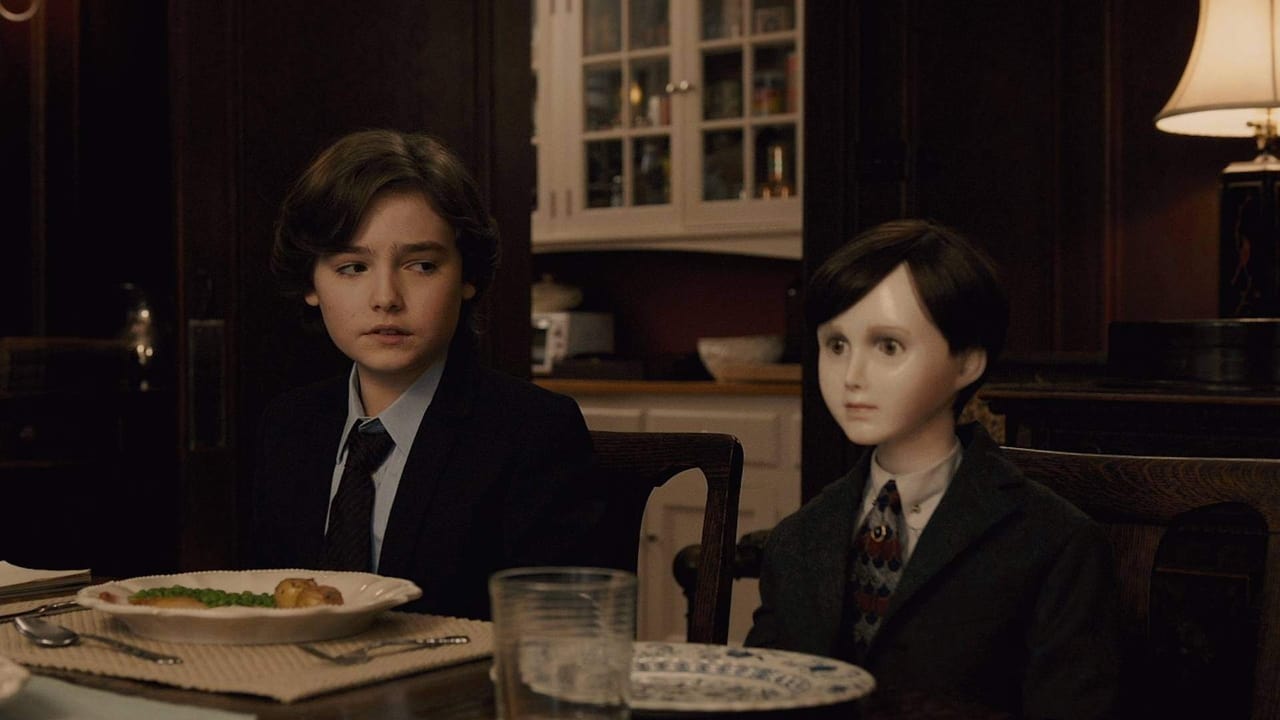
Despite the narrative backtrack, the film isn't without its charms. The cinematography by Karl Walter Lindenlaub (who shot Independence Day and The Haunting) is genuinely lush. The Heelshire estate is all muted greys, deep shadows, and wet English moss. It looks expensive, even if the script feels a bit thin. Katie Holmes delivers a committed performance as a mother grappling with her own escalating paranoia, and her chemistry with Christopher Convery makes the stakes feel personal, even when the plot becomes absurd.
Then there’s the arrival of Joseph, a local groundskeeper played by the legendary Ralph Ineson. If you need someone to show up and make a scene feel 40% more ominous just by standing there, Ralph Ineson is your man. His deep, gravelly voice—familiar to anyone who loved The Witch—adds a much-needed weight to the lore. However, even his presence can't quite distract from the fact that the biggest jump scare in this movie is the realization that they’re throwing away the only clever thing the first film did. The tension is often broken by "fake-out" scares—dreams within dreams or loud musical stingers—that feel a bit dated in the era of "elevated horror" like Hereditary or Smile.
The 2020 Box Office Ghost Town
Released in late February 2020, Brahms: The Boy II holds a strange place in cinema history as one of the last movies many people saw in a theater before the world changed. It arrived just as the pandemic began to shutter cinemas, which explains why it feels like it vanished from the collective consciousness almost instantly. It was a "tweener"—a film caught between the death of the mid-budget theatrical horror release and the rise of the "straight to digital" era.
Behind the scenes, the film faced several delays, originally slated for mid-2019. This usually suggests a studio unsure of how to market the product. When it finally landed, it doubled its $10 million budget, which is a success by any metric, yet it left fans of the original feeling betrayed by the retcon. The production, backed by Roy Lee (the powerhouse producer behind It and Barbarian), clearly had the resources, but the script by Stacey Menear feels like it’s trying to have its cake and eat it too—keeping the doll as a psychological tool while shoehorning in a demonic backstory that the first film explicitly debunked.
Ultimately, Brahms: The Boy II is a gorgeous-looking film that suffers from a severe case of "sequel-itis." It’s perfectly watchable for a rainy Sunday afternoon if you want to soak in some rainy British atmosphere and watch Katie Holmes look intensely concerned at a piece of porcelain. However, by turning its back on the unique twist of the original, it becomes just another face in the crowded gallery of creepy doll movies. It’s a film that works better as a standalone ghost story than a continuation of the Heelshire legacy.
Keep Exploring...
-
The Boy
2016
-
Regression
2015
-
Polaroid
2019
-
Color Out of Space
2020
-
Gretel & Hansel
2020
-
Escape Room: Tournament of Champions
2021
-

Old
2021
-
Watcher
2022
-
Immaculate
2024
-

The Lodge
2020
-
Orphan: First Kill
2022
-
Secret in Their Eyes
2015
-
Survivor
2015
-

Morgan
2016
-
The Other Side of the Door
2016
-
Suburbicon
2017
-
Wish Upon
2017
-
Anon
2018
-
Assassination Nation
2018
-
Hell Fest
2018