Bye Bye Morons
"Love, death, and the paperwork in between."
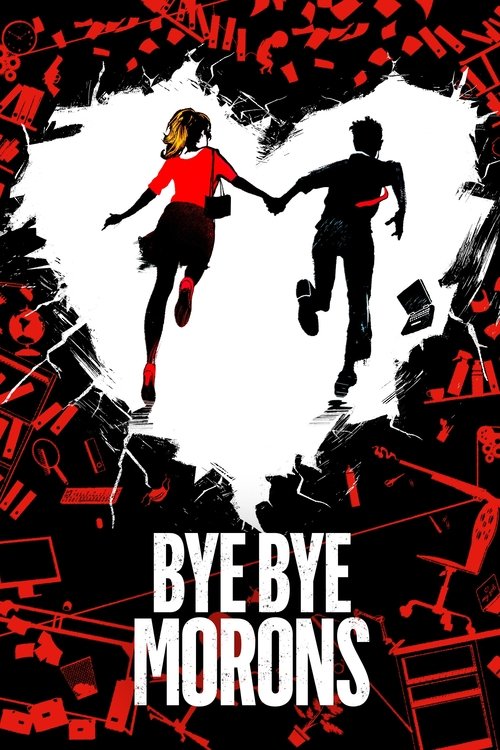
I watched Bye Bye Morons (originally Adieu les cons) while wearing a pair of impossibly itchy wool socks I bought in a fit of "hygge" lifestyle madness, and honestly, the low-level physical irritation perfectly complemented the film’s caffeinated anxiety. It’s a movie that understands exactly how it feels to be trapped in a digital-age labyrinth where the walls are made of red tape and the exit signs are just links to 404 error pages.
The film kicks off with a sequence that sets the tone for the next 87 minutes: JB (Albert Dupontel, who also wrote and directed) is a middle-aged IT specialist trying to commit suicide in his office. He’s been passed over for a promotion in favor of a younger, "sexier" tech-bro, and he’s done. But because this is a Albert Dupontel film, the suicide is a slapstick disaster. He misses his head, shoots the wall, and accidentally sends a bullet through the ceiling, nearly hitting a colleague. It’s dark, it’s messy, and it’s the most accurate depiction of corporate burnout ever committed to digital sensor.
A Trio of Modern Misfits
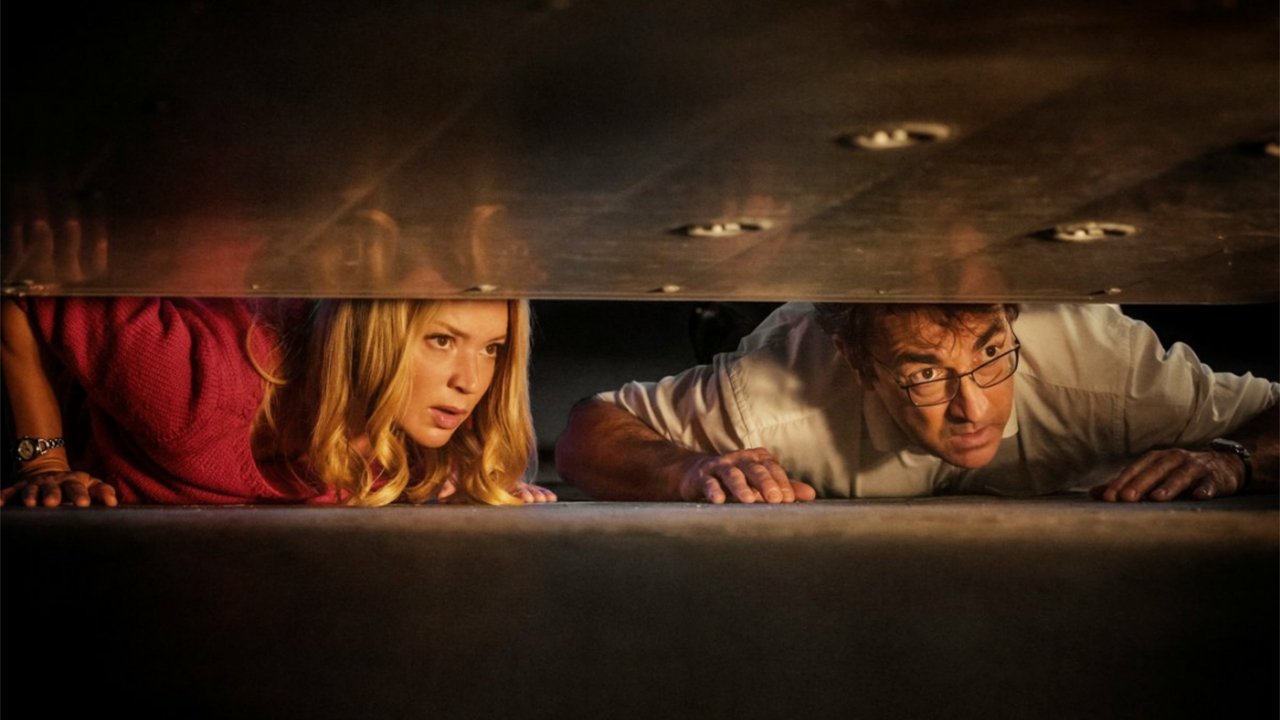
Enter Suze Trappet (Virginie Efira), a hairdresser who has just been told she’s dying of a rare respiratory illness caused by inhaling too many hairspray chemicals over the years. It’s a tragic setup, but Suze doesn’t want pity; she wants her son. At 15, she was forced to give up a baby for adoption, and now, with her clock ticking, she decides to find him. Her path collides with JB—who is currently running from the police after his botched "exit"—and Serge Blin (Nicolas Marié), a blind archivist with a personality that can only be described as "aggressively enthusiastic."
Virginie Efira is spectacular here. In an era where "strong female leads" are often written as emotionless action figures, she brings a desperate, vibrating humanity to Suze. You feel every second of her urgency. She’s the heart of the movie, while Albert Dupontel plays the straight man to the world’s absurdity, and Nicolas Marié steals every single scene he’s in as the blind man who insists on driving a car. Watching the three of them navigate a futuristic, neon-soaked version of Paris is like watching a Three Stooges routine directed by someone with a master's degree in existential dread.
The Gilliam Connection
If the visual style feels familiar, it’s because Albert Dupontel is a massive devotee of Terry Gilliam. He even dedicated the film to the Brazil director, and Gilliam himself shows up in a blink-and-you’ll-miss-it cameo as a gun salesman in a TV advertisement. The cinematography by Alexis Kavyrchine captures that specific "Gilliam-esque" clutter—wide lenses, distorted perspectives, and a color palette that feels like a sunset viewed through a smog filter.

For a contemporary film, Bye Bye Morons feels surprisingly tactile. Even though it deals with the cold reality of big data and facial recognition, the sets are cluttered with paper, old files, and mechanical leftovers. It’s a critique of our current moment: we have all the technology in the world to connect us, yet Suze can’t find her own son because the "system" wasn't designed for human needs. I found myself nodding along to the frustration—who hasn’t wanted to throw their laptop into a river after a three-hour session with an AI customer service bot?
Why Did This Slip Under the Radar?
Despite sweeping the César Awards in France (their version of the Oscars) and winning Best Film, Bye Bye Morons didn't make a massive dent in the international streaming landscape. Released in late 2020, it suffered from the global pandemic’s "stop-start" theatrical schedule. It was a massive box office hit in France during the brief windows when theaters were open, but it never quite translated that momentum to a worldwide audience. It’s a shame, because American comedies have become too polished and safe, losing the jagged, satirical edge that Dupontel sharpens here.
There are moments where the film leans a bit too hard into its own frantic energy, and if you aren't in the mood for subtitles and high-velocity French banter, it might feel a bit like being trapped in a pinball machine. However, the emotional payoff is surprisingly genuine. It doesn't end with a neat bow; it ends with a sigh and a realization that sometimes, the only way to beat a broken system is to find someone else who’s just as broken as you are.
Bye Bye Morons is a rare beast: a high-concept satire that actually cares about its characters. It’s short, punchy, and visually inventive in a way that puts most big-budget franchise films to shame. If you’ve ever felt like a tiny cog in a very stupid machine, this is the film for you. It’s currently floating around on various streaming platforms—seek it out before the algorithm decides to bury it under another mountain of reality TV reboots.
Stuff You Might Have Missed
Apparently, the film’s title was a bit of a headache for international distributors. In some markets, it was called Bye Bye Morons, in others Adieu les cons, and in a few, just Bye Bye. The "Cons" in the French title is a bit more vulgar than "Morons"—it’s a word that carries a specific weight of frustration that any French person stuck in a DMV queue would immediately recognize.
Interestingly, Albert Dupontel actually wrote the role of Suze specifically for Virginie Efira after seeing her in Victoria (2016). He needed someone who could play "disaster" and "grace" at the same time, and she nailed it. Also, the film’s budget of nearly $10 million is quite high for a French character-driven comedy, but you can see every cent on the screen in those gorgeous, distorted urban landscapes. It’s a beautiful-looking movie about a very ugly world.

Keep Exploring...
-

See You Up There
2017
-
My Life as a Zucchini
2016
-
Nothing to Hide
2018
-

La Belle Époque
2019
-

Benedetta
2021
-
Anomalisa
2015
-
Dope
2015
-

The Dressmaker
2015
-
Florence Foster Jenkins
2016
-

Toni Erdmann
2016
-
Whiskey Tango Foxtrot
2016
-
Battle of the Sexes
2017
-
Le Brio
2017
-
The Man Who Invented Christmas
2017
-

The Meyerowitz Stories (New and Selected)
2017
-

Stan & Ollie
2018
-
The Old Man & the Gun
2018
-
The Peanut Butter Falcon
2019
-

The Specials
2019
-
Riders of Justice
2020