Chemical Hearts
"First love is a slow-motion car crash."
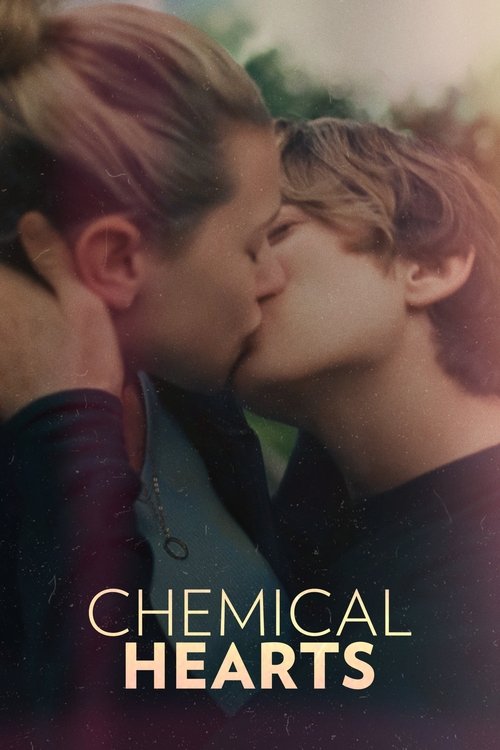
Teenage years are often sold to us as a highlight reel of high-definition emotions and cinematic sunsets, but anyone who actually survived them knows they feel more like a confusing, low-light basement party where someone just spilled punch on your favorite shoes. We’ve been drowned in "sick-teen" romances and glossy YA adaptations for a decade now, but every so often, a film arrives that feels like it actually bothered to check the pulse of real adolescent misery. I watched Chemical Hearts on a rainy Tuesday while my radiator clanked like a ghost trying to escape a Victorian radiator, and that metallic, unsettling rhythm felt like the perfect accompaniment to this particular brand of heartbreak.
The Anti-John Green Aesthetic
Released quietly on Amazon Prime in the middle of the 2020 pandemic lockdowns, Chemical Hearts suffered from the ultimate "wrong place, wrong time" syndrome. While the world was looking for escapism or comfort, director Richard Tanne (who previously gave us the surprisingly sweet Obama-date movie Southside with You) handed us a mood piece about the crushing weight of grief and the selfishness of teenage longing. It’s a film that exists in the shadow of the streaming boom—designed for an algorithm that favors "Young Adult Drama," yet possessing a somber, 35mm-grain soul that feels almost too quiet for the "scroll-past" era.
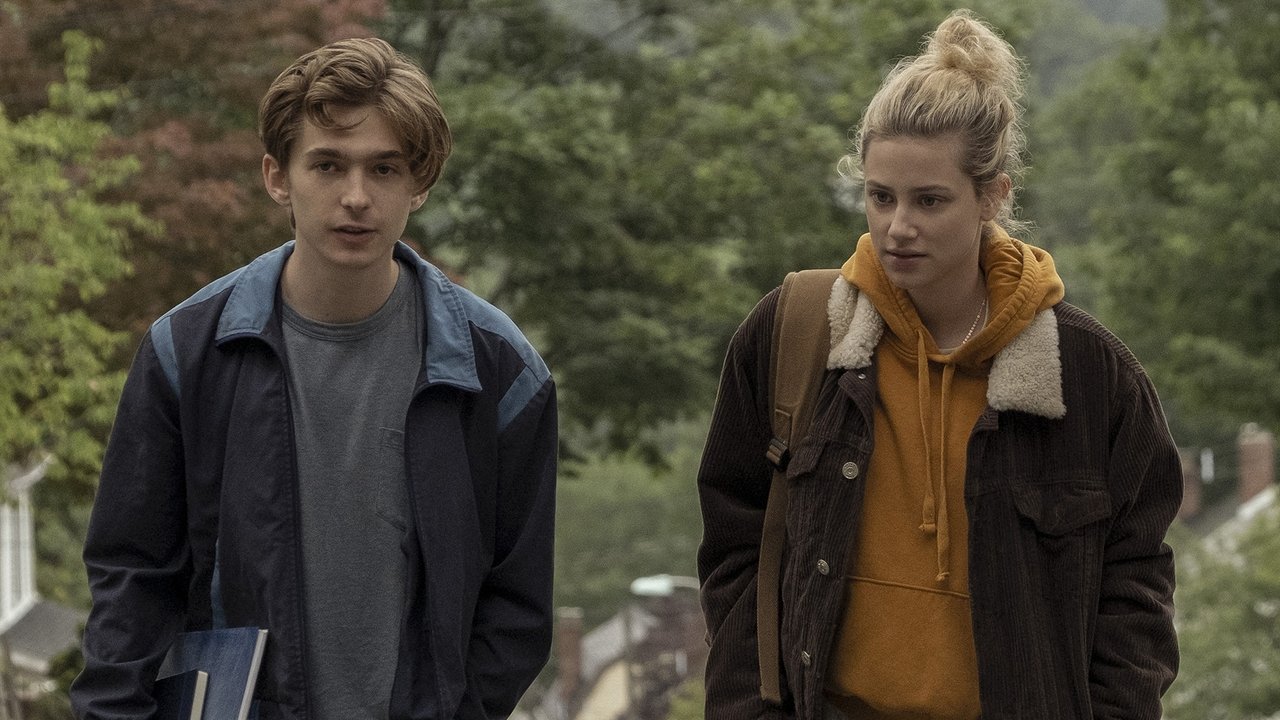
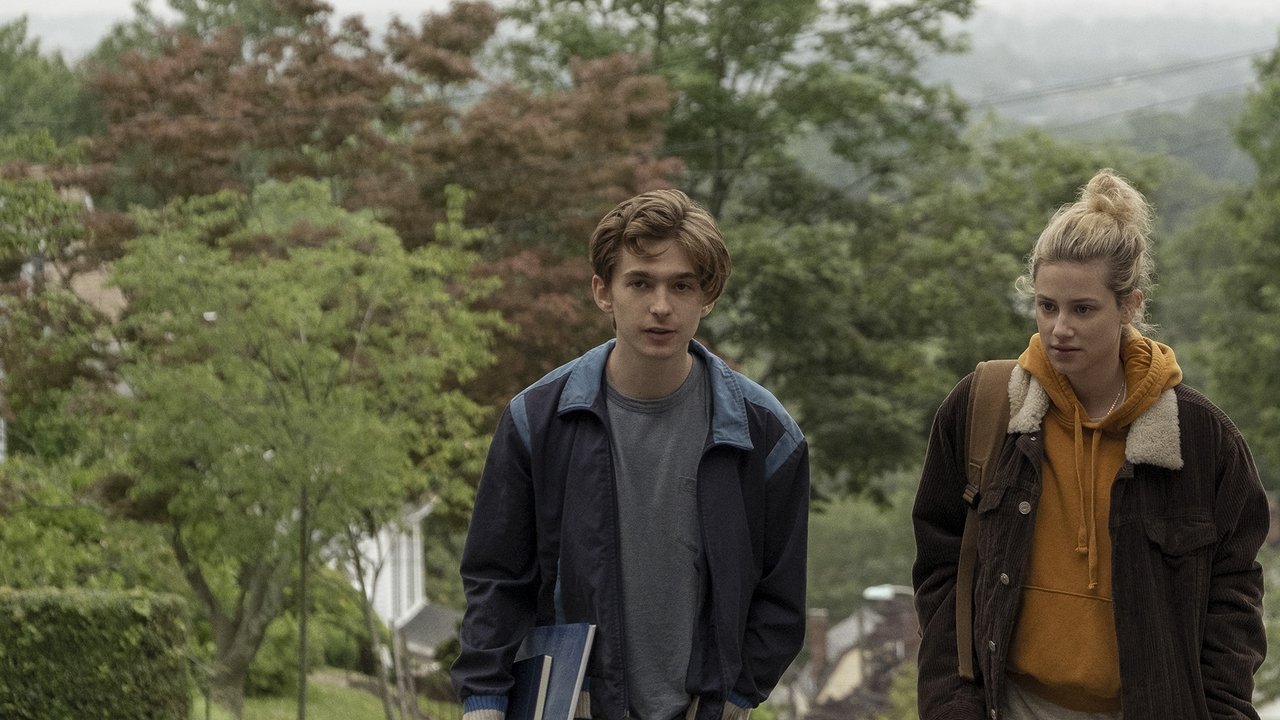
The story follows Henry Page, played with a wonderfully awkward, blank-slate vulnerability by Austin Abrams. Henry is a "hopeless romantic" in the way only a kid who has never actually been in a relationship can be. He’s waiting for his life to start, for the "movie moment" to arrive. It comes in the form of Grace Town (Lili Reinhart), a transfer student who walks with a cane, wears oversized men's clothes, and looks like she’s perpetually mourning a version of herself that no longer exists. Henry is essentially hunting for a Manic Pixie Dream Girl to fix, but Grace is a person-sized wreckage that refuses to be a project.
Performance Beyond the "CW" Gloss
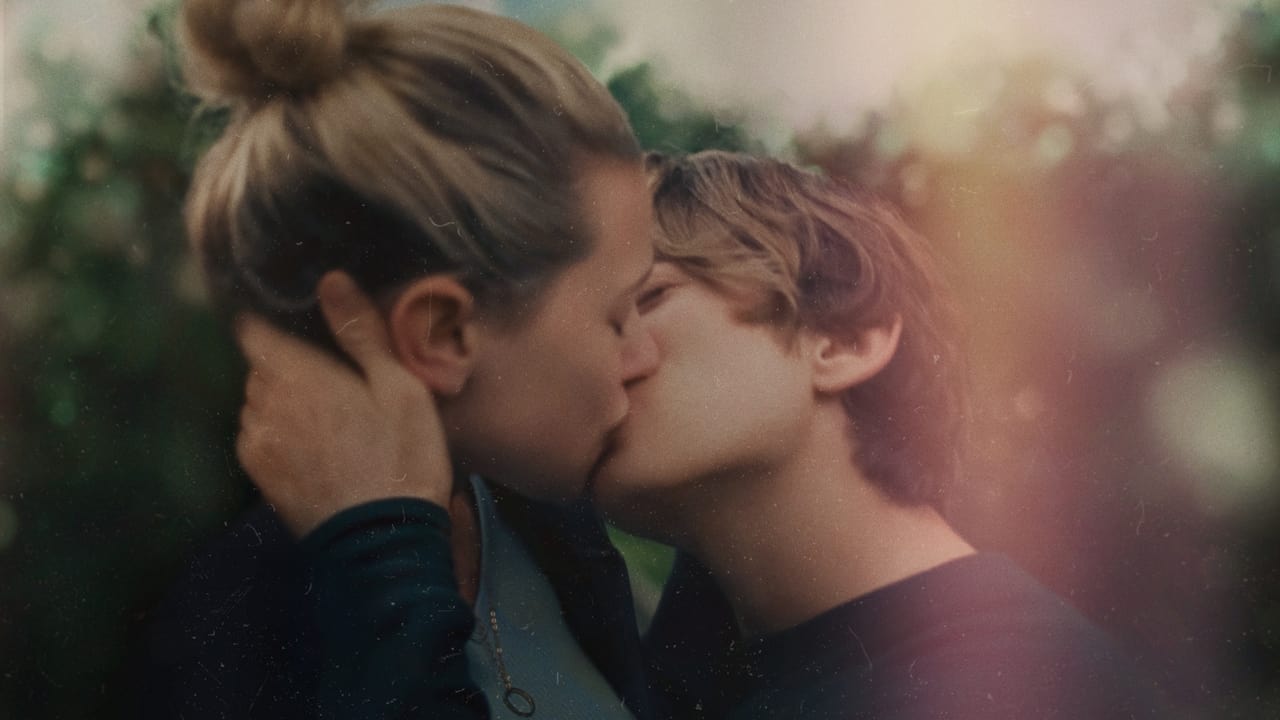
If you only know Lili Reinhart from the neon-lit absurdity of Riverdale, her work here is a genuine revelation. She executive produced the film, and you can tell she was hungry to strip away the makeup and the polished dialogue. As Grace, she carries a physical heaviness that is rare in teen cinema. She doesn't just "have a limp"; she looks like her entire skeletal structure is fighting against the air. There is a specific scene where she recites a poem in a car that could have been eye-rolling, but Reinhart anchors it in a exhaustion that feels lived-in.
Austin Abrams, who has carved out a niche playing the "sensitive weirdo" in things like Euphoria and Dash & Lily, is the perfect foil. He has this way of looking at Grace that is both sweet and incredibly irritating—the look of a boy who thinks his love is a magical currency that can buy someone’s recovery. The chemistry isn't "sparkly"; it's heavy and a bit damp, like a wool sweater that hasn't dried properly. It’s a brave choice for a romance to make you realize that the protagonist is actually being kind of an emotional vampire, feeding off a tragedy he doesn't understand.
Why It Slipped Through the Cracks
The film’s obscurity is partly due to the "Netflix-fication" of the genre. In an era where To All the Boys I’ve Loved Before set the standard for bright, punchy, hyper-stylized teen content, Chemical Hearts felt like it was invited to the wrong party. It’s slow. It’s beige. It’s obsessed with kintsugi—the Japanese art of repairing broken pottery with gold—a metaphor that the script perhaps leans on a little too heavily, but one that Richard Tanne captures with beautiful, lingering cinematography.
I suspect it also vanished because it refuses to give the audience the "triumphant" ending that the streaming era usually demands. It acknowledges that being seventeen is a temporary state of insanity driven by literal brain chemicals—hence the title. It’s a "Contemporary Cinema" artifact that tries to bridge the gap between the indie-sleaze sincerity of the 2000s and the high-production values of the 2020s. It’s not a masterpiece, but it’s a film that respects the fact that sometimes first love isn't a beginning, but a very necessary, very painful ending to childhood.
Chemical Hearts is a moody, slightly pretentious, but ultimately sincere look at the messiness of being "under construction." It’s the kind of movie you find at 2:00 AM when you’re already feeling a little bit sorry for yourself, and in that specific context, it hits like a freight train. It’s a reminder that Lili Reinhart is a formidable talent when she’s allowed to be miserable, and that the streaming era still has room for small, quiet stories about people who aren't okay. If you’re looking for a "happily ever after," keep scrolling, but if you want a film that understands why we keep our old, broken things, this is worth the 93 minutes.

Keep Exploring...
-

Far from the Madding Crowd
2015
-
High Strung
2016
-
Loving
2016
-
The Choice
2016
-

The Light Between Oceans
2016
-
Professor Marston and the Wonder Women
2017
-
Wonder Wheel
2017
-
Disobedience
2018
-
The Guernsey Literary & Potato Peel Pie Society
2018
-

The Aeronauts
2019
-
The Art of Racing in the Rain
2019
-
Tolkien
2019
-

Clouds
2020
-
I Still Believe
2020
-
Life in a Year
2020
-
The Half of It
2020
-
The Hating Game
2021
-

Bones and All
2022
-
Beautiful Disaster
2023
-
Priscilla
2023