Clouds
"Making a masterpiece out of a deadline."
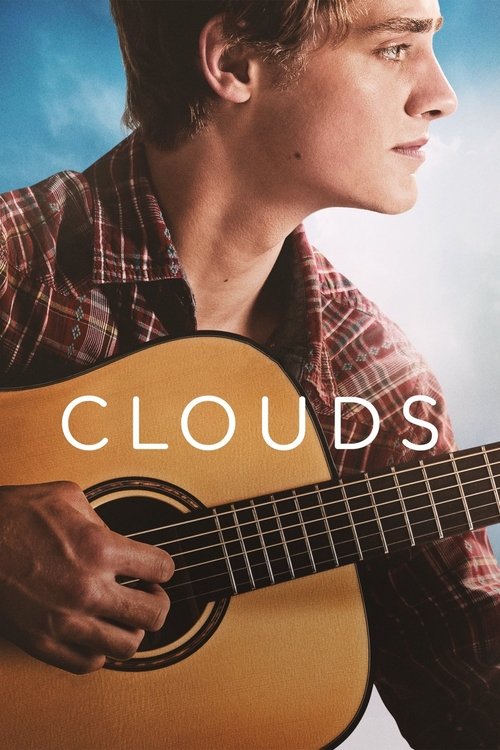
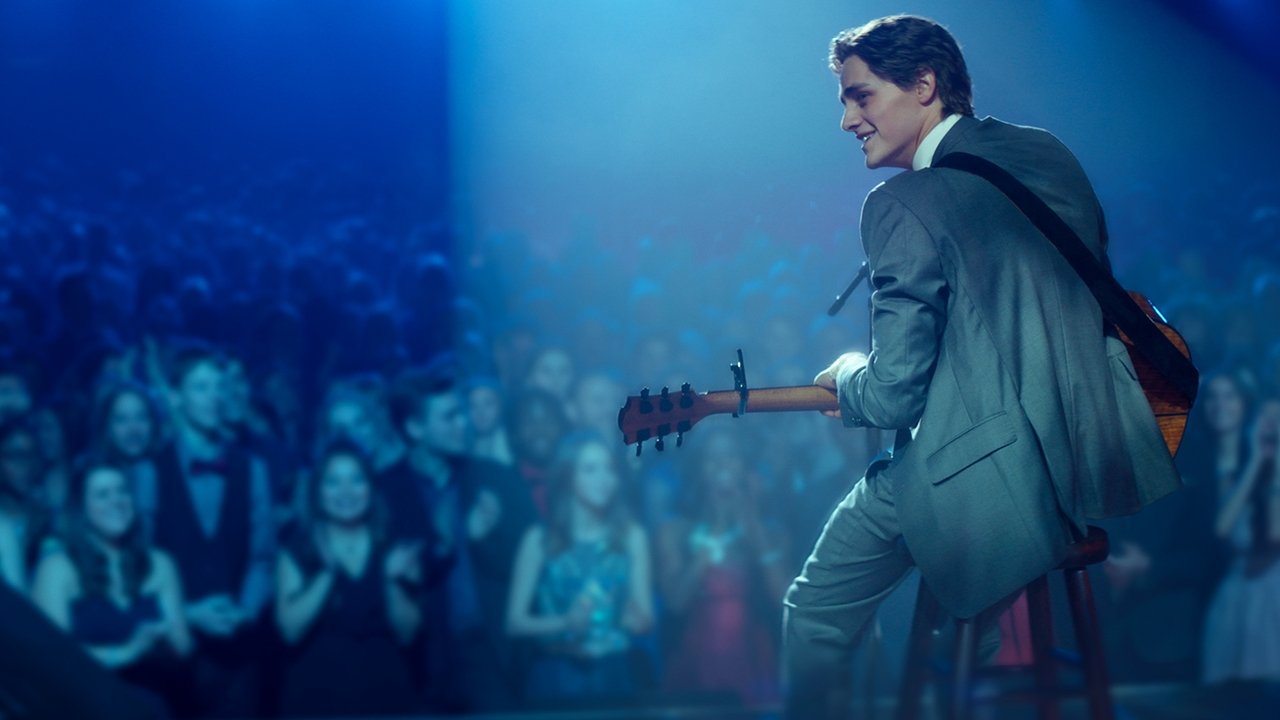
Most "sick teen" dramas feel like they were manufactured in a sanitized laboratory designed specifically to dehydrate the audience through excessive tear-shedding. You know the formula: the fluorescent hospital lights, the star-crossed lovers sharing an oxygen tank, and a soundtrack that works overtime to tell you exactly how to feel. But when I sat down to watch Clouds on my laptop—while my roommate was in the next room loudly failing to assemble a flat-pack IKEA nightstand—I realized I wasn’t watching a formula. I was watching a eulogy that had been written, composed, and performed in real-time.
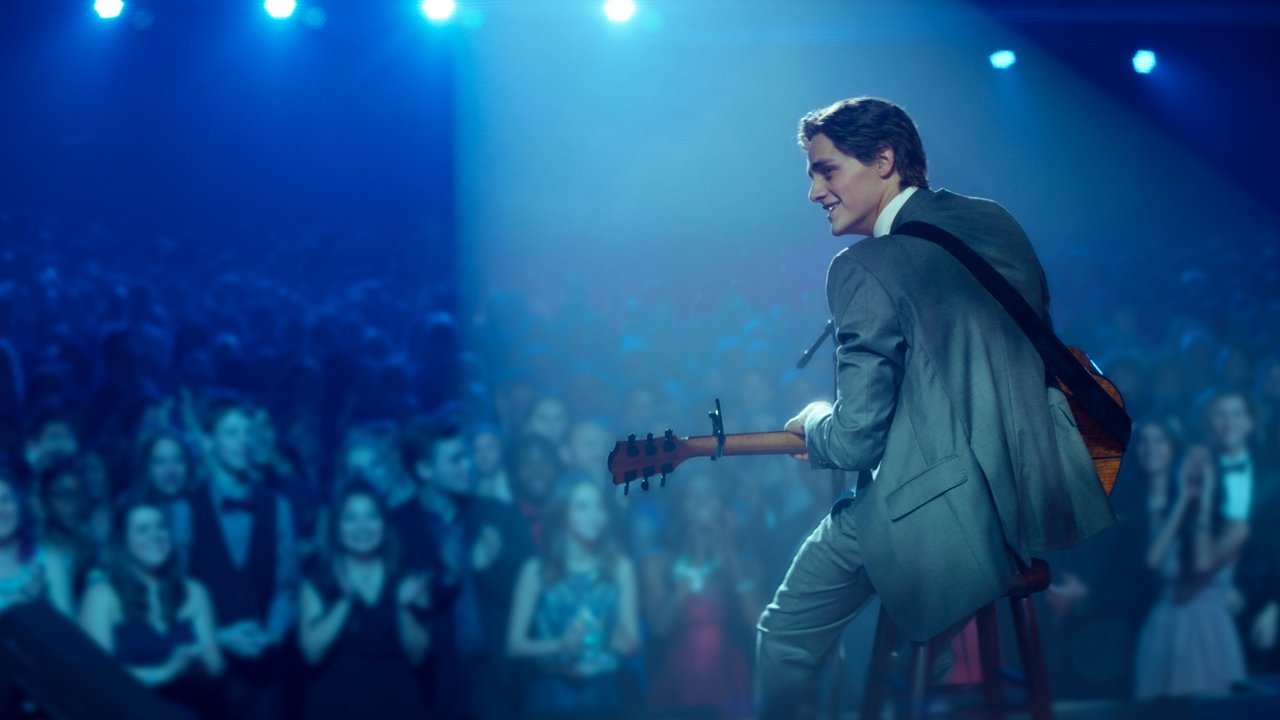
Released in the thick of the 2020 pandemic, Clouds arrived at a moment when the world was already grappling with a collective sense of fragility. It’s a Disney+ original that bypassed the traditional theatrical gauntlet, landing directly in our living rooms when we were most desperate for a reminder that life, however truncated, has a point. It tells the true story of Zach Sobiech, a teenager who, upon learning his osteosarcoma was terminal, decided to write a goodbye song that accidentally became a global sensation.
The Weight of a Ticking Clock
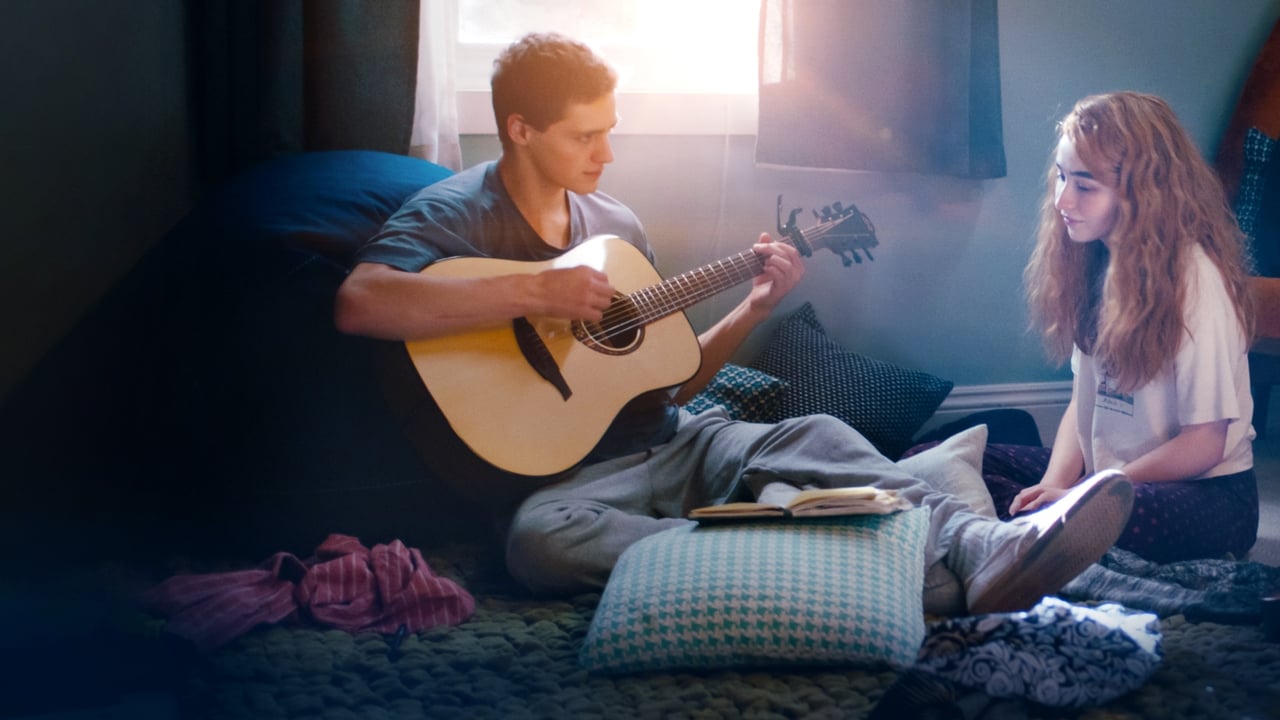
What fascinates me about Clouds isn't just the tragedy, but the philosophical urgency it places on the act of creation. In our current era of social media saturation, we’re obsessed with "going viral" as a means of validation. For Zach, played with a startling, open-nerved vulnerability by Fin Argus, the viral nature of his music wasn't a goal; it was a byproduct of a kid trying to leave a breadcrumb trail for the people he loved to find after he was gone.
Director Justin Baldoni approaches the material with a unique perspective. He had actually directed a documentary about the real Zach Sobiech years prior, which gives the film a layer of authenticity that many Hollywood biopics lack. You can feel that history in the way the camera lingers on the small, quiet domesticities of the Sobiech household. It doesn't just focus on the "big moments" of the illness. Instead, it looks at the intellectual burden of being a teenager who has to figure out the meaning of his existence before he’s even old enough to rent a car.
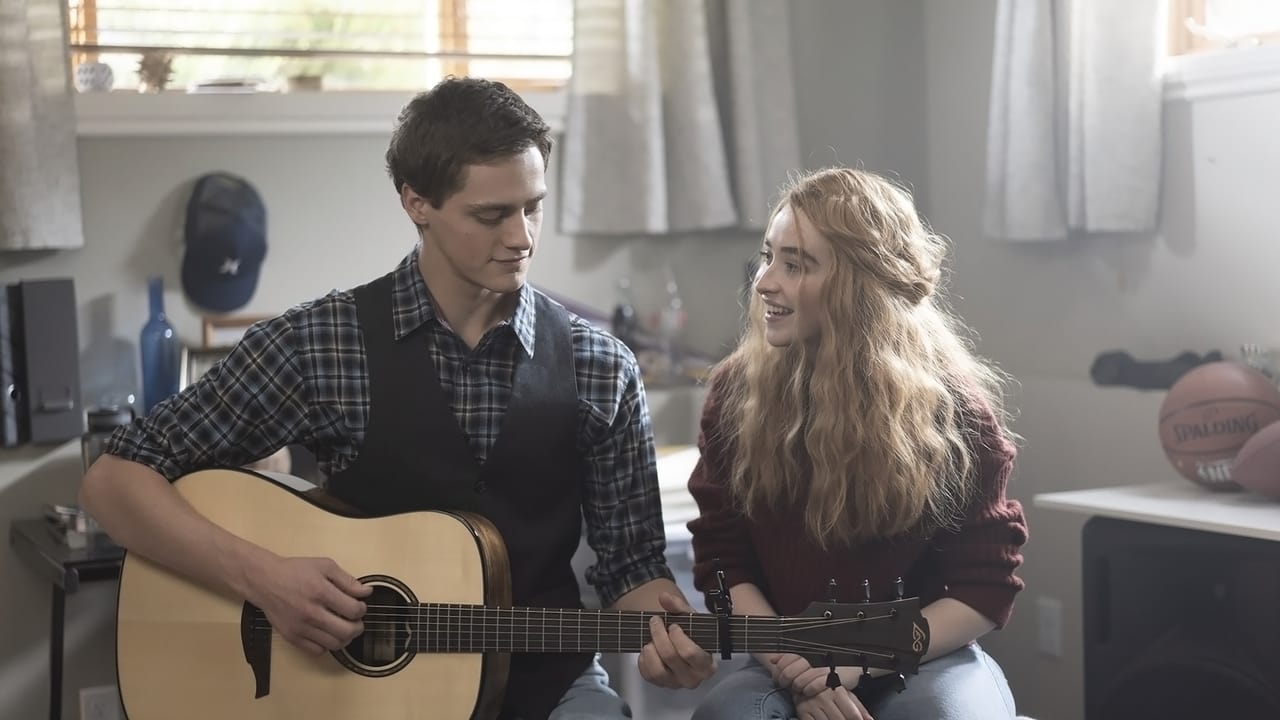
The film asks a heavy question: What do we owe the people we leave behind? Is it kinder to push them away to soften the blow, or to pull them closer and risk shattering them? Fin Argus and Sabrina Carpenter (playing his best friend and musical partner, Sammy) share a chemistry that feels lived-in and refreshingly platonic for much of the runtime. Carpenter, long before her current status as a global pop juggernaut, delivers a grounded performance that anchors the film’s more sentimental swings.
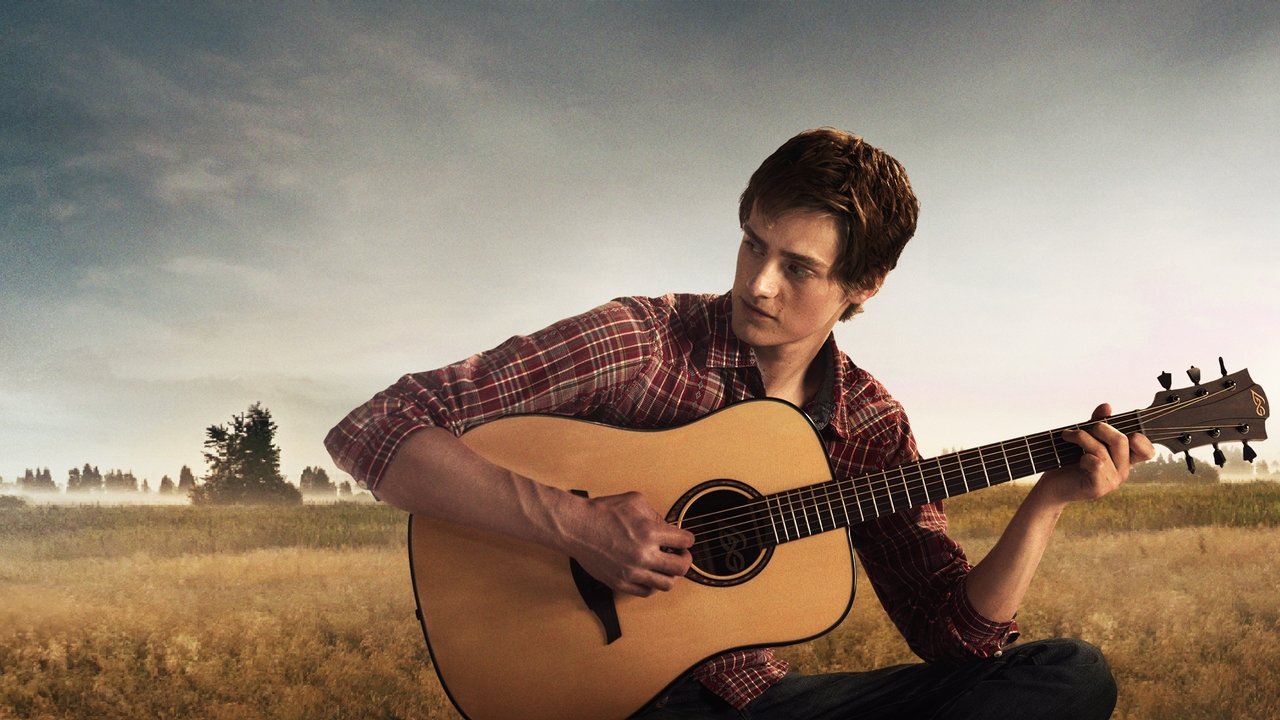
Performance and the Parental Perspective
While the younger cast carries the emotional weight of the "now," Neve Campbell and Tom Everett Scott provide a devastating look at the "after." In many YA dramas, the parents are glorified furniture—they exist to look worried in hallways. Here, they are central to the film’s exploration of grief as an ongoing process. Campbell, in particular, avoids the "saintly mother" trope, showing us a woman who is navigating the impossible math of celebrating her son's success while counting his remaining days.
The film’s relationship with technology is also quintessentially contemporary. It captures that specific 2010s moment when a YouTube upload could genuinely shift the cultural tectonic plates. But rather than focusing on the mechanics of fame, the script by Kara Holden uses the digital world as a mirror. We see how Zach’s music provides a digital immortality, a way for his voice to exist in a space where cancer can’t reach it. The film wears its heart so far out on its sleeve that it’s basically a fashion statement, but it earns its sentimentality because it feels like it’s honoring a real person rather than a character archetype.
A Legacy Beyond the Credits
There’s a scene where Lil Rel Howery, playing a teacher, gives Zach the prompt for his college essay. It’s the classic "What do you want to do before you die?" question. In a lesser movie, this would be the cue for a montage of skydiving and bucket-list checking. In Clouds, it triggers a deeper, more cerebral exploration of the "middle space"—the time between a diagnosis and the end where life actually happens.
If there’s a flaw, it’s that the film occasionally succumbs to the "Disney gloss." Everything is just a little bit too well-lit, and the edges of the actual physical decay of cancer are somewhat softened for a PG-13 audience. However, the emotional core remains jagged and real. It’s a film that argues that art isn't just a hobby; it’s a survival mechanism. Zach’s song "Clouds" isn't a masterpiece of musical complexity, but it’s a masterpiece of intent.
In an era of franchise dominance and CGI spectacles, Clouds stands as a reminder of what the mid-budget streaming drama can do best: tell a human story that invites us to sit with uncomfortable truths. It doesn't offer a cure, and it doesn't offer easy answers. It just offers a song and the suggestion that maybe, just maybe, the end isn't the most interesting part of the story.
Ultimately, Clouds succeeds because it refuses to treat Zach’s life as a tragedy. It treats it as a deadline that was met with incredible grace. It’s a movie that might make you want to call your mom, write a song, or at least stop procrastinating on whatever "tomorrow" project you’ve been putting off. Just make sure you have a box of tissues nearby—you’re going to need them more than my roommate needed that Allen wrench.
Keep Exploring...
-

Five Feet Apart
2019
-
I Still Believe
2020
-
CODA
2021
-
The Art of Racing in the Rain
2019
-
Gabriel's Inferno: Part II
2020
-
Gabriel's Inferno: Part III
2020
-
Life in a Year
2020
-
God's Own Country
2017
-
I Want to Eat Your Pancreas
2018
-
A Whisker Away
2020
-
Feel the Beat
2020
-
A Star Is Born
2018
-

Straight Outta Compton
2015
-
The Longest Ride
2015
-
High Strung
2016
-
Forever My Girl
2018
-
Love, Simon
2018
-
Midnight Sun
2018
-
Little Women
2019
-
All the Bright Places
2020