Color Out of Space
"The sky is leaking, and it’s a beautiful nightmare."
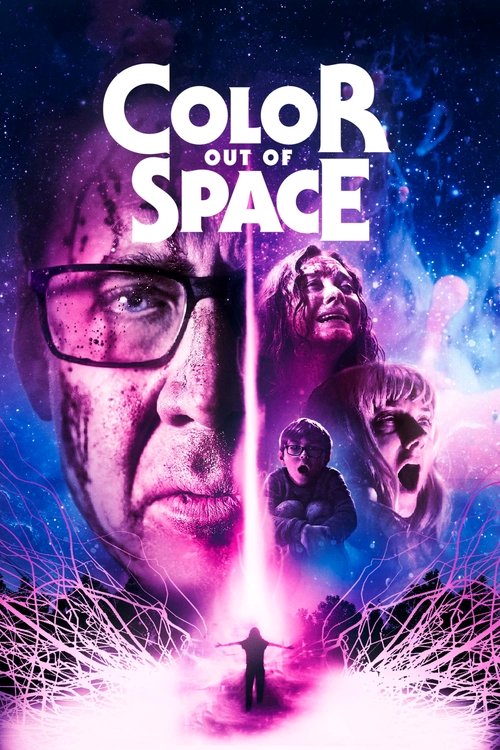
I was halfway through a bowl of lukewarm beet salad when the first "fusion" scene occurred in Color Out of Space, and I can honestly say I haven't been able to look at a root vegetable—or my own mother—the same way since. There is a specific brand of "what did I just see?" that only Nicolas Cage can facilitate, but when you pair him with a director who spent two decades in a self-imposed cinematic exile, you get something that feels less like a movie and more like a fever dream you’d have after accidentally licking a toad in a New England forest.
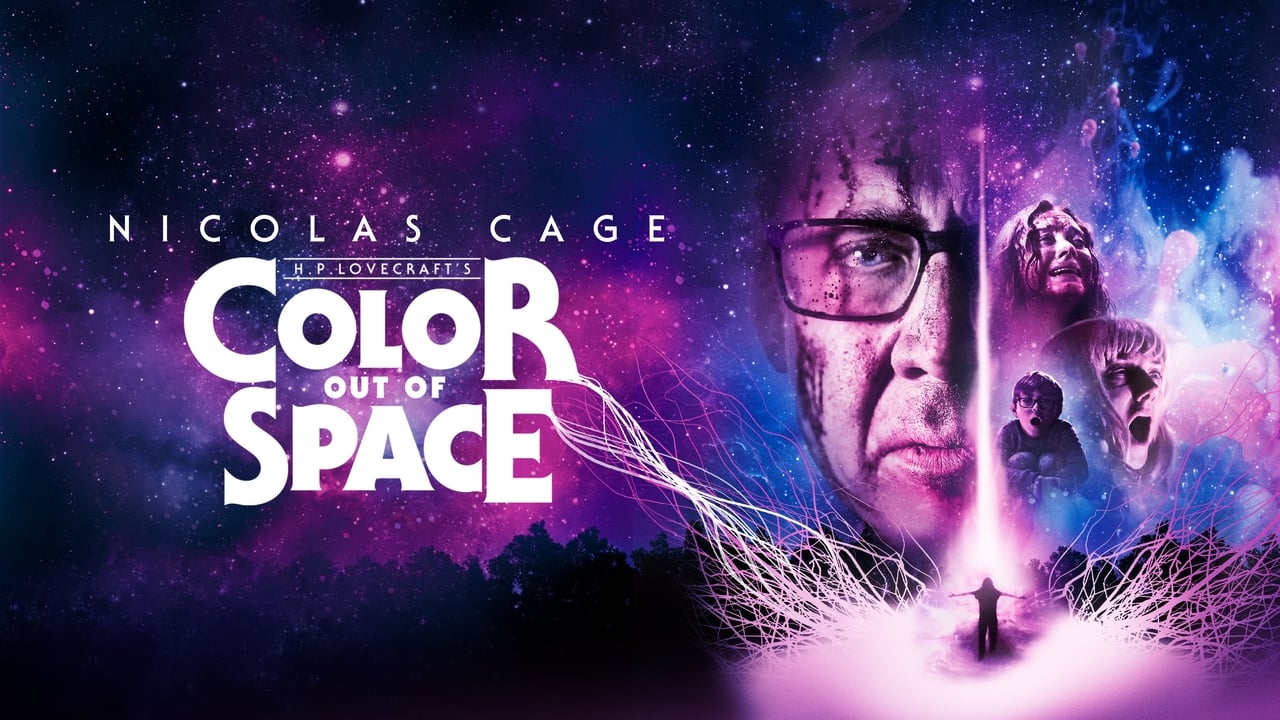
The Stanley Resurrection and the Cage Factor
For those who don't spend their weekends browsing the darker corners of IMDb, Richard Stanley is a bit of a mythic figure. After the legendary disaster of 1996's The Island of Dr. Moreau, he basically vanished. Seeing him return in 2020 to adapt H.P. Lovecraft—the high priest of "unfilmable" cosmic dread—felt like a glitch in the Matrix. But it's a glitch that works. Stanley understands that Lovecraft isn't just about tentacles; it’s about the crushing realization that the universe doesn’t care about your 401(k) or your organic alpaca farm.
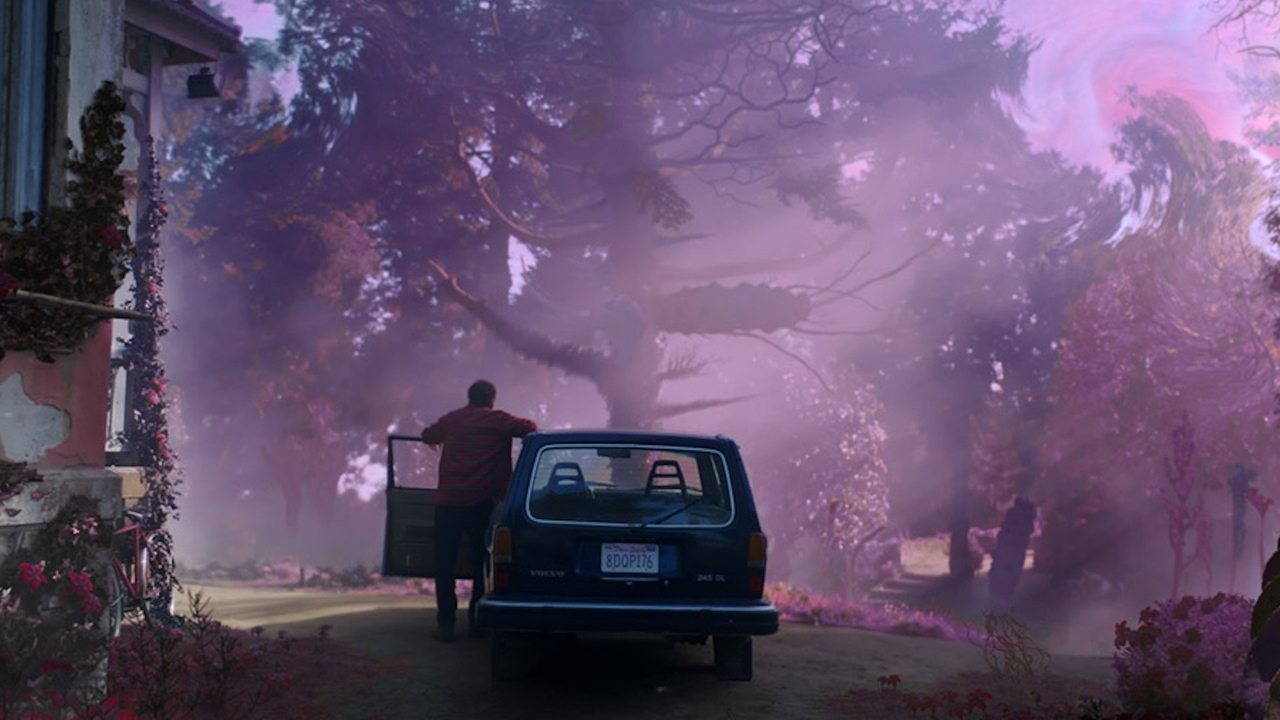
Speaking of alpacas, Nicolas Cage as Nathan Gardner is a choice that pays off in ways I didn't expect. At first, he’s playing it straight—a dorky dad trying to live the rural dream. But as the meteorite’s magenta glow starts infecting the groundwater, Cage begins to unspool. There’s a specific moment where he’s screaming about the "smell" of the car that reminded me why I love his current career phase. He’s not just "being crazy"; he’s portraying a man whose very DNA is being rewritten by a color he can’t even name. Cage-iness isn't a bug here; it’s a feature of a crumbling reality.
Making the Invisible Visible
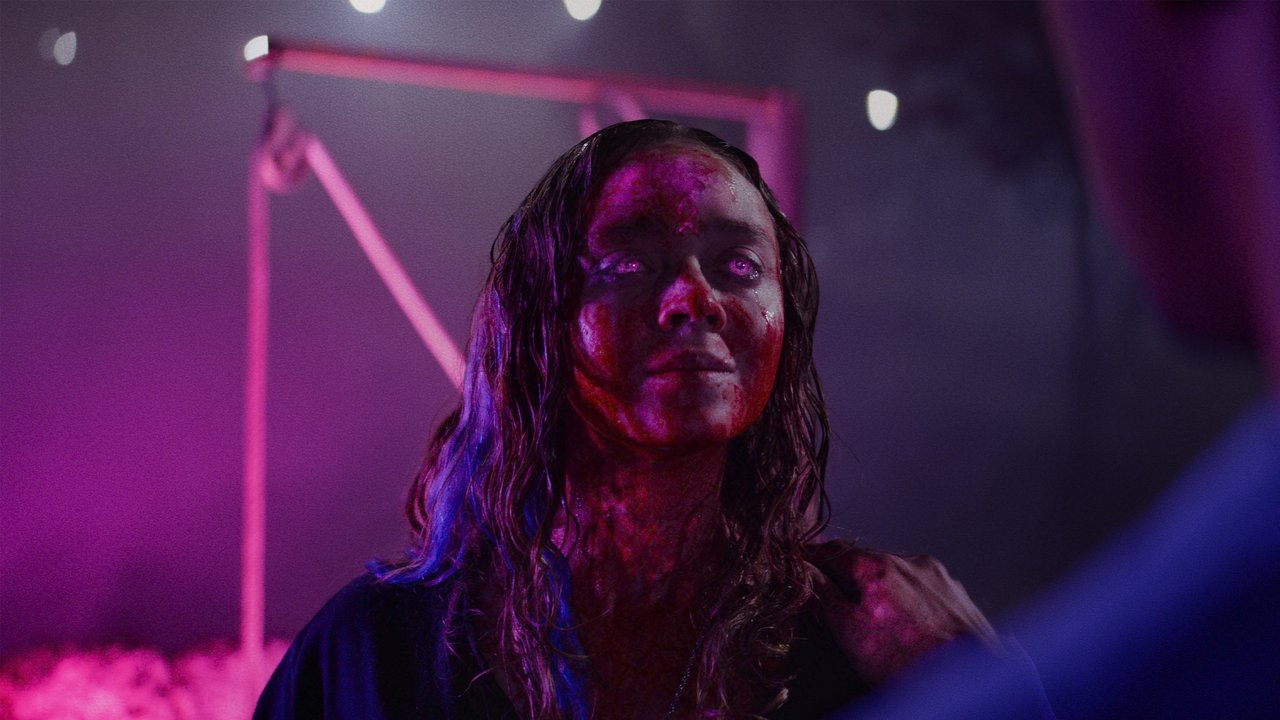
The biggest hurdle for any Lovecraft adaptation is the "Color" itself. In the original story, it’s a hue outside the human spectrum. How do you film that? Richard Stanley and cinematographer Steve Annis decided to lean heavily into a searing, electric magenta. It’s a bold move that makes the film feel incredibly contemporary. This isn't the dusty, sepia-toned horror of the 1970s; this is a neon-soaked nightmare that feels right at home in the era of Mandy (another Elijah Wood-produced SpectreVision joint).
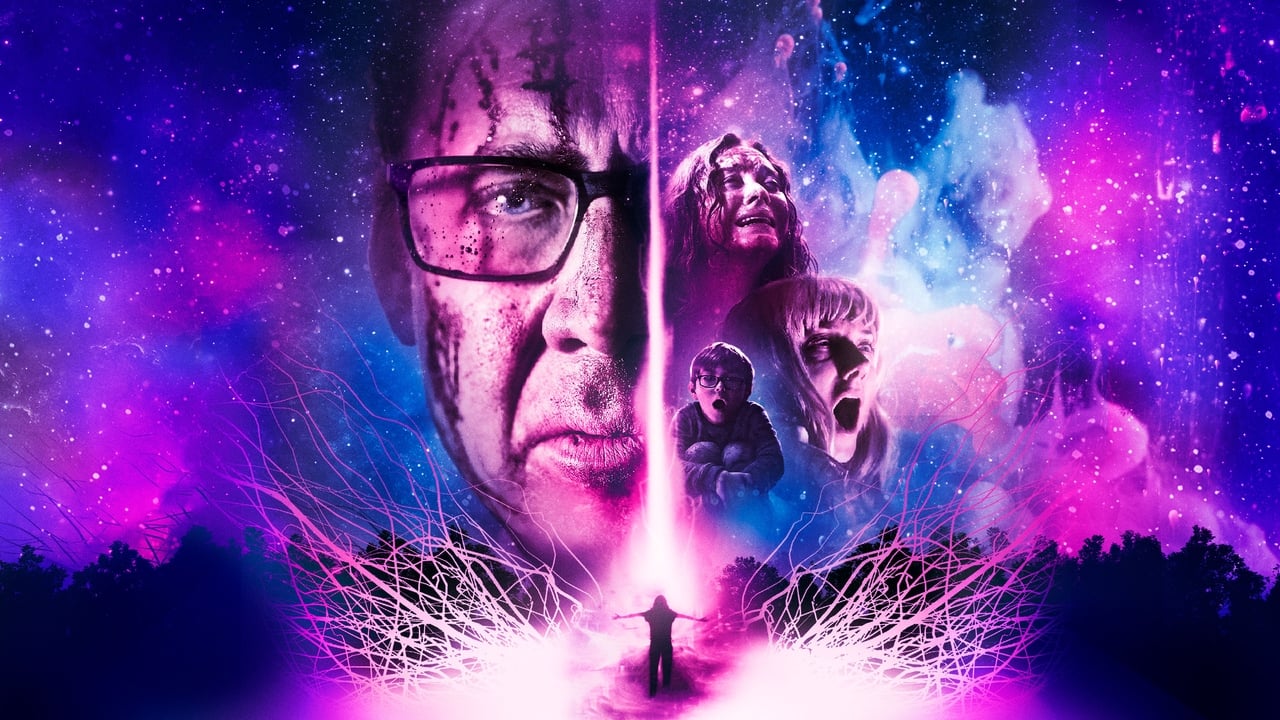
The practical effects are where the movie truly earns its keep. When the Gardner family starts... merging... it’s handled with a gooey, body-horror nastiness that feels like a tip of the hat to Rob Bottin's work on The Thing. There’s a scene involving Joely Richardson and young Julian Hilliard that is genuinely upsetting. It’s not just a jump scare; it’s a lingering, anatomical tragedy. I found myself squinting at the screen, trying to figure out where one limb ended and another began, which is exactly the kind of "good-bad" feeling a horror movie should evoke.
A Legacy Interrupted
Released just before the world went into its own version of a localized lockdown in 2020, Color Out of Space feels strangely prescient. It’s about a family trapped in a house with a threat they can’t see, can’t fight, and can’t understand. Watching Madeleine Arthur as the daughter, Lavinia, try to use Wiccan rituals to protect her family while the literal physics of her home dissolve around her is heartbreaking. Arthur is the secret MVP here, providing a grounded emotional anchor while the men in the cast (including a delightfully weird Tommy Chong) are busy losing their minds.
The film was supposed to be the start of a "Lovecraftian Cinematic Universe" for Stanley, but following some serious personal controversies and allegations involving the director shortly after release, those plans seem to have evaporated. It leaves Color as a strange, standalone artifact—a "what if" that captures a very specific moment in indie horror where practical effects and high-concept cosmic dread were making a massive comeback. The alpacas were the true victims of 21st-century hubris, and honestly, I’m still not over it.
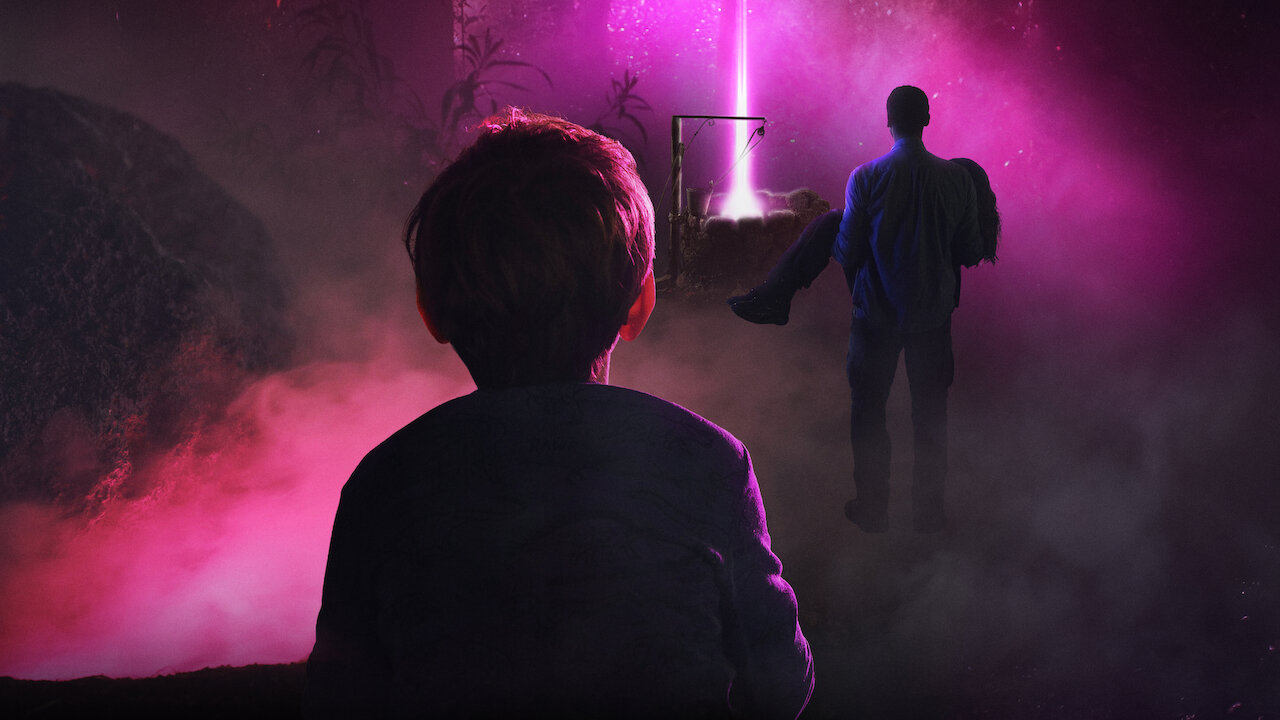
The score by Colin Stetson deserves its own shout-out. If you’ve heard his work on Hereditary, you know he doesn't do "background music." He creates an aggressive, auditory claustrophobia. There were moments where the sound design felt like it was vibrating the floorboards of my apartment, making the experience feel far more expensive than its $6 million budget suggests. It’s a testament to what you can do with a clear vision and a lead actor who is willing to commit 100% to a scene involving a mutated shotgun and a bucket of glowing milk.
Color Out of Space is a messy, vibrant, and occasionally hilarious descent into madness that respects its source material while dragging it kicking and screaming into the modern age. It doesn't quite stick the landing—the CGI in the final five minutes gets a little "early 2000s screensaver"—but the journey there is a blast. If you’re tired of the same old franchise ghosts and want to see Nicolas Cage go full-throttle against a sentient shade of pink, this is your weekend sorted. Just maybe skip the salad while you watch.
Keep Exploring...
-
Circle
2015
-
Regression
2015
-

Morgan
2016
-
The Discovery
2017
-

Anon
2018
-
Gretel & Hansel
2020
-
Watcher
2022
-
Immaculate
2024
-

The Long Walk
2025
-
Vivarium
2019
-
Willy's Wonderland
2021
-
2:22
2017
-
Mute
2018
-
Tau
2018
-

Polaroid
2019
-
The Vast of Night
2019
-
Synchronic
2020
-

The Lodge
2020
-
Crimes of the Future
2022
-
Hypnotic
2023