Dolittle
"Iron Man’s retirement plan is a beautiful, baffling fever dream."
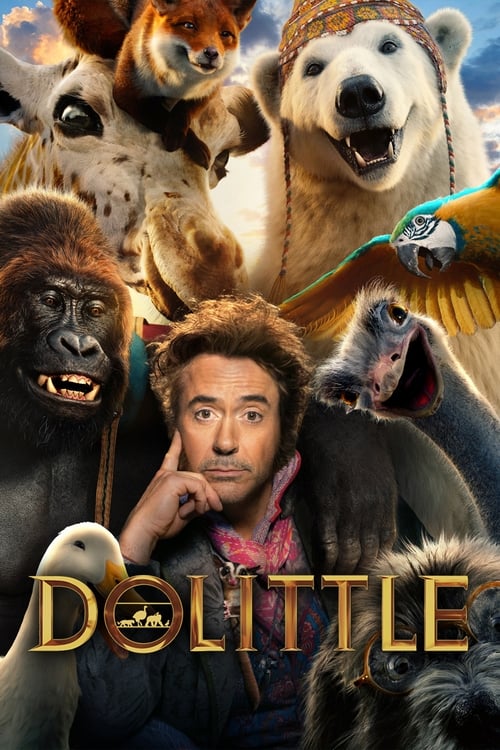
Imagine, for a second, that you are the biggest movie star on the planet. You’ve just spent a decade as the face of the most successful franchise in cinematic history, and your character just saved the entire universe. You have the "Go" button for any project in Hollywood. Most actors would pick a gritty Oscar play or a high-brow stage revival. Robert Downey Jr., however, looked at a pile of scripts and decided what the world really needed was a movie where he performs surgery on a dragon’s colon while a duck looks on.
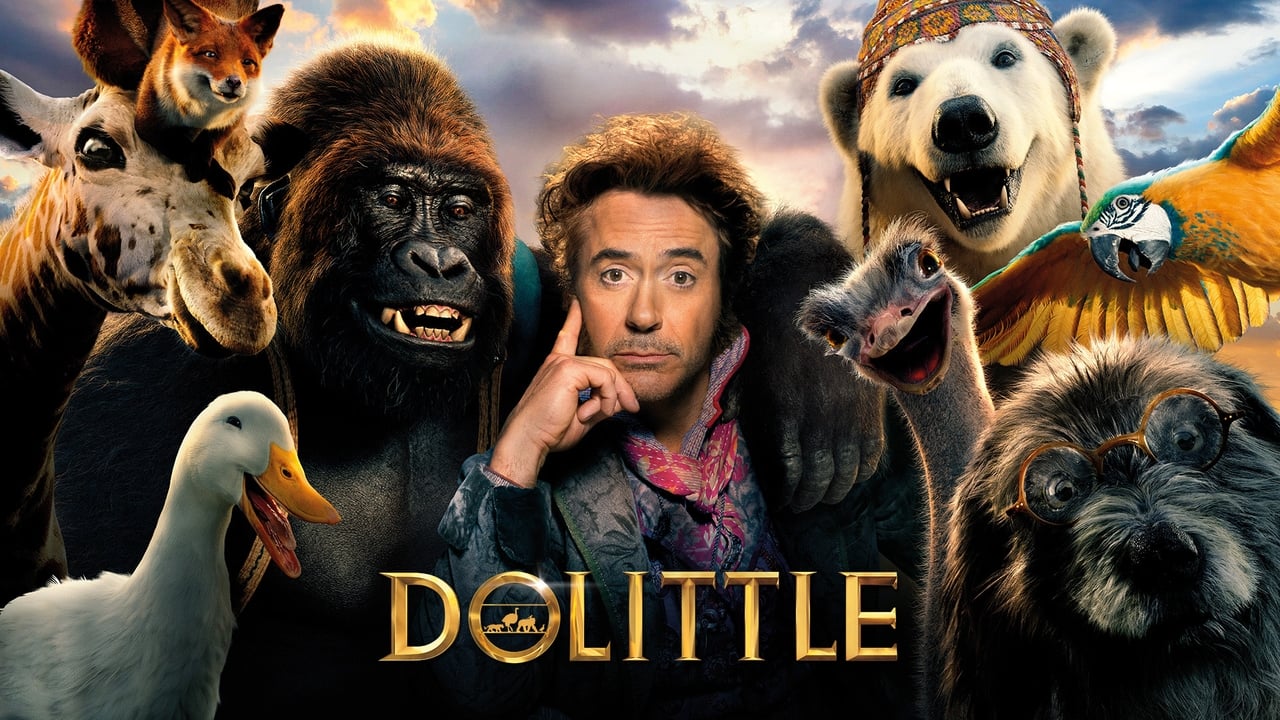
I distinctly remember watching this in a theater where the only other patron was a guy three rows down who was aggressively eating a bag of salt-and-vinegar chips. Every time Robert Downey Jr. opened his mouth to reveal that bewildering Welsh-adjacent accent, the crunch-crunch-crunch of the chips felt like a localized earthquake, and honestly, it was the perfect percussive accompaniment to the chaotic energy on screen. Dolittle (2020) is a fascinator—a $175 million artifact of a moment when "IP" was king, and yet nobody seemed to agree on what the movie actually was.
The Man, The Myth, The Mumble
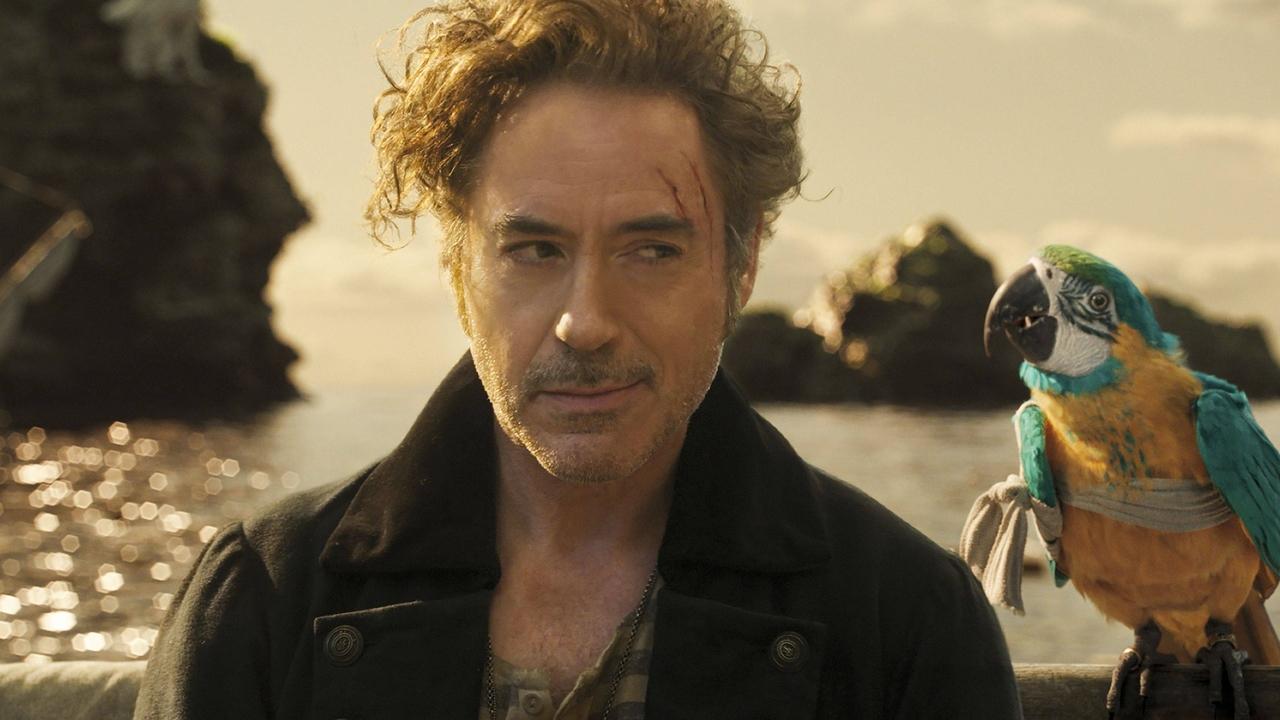
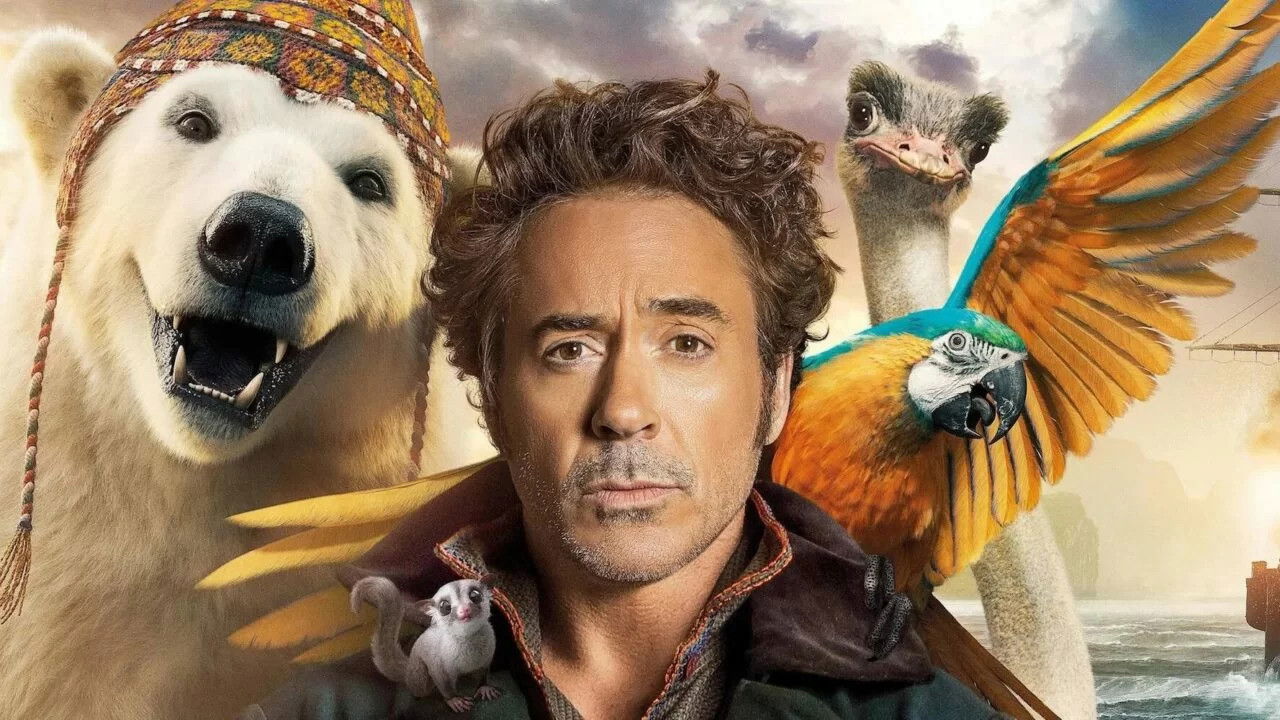
Let’s talk about the elephant in the room—or rather, the doctor in the manor. After years of the crisp, staccato delivery of Tony Stark, Robert Downey Jr. makes a choice here that can only be described as "boldly incomprehensible." He plays Dr. John Dolittle as a bearded hermit who speaks in a sort of rhythmic, marble-mouthed Welsh lilt that feels like he’s trying to hide a secret from his own jaw. It’s a performance that feels like it belongs in a weird indie movie about a lonely shepherd, but instead, it’s dropped into the middle of a high-octane family adventure.
Yet, there is a strange, frayed charm to it. Downey Jr. has always been an actor who needs to be doing something, and here, he is doing everything. Whether he’s playing chess with a gorilla (voiced by a delightfully anxious Rami Malek) or grieving his late wife, he’s dialed into a frequency that only he can hear. It’s the kind of performance that contemporary critics often tear apart, but five years from now, I suspect we’ll be watching clips of it on social media with a "can you believe this exists?" sense of awe.
A Quest Through the Reshoot Woods
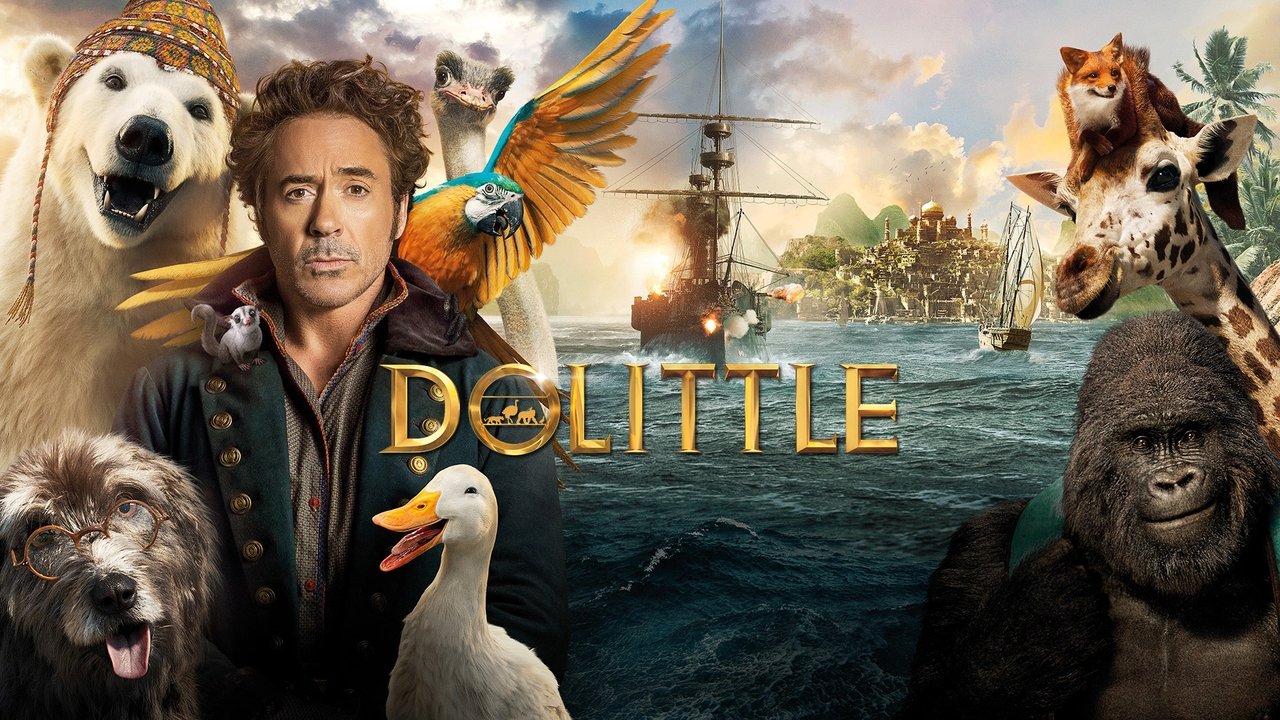
The journey behind the scenes of Dolittle is arguably more of an adventure than the plot itself. The film was directed by Stephen Gaghan, the man who wrote the gritty drug-trade drama Traffic (2000) and directed the geopolitical thriller Syriana (2005). Why he was tapped to direct a movie about a man who talks to a polar bear is one of the great mysteries of the modern studio system.
The production was famously troubled, leading to massive reshoots where directors Jonathan Liebesman (Teenage Mutant Ninja Turtles) and even Chris Miller and Phil Lord (The LEGO Movie) were reportedly brought in to punch up the comedy and add more "animal antics." You can feel those seams. The film is a patchwork quilt of tones—one minute it’s a sincere Victorian grief drama, the next a CGI ostrich is getting kicked in the throat.
The supporting cast is doing their level best to keep up. Michael Sheen, an actor who never met a scenery-chewing opportunity he didn't love, is a hoot as the villainous Dr. Blair Müdfly. He understands the assignment: this is a pantomime. Meanwhile, Antonio Banderas shows up as a pirate king with a vendetta, looking like he wandered off the set of an entirely different, much cooler movie. The voice cast is a "Who's Who" of the 2010s, with Tom Holland (reuniting with his MCU mentor), Emma Thompson, and Octavia Spencer providing the vocal chords for the menagerie.
Spectacle in the Age of "The Volume"
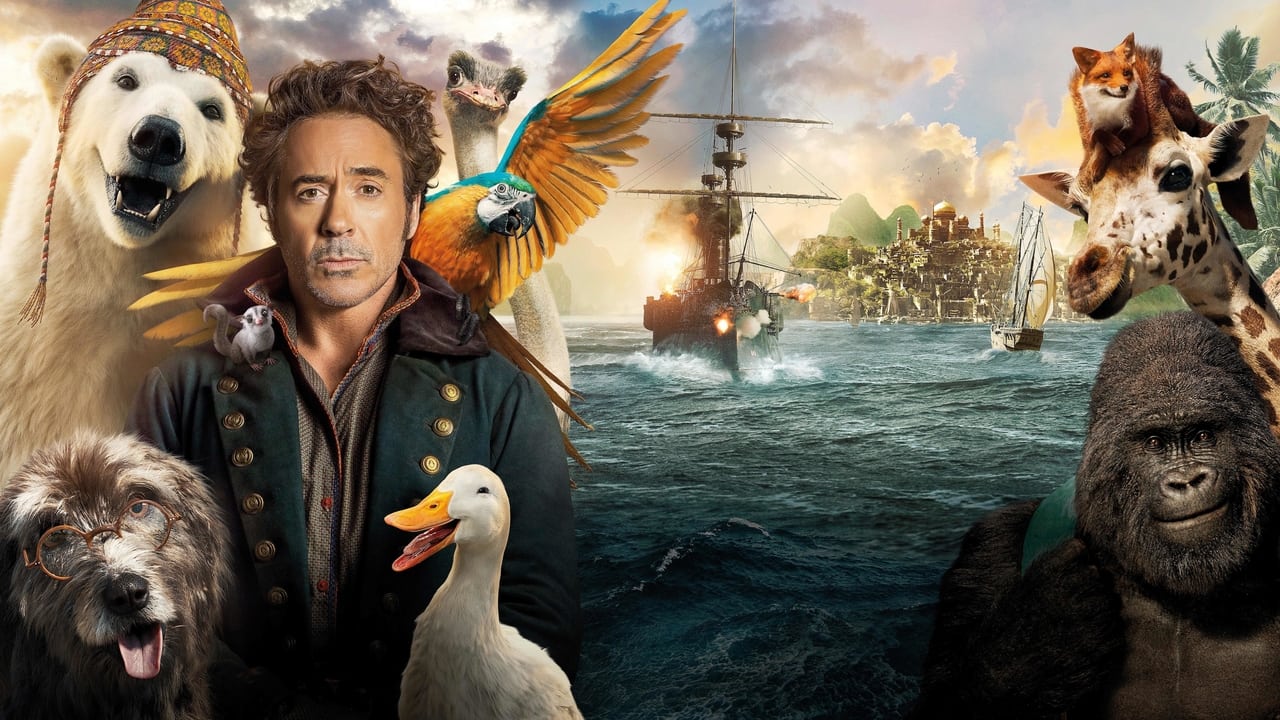
Being a product of the late 2010s, Dolittle is a showcase for the "seamless" CGI that has become the industry standard. The animals look incredible, even when they’re doing things that defy physics. But there’s a certain weightlessness to the world-building. In an era where we’re increasingly seeing films shot on LED volumes (like The Mandalorian), Dolittle feels like the tail end of the "green screen island" era. The environments are lush and the vistas are grand, but you never quite shake the feeling that the actors are looking at tennis balls on sticks rather than a mythical island.
And yet, I find myself defending the sheer weirdness of it. In a franchise-saturated market where everything is a sequel or a prequel, there is something refreshingly unhinged about a movie this expensive that ends with a dragon farting. It is a $175 million game of ‘What’s that smell?’ featuring a CGI dragon. It doesn't care about your expectations of prestige; it just wants to show you a squirrel with a bloodlust.
Ultimately, Dolittle is a fascinating miss. It’s too strange for the toddlers it’s aimed at and too messy for the adults who grew up with the Eddie Murphy versions or the original 1967 musical. But as a piece of contemporary cinema history, it represents the wild swings that occur when a massive star tries to pivot into a new era. It’s an adventure film that loses its way in the woods, but at least the trees are pretty to look at while you’re wandering. If you’re in the mood for a cinematic oddity that is never, ever boring, it’s worth a look—just maybe skip the salt-and-vinegar chips.
Keep Exploring...
-

Hotel Transylvania: Transformania
2022
-

Trolls
2016
-
Trolls World Tour
2020
-
Clifford the Big Red Dog
2021
-
Jungle Cruise
2021
-
Ghostbusters: Frozen Empire
2024
-
Kung Fu Panda 4
2024
-
Olaf's Frozen Adventure
2017
-
Christopher Robin
2018
-
Scooby-Doo! Return to Zombie Island
2019
-
The Addams Family 2
2021
-
The SpongeBob Movie: Sponge Out of Water
2015
-
The SpongeBob Movie: Sponge on the Run
2020
-
Space Jam: A New Legacy
2021
-

The Boss Baby: Family Business
2021
-
The Lego Ninjago Movie
2017
-
Frozen II
2019
-
The Croods: A New Age
2020
-

Minions: The Rise of Gru
2022
-
Moana 2
2024