Emma.
"Handsome, clever, rich, and dangerously bored."
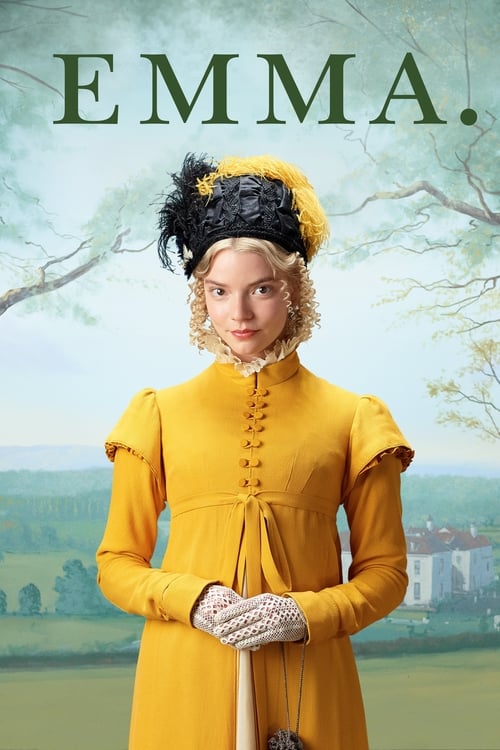
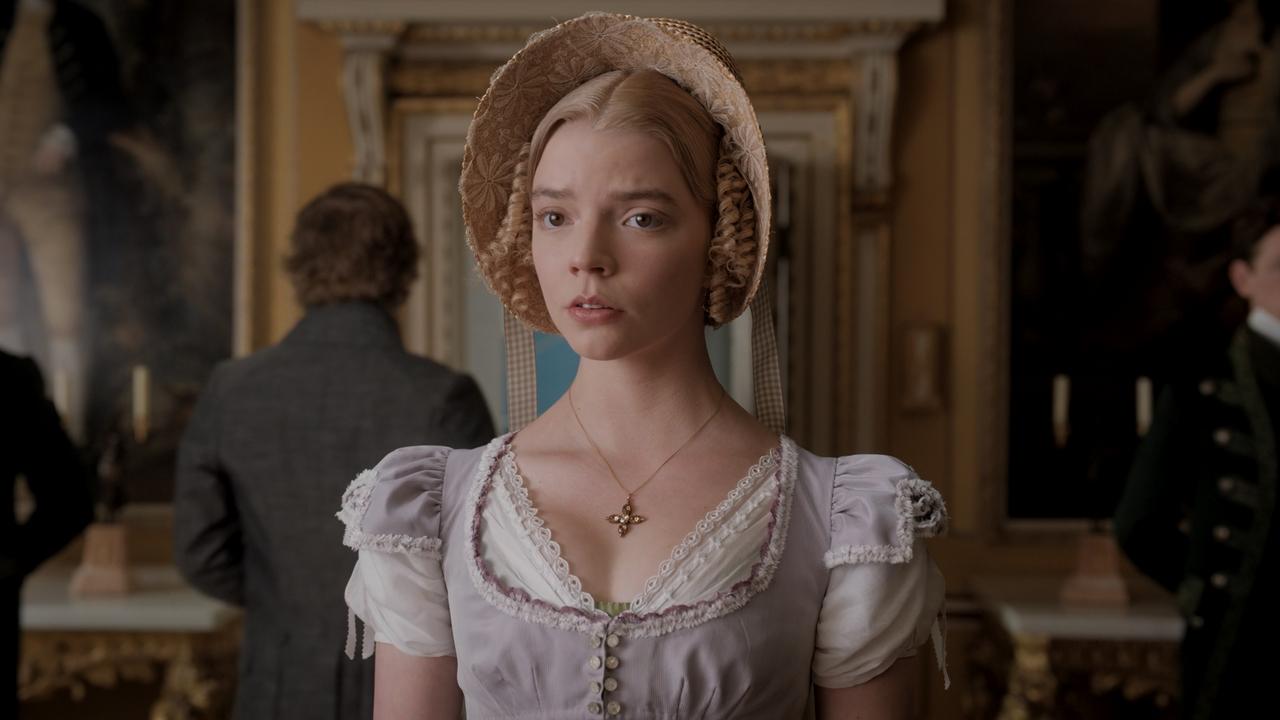
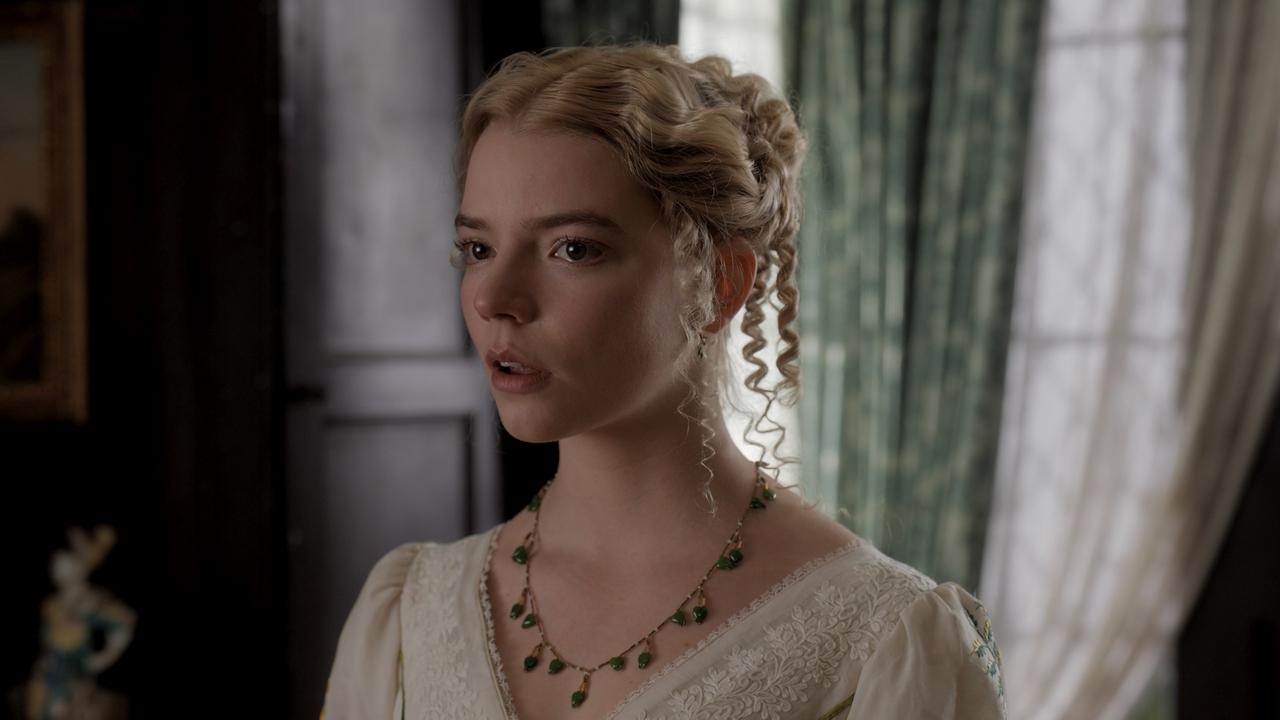
If you walked into Autumn de Wilde’s Emma. (2020) expecting the dusty, muted tones of a standard BBC period piece, you likely walked out feeling like you’d been slapped with a very expensive, very pink silk glove. This isn’t a museum exhibit of 19th-century manners; it’s a high-fashion fever dream that treats Jane Austen’s prose like a collection of lethal "Mean Girls" burns.
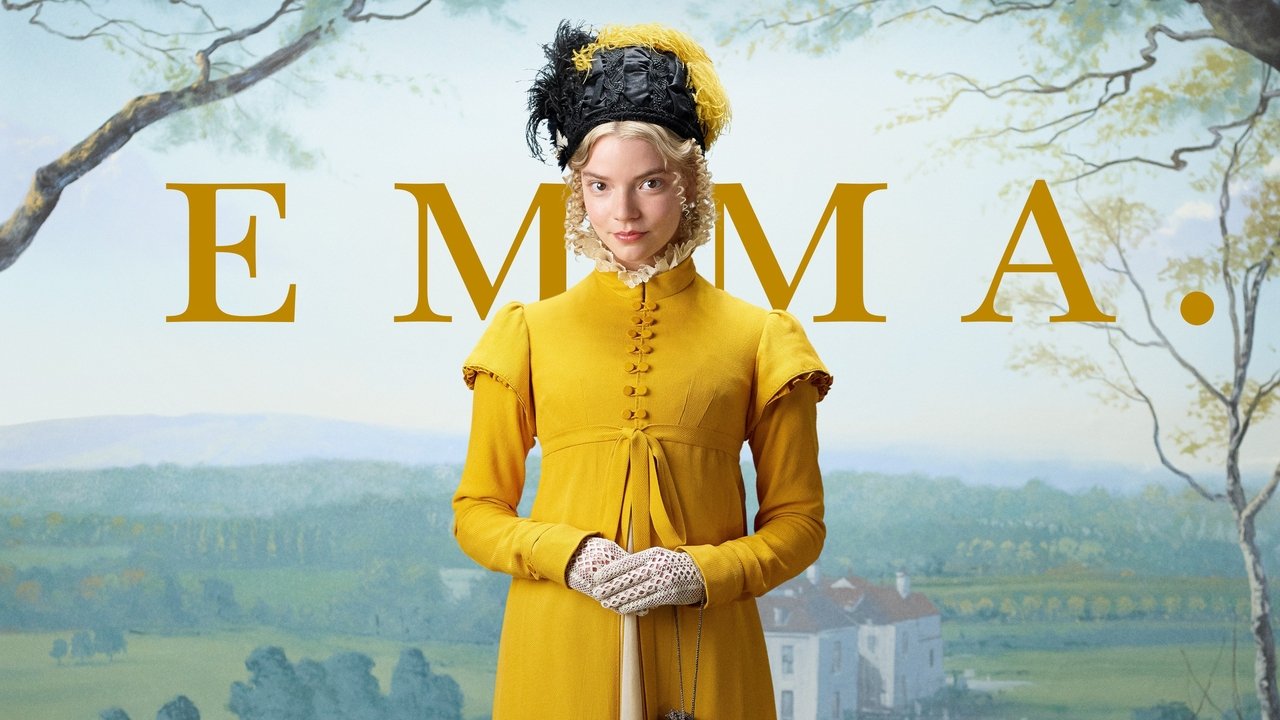
I’ll be honest: I went into this thinking we didn’t really need another Emma. We already have the 1996 Gwyneth Paltrow version for the traditionalists and the flawless 1995 Clueless for those of us who prefer our Regency drama in a yellow plaid miniskirt. But Anya Taylor-Joy walks onto the screen with a look that suggests she’s about to either arrange your wedding or systematically dismantle your social standing, and suddenly, the 200-year-old story feels like it was written for a TikTok "Get Ready With Me" video.
High Fashion and Higher Stakes
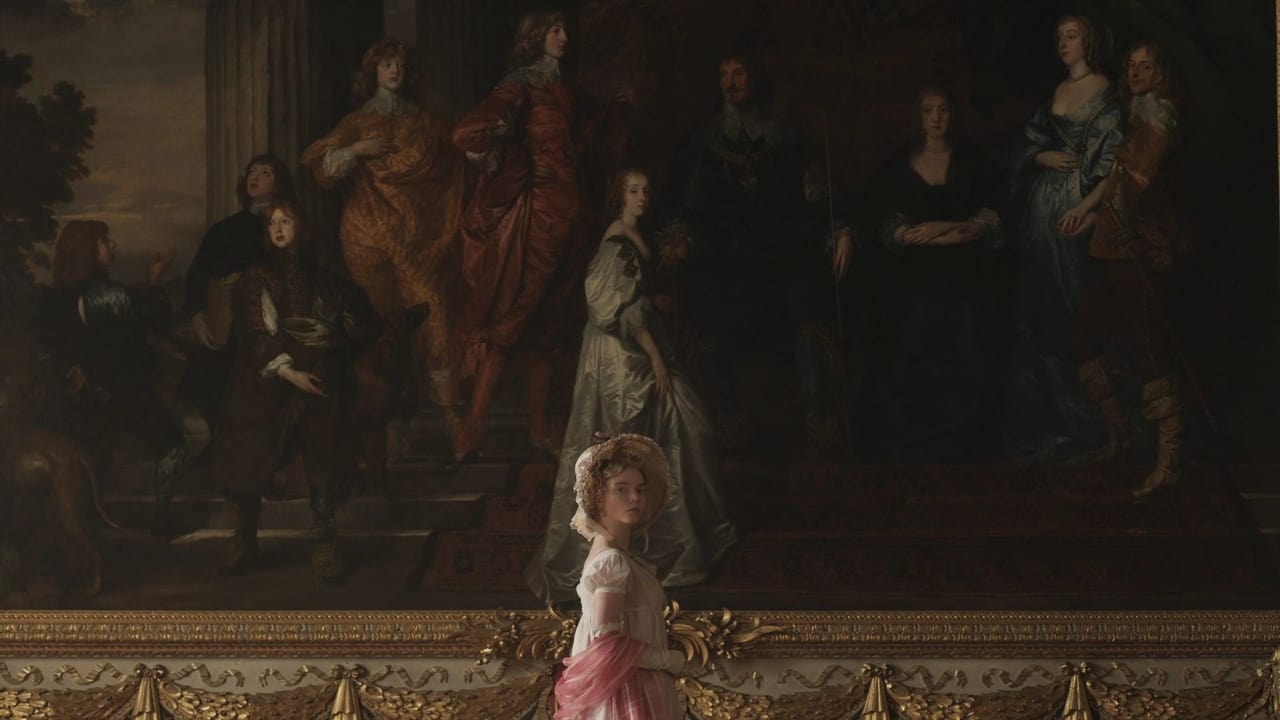
The first thing that hits you—before a single line of dialogue—is the color. De Wilde comes from a background in photography and music videos, and it shows. Every room in Hartfield looks like it was decorated by someone who spent too much time looking at Ladurée macarons. The cinematography by Christopher Blauvelt is symmetrical and precise, leaning into an aesthetic that I can only describe as Jane Austen by way of a high-end pâtisserie shop.
But beneath the sugar-coated surface, there’s a sharp, almost cruel edge to this adaptation. Anya Taylor-Joy plays Emma Woodhouse not as a misguided sweetheart, but as a bored apex predator. She’s entitled, she’s condescending, and she’s genuinely terrifying when she’s looking down her nose at someone. It’s a performance that acknowledges the character's "selfish" tag in the plot overview and leans into it. I watched this on my laptop while eating a bowl of cold spaghetti, and honestly, the contrast between my stained hoodie and the film's impeccable table settings made me feel like I was personally being judged by Emma through the screen.
The Comedy of Cringe
What makes this version stand out in the current era of "prestige" cinema is its refusal to take itself too seriously. This is a capital-C Comedy. Josh O'Connor, who most people know as a brooding Prince Charles in The Crown, is an absolute revelation here as Mr. Elton. He plays the character with a level of oily, desperate social climbing that results in some of the best physical comedy I’ve seen in a period film. His facial expressions alone are worth the price of admission.
Then there’s the chemistry between Anya Taylor-Joy and Johnny Flynn as George Knightley. Flynn brings a certain "hot gardener" energy to the role that feels very 2020. He’s rugged, he’s a bit messy, and there’s a scene involving a literal nosebleed during a moment of high emotional tension that is so human, so awkward, and so profoundly un-stuffy that it breaks the mold of the genre. It’s a reminder that even in the 1800s, people were clumsy, sweaty, and capable of making total idiots of themselves in front of their crushes.
A Pandemic Pivot and a New Legacy
It’s impossible to talk about Emma. without mentioning its weird place in history. It hit theaters in late February 2020, just as the world was about to collectively retreat into its own parlors for a very long time. It became one of the first "blockbuster" examples of the streaming pivot, releasing on Premium VOD just weeks after its theatrical debut because of the pandemic. In an era where "theatrical vs. streaming" is a constant debate, Emma. proved that a movie can be a lush, cinematic experience even if you’re watching it in your pajamas.
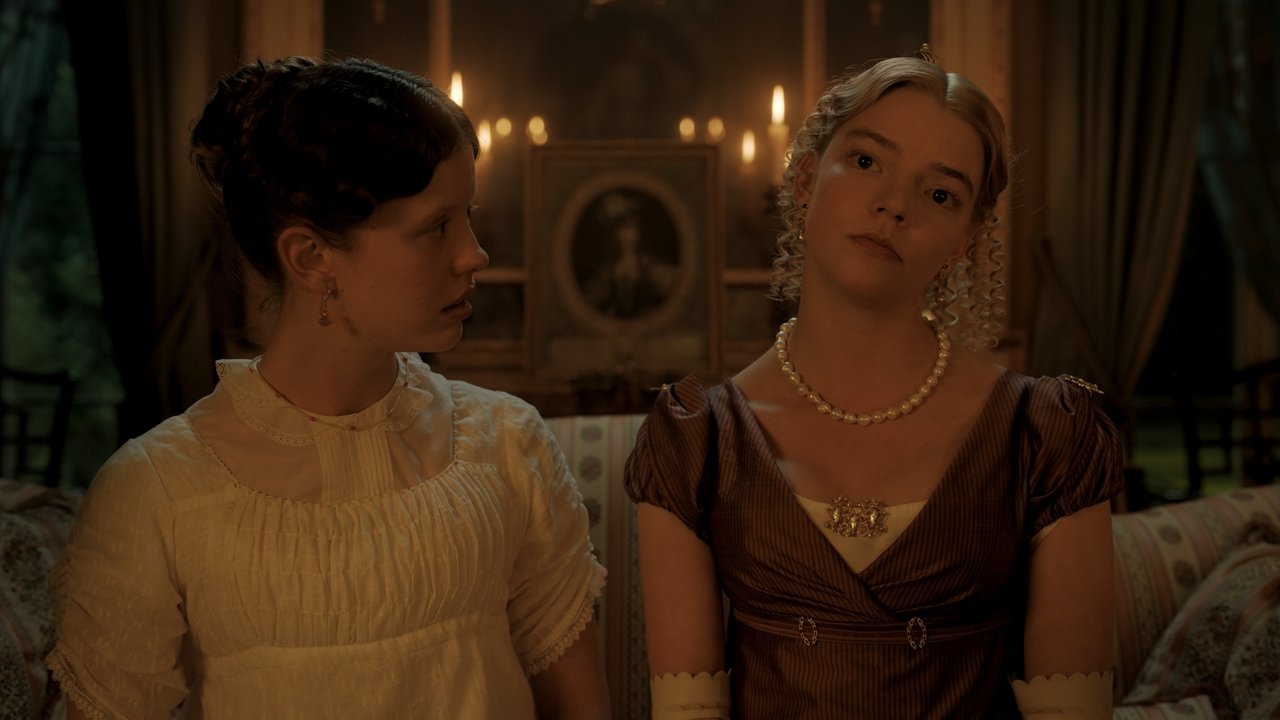
The film also benefits from a screenplay by Eleanor Catton (who won the Booker Prize for The Luminaries), which keeps the wit fast and the pacing tight. It respects the source material while acknowledging that modern audiences have zero patience for a slow-burn romance that doesn't include some top-tier banter. The inclusion of Mia Goth as the perpetually confused Harriet Smith provides the perfect foil for Emma’s machinations; Goth’s performance is a masterclass in wide-eyed vulnerability that makes Emma’s eventual realization of her own cruelty hit that much harder.
Ultimately, Emma. is a triumph of style and substance. It’s a film that understands that the 1800s were just as much about social status and "branding" as the 2020s are. While it lacks the nostalgic warmth of some older adaptations, it replaces it with a vibrant, acidic energy that makes the story feel brand new. If you want a movie that looks like a painting but feels like a gossip session with your smartest, meanest friend, this is the one.
It’s a gorgeous, witty, and surprisingly relatable look at what happens when you have too much money and not enough to do. Whether you’re a die-hard Janeite or someone who just wants to see Josh O'Connor act like a total weirdo, Emma. delivers. It’s the perfect example of how contemporary cinema can revisit the classics not just to retell them, but to reinvent them for a generation that values aesthetic as much as narrative.
Keep Exploring...
-
Anomalisa
2015
-
Man Up
2015
-
Mr. Right
2016
-
Home Again
2017
-

The Climb
2017
-

Overboard
2018
-
Second Act
2018
-

Love at Second Sight
2019
-

Red Shoes and the Seven Dwarfs
2019
-

The Princess Switch: Switched Again
2020
-
The Worst Person in the World
2021
-

Marry Me
2022
-
Hit Man
2024
-

Sleeping with Other People
2015
-
In a Heartbeat
2017
-

The Holiday Calendar
2018
-

Always Be My Maybe
2019
-
Let It Snow
2019
-
Someone Great
2019
-

The Knight Before Christmas
2019