Escape from Pretoria
"The smallest key unlocks the heaviest door."
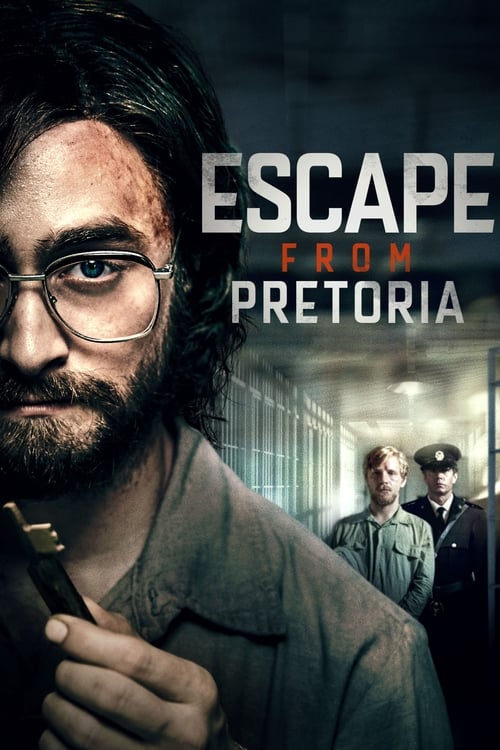
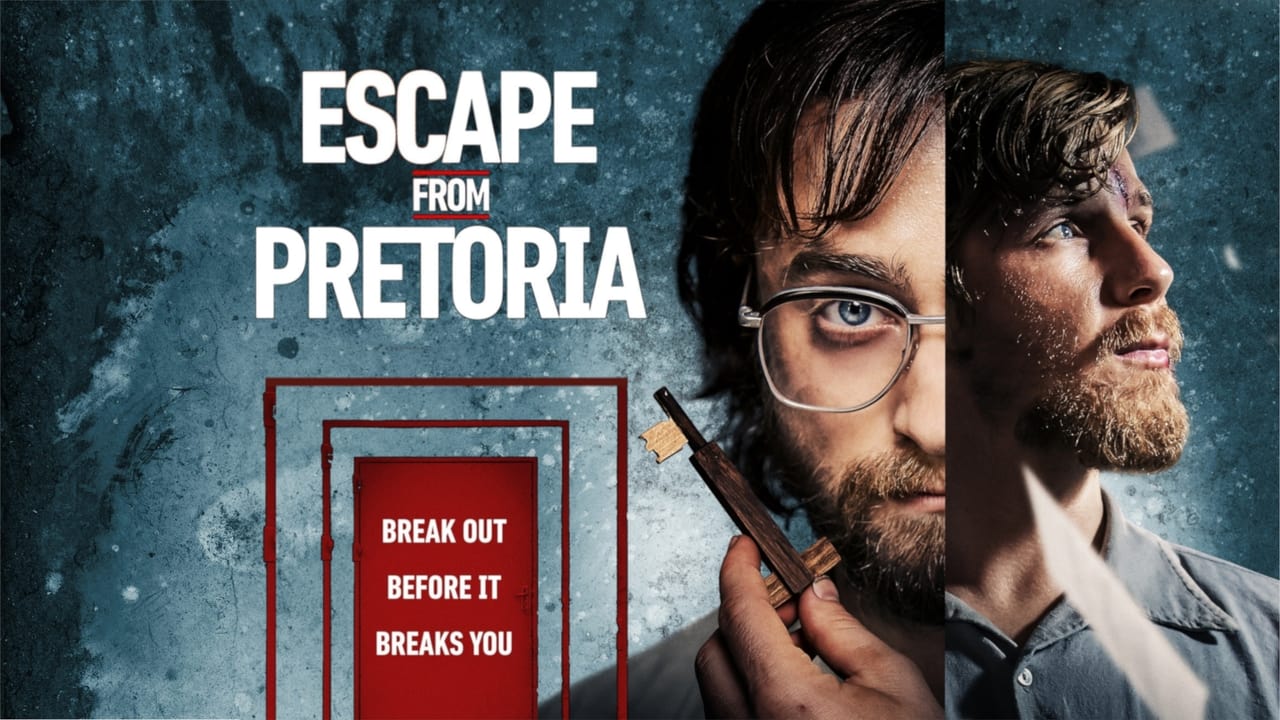
I spent the better part of the second act of Escape from Pretoria clutching a throw pillow so hard I think I permanently realigned my spine. There is a specific, agonizing brand of tension that comes from watching a man try to retrieve a set of wooden keys with a stick and a piece of chewing gum while a guard’s footsteps echo down a linoleum hallway. It’s the kind of cinema that makes you hyper-aware of your own breathing. I watched this on a Tuesday night while my neighbor was leaf-blowing his driveway at 9:00 PM, and weirdly, the aggressive, rhythmic drone of the blower outside matched the industrial anxiety of the prison perfectly.
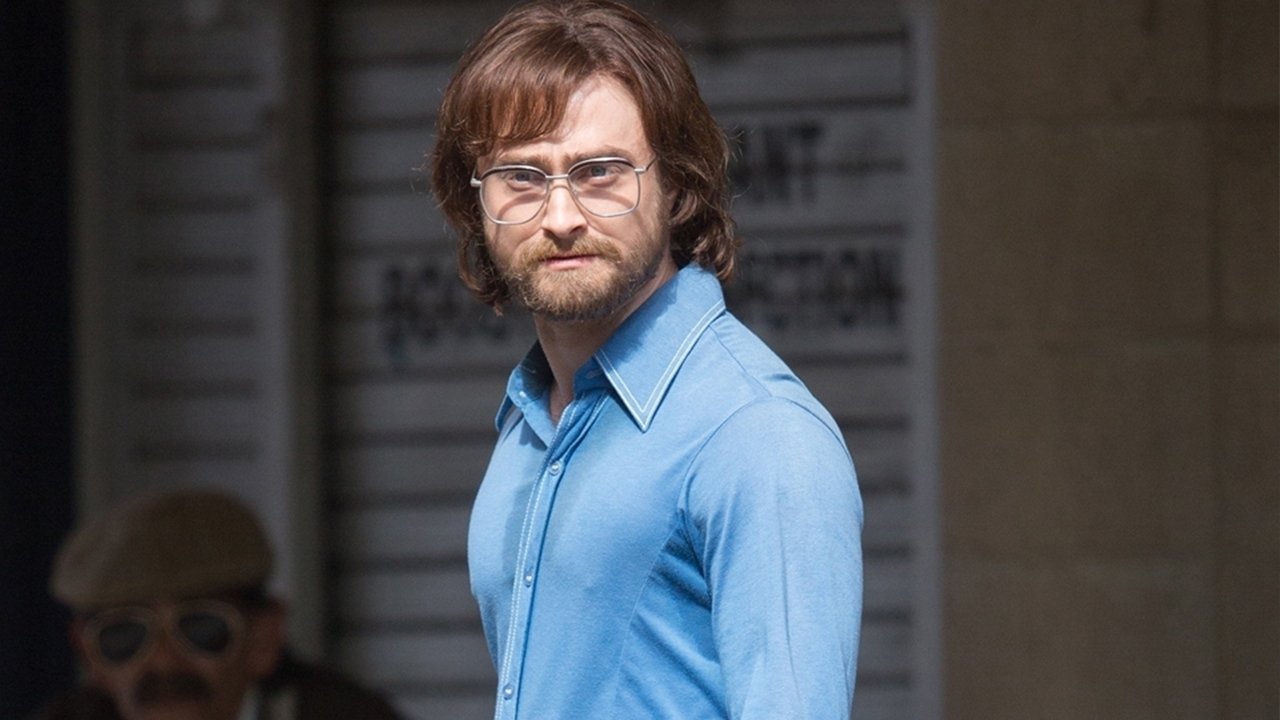
Released in March 2020, Escape from Pretoria had the unenviable luck of hitting theaters—and subsequently, the VOD market—just as the entire world was retreating into its own form of state-mandated isolation. While we were all learning how to bake sourdough and wondering if we’d ever see a grocery store shelf with toilet paper again, Daniel Radcliffe was showing us what actual, claustrophobic desperation looks like. It’s a film that bypassed the usual blockbuster fanfare, landing instead as a gritty, mid-budget survival thriller that feels far more substantial than its modest box office would suggest.
The Tactile Geometry of Terror
Director Francis Annan (who also co-wrote the screenplay with L. H. Adams) understands that in a prison break movie, the "break" is only as good as the "prison." He treats Pretoria Prison not as a backdrop, but as a mathematical puzzle. The cinematography by Geoffrey Hall lingers on the mechanical—the turn of a tumbler, the grain of a piece of scrap wood, the sweat pooling on a brow. It’s incredibly tactile. In an era where we are inundated with CGI spectacles and "The Volume" digital backgrounds, there is something deeply refreshing about a movie that cares this much about the physical properties of a door.
The plot follows Tim Jenkin (Daniel Radcliffe) and Stephen Lee (Daniel Webber), two white South Africans who were branded "terrorists" for their anti-apartheid activism on behalf of the ANC. Their crime? Distributing pamphlets via "leaflet bombs." The film doesn’t spend much time on the courtroom drama; it wants us inside those walls immediately. Once there, they meet Denis Goldberg, played with a weary, heartbreaking gravitas by Ian Hart (The Last Kingdom). Goldberg is the moral anchor, the man who has accepted his life sentence so others might maintain a semblance of hope.
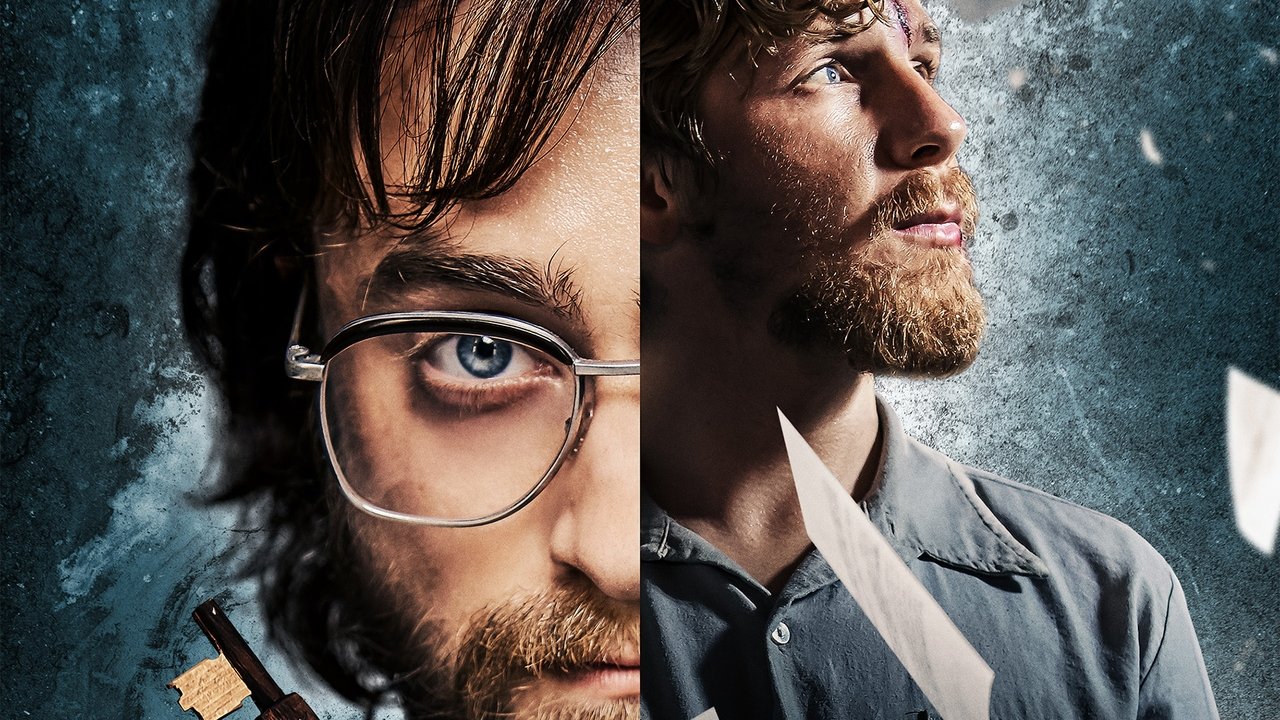
The central conceit—that Jenkin fashioned 39 different wooden keys to get through the 10 steel doors between his cell and freedom—sounds like the kind of thing a screenwriter would invent to spice up a dull biography. But it happened. This focus on the "how" rather than just the "why" elevates the film. Daniel Radcliffe’s beard deserves its own SAG award for ‘Best Supporting Facial Hair in a Period Piece,’ but his performance is even better. He’s moved so far past his boy-wizard roots that it’s almost jarring to remember him with a wand. Here, he is all twitchy energy and terrifying focus. He plays Jenkin not as a superhero, but as a man who is fundamentally terrified yet refuses to be still.
Contemporary Weight in a Period Setting
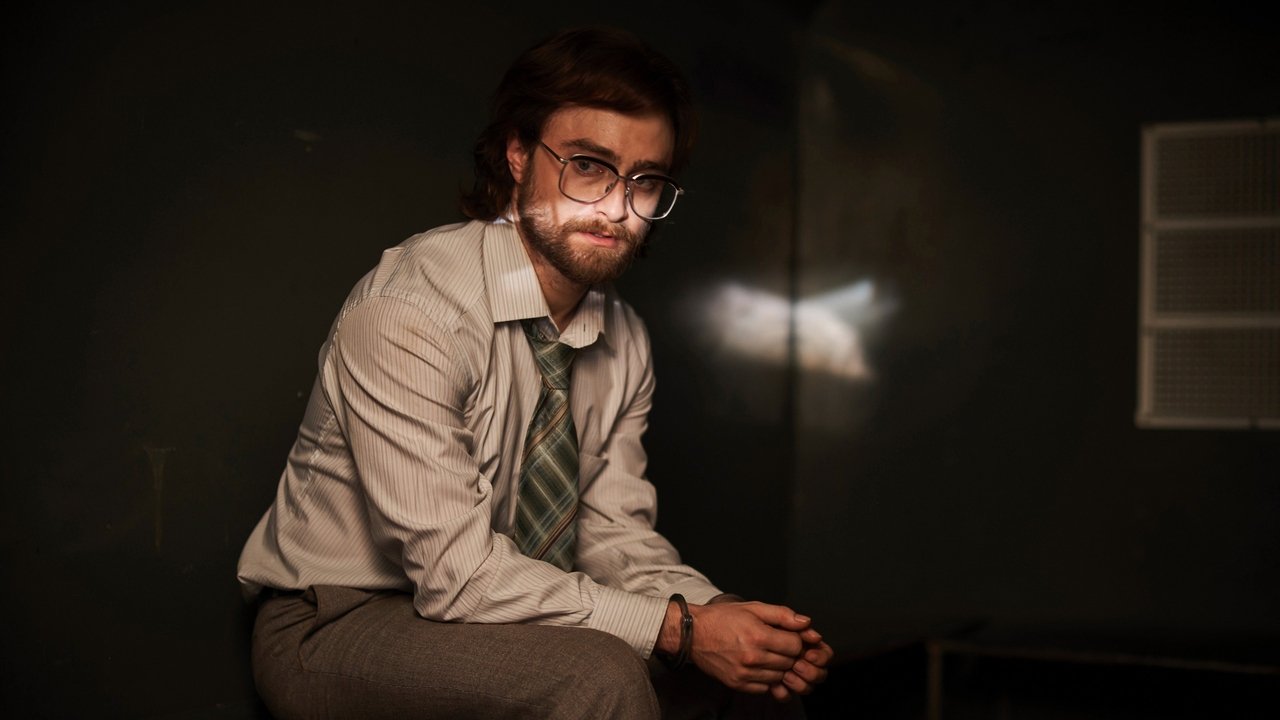
While the film is set in 1978, it feels pointedly modern in its execution. We are currently in a cinematic moment where stories of resistance and systemic oppression are being re-examined with a sharper lens. Escape from Pretoria avoids the "white savior" trope by making it clear that Jenkin and Lee are foot soldiers in a much larger, Black-led movement. They aren't there to save the day; they are there because they refuse to be complicit in a disgusting system.
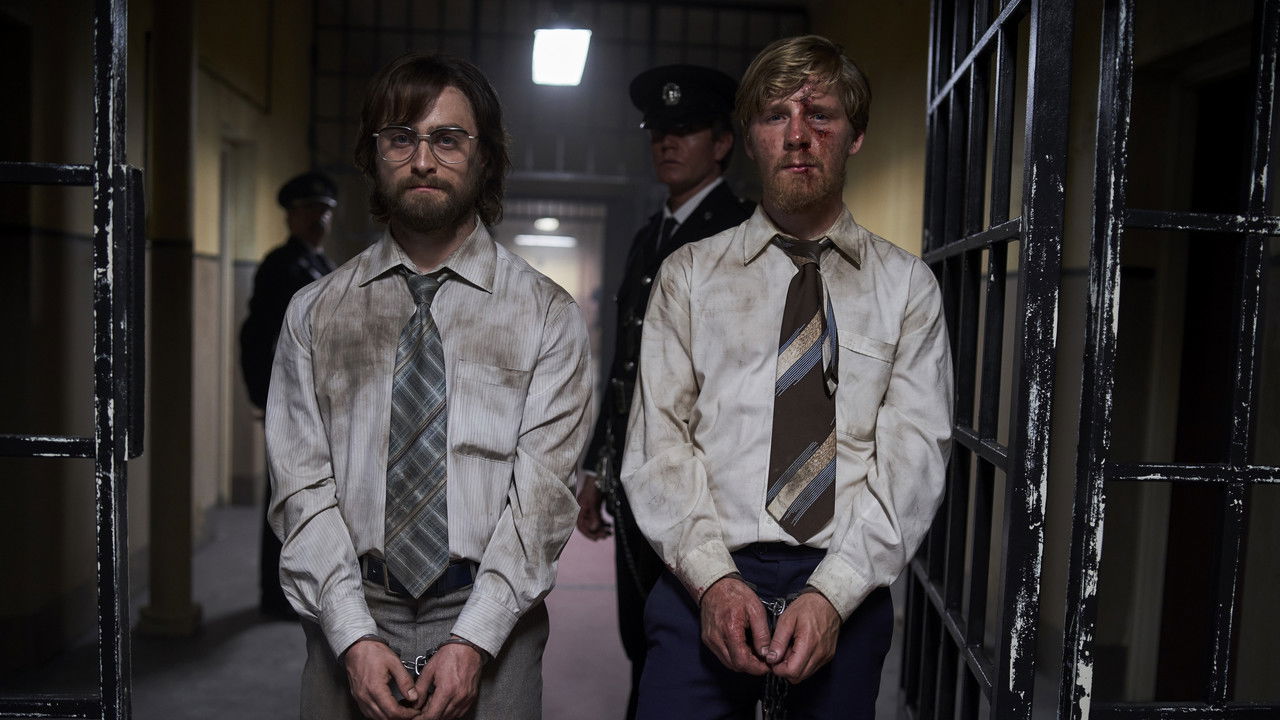
The film captures the banality of evil in the prison staff, particularly Grant Piro as the head warder Schnepel. There’s no mustache-twirling here, just a cold, bureaucratic cruelty that feels far more realistic. The tension is derived from the stakes: if they are caught, they don't just go back to their cells; they disappear into the bowels of a regime that has no qualms about making people "vanish." Daniel Webber, who was so haunting in The Punisher and The Dirt, provides a great foil to Radcliffe. He’s the emotional heart, the one who feels the walls closing in more acutely.
There is a sequence involving a "trial run" of the keys that is legitimately one of the most stressful things I’ve seen in a contemporary thriller. Annan uses extreme close-ups and a ticking-clock sound design by David Hirschfelder to make a simple hallway feel like a gauntlet. It’s a masterclass in low-budget suspense. It’s basically 'MacGyver' if the stakes were actual life and death and the hair was significantly more 70s.
The Reality of the Keyhole
What makes this film stick with you is the sheer audacity of the plan. In our world of digital encryption and biometric scanners, the idea of escaping a high-security facility with hand-whittled wood feels like ancient folklore. But the film keeps it grounded. It acknowledges the failures, the broken wood, the moments of pure, dumb luck. It’s a drama that respects the audience’s intelligence, never over-explaining the politics because the situation speaks for itself.
I’ll admit, the ending feels a bit rushed—the transition from the final door to the "aftermath" happens in a blink—but perhaps that’s intentional. When you’ve spent 100 minutes in a box, the sunlight of the outside world is supposed to be disorienting. It’s a solid, intense piece of filmmaking that proves you don't need a $200 million budget to make a crowd-pleaser. You just need a good script, a dedicated cast, and a very sturdy piece of timber.
Escape from Pretoria is a lean, mean thriller that reminds us why we go to the movies: to feel our hearts beat a little faster. It’s a testament to human ingenuity and a sobering look at a dark chapter of history that we shouldn't forget. If you missed this during its quiet pandemic release, it’s well worth the "escape" from your current streaming queue to track it down. Just maybe have a stress ball handy for the second act.
Keep Exploring...
-

Detroit
2017
-
22 July
2018
-
An Officer and a Spy
2019
-
Hotel Mumbai
2019
-
Official Secrets
2019
-

The Professor and the Madman
2019
-
The Courier
2020
-

Tetris
2023
-
13 Hours: The Secret Soldiers of Benghazi
2016
-
Patriots Day
2016
-
Snowden
2016
-

Miss Sloane
2016
-

The Stanford Prison Experiment
2015
-
The Finest Hours
2016
-
Operation Finale
2018
-
Batman vs. Robin
2015
-
Eye in the Sky
2015
-

Land of Mine
2015
-
Suburra
2015
-
Anthropoid
2016