Extraction
"One way in. No way out. Bring a spare mag."
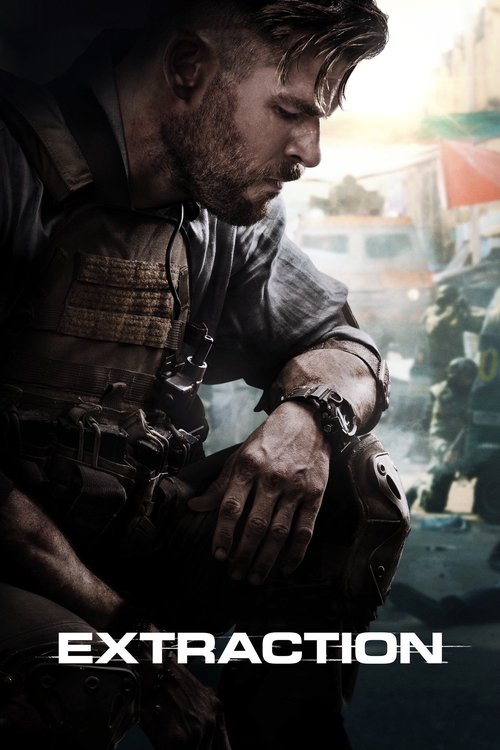
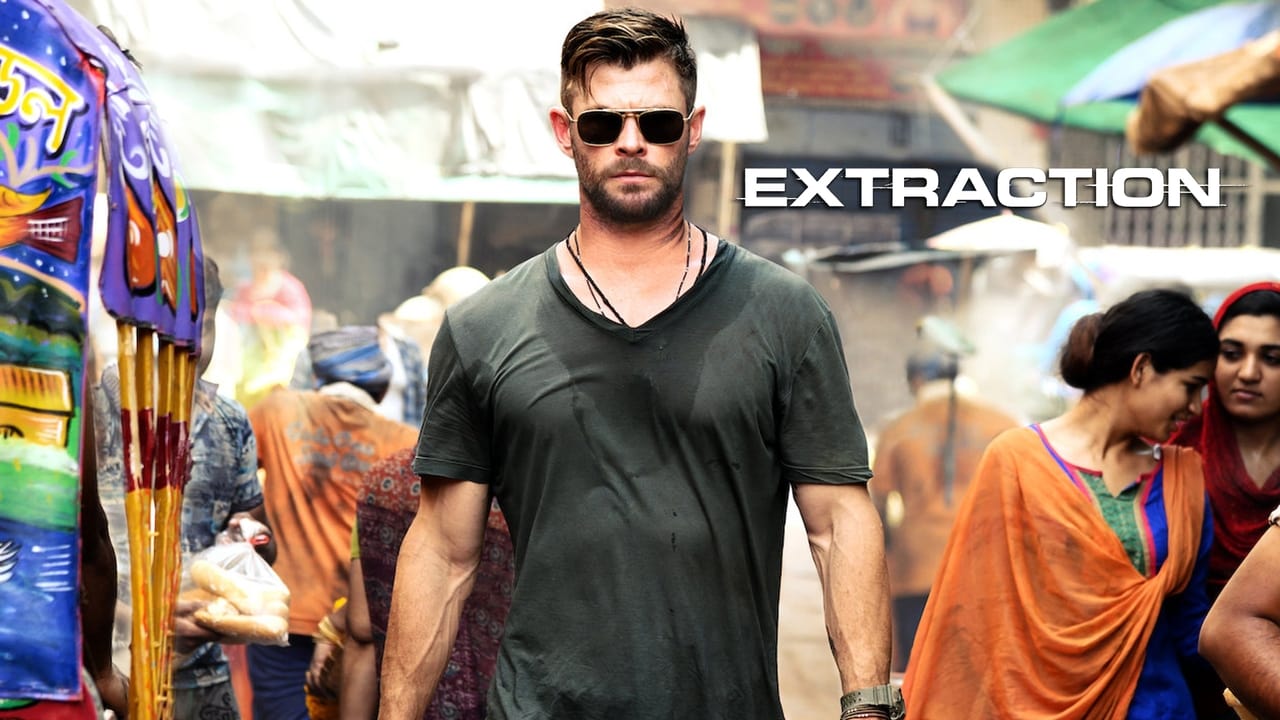
In the weird, quiet vacuum of April 2020, when the most exciting thing in my life was a successful hunt for extra-absorbent paper towels, Extraction arrived like a brick through a window. We were all trapped in our living rooms, desperate for something that didn’t involve a sourdough starter or a Zoom quiz, and suddenly Chris Hemsworth was on our screens, beating people with a coffee table in the middle of Dhaka. It wasn't just a movie; it was the "theatrical" event we were physically barred from attending. I watched it on my couch while my neighbor’s lawnmower hummed incessantly outside, a mundane suburban drone that felt hilariously at odds with the bone-crunching mayhem happening on my TV.
The Stuntman’s Revenge
What makes Extraction more than just another "macho man with a gun" flick is the man behind the lens. Sam Hargrave, making his directorial debut here, isn't some graduate from a prestigious film school who spent his youth analyzing French New Wave. He was Chris Evans’ stunt double. He was the stunt coordinator for the biggest MCU movies. When you give a guy like that $65 million and the keys to the kingdom, you don’t get a "meditation on violence"—you get a masterclass in how to capture it.
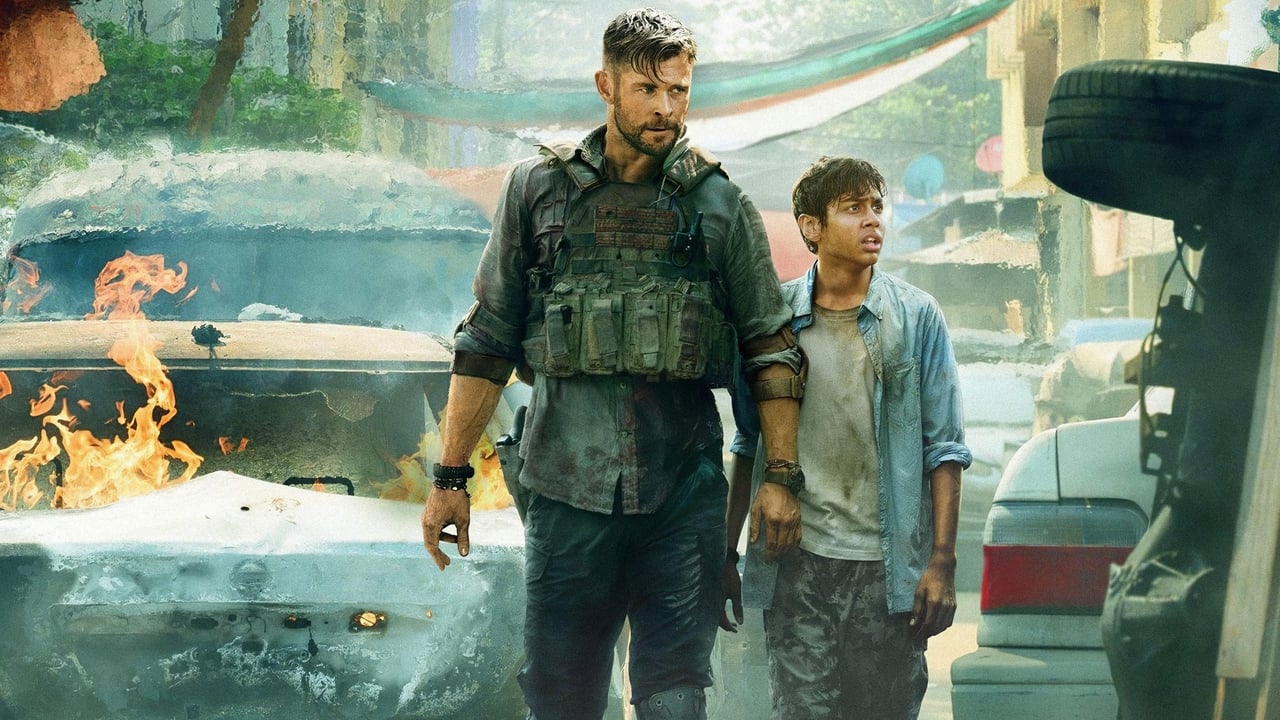
The film follows Tyler Rake, a mercenary who has clearly read the "Depressed Action Hero" handbook cover to cover. He’s got the tragic backstory, the drinking habit, and a death wish that makes him exceptionally good at his job. He’s hired to rescue Ovi (Rudhraksh Jaiswal), the son of an imprisoned Indian drug lord, from a rival in Bangladesh. It’s a simple "get from point A to point B" plot, but the execution is anything but basic. Extraction is essentially a glorified stunt reel that accidentally found a soul.
The centerpiece of the film—and the reason it became a streaming phenomenon—is the "oner." It’s a twelve-minute sequence that appears to be one continuous shot, taking us from a high-speed car chase into a cramped apartment building, across rooftops, and back into the streets. While the "one-shot" gimmick has become a bit of a cliché in the streaming era, Hargrave handles it with a tactile, sweaty urgency that avoids the floaty, CG-heavy feel of its peers. You can practically smell the exhaust fumes and the copper of the blood.
Muscles, Mercenaries, and Moral Grays
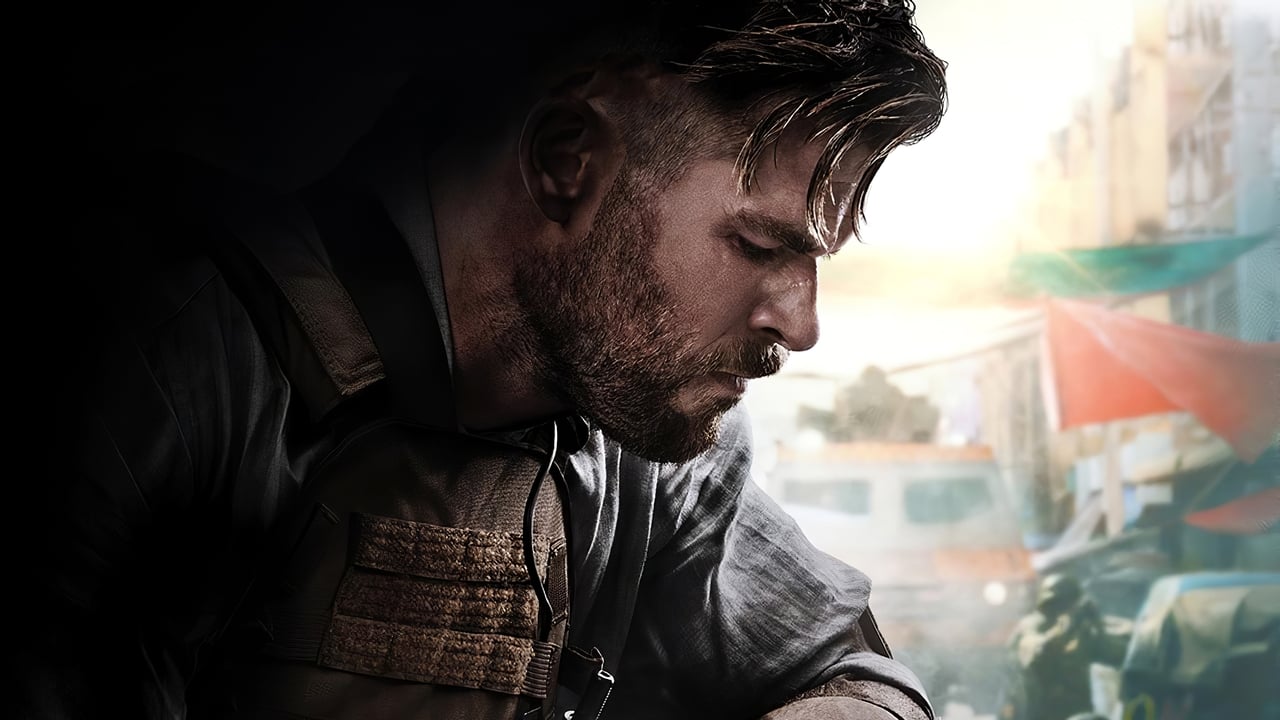
Chris Hemsworth is doing some of his best work here by doing the least. He’s shed the golden-boy charm of Thor and replaced it with a heavy, leaden exhaustion. He looks like a man who hasn't slept since 2012. But the real revelation is Randeep Hooda as Saju. In most of these "Westerner in a foreign land" movies, the local characters are either helpless victims or faceless mooks. Saju, however, is a force of nature. His parallel mission to save the boy creates a fascinating tension; he’s not a villain, just a man with a different set of desperate stakes. Their knife fight in the street is, for my money, the most coherent and punishing bit of choreography in the last decade of action cinema.
The film’s intensity is its greatest asset, but also its most polarizing quality. This is a grim, dusty, and uncompromisingly violent movie. It’s the kind of film where children are thrown off roofs and the "hero" uses a truck as a blunt-force instrument against teenagers. It pushes the boundaries of the "Action Hero" archetype into something much darker. It asks us to root for a guy who is, by all accounts, a professional killer whose only path to redemption is a pile of bodies.
Behind the Dust and Debris
For a film that looks so gritty, the production was a massive logistical puzzle. Turns out, that incredible twelve-minute "oner" actually had about 36 hidden transition points, but the effort to make it seamless was Herculean. Sam Hargrave actually strapped himself to the front of a chase car with a camera to get those low-angle shots, proving that sometimes the best way to get the shot is to put the director in actual physical peril.

The film also sparked a massive conversation about the "yellow filter" used for the scenes in Dhaka. It’s a common trope in contemporary cinema to color-grade "developing" countries in sickly ochres, and while it fits the film’s oppressive, sweltering atmosphere, it definitely felt like a relic of an older style of filmmaking. Despite that, the film broke Netflix records, proving that even in the streaming age, a well-executed action movie can still command a global audience. Apparently, Pankaj Tripathi, who plays the drug lord father, filmed all his scenes in a single day, which is a testament to both his efficiency and the Russo brothers' ability to squeeze talent into a tight shooting schedule.
Extraction doesn't reinvent the wheel, but it does sharpen the spikes on it. It’s a bruising, relentless experience that benefits immensely from its stunt-first DNA and a lead performance that prioritizes physical storytelling over quips. In an era where action is often buried under digital effects and shaky-cam, seeing a director actually care about the geography of a fight is a genuine thrill. It’s a film that knows exactly what it is: a loud, bloody, high-octane rescue mission that leaves you feeling a little bit out of breath. If you haven't revisited it since the lockdown days, it's a mission worth reenlisting for.
Keep Exploring...
-
Extraction 2
2023
-

In the Heart of the Sea
2015
-
13 Hours: The Secret Soldiers of Benghazi
2016
-
Tenet
2020
-

Prey
2022
-
Fast X
2023
-
Guy Ritchie's The Covenant
2023
-
Mission: Impossible - Dead Reckoning Part One
2023
-
The Equalizer 3
2023
-

Ballerina
2025
-
Mission: Impossible - The Final Reckoning
2025
-
One Battle After Another
2025
-

The Gray Man
2022
-
Sicario
2015
-
Patriots Day
2016
-
What Happened to Monday
2017
-
Greenland
2020
-
Nobody
2021
-
Train to Busan
2016
-
The Wolf's Call
2019