Feel the Beat
"Failure is just a change in choreography."
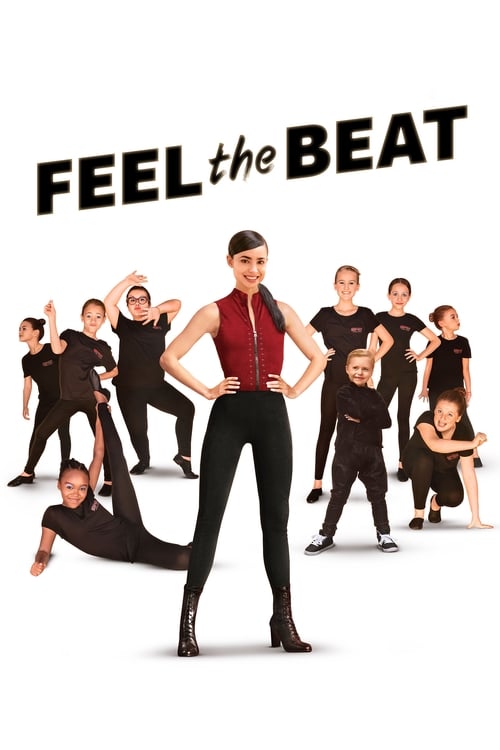
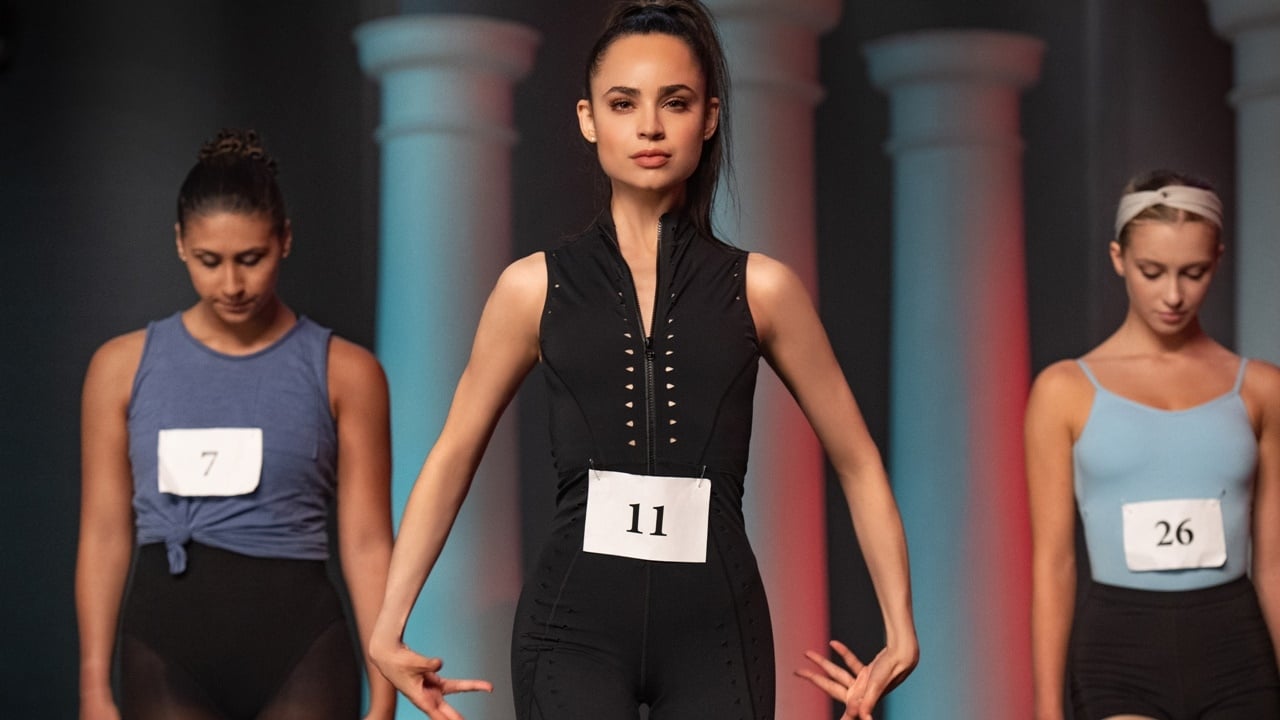
There is a specific, jagged kind of cruelty reserved for the "almost" famous. We see it in the opening moments of Feel the Beat, as Sofia Carson’s April experiences the kind of Broadway rejection that doesn't just bruise the ego—it incinerates the career. It’s the streaming era’s answer to the classic backstage drama, but it arrives with a self-awareness about the "hustle" that feels distinctly 2020. I watched this for the first time while nursing a lukewarm cup of peppermint tea and trying to ignore a pile of laundry that had reached sentient height, and I found myself unexpectedly struck by its central question: What happens to a person whose entire identity is a "Success or Bust" binary when the "Bust" side wins?
The Geography of Failure
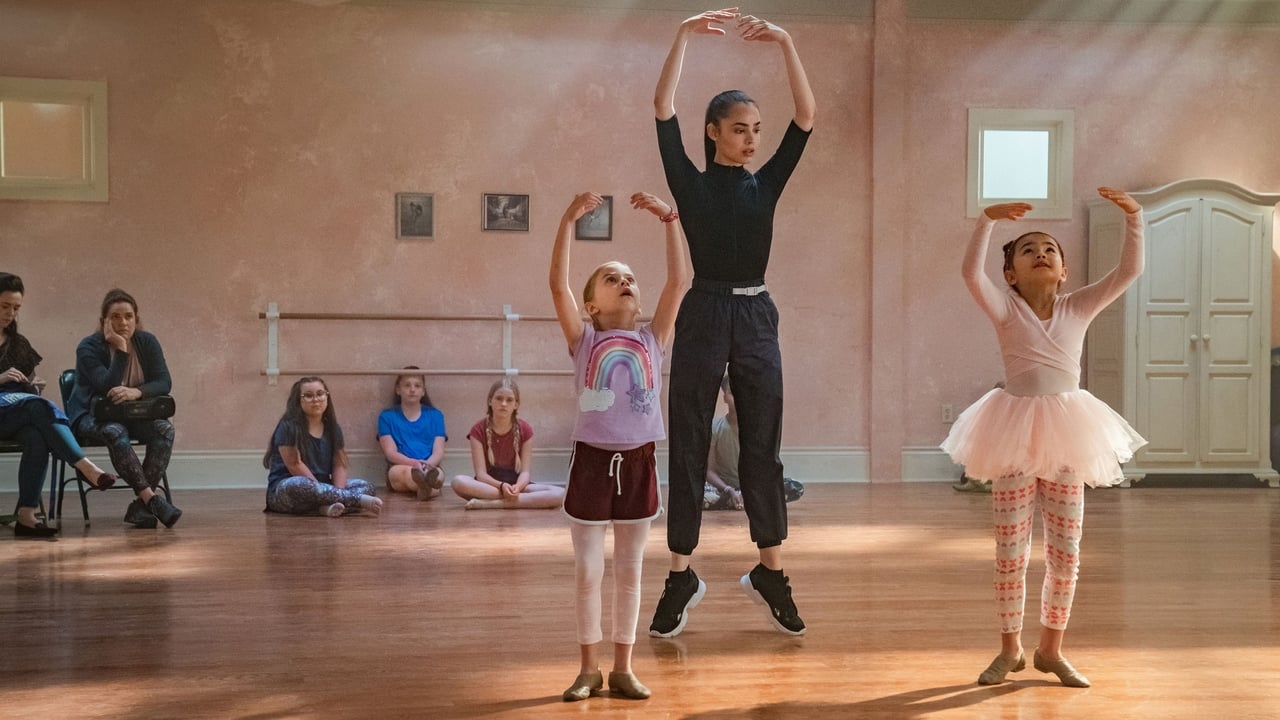
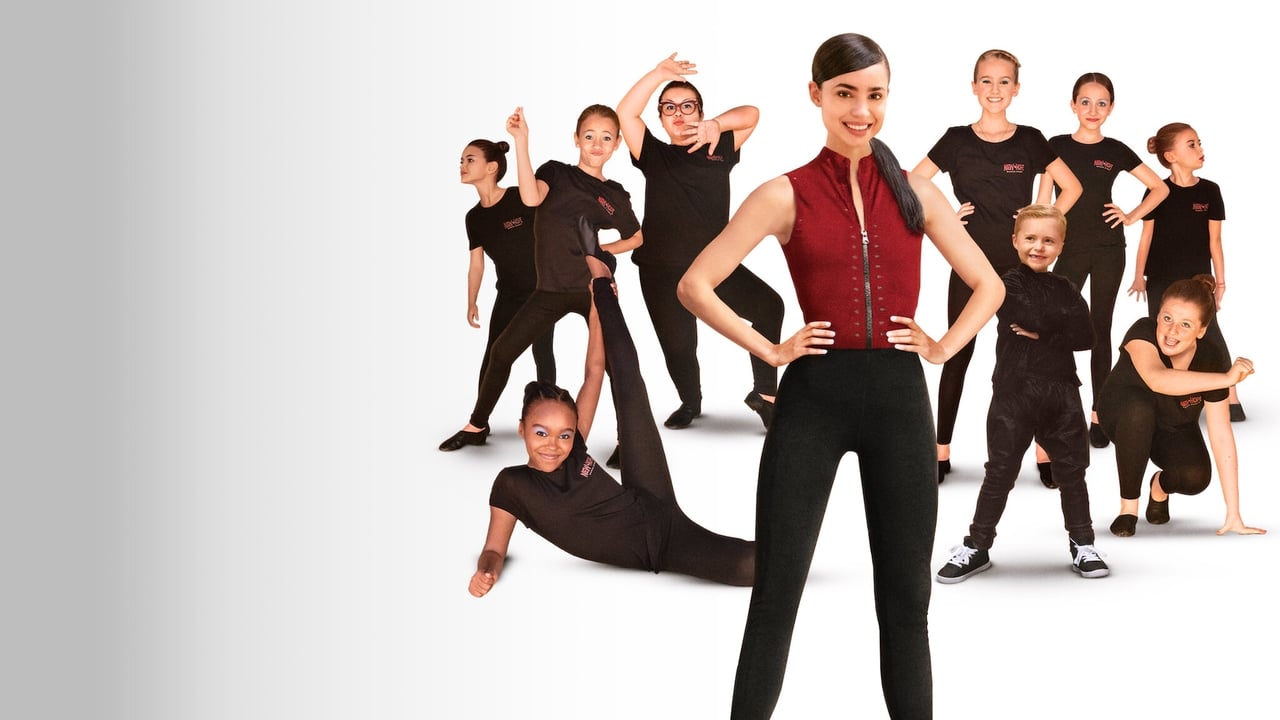
The film quickly pivots from the cutthroat streets of New York to the aggressively quaint New Lisbon, Wisconsin. It’s a classic narrative "retreat," but Feel the Beat treats the return to one’s hometown not as a cozy embrace, but as a site of existential reckoning. April isn't the typical bubbly protagonist found in these "misfit coach" movies. In fact, April is basically a dance-floor sociopath for the first 45 minutes, and I kind of loved that. She is cold, transactional, and views the group of young, uncoordinated dancers she’s tasked with training purely as a vehicle for her own redemption.
This is where the film invites a bit of a deeper look. It grapples with the "Sunk Cost Fallacy" of the arts. April has spent her life refining her body and her craft, only to find that in the eyes of the industry, she’s a "non-entity" because of one bad interaction with a mogul. The film asks us to consider the morality of her mentorship: Is a teacher’s motivation relevant if the results are transformative? She pushes these kids—including a young girl with a hearing impairment and a boy who just wants to move—not out of "love for the craft," but out of a desperate, clawing need to escape her own perceived mediocrity.
The Netflix Efficiency Model
Directed by Elissa Down, the film leans into the bright, high-contrast aesthetic that has become the hallmark of the Netflix "Original Movie" ecosystem. It’s a visual language that prioritizes clarity and comfort, ensuring that even on a smartphone screen during a commute, you won't miss a beat (pun intended). While some might call this "content" rather than "cinema," there’s a professional polish here that serves the genre well.
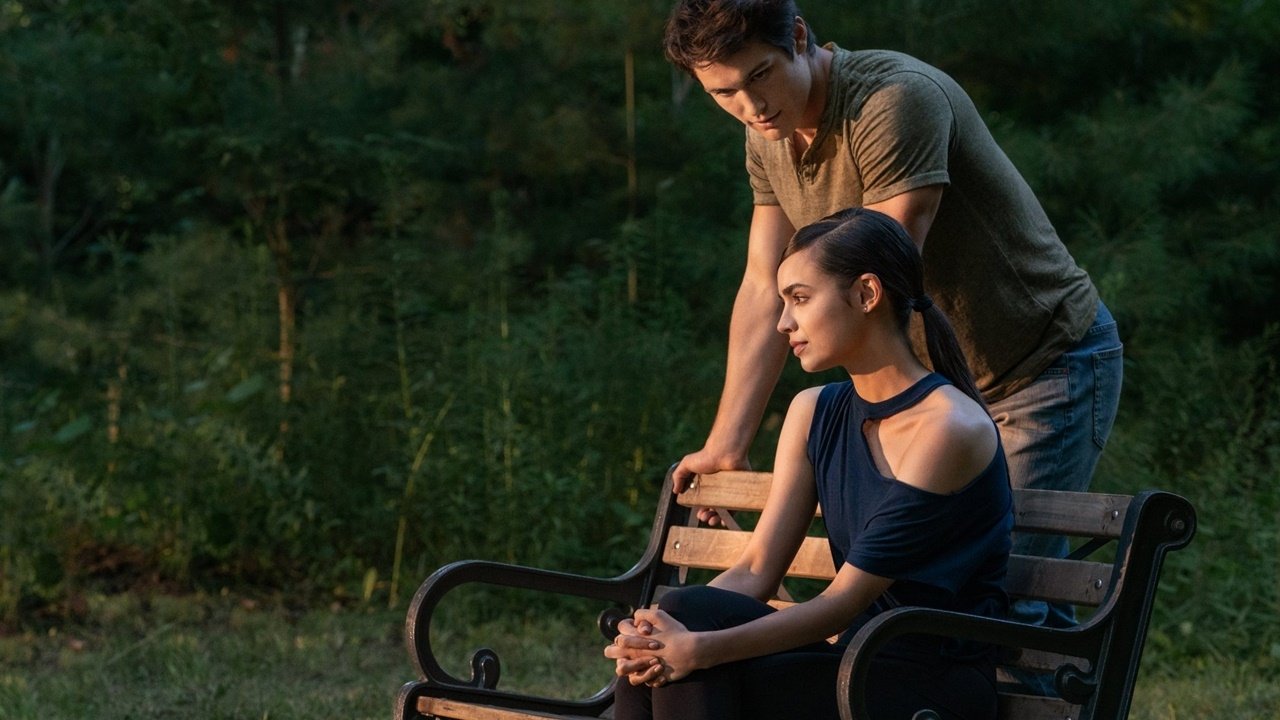
The supporting cast provides the necessary warmth to offset April’s icy exterior. Donna Lynne Champlin is a comedic anchor as Barb, the studio owner who sees through April’s nonsense with a weary, midwestern grace. Then there’s Enrico Colantoni as April's father, Frank. Every time Colantoni is on screen, the film gains three layers of soul; he plays the "proud but worried dad" with a subtle, lived-in exhaustion that made me want to call my own father immediately.
Even the romantic subplot with Wolfgang Novogratz as Nick, the "one who got away," feels like it’s checking a box, but the chemistry is serviceable enough to keep the engine humming. The film knows it's a legacy sequel to every "misfit sports/dance" movie ever made, and it wears that formula like a comfortable pair of worn-in leggings. It’s the cinematic equivalent of a weighted blanket—predictable, yes, but undeniably effective at lowering the heart rate.
The Philosophy of the Misfit
Technically, the choreography is impressive. Sofia Carson is a legitimate triple threat, and her physical precision makes the contrast with her students actually funny rather than just sad. But the "cerebral" core of the film lies in the way it handles the competition. We’ve seen the "Big Final Dance" a thousand times, but Feel the Beat manages to weave in a sense of collective identity that challenges April’s individualistic obsession.
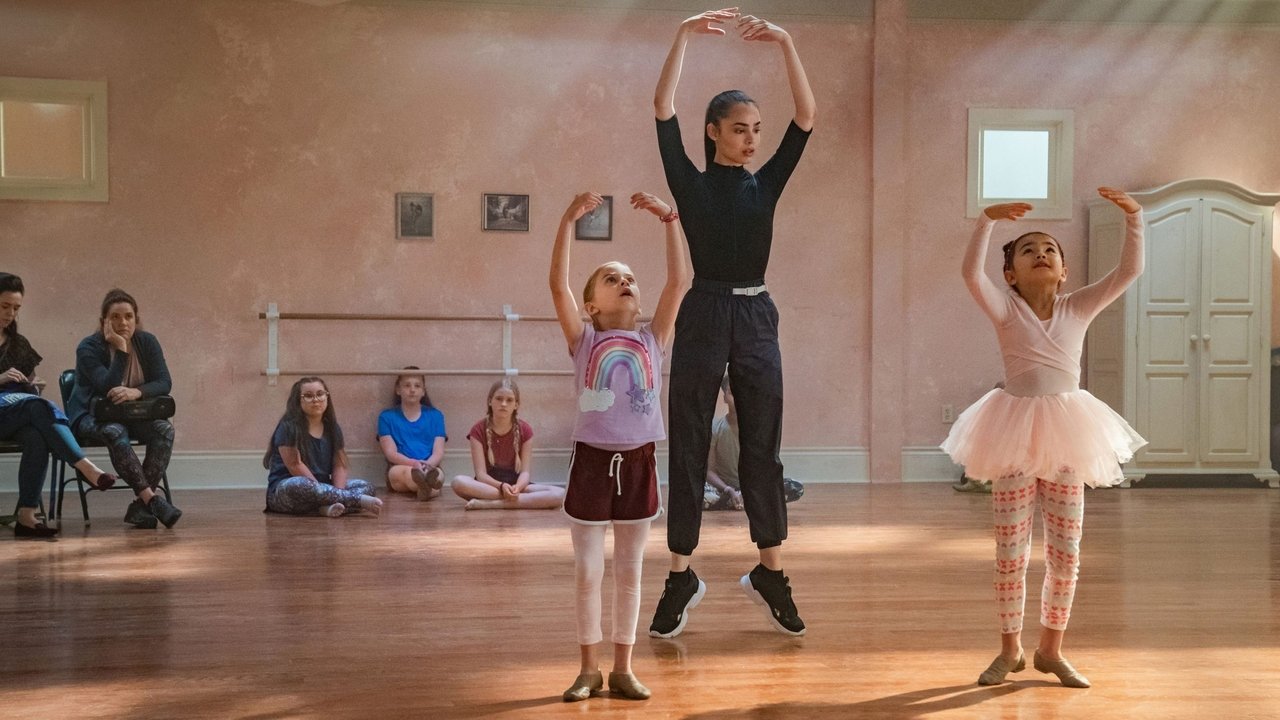
There’s a small detail I noticed: the film’s "villain" isn't a rival team, but April’s own ego. The competition scenes are less about beating the other schools and more about April realizing that her value isn't tied to the marquee lights of the Richard Rodgers Theatre. In a world of social media-driven perfectionism and "peak performance" culture, there’s something quietly radical about a movie that suggests your "Plan B" life might actually be the one where you’re most human.
Interestingly, the film’s release during the height of the 2020 lockdowns gave it a strange resonance. We were all, in a sense, forced back to our metaphorical hometowns, re-evaluating our "New York" dreams. Watching these kids find joy in movement while their teacher learns to stop viewing people as props felt less like a cliché and more like a necessary reminder of the power of community.
Feel the Beat doesn't reinvent the wheel, nor does it try to. It’s a film that understands its place in the streaming landscape: it’s here to provide 107 minutes of vibrant, well-paced escapism with a surprisingly sharp edge to its protagonist. It treats the "Drama" of the dance world with just enough weight to make the stakes feel real, even if we know exactly where the finale is headed. It’s a solid reminder that sometimes, the best way to move forward is to take a few steps back—or at least, to stop being such a jerk to the kids in the back row.
Keep Exploring...
-
The Dirt
2019
-
A Man Called Ove
2015
-
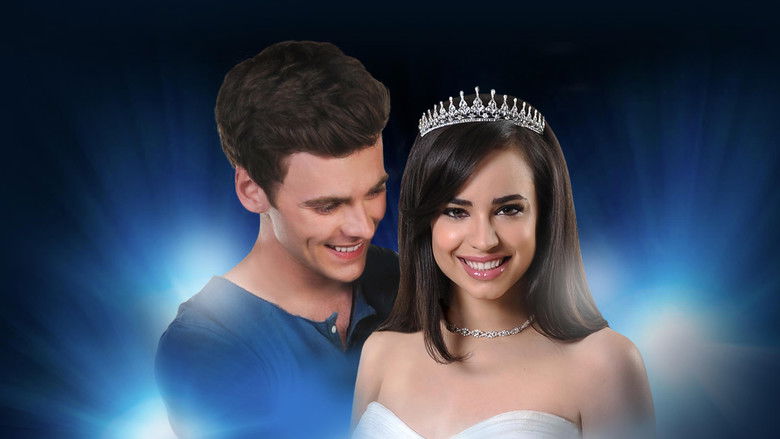
A Cinderella Story: If the Shoe Fits
2016
-
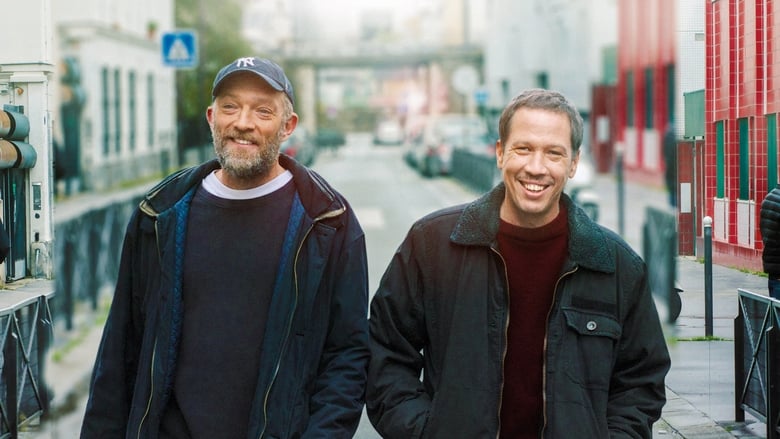
The Specials
2019
-

Clouds
2020
-
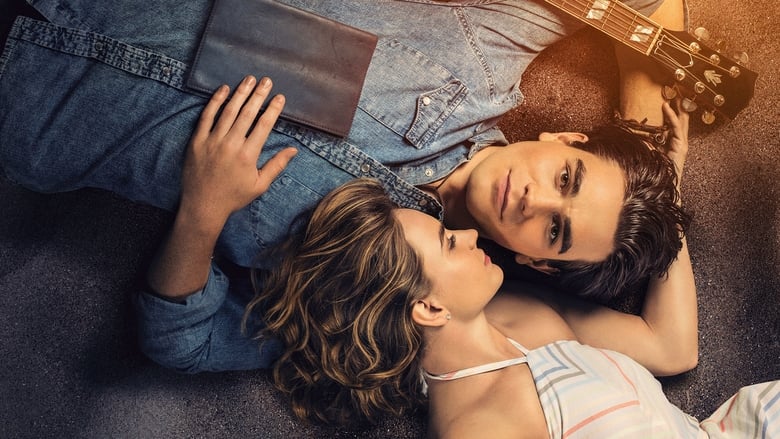
I Still Believe
2020
-

Work It
2020
-

We Are Your Friends
2015
-
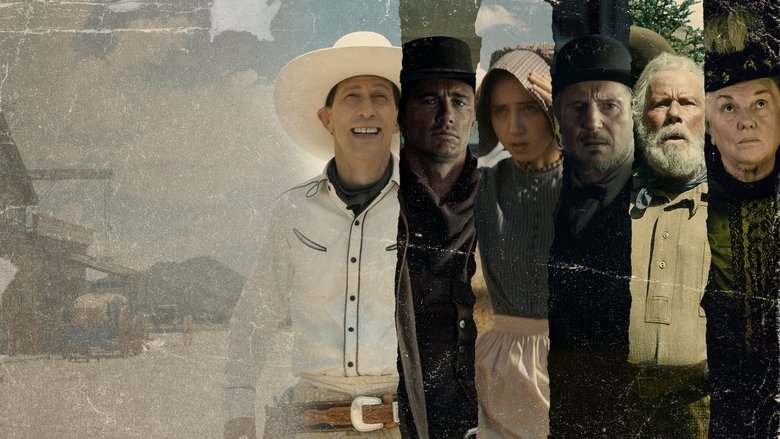
The Ballad of Buster Scruggs
2018
-

The Half of It
2020
-

The Man Who Invented Christmas
2017
-
Stan & Ollie
2018
-
Tully
2018
-
Perfect Strangers
2016
-
Instant Family
2018
-
Love, Simon
2018
-

A Man Called Otto
2022
-
Dope
2015
-

The Dressmaker
2015
-
Florence Foster Jenkins
2016