Gabriel's Inferno: Part III
"Academic longing meets its divine, smoldering conclusion."
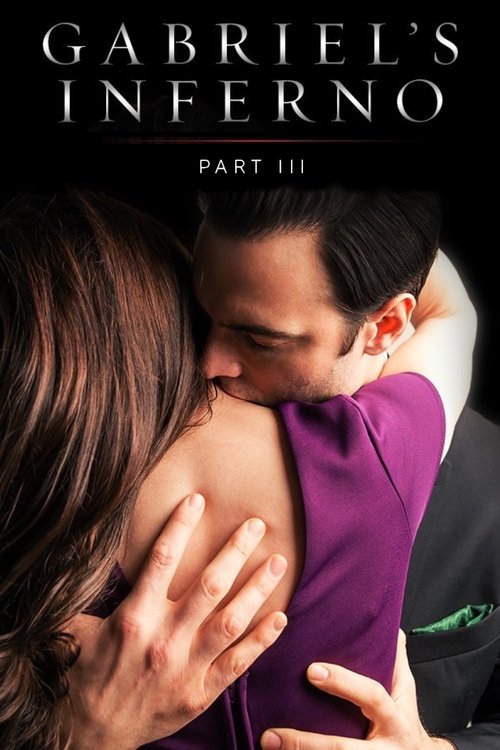
I watched this while drinking a lukewarm cup of Earl Grey that I’m 90% sure had a drowned fruit fly in it, yet the sheer intensity of Gabriel Emerson’s staring kept me from getting up to change it. There is something undeniably hypnotic about the way Gabriel's Inferno: Part III refuses to blink. We live in an era of "content" where movies are often sliced and diced to fit the frantic attention spans of the TikTok generation, but Tosca Musk and her team at PassionFlix have done something quietly radical: they’ve slowed down.
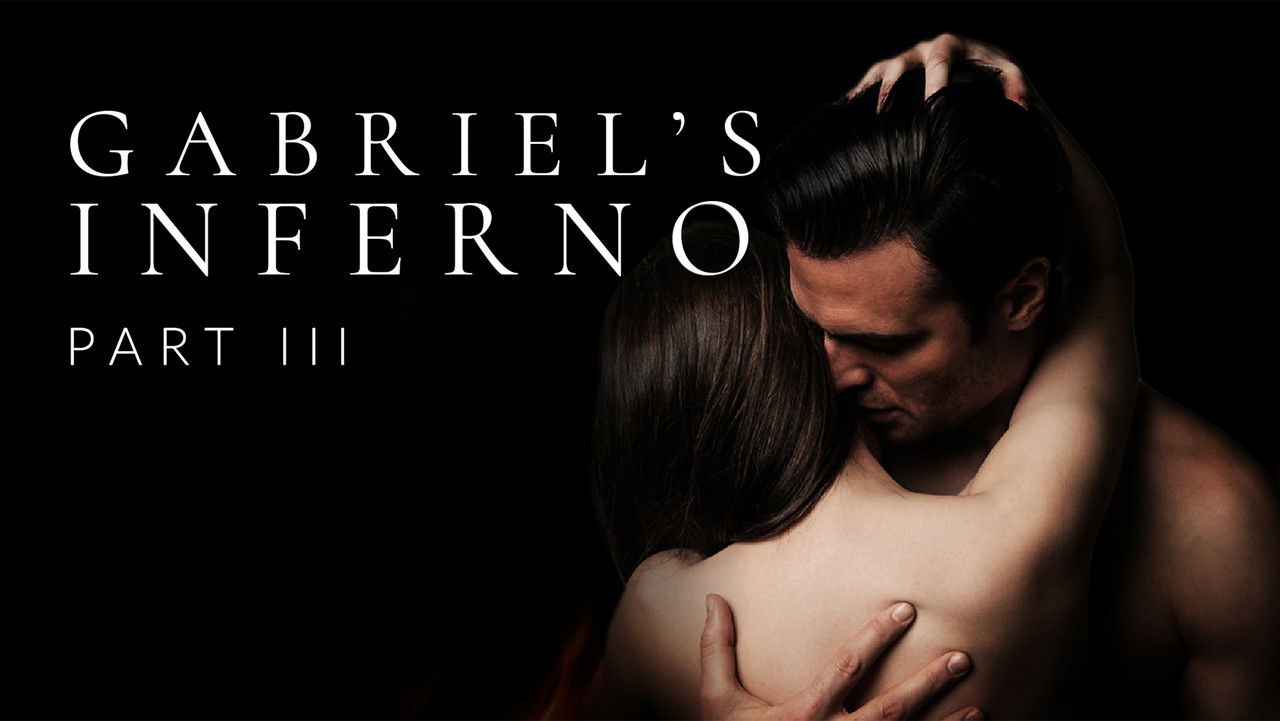
By the time we reach this final installment of the first book’s adaptation, we aren’t just watching a romance; we’re witnessing a cinematic experiment in hyper-fidelity. Most studios would have condensed the 500-plus pages of Sylvain Reynard’s novel into a tight ninety minutes. Instead, PassionFlix gave us a trilogy for a single book. It’s the Hobbit strategy applied to the world of academic yearning and expensive Italian suits, and honestly, for the target audience, it’s exactly what the doctor ordered.
The Passion of the Niche
To understand Part III, you have to understand the landscape it was born into. Released in late 2020, a year when the theatrical experience was largely a ghost town, this film leaned hard into the burgeoning power of the niche streaming service. PassionFlix isn’t trying to compete with the MCU or the sprawling reach of Netflix; it’s a boutique experience for romance readers who are tired of Hollywood butchering their favorite tropes.
This installment wraps up the redemption arc of Professor Gabriel Emerson, a man who carries his trauma like a vintage leather satchel—heavy, expensive, and always in the way. Giulio Berruti returns as Gabriel, and he is, quite frankly, absurdly well-cast. He has a way of delivering lines about Dante and Petrarch that should feel pretentious but instead land with a heavy, gravitational pull. Opposite him, Melanie Zanetti as Julia Mitchell remains the emotional anchor. In an era where "representation" often focuses on external identity, Zanetti represents a very specific kind of internal strength—the quiet, bookish resilience of a woman who isn't intimidated by a man’s darkness because she’s already navigated her own.
A Dantean Slow-Burn
If you aren't a fan of the source material, the pacing moves with the urgency of a tenured professor on a sabbatical. However, if you’re looking for a film that takes its time with the "cerebral" side of attraction, there's plenty to chew on. The screenplay by Mary Pocrnic leans heavily into the Dante Alighieri parallels that define the series. The film functions as the Paradiso to the first part's Inferno, moving away from the "forbidden" nature of their student-teacher relationship toward a more spiritual, redemptive union.
The "cerebral" treatment here isn't just about the characters being smart; it's about the film’s belief that intellectual connection is a form of foreplay. They discuss the Vita Nuova with more heat than most modern rom-coms bring to a bedroom scene. It’s a fascinating choice for contemporary cinema. While big-budget dramas are often stripping away subtext to make films more "global," Gabriel's Inferno doubles down on the specific, the literary, and the archaic. It asks: Can a modern man find his Beatrice in a graduate student? The film’s answer is a resounding, lushly photographed "yes."
Behind the Smolder
Interestingly, the production of these films is a bit of a family affair in the tech-mogul sense—Tosca Musk is the sister of Elon, but she has carved out a very different kind of empire in the romance world. She’s built a platform that bypasses the traditional gatekeepers of Hollywood, going straight to the fans. This leads to some unique production quirks. The film looks expensive—the Italian vistas and the rich, mahogany-heavy interiors of the Emerson estate are gorgeous—but you can tell it’s designed for the small screen. The lighting is soft, the close-ups are intimate, and the sound design is whispered.
The chemistry between Berruti and Zanetti is what carries the film through its slower movements. They spent months filming these parts back-to-back, and by the time we get to Part III, there is a lived-in comfort to their interactions. Even the supporting cast, like Rhett Wellington Ramirez as Simon or James Andrew Fraser as the ever-annoying Paul, feel like they’ve finally settled into the rhythm of this hyper-stylized world. Apparently, Giulio Berruti actually helped with some of the Italian translations and cultural nuances on set, ensuring that the Florence sequences felt authentic rather than just a tourist’s fever dream.
Ultimately, Gabriel's Inferno: Part III is a victory for the "super-fan" era of filmmaking. It doesn't care if it’s too long, too talky, or too focused on 14th-century poetry. It knows its audience is there for the lingering looks and the eventual, hard-earned catharsis of Gabriel and Julia finally finding peace. It’s a lush, slow, and deeply earnest conclusion that proves you don’t need a massive theatrical release to make a lasting impression on a dedicated corner of the world. Just make sure your tea doesn't have a fly in it when you sit down for the ride.
Keep Exploring...
-
Gabriel's Inferno: Part II
2020
-
Gabriel's Inferno
2020
-
The Art of Racing in the Rain
2019
-

Clouds
2020
-

I Still Believe
2020
-
Life in a Year
2020
-

I Want to Eat Your Pancreas
2018
-

A Whisker Away
2020
-

The Longest Ride
2015
-

Forever My Girl
2018
-

Love, Simon
2018
-

Midnight Sun
2018
-

Five Feet Apart
2019
-

All the Bright Places
2020
-

Purple Hearts
2022
-

Where the Crawdads Sing
2022
-
The Guernsey Literary & Potato Peel Pie Society
2018
-

God's Own Country
2017
-
Weathering with You
2019
-

A Dog's Journey
2019