Happiest Season
"Coming out for Christmas is a contact sport."
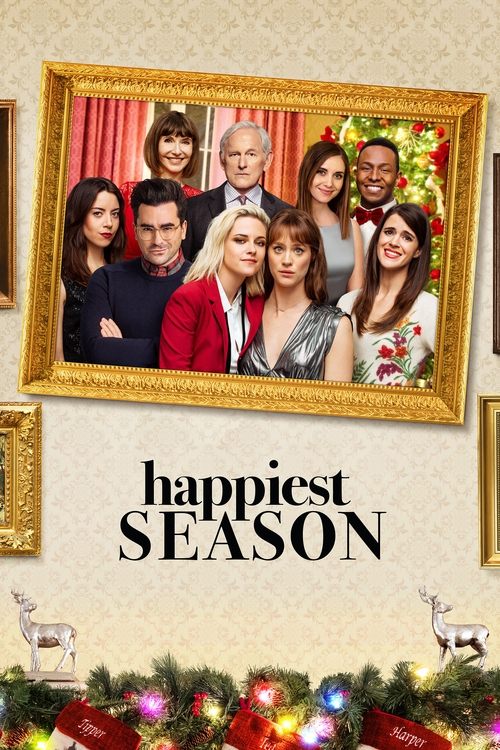
The "meet the parents" subgenre usually operates on a sliding scale between Meet the Parents (slapstick anxiety) and The Family Stone (melancholic knitwear). But when Clea DuVall stepped behind the camera for 2020’s Happiest Season, she added a layer of high-stakes deception that turned a standard holiday romp into something closer to a witness protection thriller. Released directly to Hulu during that strange, isolated pandemic winter, the film didn't just provide much-needed seasonal comfort; it sparked the kind of heated social media discourse usually reserved for Marvel post-credit scenes.
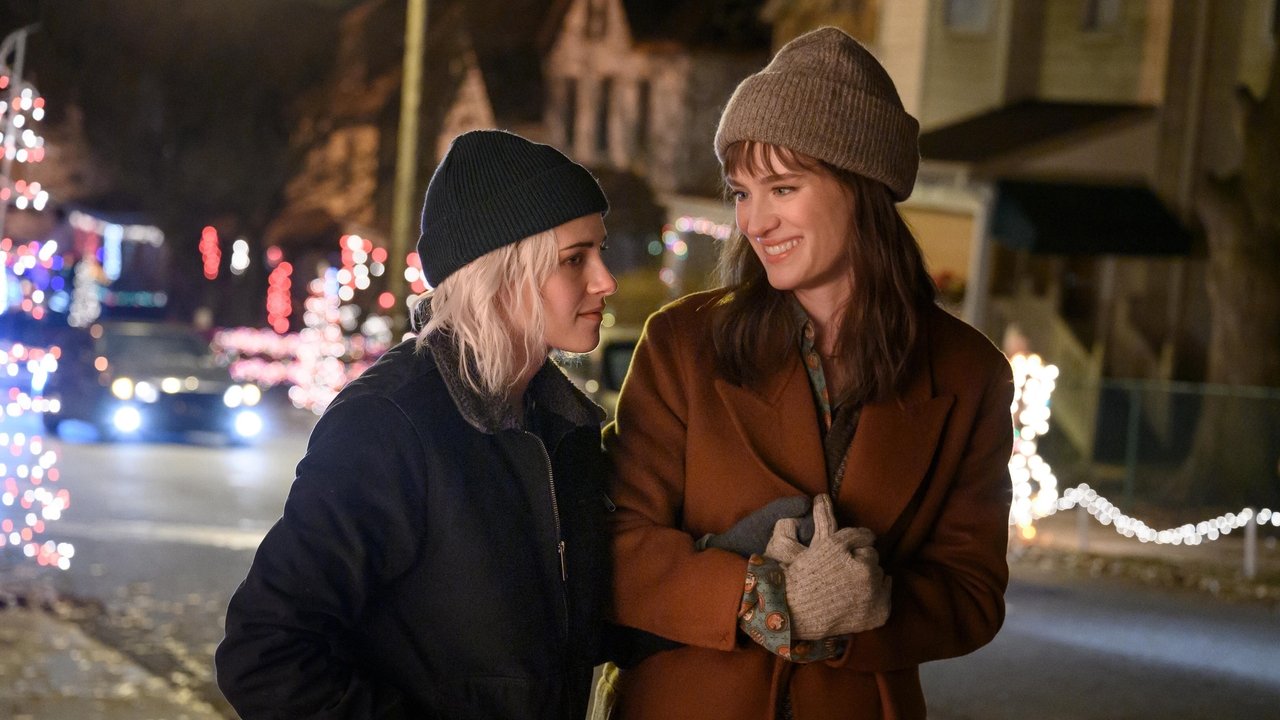
I watched this for the first time while wearing a pair of itchy wool socks that I eventually had to throw away, but I found myself keeping the movie in my permanent holiday rotation. There’s something undeniably refreshing about seeing a queer narrative given the full, glossy, big-budget "Nancy Meyers-lite" treatment, even if the plot makes you want to hide under your own sofa cushions.
The High Stakes of Holiday Hiding
The premise is a classic ticking clock: Abby (Kristen Stewart) plans to propose to her girlfriend Harper (Mackenzie Davis) during Harper’s family Christmas. The catch? Harper hasn't actually come out to her hyper-competitive, image-obsessed parents, Ted (Victor Garber) and Tipper (Mary Steenburgen). Suddenly, Abby is demoted from "soulmate" to "orphaned roommate," and the film transforms into a frantic comedy of errors.
What I find fascinating about Happiest Season in our current streaming era is how it navigates representation. For decades, queer cinema was often relegated to tragic indies or underground gems. Here, Clea DuVall uses the structure of a mainstream studio comedy to explore the very real, very jagged trauma of the closet. The movie is secretly a high-stakes horror film disguised as a holiday romp. Watching Abby sit at a dinner table while the person she loves pretends she’s just a platonic stray is genuinely painful. It’s a testament to Kristen Stewart’s performance—which is delightfully low-key and grounded—that we feel every micro-aggression and social slight alongside her.
Stealing the Show (and My Heart)

While the central romance is the engine, the ensemble cast is the premium fuel. Mary Steenburgen is terrifyingly perfect as the matriarch who treats Instagram aesthetics like a blood sport, and Alison Brie plays the "perfect" sister Sloane with a brittle, high-strung energy that suggests she might snap a candy cane and use it as a weapon at any moment.
However, the undisputed MVP of the film—and perhaps the year 2020—is Mary Holland as the middle sister, Jane. Holland, who also co-wrote the screenplay with DuVall, delivers a performance of such pure, unadulterated weirdness that she elevates every scene she’s in. Jane is the family’s resident "odd duck," an aspiring fantasy novelist who just wants someone to read her 500-page manuscript. Her physical comedy is top-tier; she occupies the background of shots with the frantic energy of a puppy trying to understand a ceiling fan.
Then there’s Dan Levy, fresh off his Schitt’s Creek heights, playing Abby’s best friend John. He provides the film’s moral compass and its most vital piece of perspective. There is a scene on a doorstep late in the film where he explains that everyone’s coming-out journey is their own—a moment of sincerity that anchors the movie just as it threatens to float away into total farce.
The Riley Discourse and the Ending
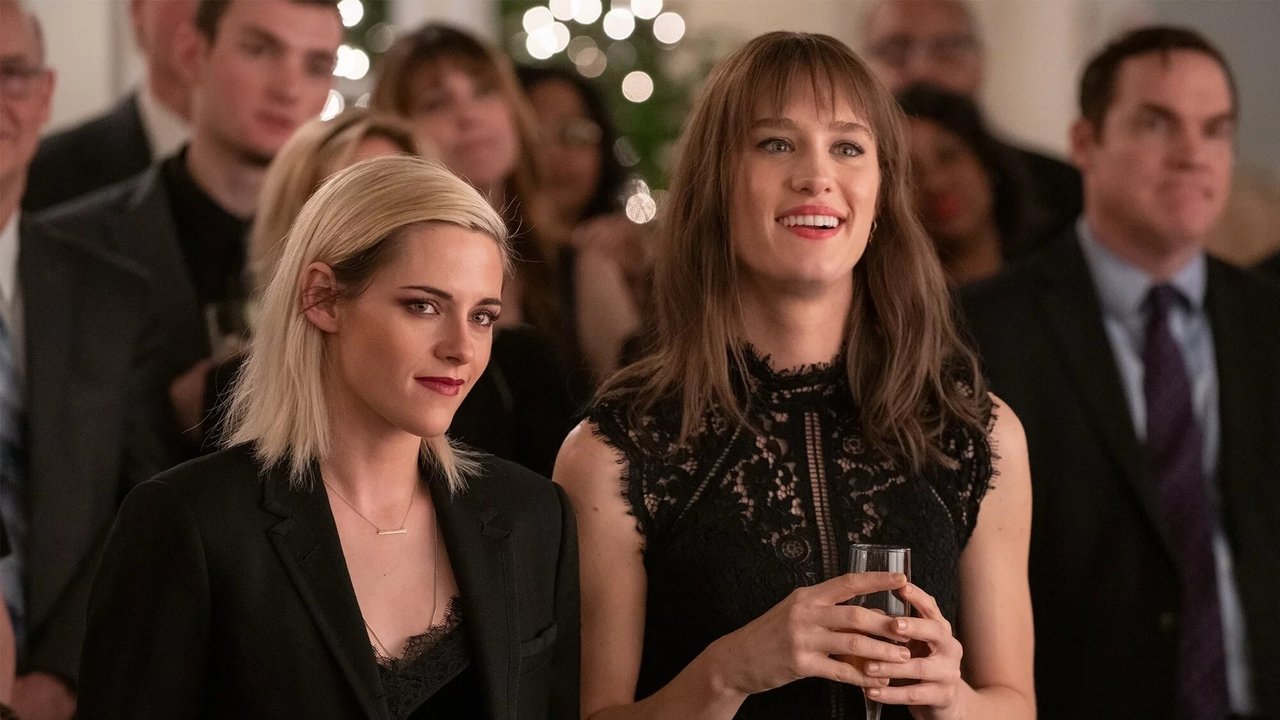
We can't talk about Happiest Season without talking about Riley. Played by Aubrey Plaza with a level of effortless, suit-wearing charisma that should be illegal in all fifty states, Riley is Harper’s secret ex-girlfriend who was outed in high school. The chemistry between Kristen Stewart and Aubrey Plaza was so palpable that it nearly broke the internet.
Riley was the only person in this movie who didn't deserve a therapy invoice, and half of my Twitter feed at the time was screaming for Abby to leave Harper and drive off into the sunset with Riley instead. It’s a rare "problem" for a rom-com to have: the supporting character is so compelling that they threaten the endgame. It highlights the film's biggest gamble—making its co-lead, Harper, occasionally unsympathetic. Harper does some pretty terrible things to Abby to protect her secret, and the film doesn't shy away from the messiness of that fear. Whether or not you think they should stay together by the time the credits roll is the ultimate litmus test for your own feelings on forgiveness versus self-respect.
The film is a fascinating artifact of the early 2020s streaming pivot. Originally intended for a wide theatrical release by Sony, it became a massive hit for Hulu, proving that there was a hungry, underserved audience for queer stories told through a traditional, commercial lens. It’s polished, it’s funny, and it features enough white-and-gold Christmas decor to make a mall Santa weep with envy.
While the "closet" trope can feel a bit dated for some younger viewers, DuVall handles it with a personal touch that feels earned. It isn't a perfect movie—the slapstick in the basement gets a bit too frantic for my taste—but it’s an essential one for the modern holiday canon. It’s a movie about the families we choose, the families we’re stuck with, and the exhausting work of trying to be yourself when you're surrounded by people who only want to see a curated version of you. Plus, any movie that gives us Aubrey Plaza in a silk lapel deserves a spot on your watchlist.

Keep Exploring...
-
Anomalisa
2015
-

In a Heartbeat
2017
-
A Christmas Prince: The Royal Wedding
2018
-

Overboard
2018
-
Second Act
2018
-

The Holiday Calendar
2018
-

Always Be My Maybe
2019
-

Falling Inn Love
2019
-

Lady and the Tramp
2019
-

The Princess Switch: Switched Again
2020
-
The Hating Game
2021
-

Falling for Christmas
2022
-

Marry Me
2022
-

Shotgun Wedding
2022
-

Beautiful Disaster
2023
-

Fly Me to the Moon
2024
-

The Idea of You
2024
-

Upgraded
2024
-

Man Up
2015
-

Red Shoes and the Seven Dwarfs
2019