I Still Believe
"A love story written in the stars and shattered on Earth."
The weekend of March 13, 2020, is etched into the collective memory of every cinephile as the moment the projectors went dark. I was actually sitting on my couch with a bag of lime-flavored tortilla chips—the kind that leave a radioactive green dust on your fingers—contemplating whether I should brave the local multiplex one last time or just wait for the inevitable digital drop. I Still Believe ended up being the "Canary in the Coal Mine" for the pandemic era, a film that saw its theatrical life cut short by global lockdowns, eventually finding its true home on streaming platforms where its message of hope found a captive, frightened audience.
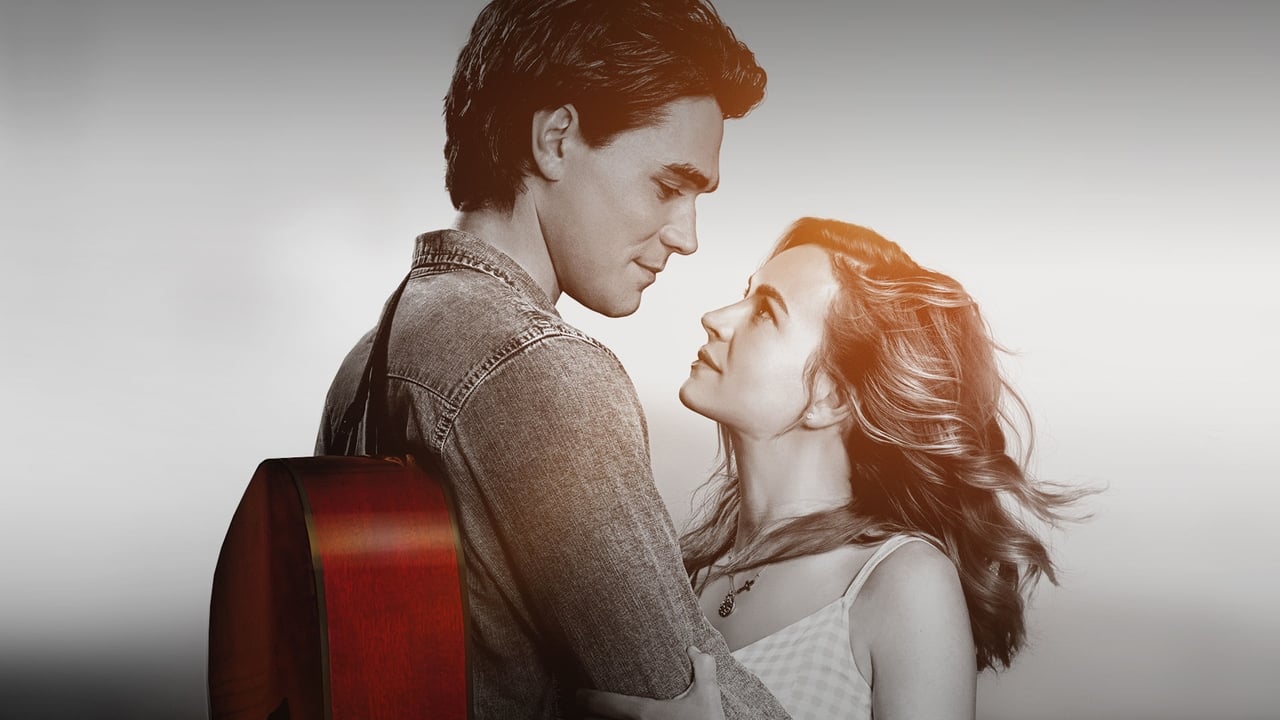
It’s a fascinating artifact of contemporary Christian cinema, a genre that has spent the last decade trying to shed its "cringe-worthy" reputation by hiring legitimate stars and high-end cinematographers. Here, the Erwin Brothers (directors Jon and Andrew Erwin) attempt to bridge the gap between the pulpit and the popcorn bucket by casting KJ Apa, the chiseled lead of Riverdale, and Britt Robertson, a veteran of Nicholas Sparks adaptations. The result is a film that looks and feels like a prestige YA romance, even as it grapples with questions of divine silence and terminal illness.
The Gospel of the Jawline
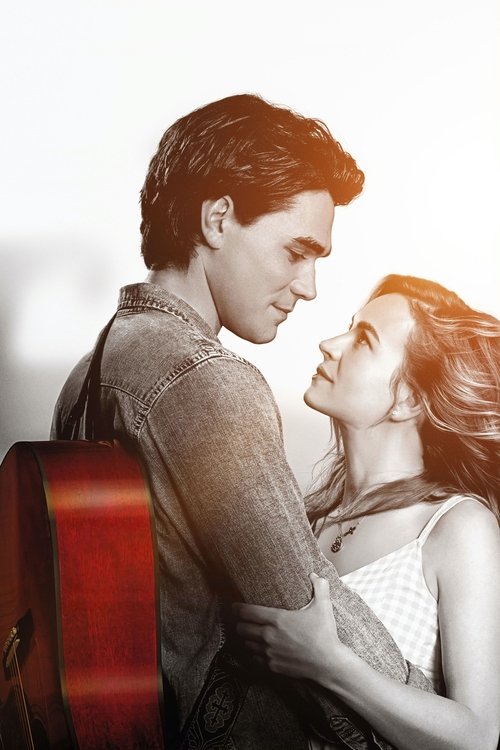
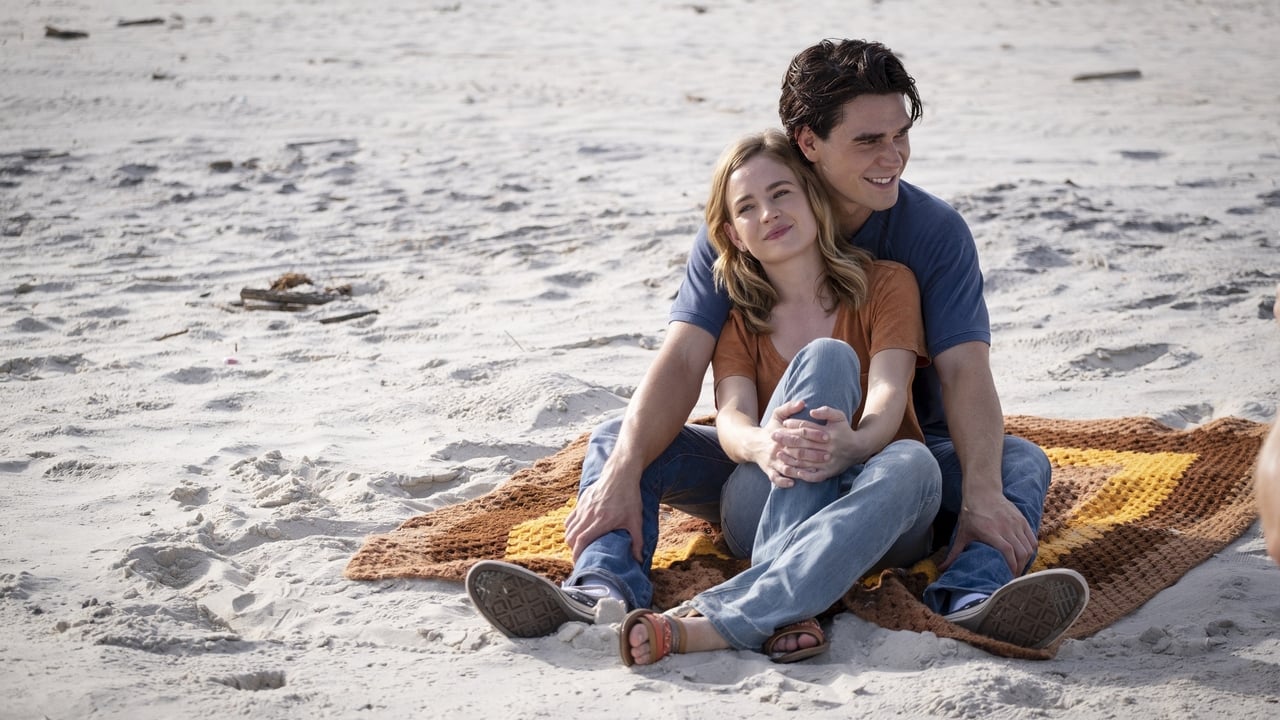
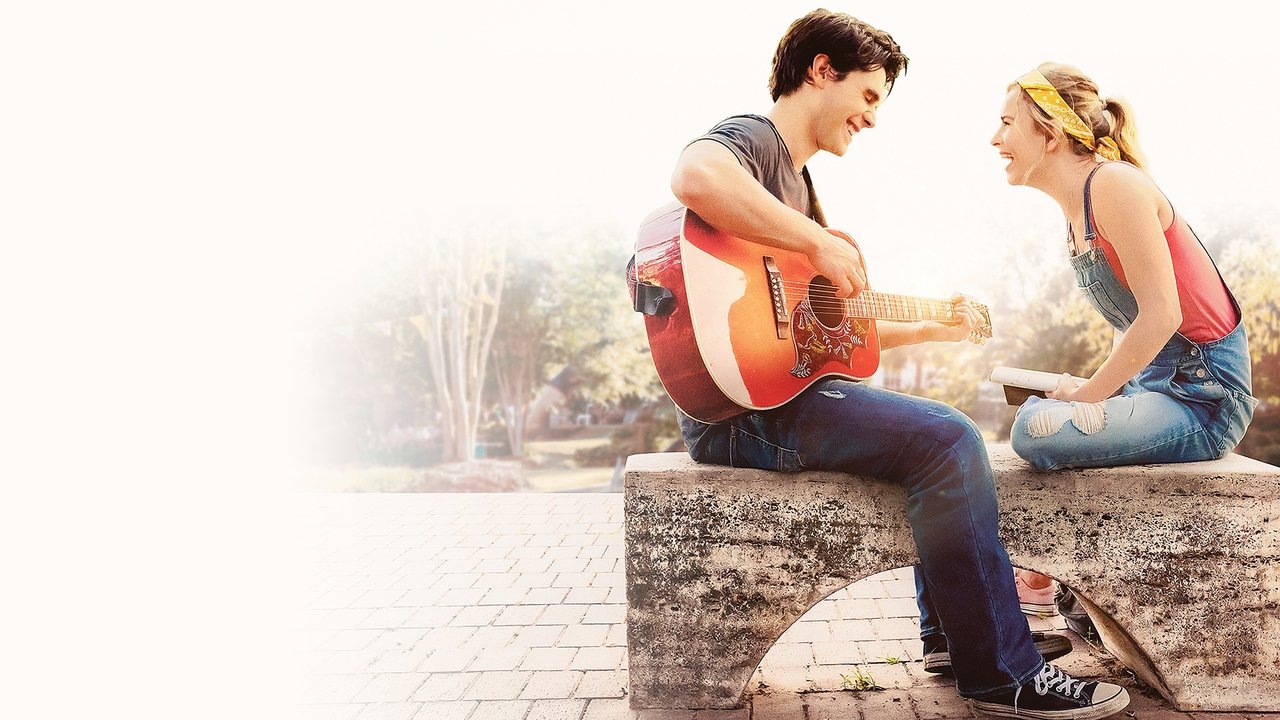
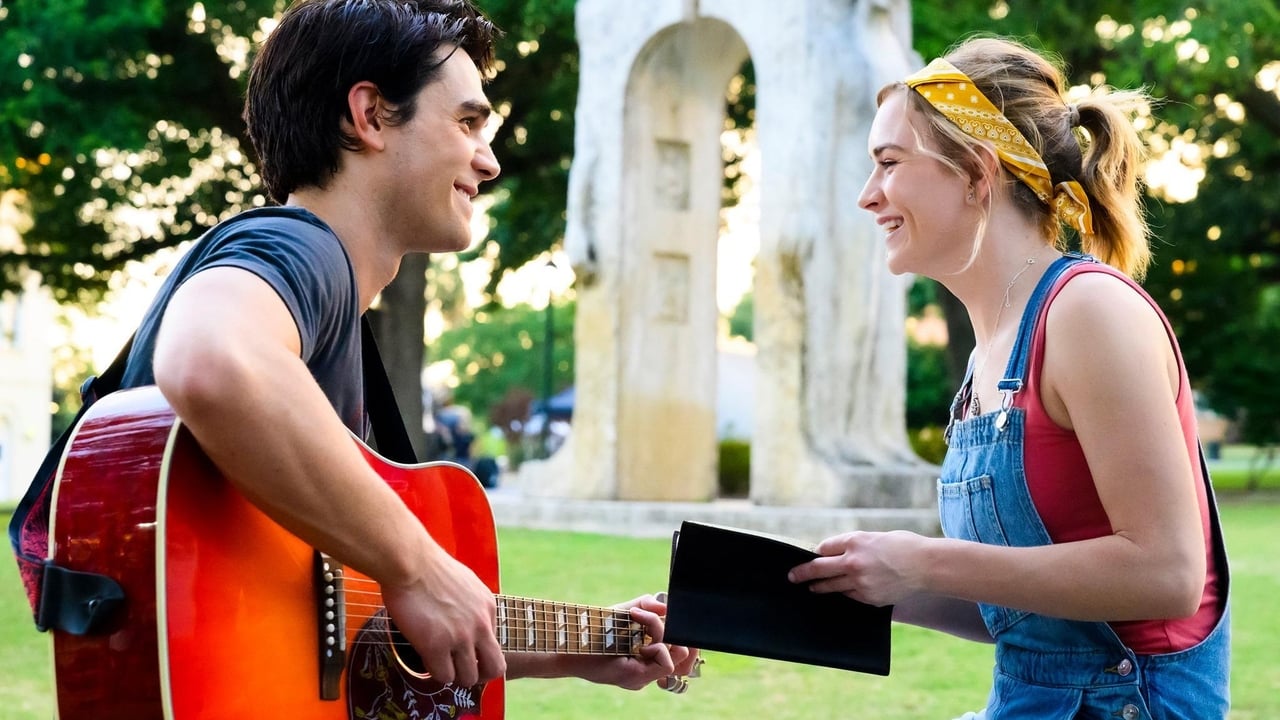
The story follows the real-life trajectory of Jeremy Camp (KJ Apa), an aspiring musician who heads off to a Christian college in California and immediately falls for Melissa Henning (Britt Robertson). There’s a sweet, almost naive earnestness to their courtship. While I watched, my cat, Barnaby, decided that the ceiling fan was his mortal enemy, leaping at the air every time Jeremy played a chord, which honestly provided a bit of much-needed levity. The film doesn't shy away from the fact that this is a "clean" romance, but the chemistry between Apa and Robertson—who had worked together previously in A Dog’s Purpose—is genuine enough to make you forget you’re watching a sermon-in-disguise for a few minutes.
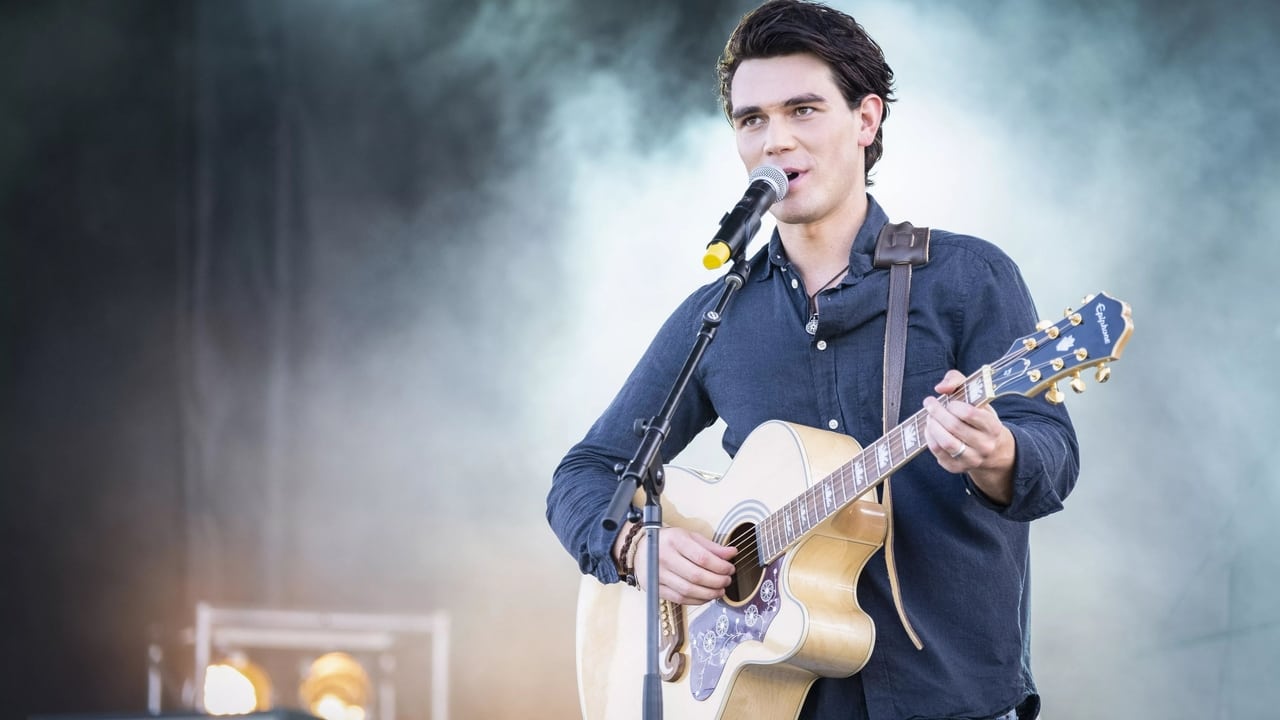
KJ Apa does a surprising amount of heavy lifting here. We’re used to seeing him deal with the absurd cults and serial killers of Archie Comics’ hometown, but as Jeremy, he’s vulnerable and surprisingly adept at the musical performances. He actually did his own singing for the film, and while he’s not going to win a Grammy over the real Jeremy Camp, his voice has a raw, unpolished quality that fits the character’s burgeoning talent. Britt Robertson is, as always, the secret weapon. She has a way of making "the dying girl" trope feel less like a plot device and more like a person struggling with the unfairness of her own biology. It’s basically a Nicholas Sparks novel that spent a summer at Bible college, and your enjoyment will largely depend on your tolerance for that specific brand of tear-jerker.
The Weight of Unanswered Prayers
Where I Still Believe moves into deeper, more cerebral territory is in its second half. Most faith-based films operate on the "Miracle Metric"—pray hard enough, and the cancer disappears. This film, because it follows a true (and tragic) story, is forced to confront a much more difficult philosophical question: What do you do when the miracle doesn't happen?
There is a recurring metaphor in the screenplay about God being an artist and our lives being a canvas. From our perspective, it’s just a bunch of messy strokes and dark colors, but from "His" perspective, it’s a masterpiece. It’s a comforting thought, but also a terrifying one. It suggests that our suffering is a necessary pigment for a larger work we’ll never see. I found myself chewing on that long after the credits rolled. The film asks the audience to sit in the tension of grief and gratitude, which is a surprisingly mature move for a movie marketed to youth groups. Gary Sinise, playing Jeremy’s father, provides a grounded, weary performance that anchors these high-concept theological debates in something resembling real-world parenting.
Production Polish and Pandemic Fallout
Visually, the film is gorgeous. Cinematographer Kristopher S. Kimlin captures the California coast with a golden-hour glow that makes the whole world feel like an Instagram filter. It’s a far cry from the flat, digital look of early 2000s Christian movies. The production values are top-tier, fueled by a $12 million budget that Lionsgate clearly hoped would translate into a massive crossover hit.
The trivia surrounding its release is almost more dramatic than the film itself. Because it opened exactly as the world shut down, its $16 million box office is a massive "what if." It was the #1 film in America for a single night before theaters began closing their doors. Apparently, the real Jeremy Camp was on set for much of the filming, which must have been a surreal, haunting experience—watching KJ Apa recreate the most painful year of his life. Even Shania Twain shows up as Jeremy’s mother, though she’s given precious little to do other than look supportive.
At its core, I Still Believe is a well-made, albeit highly sentimental, exploration of how humans process loss through the lens of faith. It doesn't revolutionize the genre, and it certainly won't convert any skeptics, but it treats its characters with a dignity that is often missing from contemporary "message" movies. It’s a film about the courage it takes to keep singing when you’ve lost your song, released at a time when the whole world was losing its voice. If you’re in the mood for a good cry and can handle the heavy-handed spiritual messaging, it’s a solid Sunday afternoon watch. Just make sure your cat isn't trying to fight the ceiling fan during the emotional climax.
Keep Exploring...
-
Clouds
2020
-
The Art of Racing in the Rain
2019
-
High Strung
2016
-
Gabriel's Inferno: Part II
2020
-
Gabriel's Inferno: Part III
2020
-
Life in a Year
2020
-

CODA
2021
-

I Want to Eat Your Pancreas
2018
-
A Whisker Away
2020
-
Feel the Beat
2020
-
The Longest Ride
2015
-
Love, Simon
2018
-

Five Feet Apart
2019
-
Where the Crawdads Sing
2022
-

We Are Your Friends
2015
-
The Ballad of Buster Scruggs
2018
-

Far from the Madding Crowd
2015
-
Loving
2016
-
The Choice
2016
-
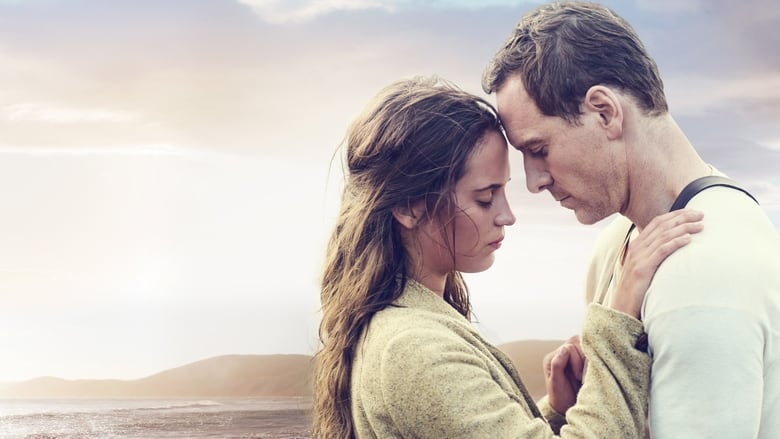
The Light Between Oceans
2016