Invasion
"Moscow goes under as the digital heavens descend."
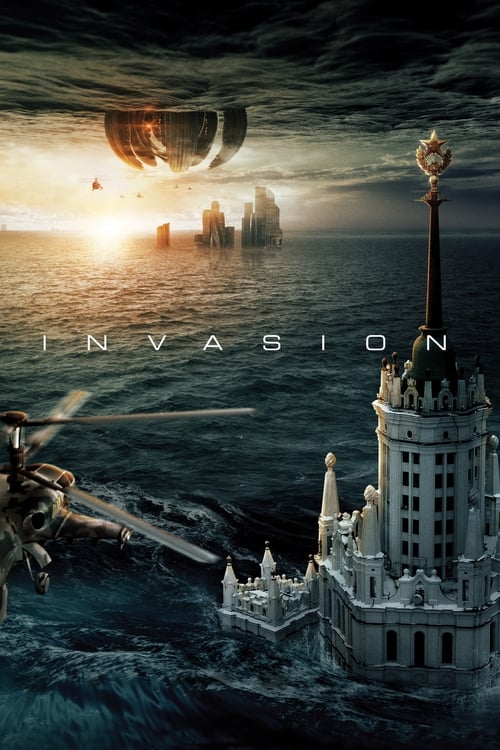
I remember stumbling across the trailer for Invasion (the sequel to the 2017 alien-contact flick Attraction) and thinking I’d accidentally clicked on a lost Christopher Nolan project. The scale was massive, the CGI looked crisp enough to cut glass, and it had that sleek, blue-and-gray color palette that screams "high-stakes blockbuster." But here’s the kicker: it’s a Russian film directed by Fyodor Bondarchuk. While Hollywood was busy iterating on the fifteenth version of a superhero’s origin story in 2020, Russia was quietly dropping a sci-fi sequel that looks like it cost ten times its actual $8 million budget.
I watched this on a Tuesday afternoon while my cat, Barnaby, spent a solid twenty minutes trying to fight his own reflection in a nearby mirror. Strangely, his chaotic energy perfectly matched the vibe of this movie.
The Spectacle of the "Water Wall"
If you haven’t seen the first film, Attraction (Fyodor Bondarchuk’s earlier foray into this world), you can still jump into Invasion without feeling like you’re reading the middle of a Russian novel. Two years have passed since an alien ship crashed into Moscow. Our protagonist, Yulya Lebedeva (Irina Starshenbaum), has become a human laboratory experiment. Because she had "contact" with the extraterrestrial Hackon (Rinal Mukhametov), she’s now developing powers that are basically a giant neon sign for an orbital alien AI system.
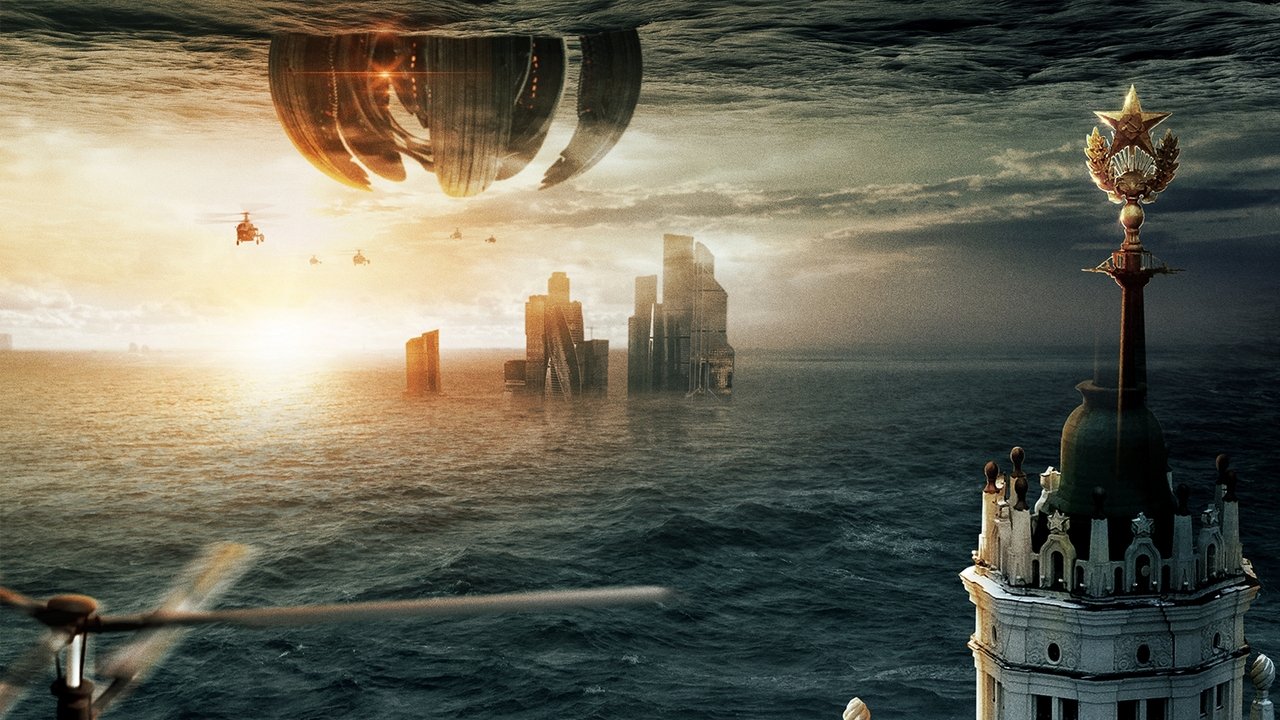
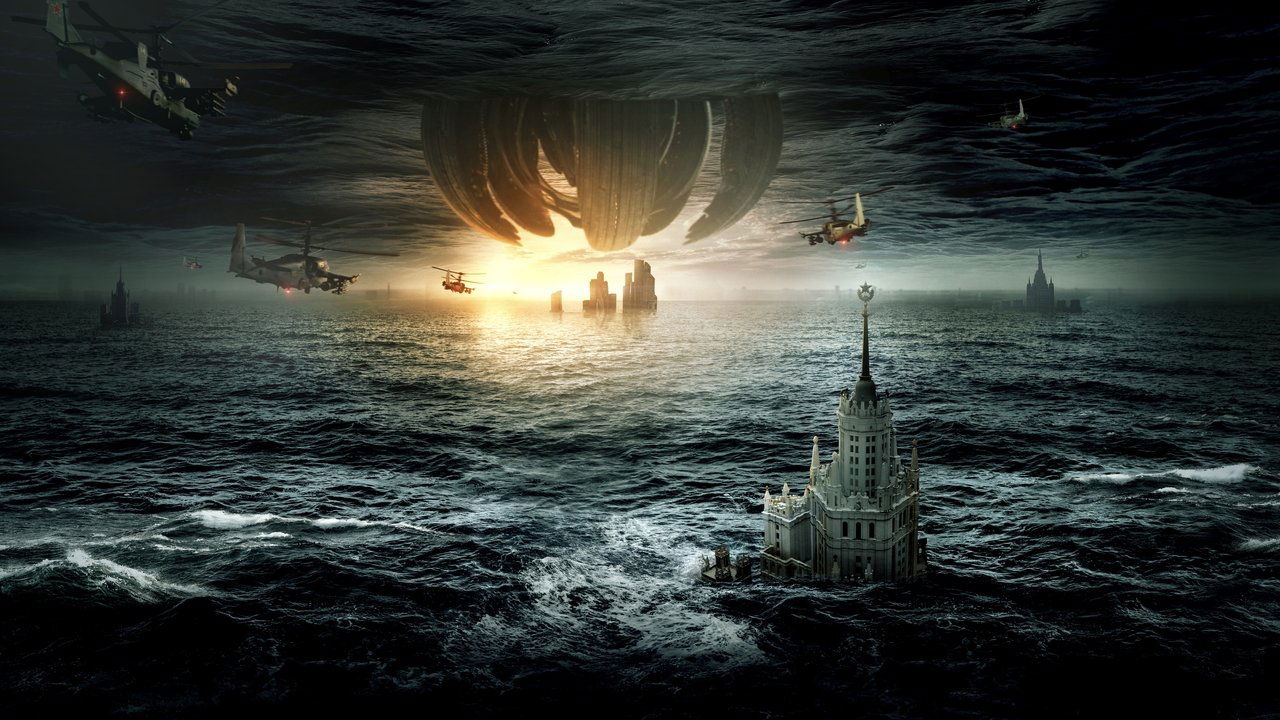
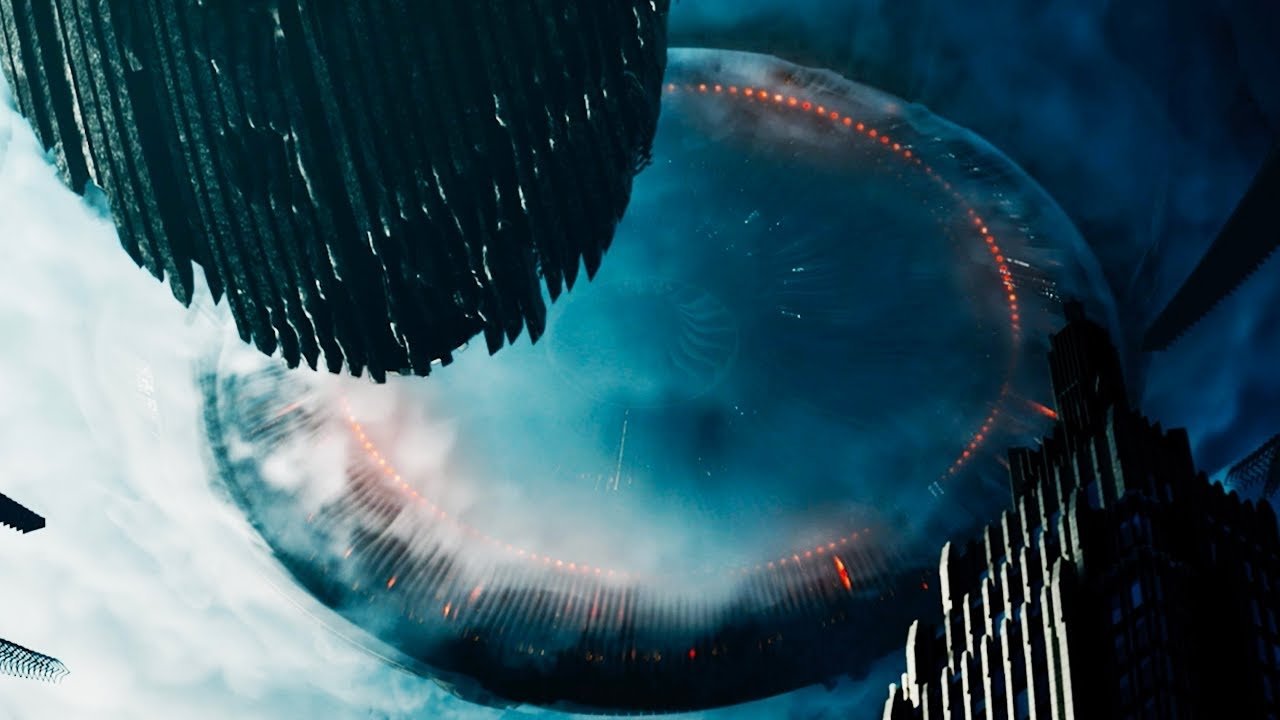
The centerpiece of this film—and the reason you should seek it out on the biggest screen possible—is the third-act "water wall." The alien AI, convinced Yulya is a threat to the universe, decides to drown Moscow by suspending a massive sphere of water over the city and slowly lowering it. It’s an incredible piece of action choreography. We’ve seen cities leveled by beams from the sky, but Bondarchuk gives us something more claustrophobic. Watching Yura Borisov, who plays the soldier Ivan, navigate a submerged, gravity-defying urban wasteland is a genuine thrill. The physics might be questionable, but the visual effects team deserves a standing ovation for making water look more menacing than a fleet of Star Destroyers.
Digital Warfare in the Modern Era
What makes Invasion feel so distinctly "now" is its obsession with digital sovereignty and misinformation. This isn't just a movie about aliens shooting lasers; it’s about an alien AI hijacking the Russian internet. The "Invader" uses deepfakes and voice-mimicking tech to manipulate the military and the public, turning the entire country against Yulya.
This leans heavily into our current cultural anxieties. Released just as the world was retreating into digital bubbles, the film's depiction of how easily information can be weaponized feels remarkably prescient. Oleg Menshikov, playing General Lebedev, brings a weary, grounded authority to the chaos. He’s the father caught between saving his daughter and following the orders of a Prime Minister (Sergey Garmash) who is being fed lies by a literal ghost in the machine. It’s a clever way to modernize the "alien invasion" trope—the enemy isn't just outside; it’s in your smartphone.
The Petrov Power Hour
You can’t talk about contemporary Russian cinema without mentioning Alexander Petrov. The man is everywhere, and for good reason. Here, he returns as Artyom, the "villain" from the first film who has suffered a stroke and is seeking redemption. Petrov’s performance is a wild, twitchy masterclass in scenery-chewing that somehow stays on the right side of the tracks. He brings a frantic, unpredictable energy to the screen that offsets the more stoic, ethereal vibes of Rinal Mukhametov’s alien character.
The chemistry between Irina Starshenbaum and her two leading men is the emotional glue that stops the film from dissolving into a pure CGI demo reel. While the script occasionally leans into some heavy-handed melodrama—there are enough lingering, teary-eyed stares to fill three soap operas—it works because the stakes feel personal. When the water starts rising, you actually care if these people drown, which is more than I can say for most $200 million American tentpoles.
Why You Haven't Seen It (Yet)
Despite its box office success in Russia, Invasion fell into that weird "streaming void" in the West. It was released in early 2020, right as the world was shutting down, and it never quite found its footing on international theatrical circuits. It’s a shame, because this is exactly the kind of "hidden gem" that showcases how high-end filmmaking has been democratized.
The production utilized advanced digital rendering and virtual production techniques that rival the "Volume" tech used in The Mandalorian. Yet, because it’s subtitled and doesn't have a cape in sight, it remains largely obscure to the average moviegoer. If you’re a fan of Denis Villeneuve’s Arrival but wish it had about 40% more explosions and a sequence involving a high-speed chase through a flooded highway, this is your movie. It’s big, it’s loud, and it’s unashamedly earnest about the power of human compassion to override a hostile algorithm.
Invasion is a massive, glittering reminder that Hollywood doesn't have a monopoly on the sci-fi epic. It’s got a few narrative bumps and the pacing in the middle act sags like an old sofa, but the sheer ambition on display is infectious. It’s a film that understands the contemporary moment—where our tech is as much a threat as any monster from the stars—and wraps it in a package of world-class spectacle. Do yourself a favor, grab some snacks, and dive into this one. Just make sure your cat isn't in a fighting mood.
Keep Exploring...
-
Attraction
2017
-
Т-34
2018
-
The Wandering Earth
2019
-
Batman vs. Robin
2015
-
Justice League vs. Teen Titans
2016
-
Extinction
2018
-
Evangelion: 3.0+1.0 Thrice Upon a Time
2021
-
They Call Me Jeeg
2016
-
Ghost in the Shell
2017
-

Logan
2017
-
Bāhubali: The Beginning
2015
-
Dragon Ball Z: Resurrection 'F'
2015
-
Equals
2015
-
Heist
2015
-
The Wave
2015
-
Blood Father
2016
-
Criminal
2016
-
Midnight Special
2016
-
Risen
2016
-
Shin Godzilla
2016