Ma Rainey's Black Bottom
"High heat, heavy blues, and a reckoning in wax."
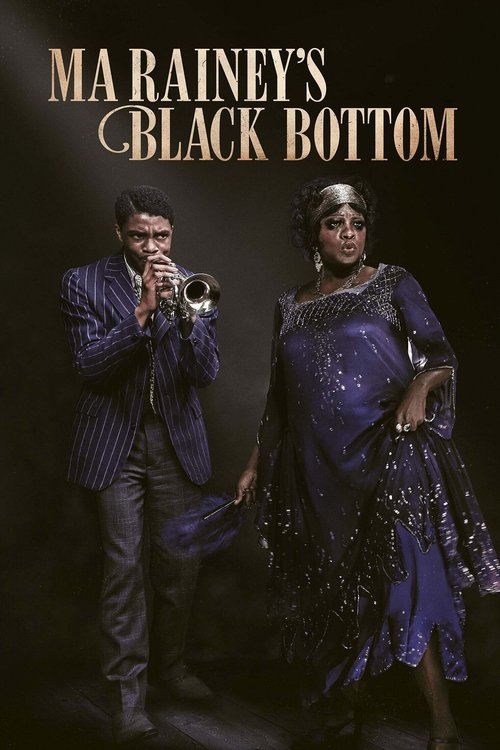
I watched this movie on my laptop while my neighbor’s leaf blower provided a very unwelcome, non-blues soundtrack, and yet, within ten minutes, Viola Davis managed to drown out the world. There is a specific kind of heat in Ma Rainey’s Black Bottom—not just the sweltering 1927 Chicago humidity that makes every character look like they’re glistening in oil, but a spiritual friction. It’s the kind of heat that happens when a room is too small for the egos, traumas, and genius packed inside it.
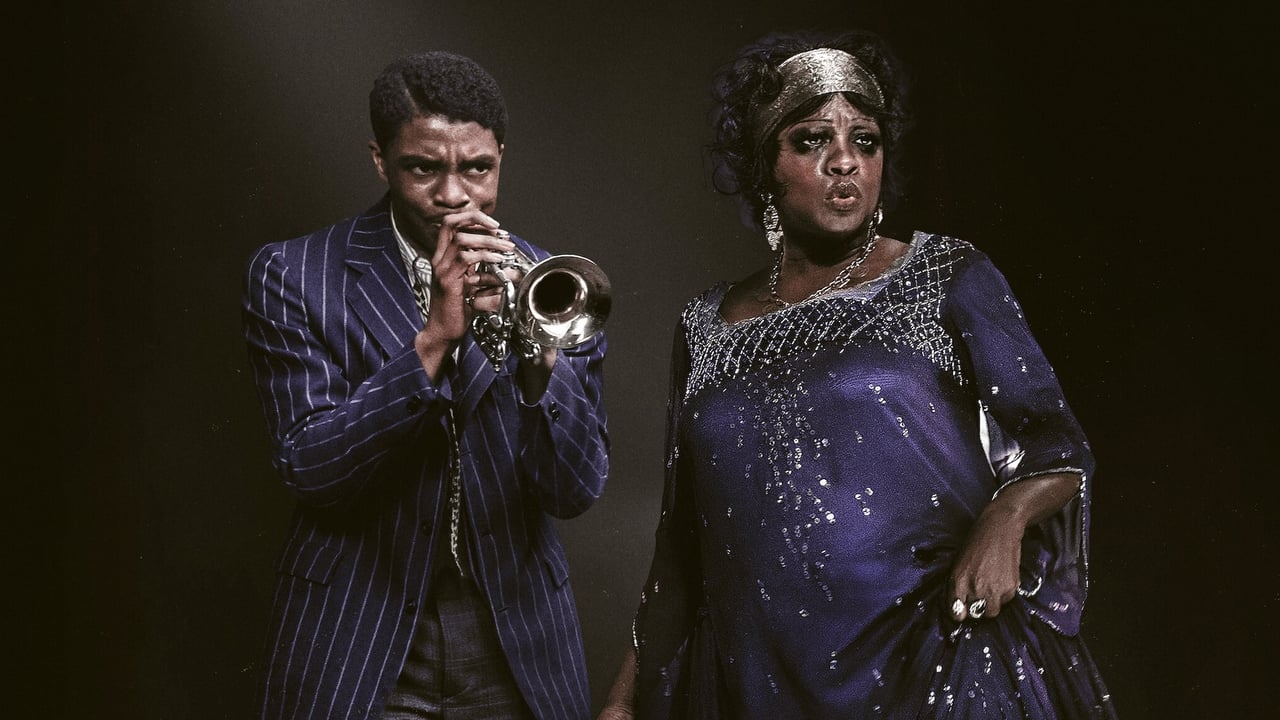
As part of the Netflix "prestige" wave that hit during the heights of the pandemic, George C. Wolfe’s adaptation of August Wilson’s play arrived with a heavy mantle. It wasn’t just a movie; it was a cultural event, marking the final performance of Chadwick Boseman. Knowing what we know now about his health during filming, every frame of his performance feels like he’s trying to outrun time itself. It’s a haunting, electric experience that makes the film feel less like a "streaming release" and more like a captured miracle.
A Pressure Cooker in a Basement
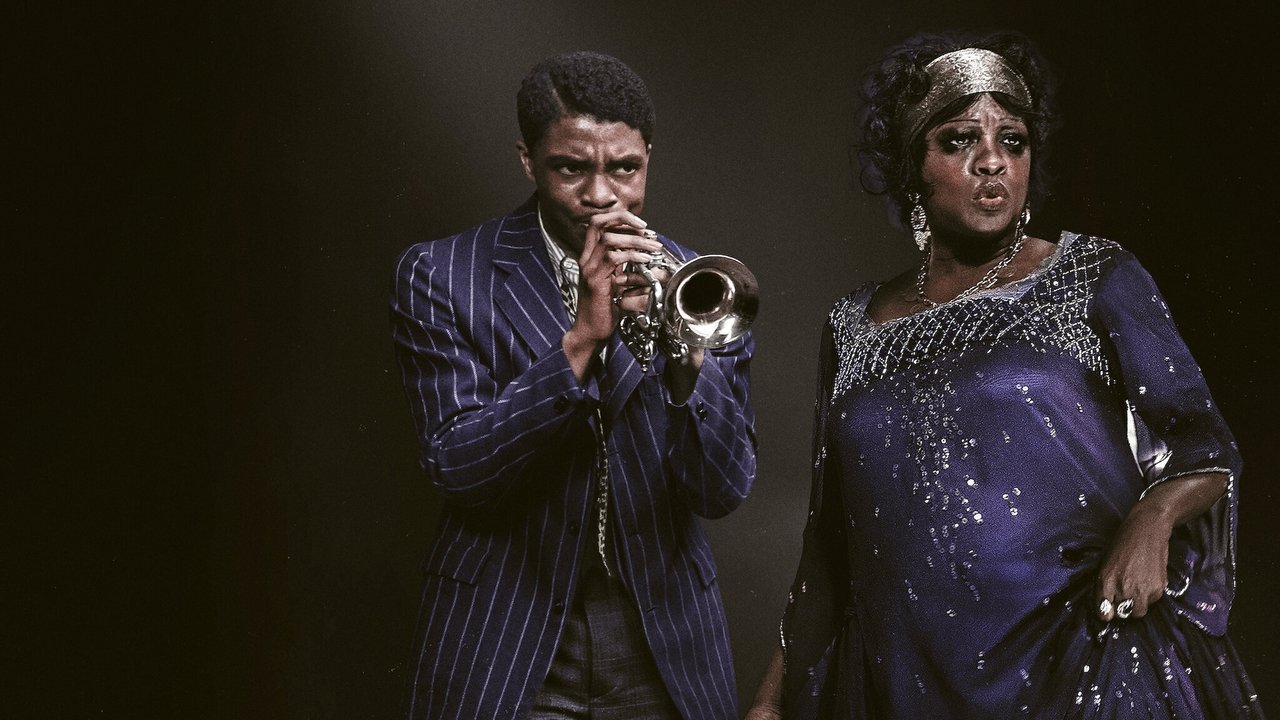
The setup is deceptive in its simplicity. Ma Rainey (played with a terrifying, gold-toothed swagger by Viola Davis) is heading to a white-owned recording studio to lay down some tracks. Her band—Cutler (Colman Domingo), Toledo (Glynn Turman), and Slow Drag (Michael Potts)—arrives early to rehearse in a claustrophobic basement. Then there’s Levee (Chadwick Boseman), the hot-headed trumpeter with dreams of his own name on the marquee and a new, "spicier" arrangement of Ma’s music.
The basement is where the philosophy happens. While Ma is upstairs battling her white manager Irvin (Jeremy Shamos) over a bottle of Coca-Cola and the rights to her own voice, the men downstairs are battling over the soul of the Black experience in America. The dialogue is pure August Wilson—rhythmic, dense, and deeply musical. I’ve always felt that the movie’s stage-play roots are its biggest flaw and its greatest weapon. On one hand, you can tell it’s "stagy"—it’s mostly people in two rooms talking. On the other hand, when the talk is this good, who needs a car chase?
The Queen and the Challenger
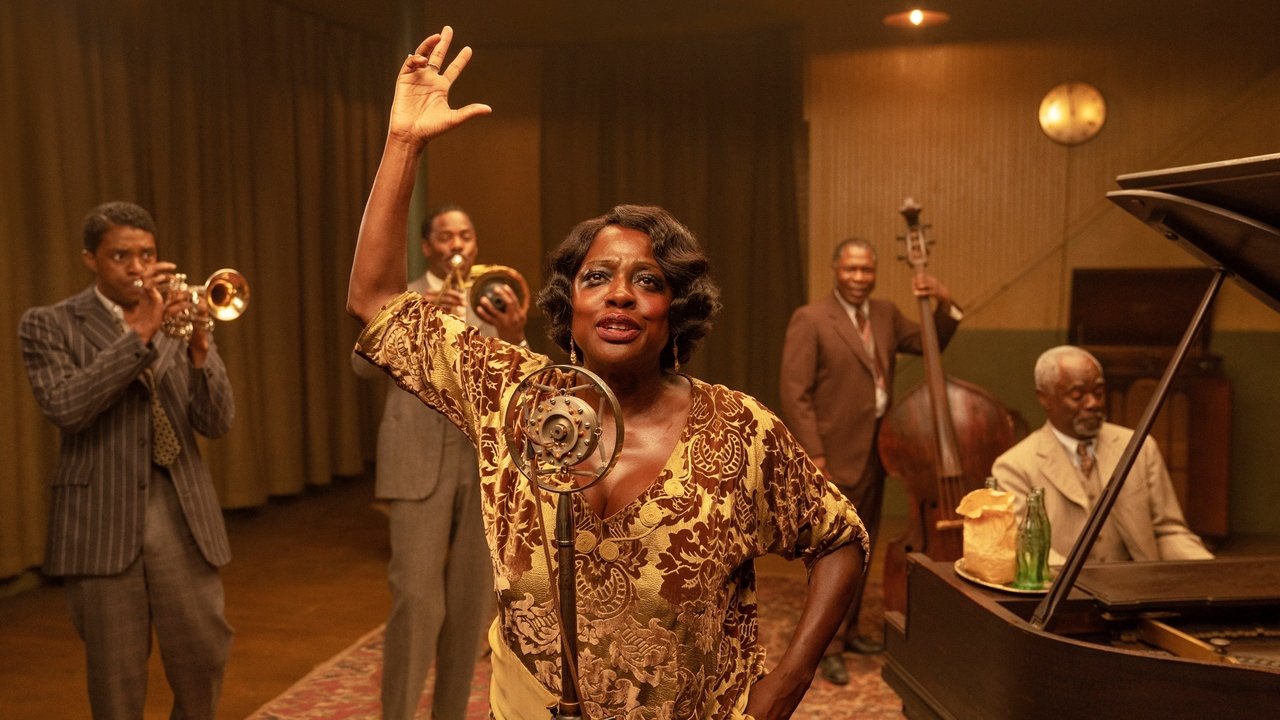
Viola Davis is a force of nature here. She doesn’t play Ma Rainey; she inhabits her like a fortress. Drenched in sweat and heavy velvet, her Ma is someone who knows exactly how much she is worth and exactly how much the white men in the room want to cheat her. She isn’t "likable" in the traditional sense, and I love the film for that. She’s demanding, stubborn, and suspicious because she has to be. Davis (who we’ve seen excel in other Wilson adaptations like Fences) uses her physical presence to command space, moving with a deliberate, heavy grace that says: The world waits for me.
Then there is Chadwick Boseman. If you only knew him as T’Challa in Black Panther, his turn as Levee will shock you. He is wiry, frantic, and desperately charismatic. There is a scene where he rages against God that left me actually breathless. It is a performance of such raw vulnerability that it feels almost invasive to watch. You can see the ghost of the man he wants to be fighting the reality of the man he is. His chemistry with the veteran band members—especially the soulful, grounded Colman Domingo (recently brilliant in Rustin)—is what gives the movie its heartbeat. They represent the old guard, surviving through stoicism, while Levee is the fire that threatens to burn the whole house down.
From Stage to Stream
Directed by George C. Wolfe, the film does its best to break out of the "filmed play" trap with some vibrant cinematography by Tobias A. Schliessler. The colors are rich—deep oranges, tobacco browns, and the bright, polished yellow of Levee’s new shoes (a recurring symbol of his tragic ambition). The score by Branford Marsalis is, as you’d expect, impeccable, capturing that transition point where the rural blues started to collide with the urban jazz of the north.
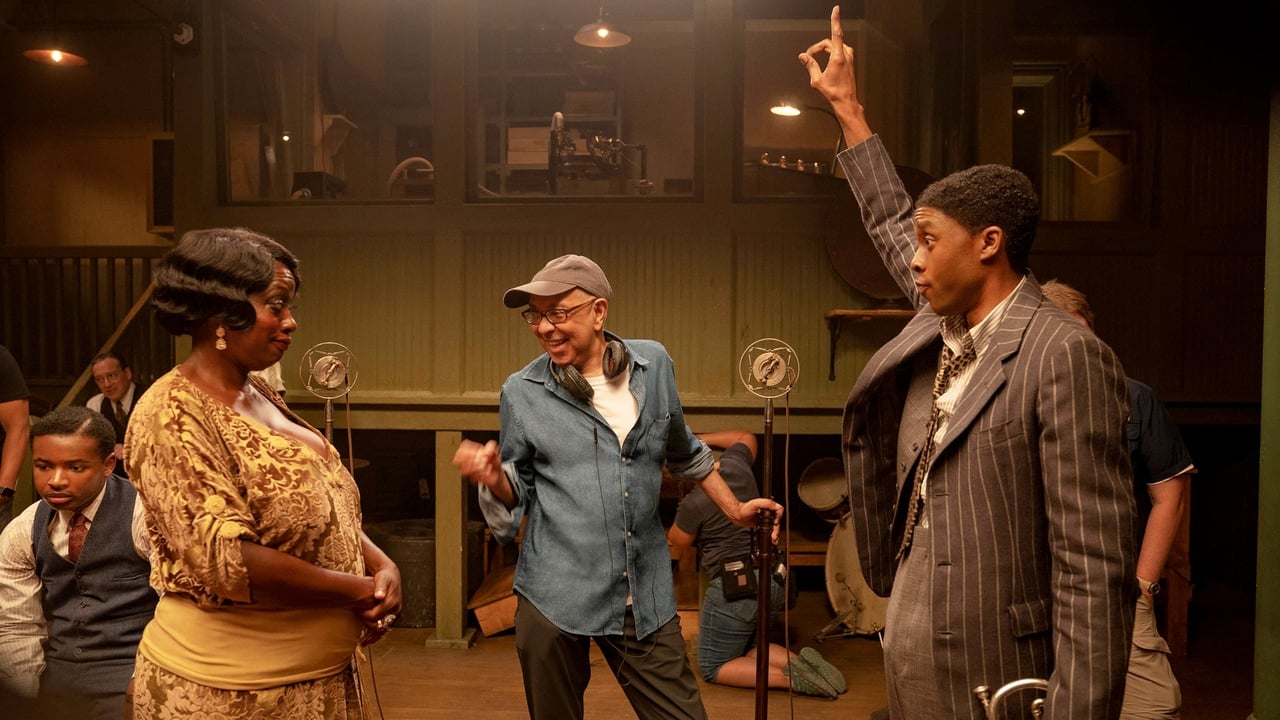
In our current era of "content" saturation, Ma Rainey’s Black Bottom stands out because it demands you actually sit still and listen. It’s a product of the Denzel Washington-led initiative to bring Wilson’s "Century Cycle" to the screen, and it feels like a vital piece of preservation. It’s a film that talks about the commodification of Black art in a way that feels incredibly relevant today, as we navigate new conversations about ownership and representation in the streaming age.
Apparently, Viola Davis wore a "fat suit" padded with sand to achieve Ma's silhouette, and she insisted on the smeared, heavy makeup to mimic the look of a performer who had been sweating under stage lights for decades. It’s those small, gritty details that stop the film from feeling like a museum piece.
This isn't a "fun" movie in the popcorn-munching sense, but it is deeply satisfying. It’s a masterclass in ensemble acting and a bittersweet farewell to a performer who left it all on the floor. While the ending is a gut-punch that lingers long after the credits crawl, the journey there is filled with the kind of language and passion that reminds me why I love movies that aren't afraid to just let actors act. If you’ve been scrolling past it on your watchlist, do yourself a favor: turn off the leaf blower, grab a cold drink, and let Ma Rainey tell you how it is.

Keep Exploring...
-
High Strung
2016
-
The Dirt
2019
-
I Still Believe
2020
-
TÁR
2022
-
A Complete Unknown
2024
-
Bob Marley: One Love
2024
-

Judy
2019
-
Feel the Beat
2020
-
All Eyez on Me
2017
-
A Star Is Born
2018
-
If Beale Street Could Talk
2018
-
The Ballad of Buster Scruggs
2018
-
The Way Back
2020
-
tick, tick... BOOM!
2021
-
Widows
2018
-

Clouds
2020
-
The Woman King
2022
-

We Are Your Friends
2015
-
Cold War
2018
-
Rocketman
2019