Mank
"The messy truth behind the pristine masterpiece."
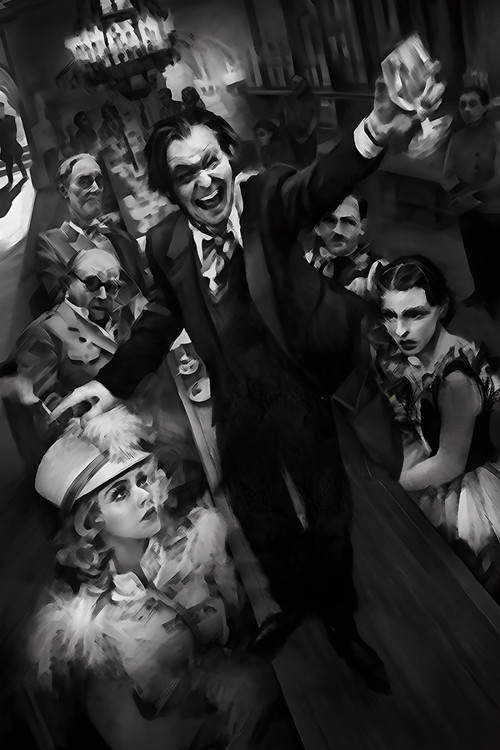
I watched Mank for the second time on a Tuesday afternoon while my neighbor was aggressively mowing his lawn, and weirdly, the persistent, low-frequency drone of his Honda engine perfectly complemented the simulated "mono" audio track David Fincher insisted on using. It felt like I was back in 1940, ignoring the world's problems to focus on a guy in a hospital bed trying to ruin a billionaire’s reputation.
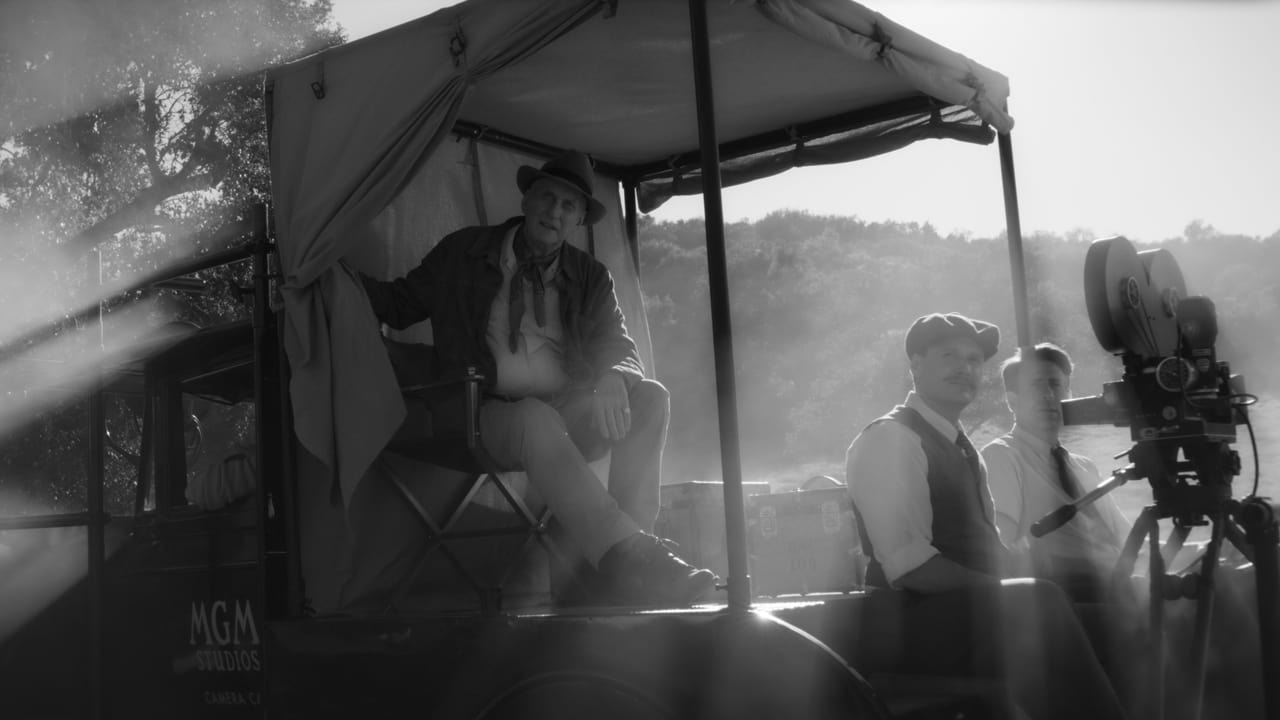
Mank is a strange beast. It arrived in late 2020, right when the pandemic had us all trapped in our living rooms, and Netflix handed Fincher a blank check to make a black-and-white, highly academic drama about the writing of Citizen Kane. On paper, it sounds like a recipe for a "prestige" snooze-fest designed solely to win Oscars. But in practice? It’s a cynical, boozy, and surprisingly sharp look at how the Hollywood machine grinds people up and spits them out—all while looking like a million bucks (or, more accurately, twenty-five million).
The Digital Ghost of Celluloid
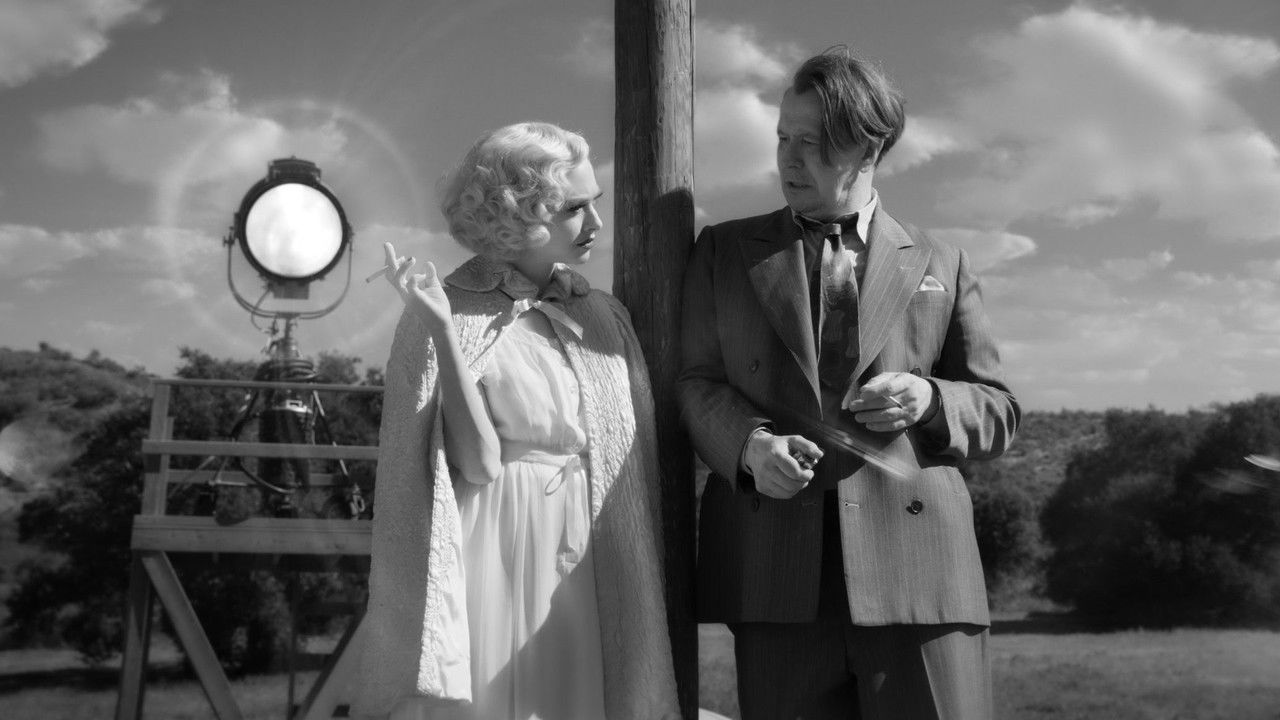
The first thing that hits you isn't the story, but the texture. Fincher, a man famously obsessed with digital perfection (see The Social Network or Mindhunter), went to absurd lengths to make a digital film look like it was shot on decaying 35mm nitrate stock. He even included "cigarette burns"—those little black circles in the corner of the frame that used to tell projectionists when to change reels.
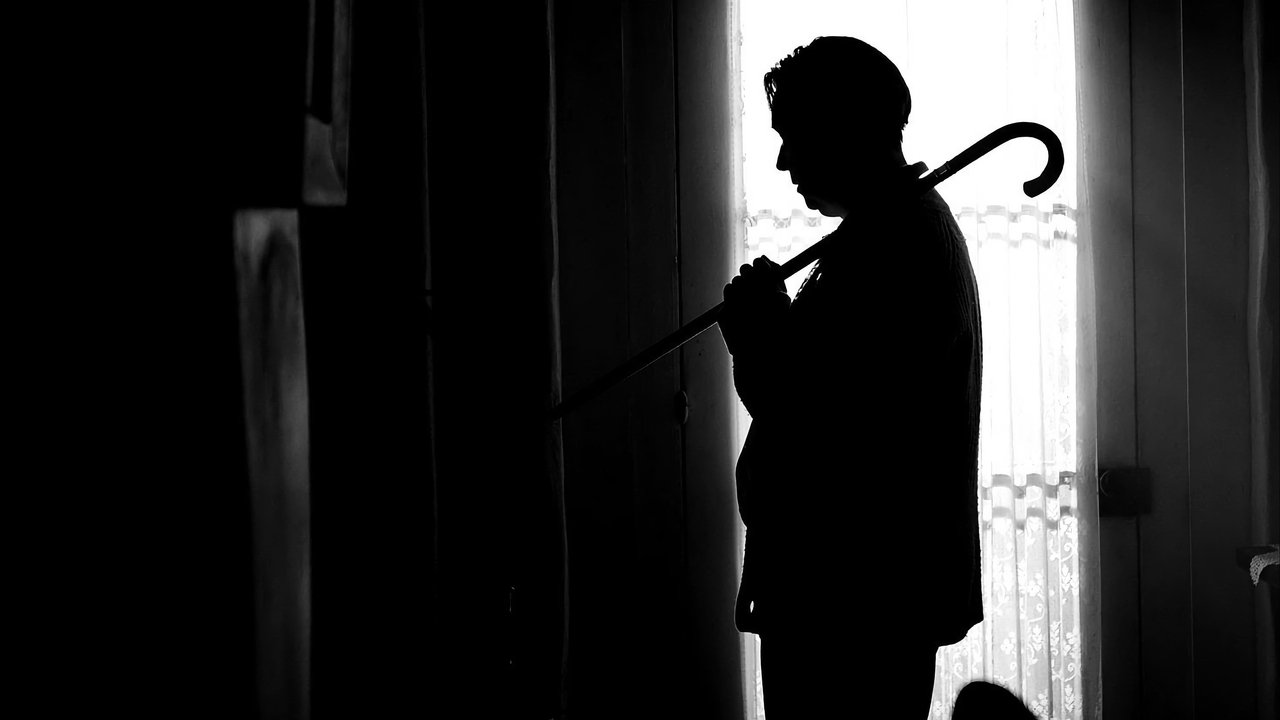
Is it a bit much? Absolutely. It’s a movie for people who think they’re the smartest person in the room, but I’ll admit, the artifice worked on me. The cinematography by Erik Messerschmidt (who won an Oscar for this, deservedly) doesn't just mimic old movies; it uses those deep shadows and high-contrast whites to make 1930s California look like a beautiful, silver-plated trap. It’s an aesthetic choice that bridges the gap between the "streaming era" we live in and the "studio era" it depicts, reminding us that while the tech changes, the egos in charge stay exactly the same.
Oldman, Seyfried, and the Art of the Quip
At the center of the storm is Gary Oldman as Herman J. Mankiewicz. Now, I’ll be the first to say that Oldman—who was 62 at the time—playing a man in his early 40s is a stretch that requires some serious suspension of disbelief. Mank was a man who looked like he’d been pickled in scotch, sure, but Oldman looks like he’s lived three lifetimes by the time we see him at the Victorville ranch.
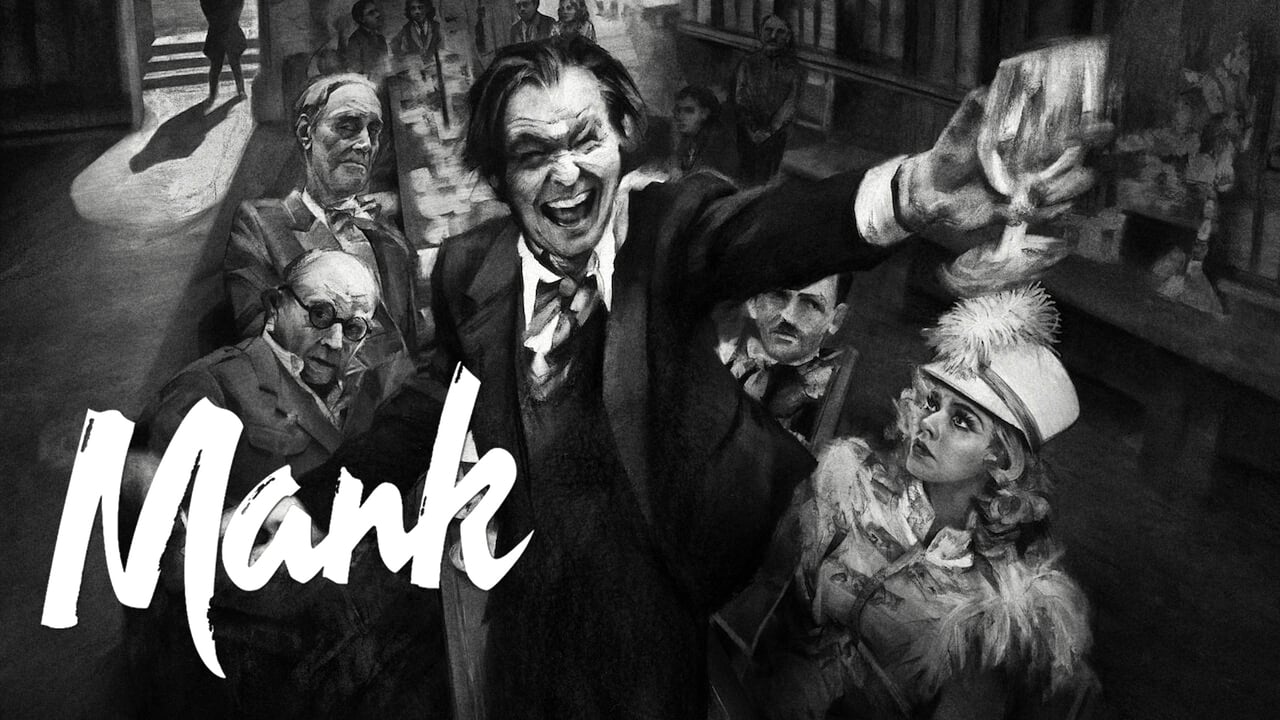
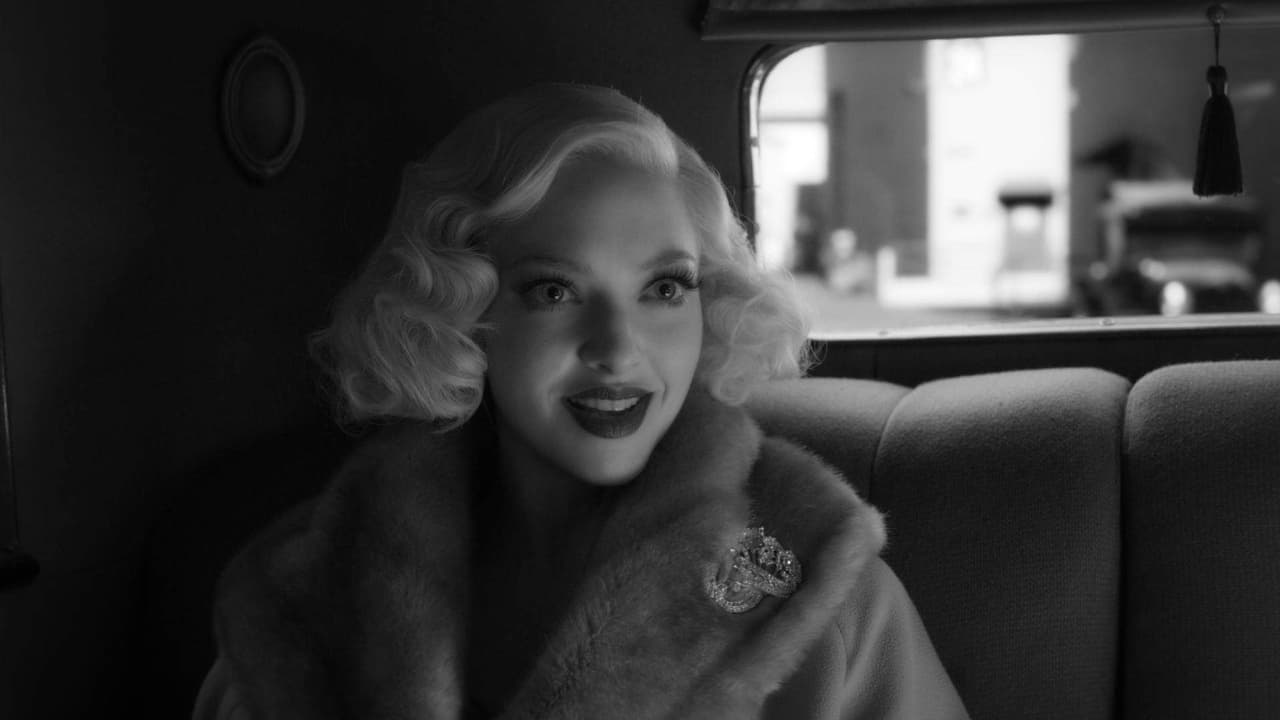
Despite the age gap, Oldman is magnetic. He plays Mank as a man who knows he’s the smartest guy in the room but is too drunk or too bored to do anything productive with it. His chemistry with Amanda Seyfried, who plays Marion Davies, is the film's secret weapon. Seyfried is the heart of the movie; she takes a character who history (and Orson Welles) often dismissed as a talentless blonde and gives her a sharp, tragic intelligence. When she and Mank walk through the zoo on the Hearst estate, it’s the one time the movie feels truly human rather than just technically impressive.
The rest of the cast fills out the "Greatest Generation" ensemble beautifully. Arliss Howard is terrifyingly quiet as Louis B. Mayer, and Tom Pelphrey (who I’ve loved since his explosive turn in Ozark) brings a grounded, frustrated energy to Joe Mankiewicz, Herman’s more "successful" brother.
A Mirror for the Present Day
While Mank is obsessed with the 1930s, it feels pointedly contemporary. A massive subplot involves the 1934 California gubernatorial election, where the studio heads use their filmmaking power to create "newsreels" (read: fake news) to tank the campaign of socialist writer Upton Sinclair.
Watching this in the 2020s, the parallels aren't exactly subtle. Fincher and his father, Jack Fincher (who wrote the screenplay years ago), are drawing a direct line from the propaganda of the Golden Age to the algorithmic manipulation of today. It’s a cynical take on the "magic of the movies." It suggests that the same industry that gave us Citizen Kane also pioneered the art of the political hit job. It’s not a "love letter to cinema"—it’s more of a poison pen letter to the people who sign the checks.
Stuff You Didn't Notice
If you look closely at the "cigarette burns" I mentioned earlier, you'll realize they are entirely digital. Fincher even added artificial "gate weave"—that slight vertical jitter you see in old projectors—to the entire film. Also, keep an ear out for the score. Trent Reznor and Atticus Ross, usually known for their industrial, synth-heavy work, used only instruments available in the 1940s. The result is a soundtrack that feels like a ghost of a big band era, haunting the edges of the frame.
The film also takes a massive stance on the "Kane" authorship debate, siding heavily with the idea that Mankiewicz was the primary creative force over Orson Welles (Sam Troughton). This has annoyed a lot of film historians, but honestly? It makes for a better character study. It’s not a documentary; it’s a story about a guy who finally decided to stop being a "court jester" and actually say something meaningful, even if it cost him everything.
Mank isn't a movie you put on for a relaxing Friday night. It’s dense, it’s talky, and it expects you to know who Irving Thalberg was without explaining it. But if you’re willing to meet it halfway, it’s a rewarding, visually stunning dive into the dark side of creativity. It’s a film about the cost of integrity in a business that usually prefers a good lie to a hard truth. Grab a drink (maybe a smaller one than Herman’s) and settle in for a masterclass in style.
Keep Exploring...
-
The Current War
2018
-

Colonia
2015
-
The 33
2015
-
Risen
2016
-
Battle of the Sexes
2017
-

Detroit
2017
-

The Zookeeper's Wife
2017
-
Victoria & Abdul
2017
-

Mary Queen of Scots
2018
-

On the Basis of Sex
2018
-
Operation Finale
2018
-
A Beautiful Day in the Neighborhood
2019
-

Harriet
2019
-

Hotel Mumbai
2019
-

The Outpost
2020
-

Belfast
2021
-
Judas and the Black Messiah
2021
-

The Iron Claw
2023
-

The Apprentice
2024
-
The Brutalist
2024