Miraculous World: New York, United HeroeZ
"Heroism is a heavy mask to wear."
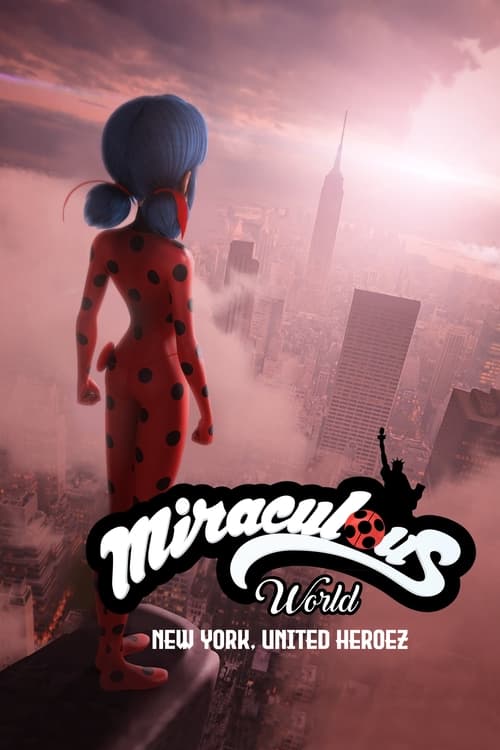
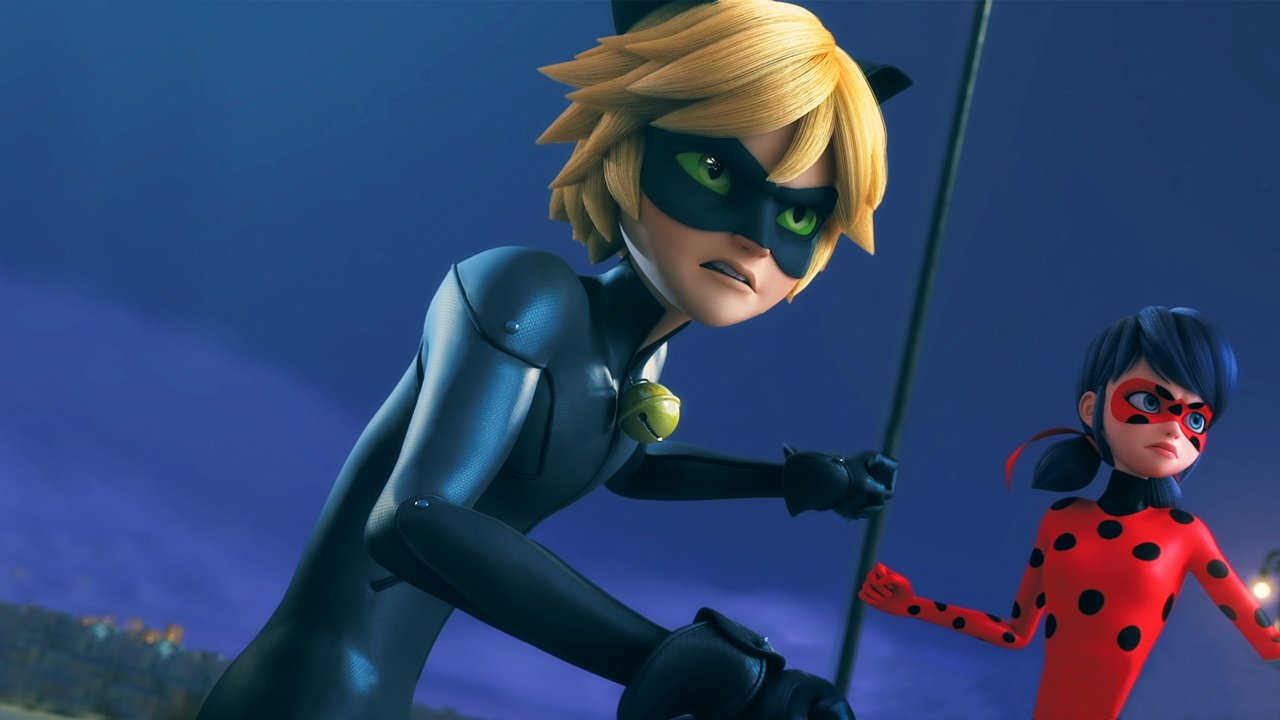
In the autumn of 2020, most of us were trapped within the same four walls, staring at screens and wishing for a change of scenery that didn’t involve a different corner of the living room. When Miraculous World: New York, United HeroeZ dropped on Disney+, it offered a colorful, kinetic escape to a Manhattan that felt both familiar and fantastical. I remember watching this while my apartment radiator was emitting a rhythmic, metallic clanking—a sound that, strangely enough, synced up perfectly with the mechanical whirring of the film’s high-tech heroes. It was the closest I’d gotten to a vacation in months.
For the uninitiated, the Miraculous franchise usually stays rooted in the romantic, postcard-perfect streets of Paris. Moving the action to New York wasn't just a change of zip code; it was a deliberate engagement with the "Superhero Industrial Complex." In an era dominated by the MCU and the sprawling multi-platform strategies of the 2020s, this special functions as a fascinating bridge. It’s a TV movie that tries to balance the "magical girl" intimacy of its French roots with the bombastic, franchise-saturated expectations of American cape-and-cowl storytelling.
The Philosophical Weight of the Secret
Beneath the bright spandex and the inevitable "will-they-won't-they" tension between Marinette (Anouck Hautbois) and Adrien (Benjamin Bollen), the film grapples with a surprisingly heavy question: Is a hero’s primary duty to the truth or to the mission? We’ve seen this explored in everything from The Dark Knight to Spider-Man, but here, the stakes feel more existential. Because the protagonists’ powers are tied to their emotional states, a lie isn't just a moral failing—it’s a tactical vulnerability.
The introduction of Aeon, voiced with a gentle, inquisitive logic by Fily Keita, provides the film’s intellectual heartbeat. As a robot (Uncanny Valley) who can perceive the "true" identities behind the magical masks, she acts as a walking philosophical paradox. She challenges the necessity of the secret identity, suggesting that the "mask" is often a cage rather than a shield. The American heroes in this film are basically walking copyright infringements of the Avengers, yet through Aeon, the movie asks deeper questions about what constitutes a "soul" in a world where magic and technology coexist. Is her programming any different from the magical "programming" of the Miraculous jewels?
Kinetic Choreography and Concrete Jungles
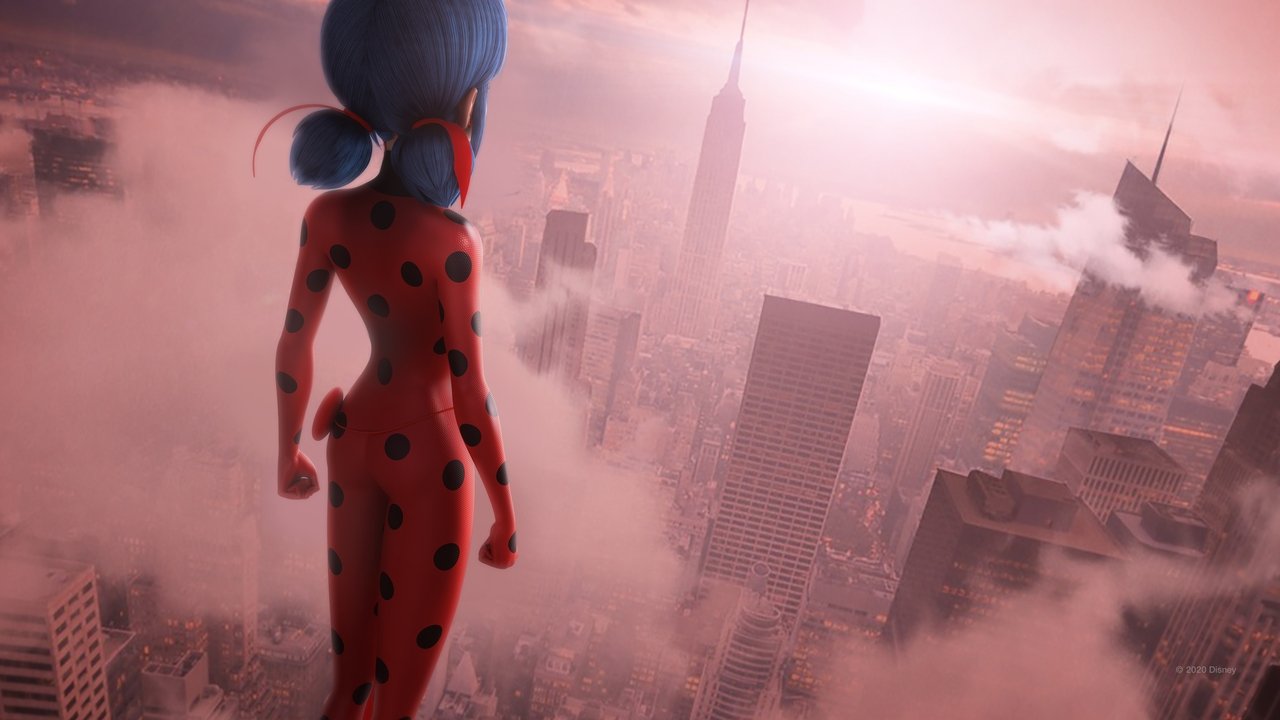
From an action standpoint, director Thomas Astruc uses the verticality of New York to push the animation further than the weekly series usually allows. The scale is massive. While the show often feels like a series of skirmishes in a city park, United HeroeZ feels like a genuine blockbuster. There’s a sequence involving a runaway plane and the "Knightowl" (a clear, gender-flipped homage to Batman) that utilizes the soaring skyscrapers of Manhattan with a sense of momentum that rivals the best of the Spider-Verse films.
The action isn't just empty spectacle; it’s choreographed to emphasize the culture shock. Marinette and Adrien, used to the nimble, rooftop-skipping style of Paris, look overwhelmed by the heavy-metal, military-adjacent style of the American heroes like Sparrow (Alan Aubert-Carlin). The contrast in "superheroing" styles is a clever nod to the history of the genre: the French whimsicality vs. the American obsession with power and technology. The sound design during these clashes is punchy, with the score by Jeremy Zag leaning into more traditional orchestral swells that announce, "Yes, we are in a movie now."
The "Lost Special" Syndrome
Despite its quality, this special remains something of a "hidden gem" for those outside the core fandom. Released during the height of the pandemic, it bypassed the usual festival circuits and landed directly on streaming services, where it was somewhat overshadowed by the sheer volume of content Disney+ was dumping into the market to keep subscribers engaged. It also suffered from being part of a "fragmented" narrative; because it sits between Season 3 and Season 4, many casual viewers missed it entirely, assuming it was a non-essential spin-off.
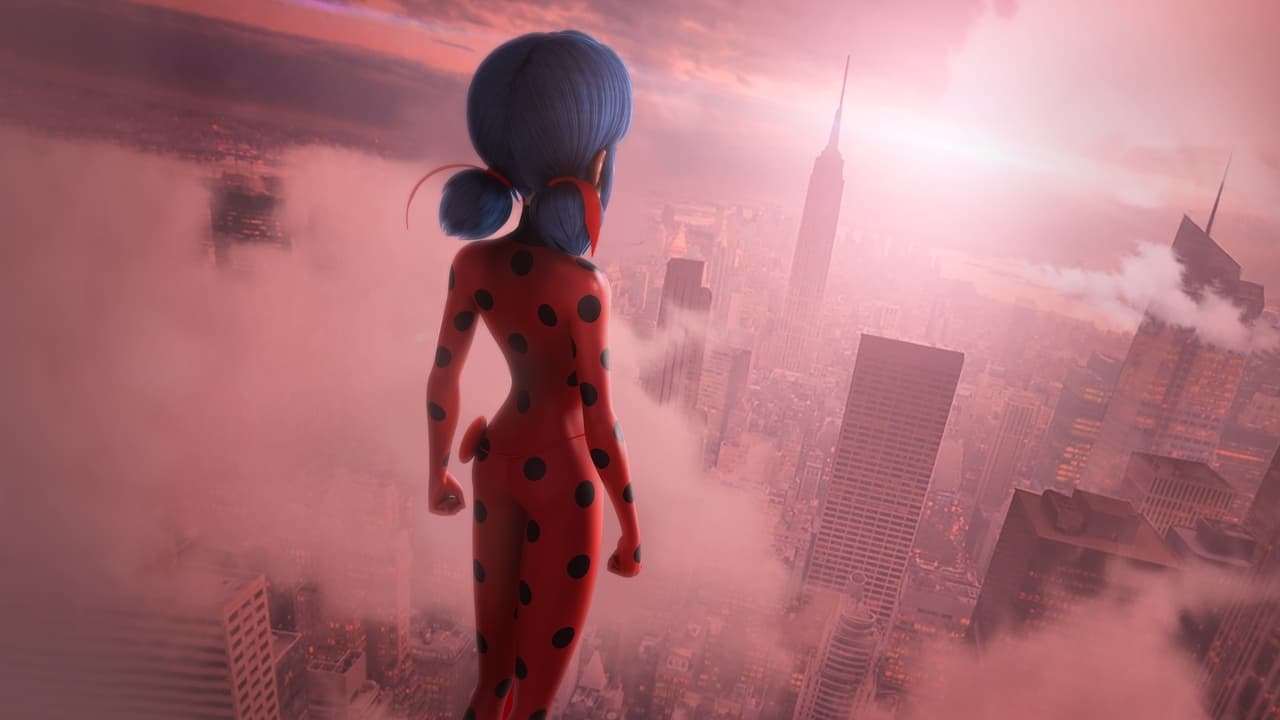
In reality, it’s a crucial character study. It features some of the most devastating emotional beats for Benjamin Bollen’s Adrien, who spends much of the runtime questioning if he even deserves the mantle of Chat Noir. It’s a deconstruction of the "sidekick" trope that feels remarkably contemporary—examining the mental health toll of being a teenage savior in a world that never stops needing to be saved.
Ultimately, Miraculous World: New York, United HeroeZ succeeds because it doesn't just copy the MCU formula—it questions it. While it hits the expected beats of a superhero team-up, it maintains a uniquely European soul, prioritizing the internal emotional landscape of its leads over the external destruction of the city. It’s a film about the burden of secrets and the liberation of being seen for who you truly are, wrapped in a bright, action-packed package. If you’ve ever felt like your own "mask" was getting a bit too heavy to wear, this trip to New York is well worth the flight.

Keep Exploring...
-
Miraculous: Ladybug & Cat Noir, The Movie
2023
-
The Boy and the Beast
2015
-
My Hero Academia: Two Heroes
2018
-

The Seven Deadly Sins: Prisoners of the Sky
2018
-

My Hero Academia: Heroes Rising
2019
-
Justice League Dark: Apokolips War
2020
-
Mortal Kombat Legends: Scorpion's Revenge
2020
-

Jujutsu Kaisen 0
2021
-
Teen Wolf: The Movie
2023
-
Demon Slayer -Kimetsu no Yaiba- The Movie: Mugen Train
2020
-

Raya and the Last Dragon
2021
-
Batman vs. Robin
2015
-

Boruto: Naruto the Movie
2015
-
Justice League vs. Teen Titans
2016
-
Justice League Dark
2017
-
The Witcher: Nightmare of the Wolf
2021
-

One Piece Film Red
2022
-

The Sea Beast
2022
-
Nimona
2023
-
Bao
2018