Monster Hunter
"Big swords, bigger scales, and zero explanation."
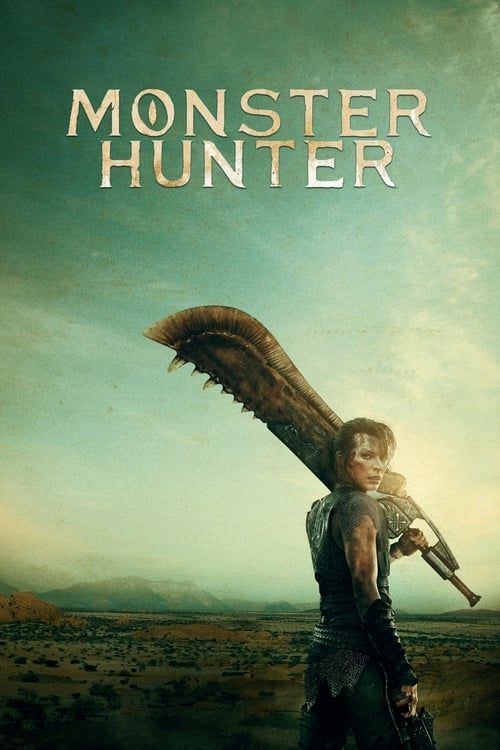
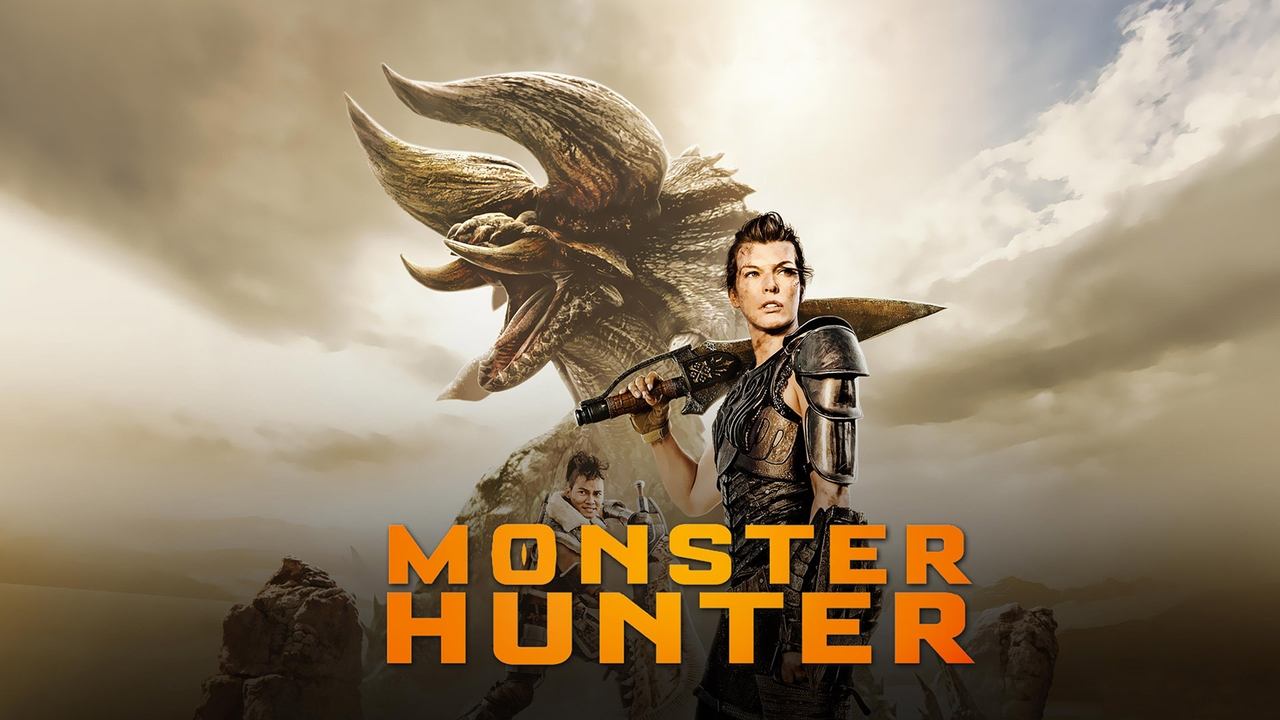
There is a specific, feverish brand of audacity required to look at a video game franchise about cat-chefs and giant dragon-slaying katanas and think, "What this really needs is a Humvee and a squad of U.S. Army Rangers." But that is the Paul W. S. Anderson way. The man who spent a decade turning Resident Evil into a domestic sci-fi soap opera for his wife, Milla Jovovich, finally turned his sights on Capcom’s other golden goose. I watched this on a Tuesday night while wearing one mismatched sock because the dryer had eaten the other one, and honestly, the domestic chaos of my laundry situation matched the movie's frantic energy perfectly.
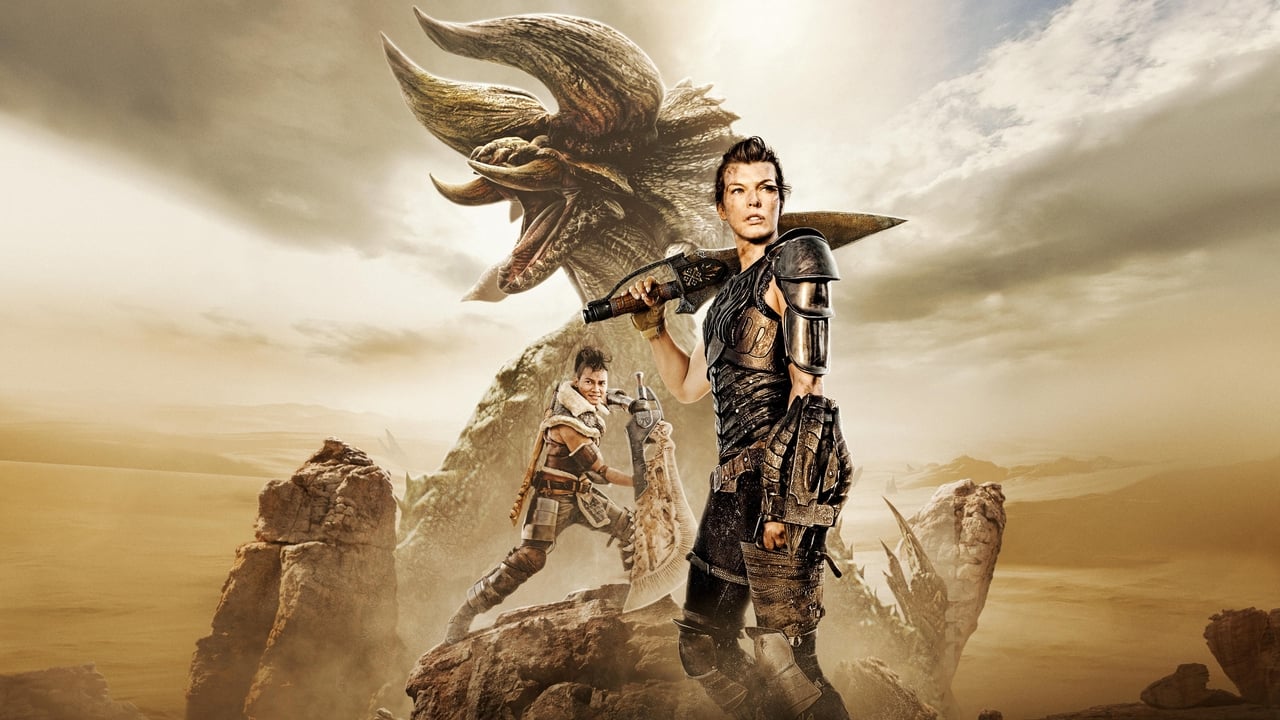
Monster Hunter is a film that arrived at the worst possible time—late 2020—when theaters were wheezing and the world was collectively hiding under its covers. It didn’t just flop; it practically cratered, hampered further by a truly bizarre 10-second pun involving "Chinese knees" that got it yanked from Chinese theaters almost instantly. Yet, in the years since, it has clawed its way into the "guilty pleasure" bin of contemporary cinema. It’s a film that refuses to explain itself, opting instead to hit you in the face with a giant spiked club.
The Desert, The Dirt, and The "Anderson-Verse"
If you’ve seen Paul W. S. Anderson's Mortal Kombat (1995) or any of the Resident Evil flicks, you know his aesthetic: industrial, sweaty, and obsessed with slow-motion debris. However, Monster Hunter feels surprisingly tactile. Instead of the "gray sludge" CGI environments we’ve grown accustomed to in the late-stage MCU era, Anderson took the production to the deserts of South Africa and Namibia.
The result is a movie that looks remarkably "real" for a story about interdimensional lizards. Milla Jovovich, playing Cpt. Artemis, looks like she spent three weeks rolling in actual grit. Apparently, Milla Jovovich insisted on doing a lot of her own stunts and even based her character's loadout on a real-life female Army Ranger she met during prep. When she and her team (including Meagan Good from Shazam! and T.I.) get sucked through a lightning portal into the "New World," the physical heat of the location practically radiates off the screen. It’s basically an expensive desert-themed PowerPoint presentation on why guns are useless against Godzilla.
A Masterclass in Grunting and Great Swords
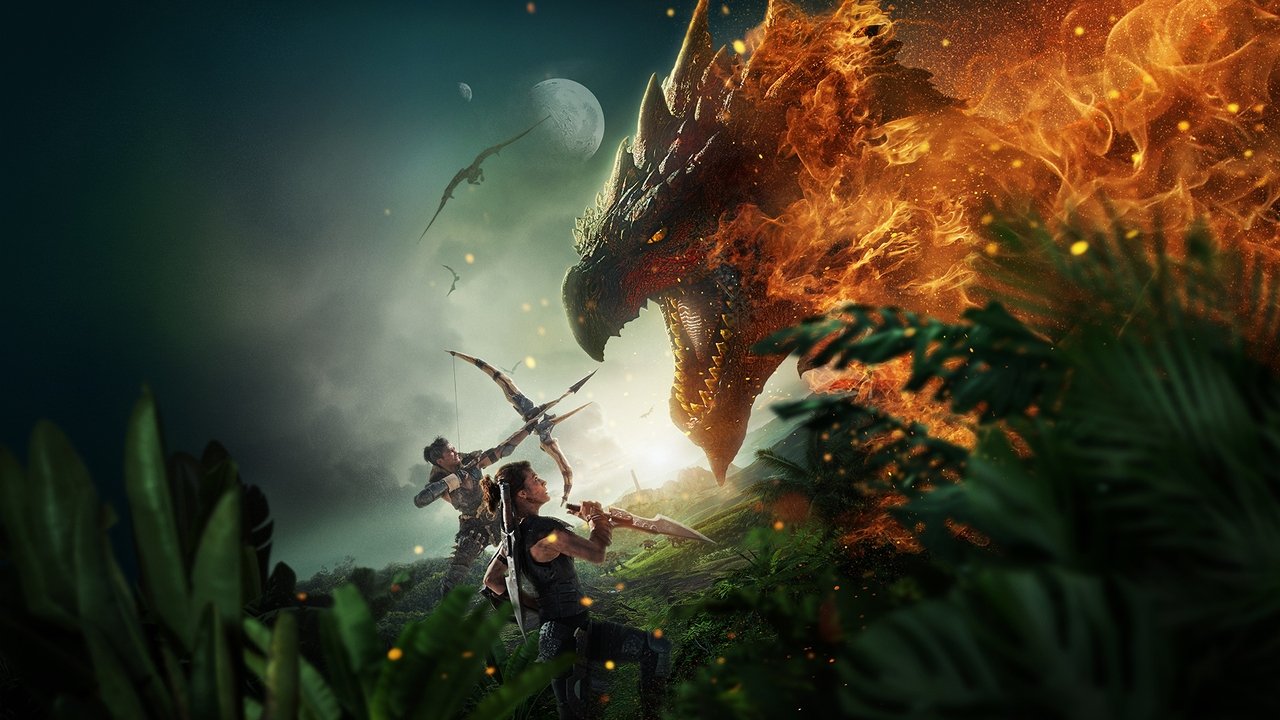
The movie really starts when the soldiers are inevitably picked off by a burrowing Diablos (a horned monster the size of a suburban bungalow) and Artemis meets "The Hunter." Enter Tony Jaa. If you know Jaa from Ong-Bak or The Protector, you know he is a human whirlwind. The mid-section of this movie is essentially a 30-minute silent film where Milla Jovovich and Tony Jaa try to kill each other, then eventually decide to share a Hershey’s bar and hunt monsters together.
The chemistry between them is built entirely on physical comedy and fight choreography. There’s a sequence involving a cave full of giant spiders (Nerscylla) that leans hard into Anderson's horror roots. The action isn't the "shaky cam" mess often found in modern blockbusters; it’s clear, heavy, and emphasizes the sheer weight of the weapons. When Jaa unsheathes a "Great Sword" that looks like it weighs 400 pounds, you feel the strain. Turns out, Tony Jaa did his usual routine of refusing wire-work where possible, making his gravity-defying flips look jarringly authentic next to the digital monsters.
The Capcom Polish and the Perlman Problem
For the fans of the games, the "cult" appeal here lies in the monster fidelity. Capcom was reportedly obsessive about the designs. They didn't just want "dragons"; they wanted the Monster Hunter dragons. Every scale and roar was vetted by the game’s producers, which is why the Rathalos in the climax looks significantly better than the dragons in most high-budget fantasy shows.
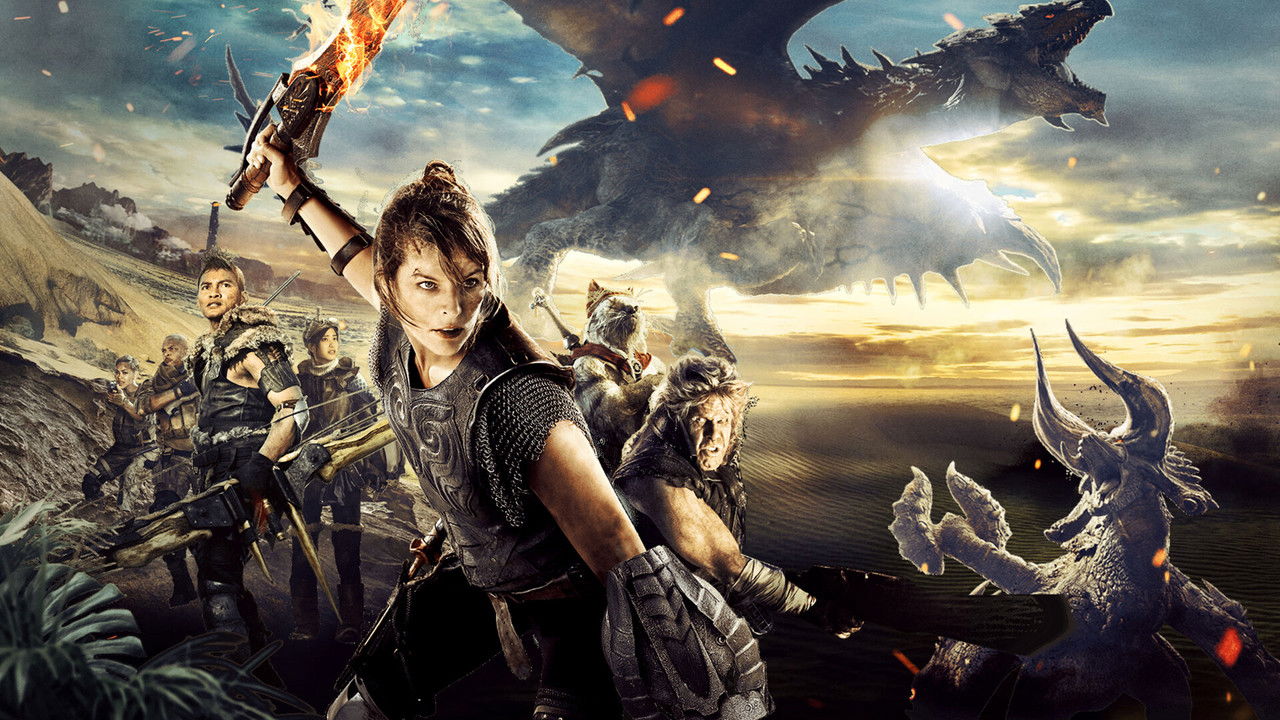
Then there’s Ron Perlman. Showing up in the final act as "The Admiral," Perlman looks like he wandered off the set of a high-school play while wearing a wig made of bleached hay. He’s there to provide about four sentences of world-building before the movie abruptly ends on a cliffhanger that we all know will never be resolved. It’s that specific brand of "franchise-starter" arrogance that defined the late 2010s—the assumption that a sequel is a birthright rather than a reward.
In our current era of "The Volume" and seamless but sterile digital production, there’s something oddly refreshing about Monster Hunter. It’s a loud, dumb, beautiful relic of a director playing with his favorite toys in a real desert. It doesn't care about "representation" in a meaningful way or "social commentary" on the state of the world. It just wants to show you a man in a wig hitting a fire-breathing wyvern with a glowing bone.
Ultimately, Monster Hunter is the cinematic equivalent of a bag of Flaming Hot Cheetos: it has zero nutritional value, it’s probably bad for you, and you’ll regret it slightly the next morning, but the crunch is undeniable. It’s a movie that thrives on the big screen but found its true home on streaming services where people could discover its weird, wordless middle act. If you can forgive the "Army guys vs. Dragons" trope and just enjoy Tony Jaa being a physical god, it’s a perfectly fun way to kill 100 minutes. Just don't expect it to make a lick of sense.

Keep Exploring...
-
Resident Evil: The Final Chapter
2016
-

Pan
2015
-
The Last Witch Hunter
2015
-
Gods of Egypt
2016
-
The Great Wall
2016
-

The Legend of Tarzan
2016
-
Warcraft
2016
-
Pacific Rim: Uprising
2018
-
Robin Hood
2018
-
Tomb Raider
2018
-
Hellboy
2019
-
Pokémon Detective Pikachu
2019
-
Mulan
2020
-
Wonder Woman 1984
2020
-
Jungle Cruise
2021
-
Aquaman and the Lost Kingdom
2023
-
Damsel
2024
-
Resident Evil: Afterlife
2010
-
Mortal Kombat
2021
-
AVP: Alien vs. Predator
2004