Mulan
"Honor is a heavy blade to carry."
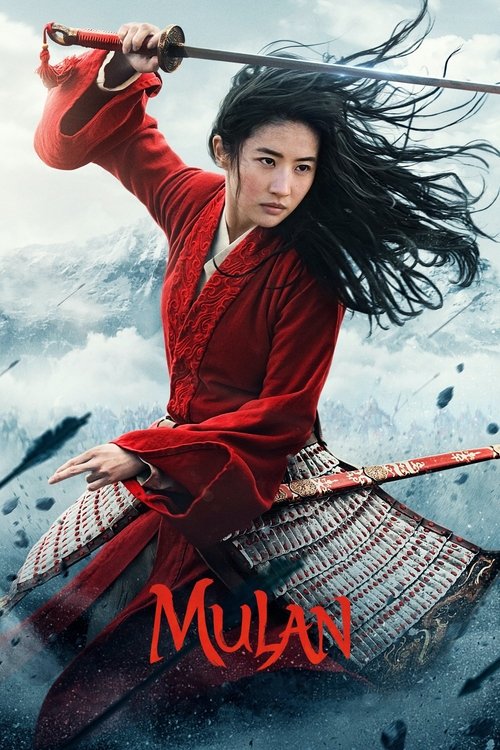
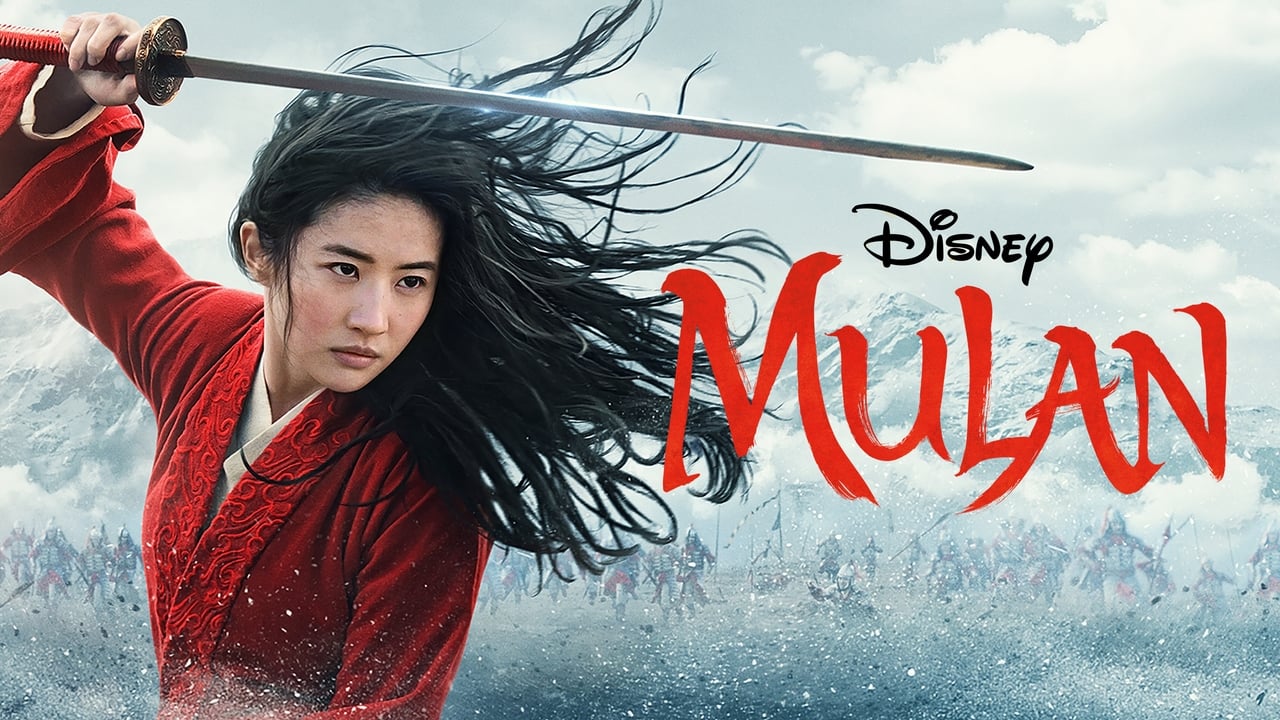
I remember exactly where I was when I first watched Niki Caro’s Mulan. I was hunched over my laptop in a dark living room, having just paid $29.99 for "Premier Access" on Disney+ because the world was currently closed for repairs. About forty minutes in, my cat, Barnaby, decided that the top of my screen was the perfect place to sharpen his claws, forcing me to watch the rest of the Imperial Army's maneuvers through a literal veil of fur and feline indifference. Honestly? Barnaby’s chaotic energy was probably a better fit for the film than the stoic, almost frozen reverence the movie tries to project.
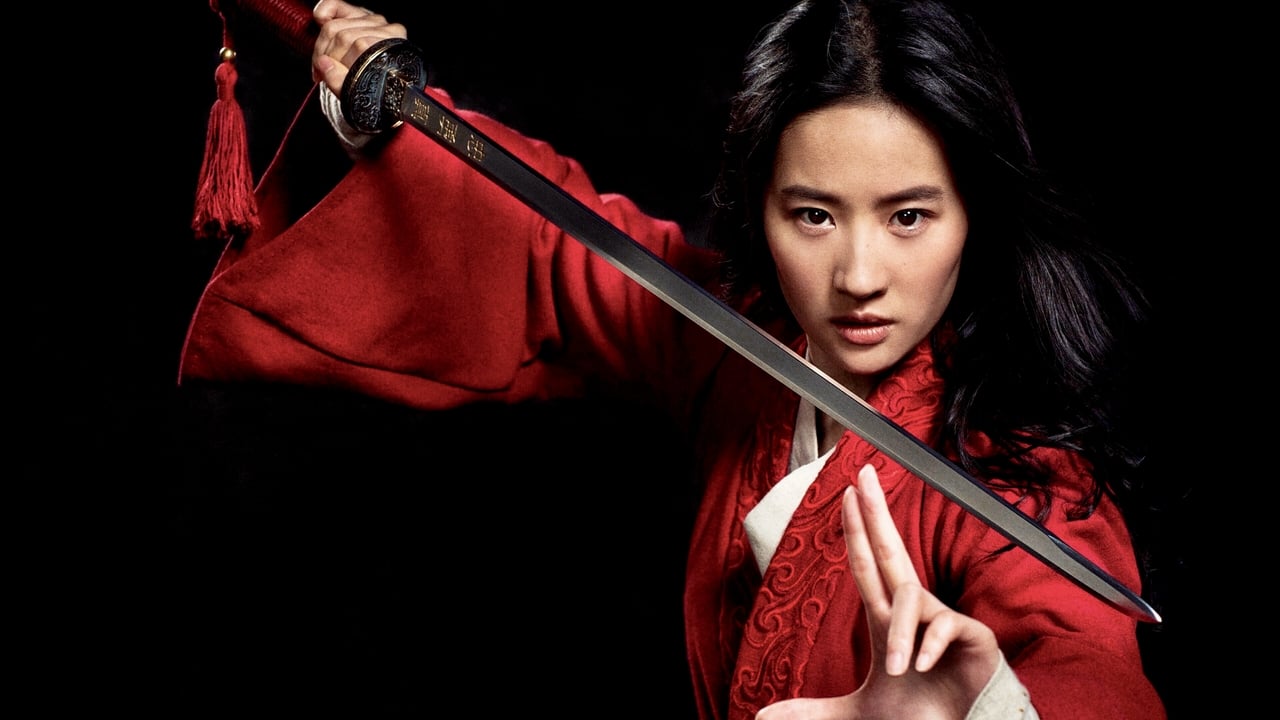
Released in 2020, Mulan represents the absolute peak of "Current Era" filmmaking—a massive $200 million budget, a release strategy dictated by a global pandemic, and a narrative shaped by the heavy hand of global market pressures. It’s a film that wants to be everything: a gritty Wuxia epic like Hero (2002), a respectful nod to Chinese history, and a "girl power" anthem for the modern age. But in trying to please every demographic on the planet, it occasionally feels like it was directed by a committee of very polite accountants.
The Problem with Magic
My biggest gripe—and I’m sticking to my guns here—is the "Chi" of it all. In the 1998 animated classic, Mulan was a hero because she was clever. She used a cannon to trigger an avalanche because she wasn't the strongest person on the mountain. In this version, Liu Yifei plays a Mulan who is basically a superhero from the jump. She has "powerful Chi," which in this movie functions as a catch-all excuse for her to run up walls and kick spears out of the air. Mulan isn't a hero because she works hard; she's a hero because she was born with a cheat code.
This shift completely changes the stakes. Liu Yifei is a magnetic presence—she has that "movie star" gaze that can hold a close-up for days—but the script doesn't give her much to do other than look determinedly at the horizon. She's joined by a cast of absolute titans: Donnie Yen as Commander Tung, Jet Li as the Emperor, and Gong Li as the shape-shifting witch Xian Niang. Watching Donnie Yen (the man behind the Ip Man franchise) and Jet Li (Once Upon a Time in China) and not seeing them engage in a twenty-minute, jaw-dropping duel feels like buying a Ferrari and only driving it to the mailbox. Apparently, Donnie Yen’s sword skills were so fast during filming that Niki Caro had to ask him to slow down because the cameras literally couldn't capture the movement. That’s the kind of energy I wanted more of.
A Masterclass in Visuals, A Misfire in Soul
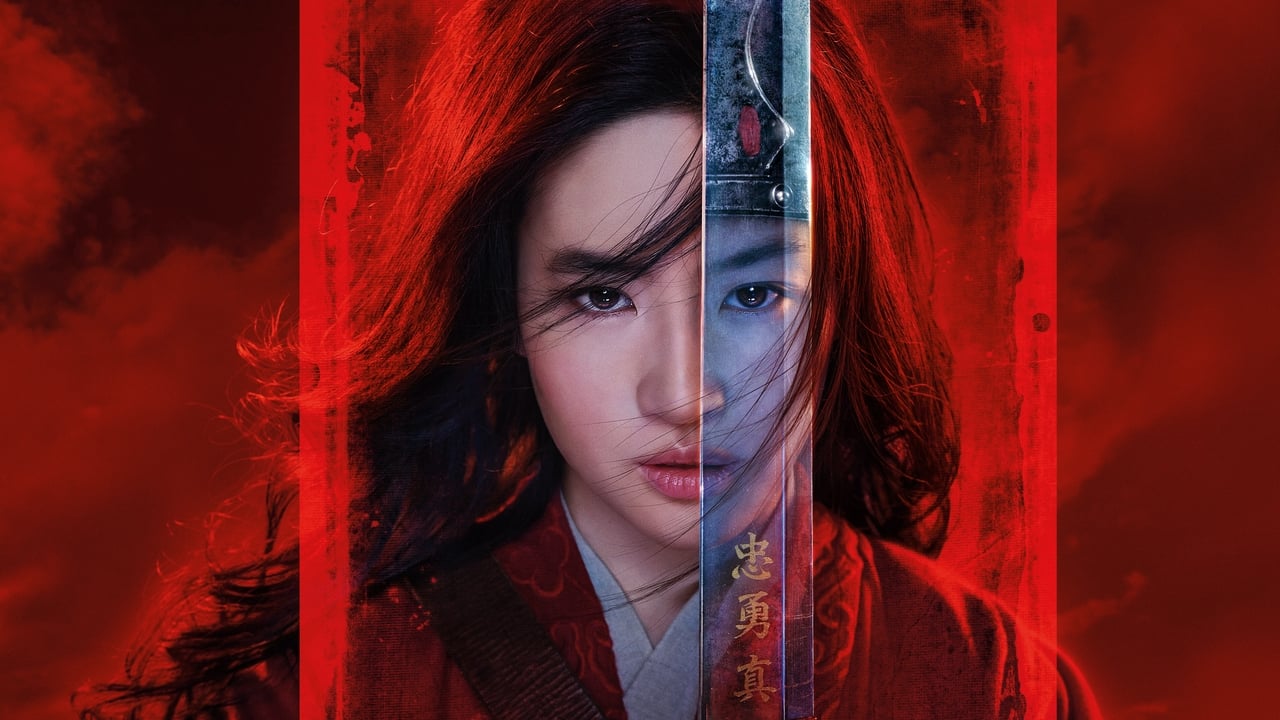
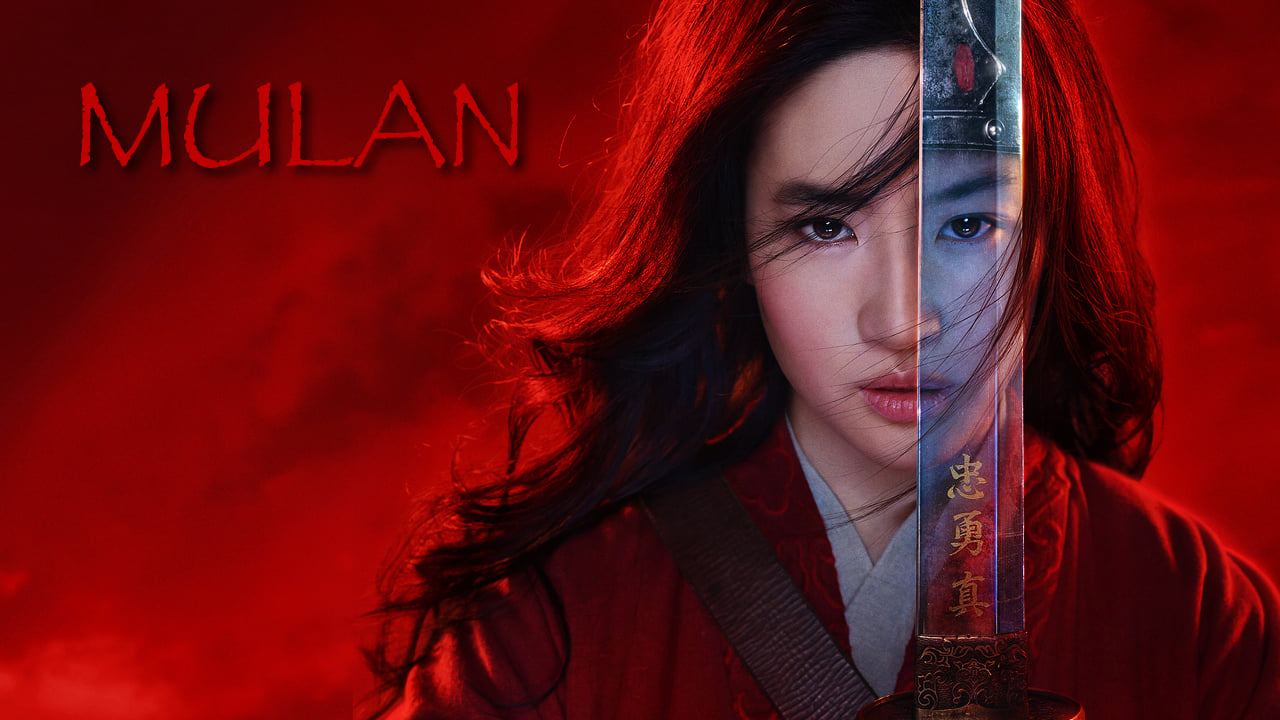
If you can ignore the narrative flatlining, the film is undeniably gorgeous. The cinematography by Mandy Walker (Elvis) treats the Chinese landscape like a high-fashion editorial. The colors are so saturated they practically bleed off the screen—vibrant reds, deep teals, and gold that looks like it was harvested from a sun. The costume design is equally breathtaking; the production team reportedly spent weeks researching Tang Dynasty embroidery.
The action sequences are staged with a sweeping, operatic scale, but they often lack the "crunch" I look for in a great action flick. Because it’s a Disney production, the violence is sanitized. We see a massive battle with hundreds of soldiers, but not a single drop of blood hits the snow. It gives the whole thing a strangely antiseptic feel. It’s "Action-Lite"—Chi is basically just the Force for people who don't want to pay George Lucas royalties.
The Weight of the Real World
You can’t talk about Mulan 2020 without talking about the baggage. In our current social-media-driven era, this film was a lightning rod before it even premiered. Between Liu Yifei’s controversial social media posts regarding the Hong Kong protests and the discovery that parts of the film were shot in Xinjiang, the discourse around the movie became louder than the movie itself. It’s a fascinating example of how modern blockbusters are no longer just "movies"—they are geopolitical statements, whether they want to be or not.
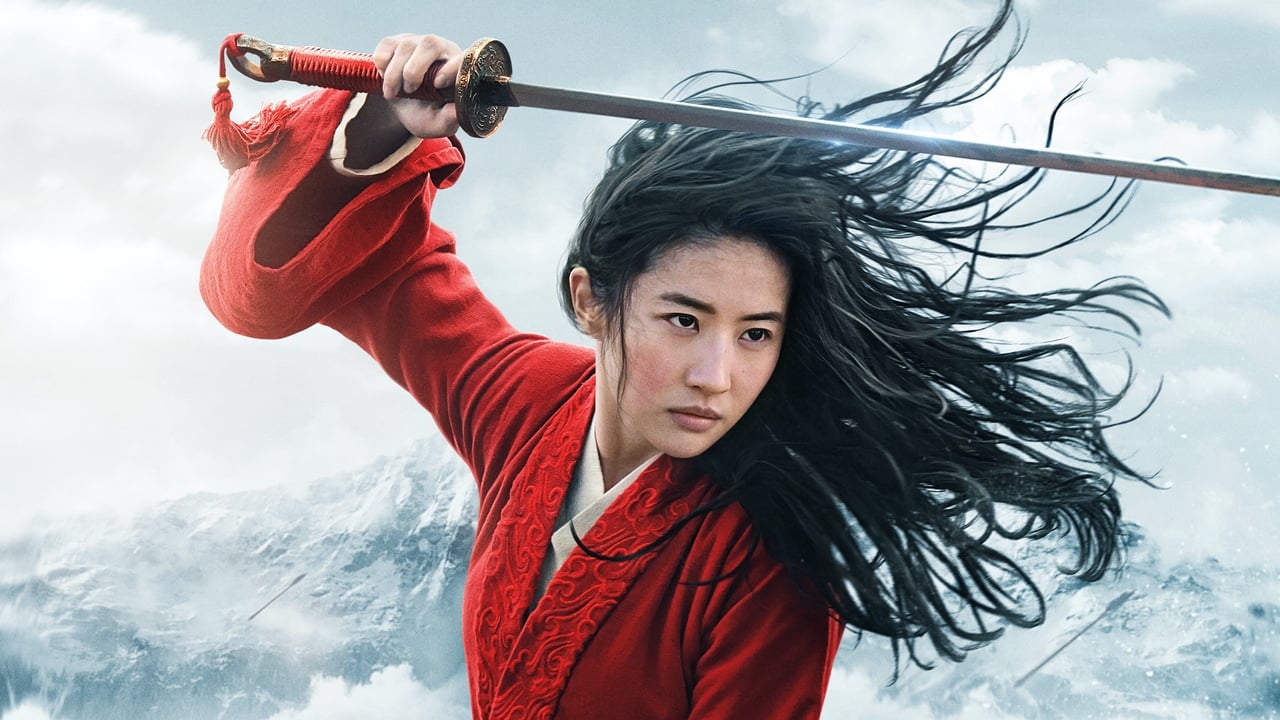
Behind the scenes, the production was a massive undertaking. They auditioned over 1,000 actresses for the lead role and employed a 40-person stunt team to handle the heavy lifting. I was particularly amused to learn that they had to use 90 gallons of water just for the "matchmaker tea ceremony" scene because they kept having to reset the set. It’s those little details—the absurd amount of labor required to make a "simple" scene look perfect—that I still find impressive, even if the final product left me a bit cold.
Ultimately, Mulan is a film caught between two worlds. It wants to be a serious, historical war drama, but it's tethered to the "Disney Princess" brand. It ditches the songs and the talking dragon (RIP Mushu, you were the real MVP) in search of maturity, but then adds a magical witch and "Force" powers that undermine the human story. It’s a beautiful, expensive, and technically proficient piece of cinema that unfortunately forgets to bring the heart along for the ride. It’s worth a watch for the visuals alone, but don't be surprised if you find yourself humming "I'll Make a Man Out of You" just to feel something.
Keep Exploring...
-
The Last Witch Hunter
2015
-
The Great Wall
2016
-

The Legend of Tarzan
2016
-
Warcraft
2016
-
Pacific Rim: Uprising
2018
-
Tomb Raider
2018
-
Pokémon Detective Pikachu
2019
-
Wonder Woman 1984
2020
-

Jungle Cruise
2021
-
Aquaman and the Lost Kingdom
2023
-
Damsel
2024
-

Pan
2015
-
Robin Hood
2018
-
Monster Hunter
2020
-
Mortal Kombat
2021
-
Batman v Superman: Dawn of Justice
2016
-
Doctor Strange
2016
-
Suicide Squad
2016
-
X-Men: Apocalypse
2016
-
Pirates of the Caribbean: Dead Men Tell No Tales
2017