My Octopus Teacher
"Class is in session, five fathoms deep."
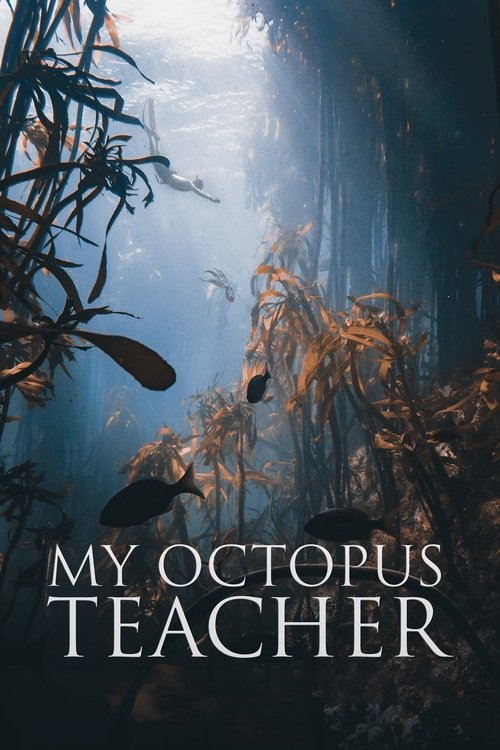
The water temperature off the Western Cape of South Africa hovers around 46 degrees Fahrenheit—a temperature most of us would describe as "lethal" or "an immediate reason to buy a heater." For Craig Foster, it was a sanctuary. He didn’t wear a wetsuit; he wanted to feel the sting, the shock, and the radical presence of the Atlantic. It’s this shivering, stripped-back vulnerability that sets the stage for one of the most unlikely friendships ever captured on digital sensor. I watched this for the first time while hunched over a plate of slightly burnt sourdough toast, my radiator hissing like a disgruntled cobra, and found myself feeling profoundly guilty for my indoor comforts.
Released on Netflix during the autumn of 2020, My Octopus Teacher arrived at a moment when the entire world was collectively losing its mind. We were trapped in our living rooms, doom-scrolling through a global pandemic, and feeling a deep, jagged disconnection from the physical world. Then came this documentary, directed by James Reed and Philippa Ehrlich, offering a portal into a kelp forest that looked more alien than anything in Avatar. It wasn’t just a nature documentary; it was a survival guide for the human soul, packaged as an interspecies bromance.
The Girl in the Kelp Forest
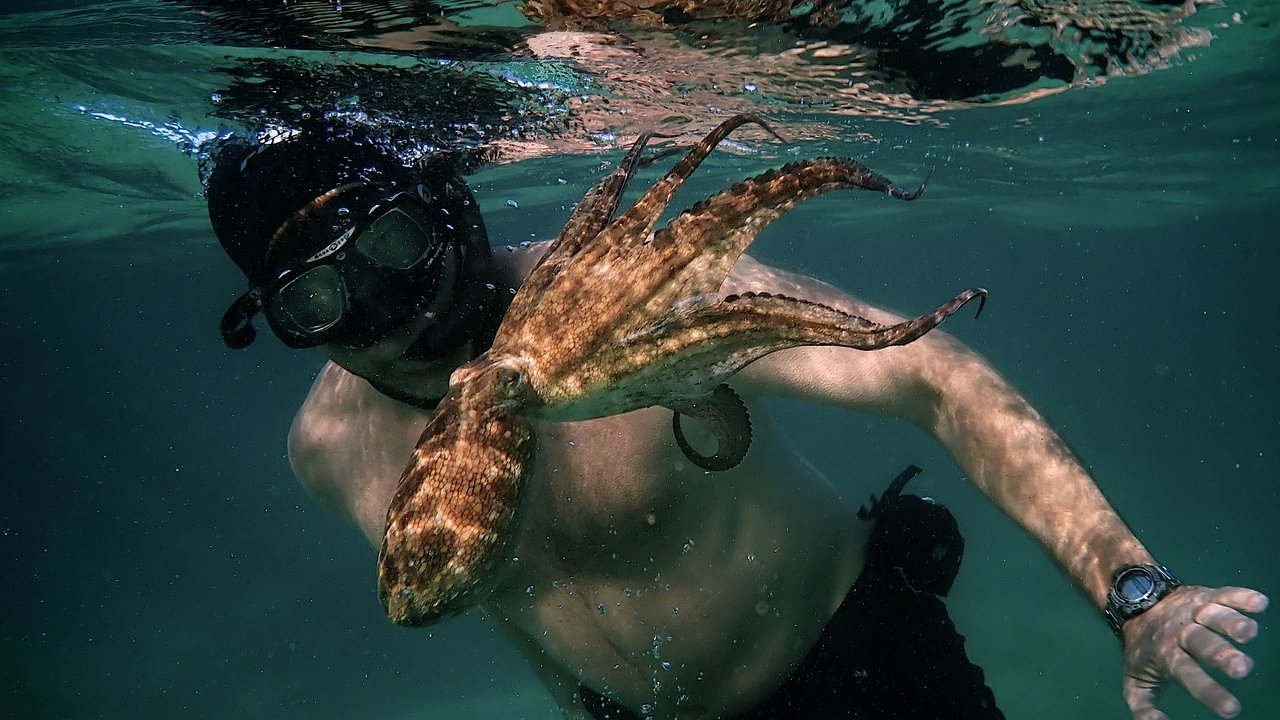
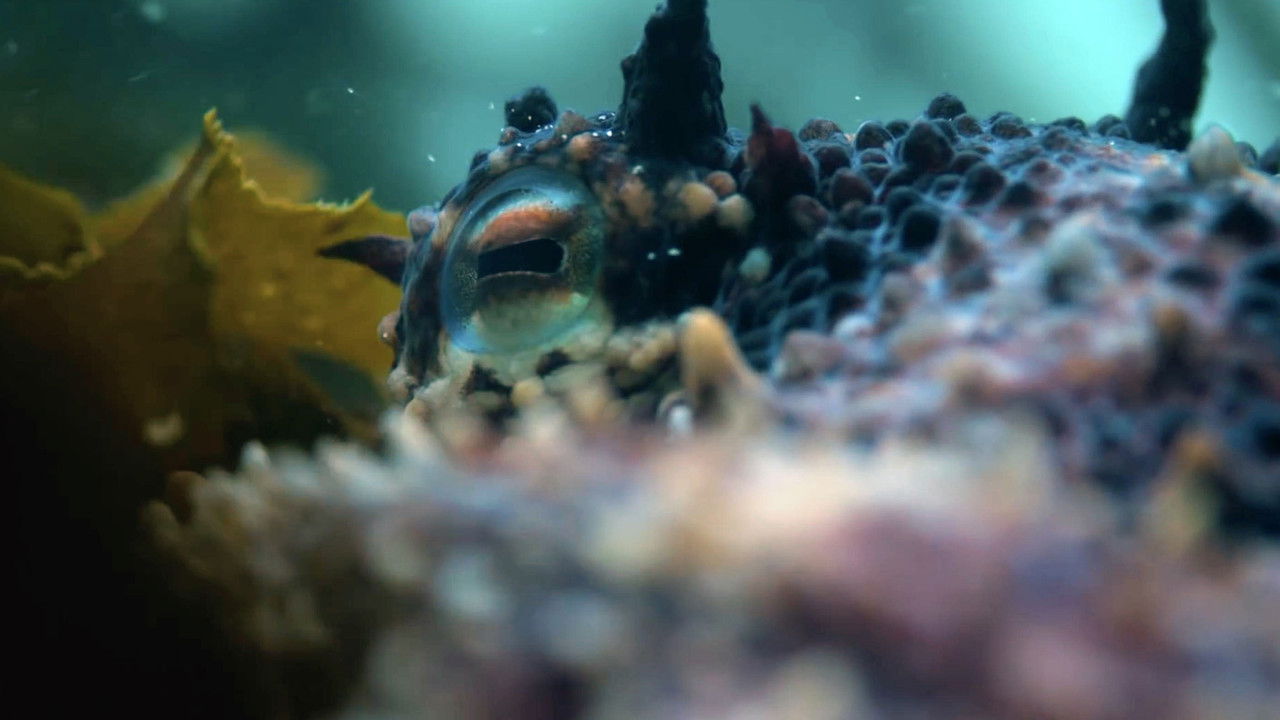
The "teacher" in question is a young common octopus. She’s small, she’s clever, and when Craig Foster first encounters her, she’s hiding under a makeshift armor of shells and stones. It’s a brilliant piece of practical effects, except it’s not an effect—it’s evolution. Over the course of a year, Foster visits her every single day. He tracks her like a detective, learning the "language" of the forest floor, until the moment she eventually reaches out a tentacle and touches his hand.
That moment of contact is the film’s "Finger of God" painting. It’s the point where the documentary shifts from a biological study into a philosophical inquiry. Foster is a man who was clearly suffering from a profound mid-life burnout, a filmmaker who had lost his spark. By observing this creature—who only lives for about a year—he begins to process his own place in the ecosystem. The film manages to make a mollusk more relatable than 90% of the protagonists in modern prestige TV. We see her hunt, we see her play, and we see her survive a harrowing shark attack that leaves her maimed. The sequence where she grows back a lost limb is better body-horror-meets-triumph than anything in a superhero origin story.
A Masterclass in Intimacy
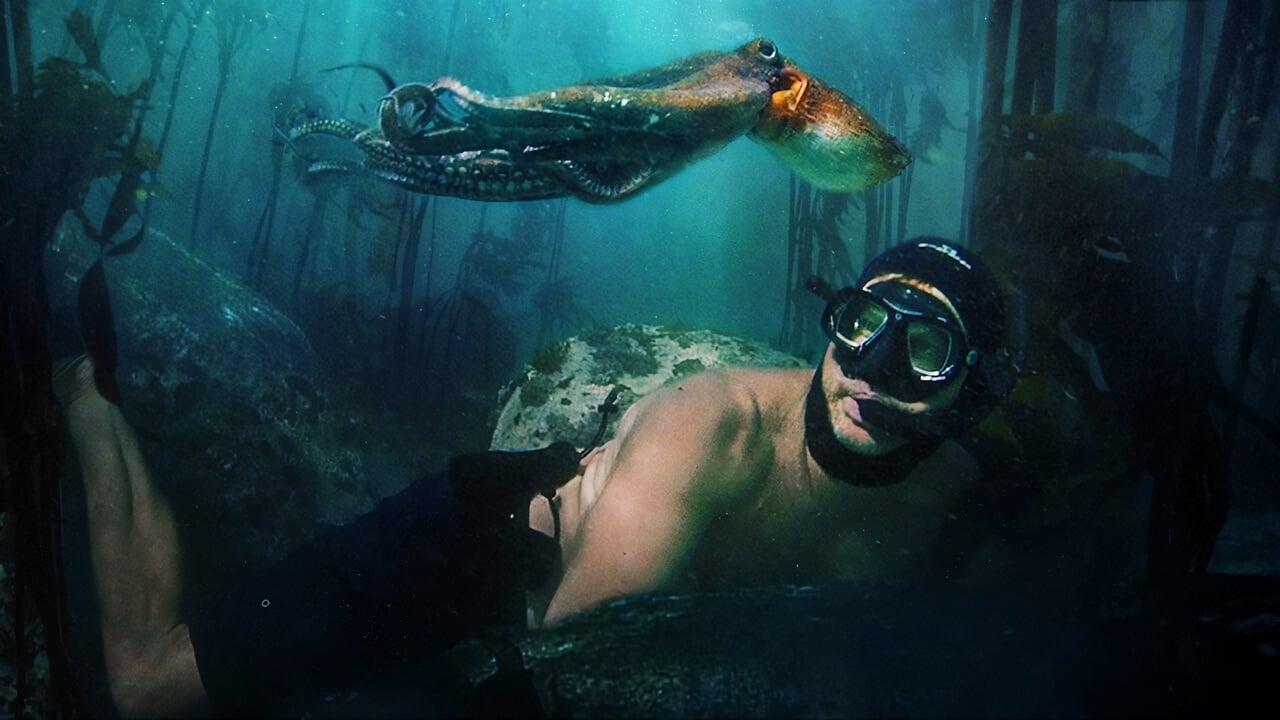
From a technical standpoint, the cinematography by Roger Horrocks and Foster himself is staggering. In an era where we are saturated with 8K drone shots and hyper-saturated CGI, there is a gritty, tactile reality to the footage here. You can almost feel the grit of the sand and the sway of the kelp. The directors, James Reed and Philippa Ehrlich, make a deliberate choice to keep the focus tight. This isn't Planet Earth; there is no booming, god-like narration from David Attenborough. Instead, we get Foster’s shaky, earnest voice, often recorded close-up, sounding like a man who is still processing a religious experience.
The score by Kevin Smuts does a lot of the heavy lifting, swelling at just the right moments to underscore the fragility of life. However, some might find the narrative a bit "man-centric." There’s a valid critique to be made about the "white guy goes into nature to find himself" trope, but I think that misses the genuine humility Foster displays. He isn’t trying to domesticate her; he is trying to let her wildness rub off on him. He struggles with the prime directive of nature filmmaking: when the pyjama sharks come to eat his friend, does he intervene? His decision—and the emotional fallout of that choice—is the film’s moral heartbeat.
The Streaming Era’s Quiet Giant
It’s worth noting how this film bypassed the traditional theatrical grind and became a word-of-mouth phenomenon on Netflix. In our current landscape of "content" where everything is designed to be loud and franchise-ready, My Octopus Teacher was a quiet, contemplative outlier. It proved that audiences, even those with the shortest attention spans, were hungry for something that felt real. It eventually won the Academy Award for Best Documentary Feature, a rare win for a film that feels so intensely personal and small-scale.

The film grapples with the fleeting nature of existence in a way that feels particularly "now." As we face climate anxiety and the feeling that our world is becoming increasingly synthetic, seeing a man find kinship with a creature that has three hearts and blue blood is strangely reassuring. It suggests that if we just stop moving for a second and look at the "boring" parts of the world—the tide pools, the weeds, the dirt—we might find we’ve been part of something grand all along. If you didn't cry when the sharks returned for the final act, you might actually be a robot.
Ultimately, this is a story about the cost of empathy. By the time the credits roll, you realize that Craig Foster didn’t just find a "teacher"; he found a mirror. It’s a gorgeous, haunting piece of filmmaking that reminds us that the most alien life forms on this planet aren't in the stars, but just a few feet beneath the waves. It’s the perfect 85-minute antidote to a stressful week, provided you’re okay with never looking at a plate of calamari the same way again.

Keep Exploring...
-

Amy
2015
-
Free Solo
2018
-
Friends: The Reunion
2021
-

Fyre
2019
-
Money Heist: The Phenomenon
2020
-
The Social Dilemma
2020
-
The Tinder Swindler
2022
-
A Man Called Ove
2015
-
Bāhubali: The Beginning
2015
-
The Boy and the Beast
2015
-
A Street Cat Named Bob
2016
-
I, Daniel Blake
2016
-
Italian Race
2016
-

Piper
2016
-
A Taxi Driver
2017
-
BPM (Beats per Minute)
2017
-
God's Own Country
2017
-
Bao
2018
-
I Want to Eat Your Pancreas
2018
-
My Hero Academia: Two Heroes
2018