Rebecca
"Some ghosts are better left in black and white."
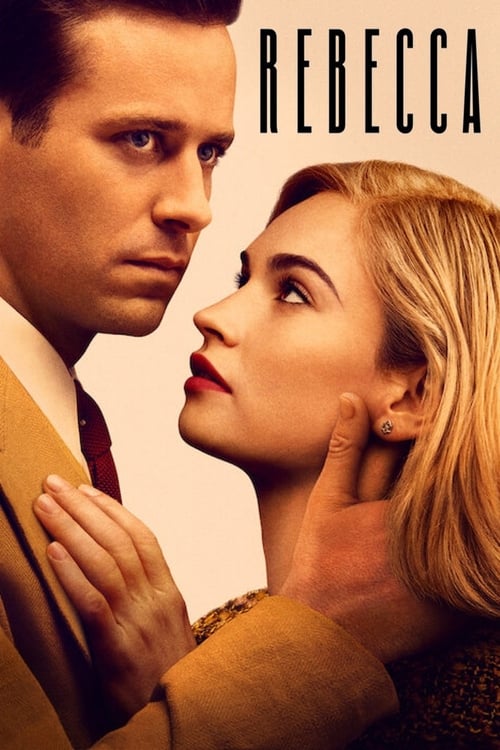
I distinctly remember watching this for the first time on a Tuesday afternoon in 2020 while trying to ignore a mounting pile of laundry and the general sense of global collapse. I was drinking a lukewarm cup of peppermint tea that tasted vaguely of hay, which, in retrospect, felt like a very appropriate companion for a movie that looks like a million bucks but tastes like... well, dried grass.
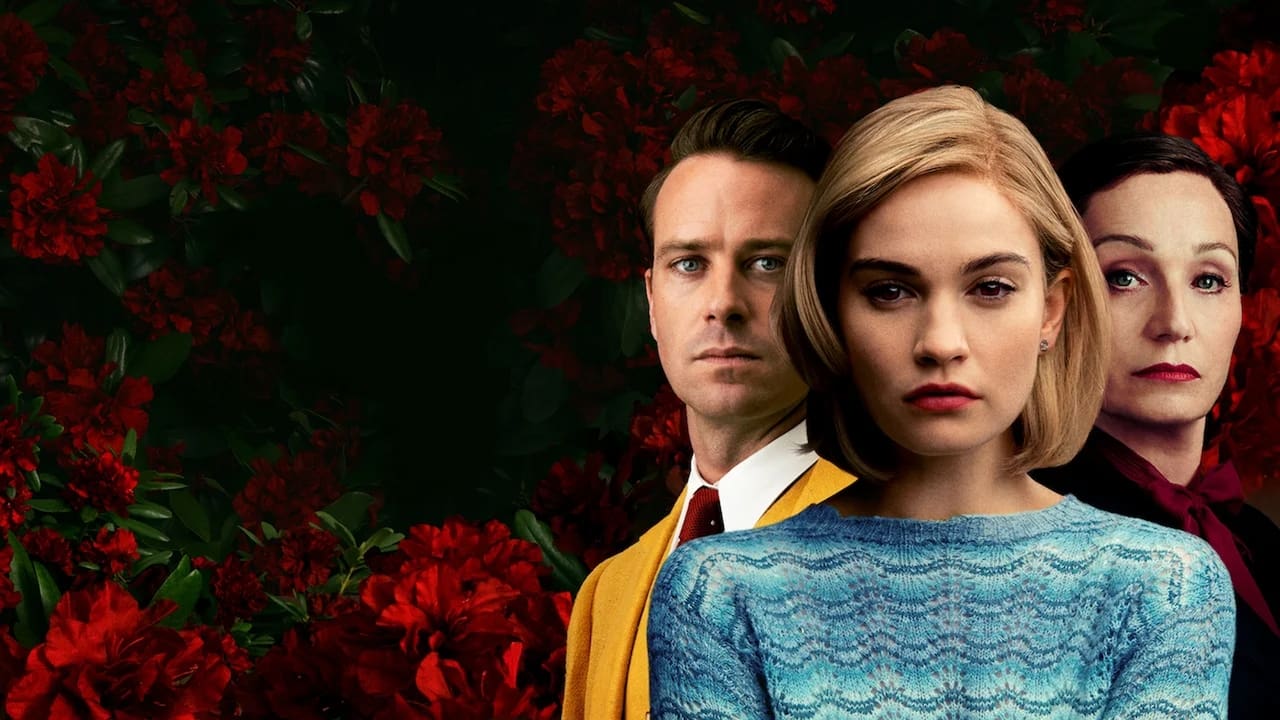
There is a certain audacity required to remake Rebecca. You’re not just fighting the ghost of the fictional Rebecca de Winter; you’re fighting the ghost of Sir Alfred Hitchcock’s 1940 Best Picture winner. Director Ben Wheatley, a man usually known for making the kind of trippy, low-budget psychological mind-melts that leave you feeling like you need a shower (Kill List, A Field in England), felt like a wild-card choice for this. I expected him to lean into the madness, to give us a Manderley that felt truly hallucinogenic. Instead, Netflix gave us a version that feels like a high-end perfume commercial that accidentally ran for two hours.
The Problem with Glossy Gothic
The biggest hurdle here is the lighting. Laurie Rose, the cinematographer who usually captures the grit of the British countryside, shoots this film like it’s a travel brochure for the French Riviera. The early scenes in Monte Carlo are gorgeous—sun-drenched, saturated, and shimmering. But when the action moves to the Cornwall coast, the "Gothic" never quite arrives.
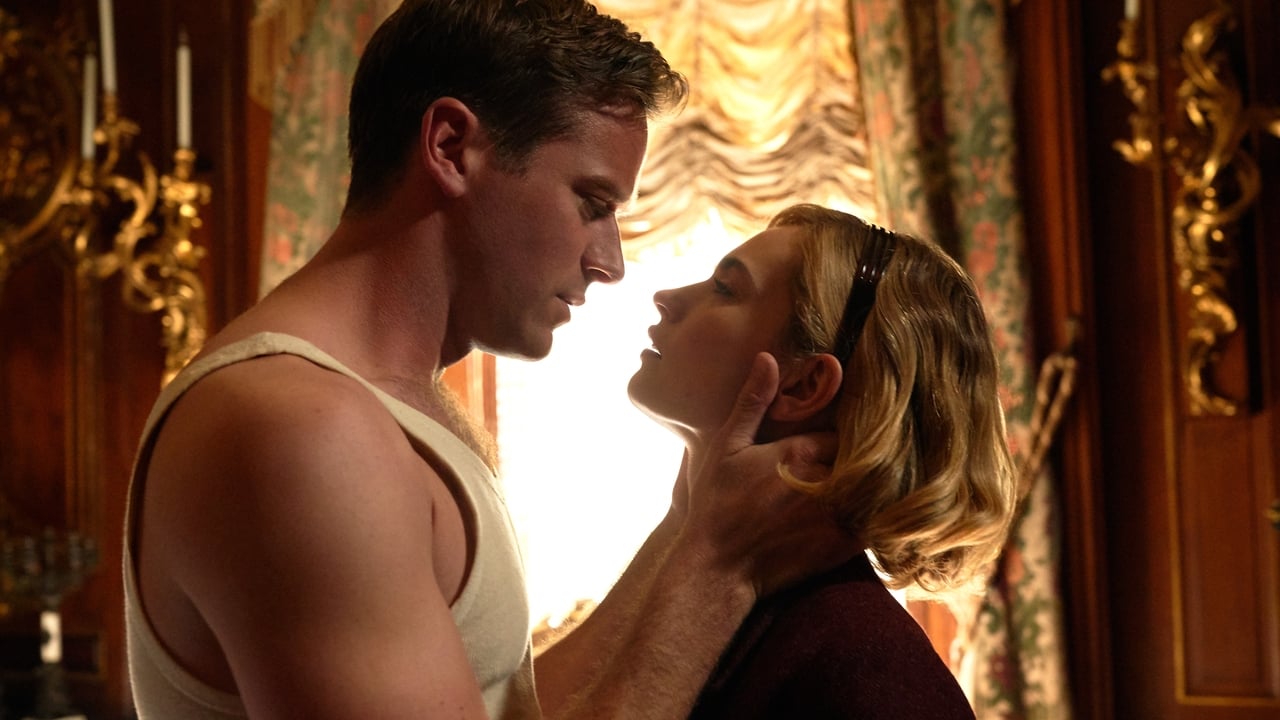
Manderley should be a character. It should be a suffocating, decaying lung of a house. In this version, it just looks like a very well-maintained Airbnb. I found myself checking out the upholstery rather than fearing for the unnamed protagonist’s life. It’s a recurring issue in contemporary prestige streaming: everything is so sharp, so 4K-ready, and so perfectly color-graded that the film’s atmosphere is buffed out until it’s frictionless.
A Disconnect at the Center
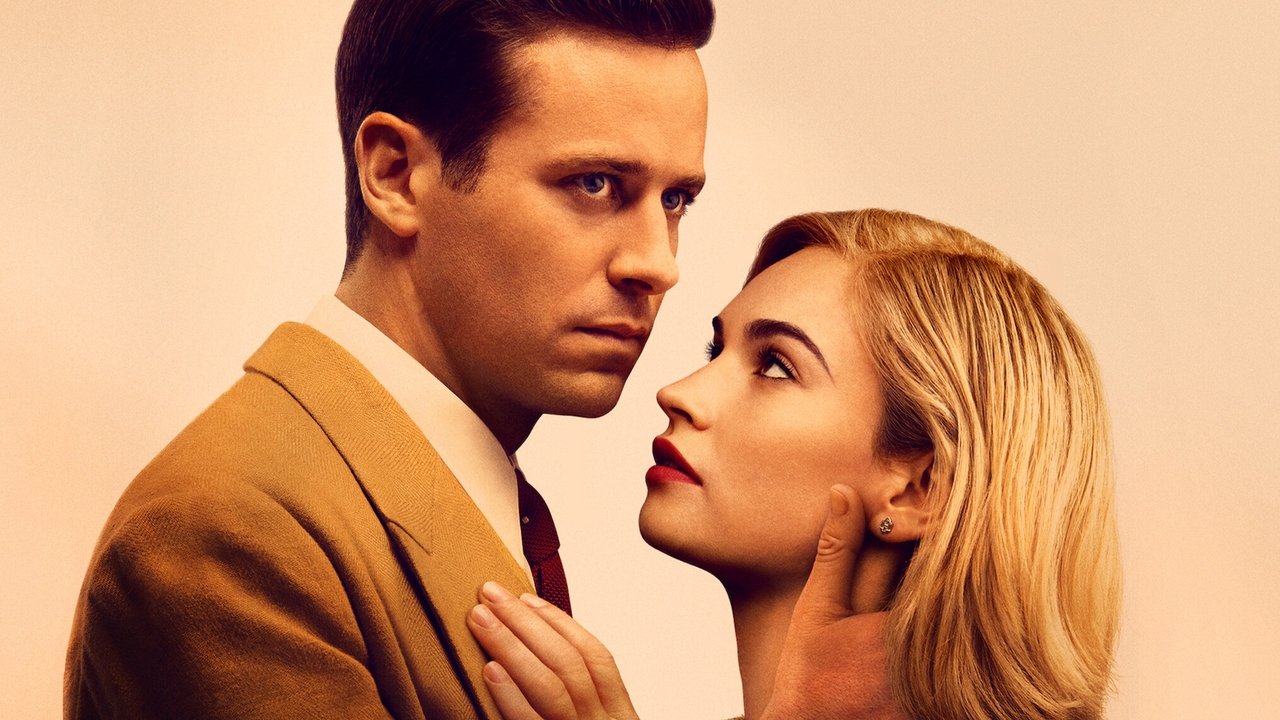
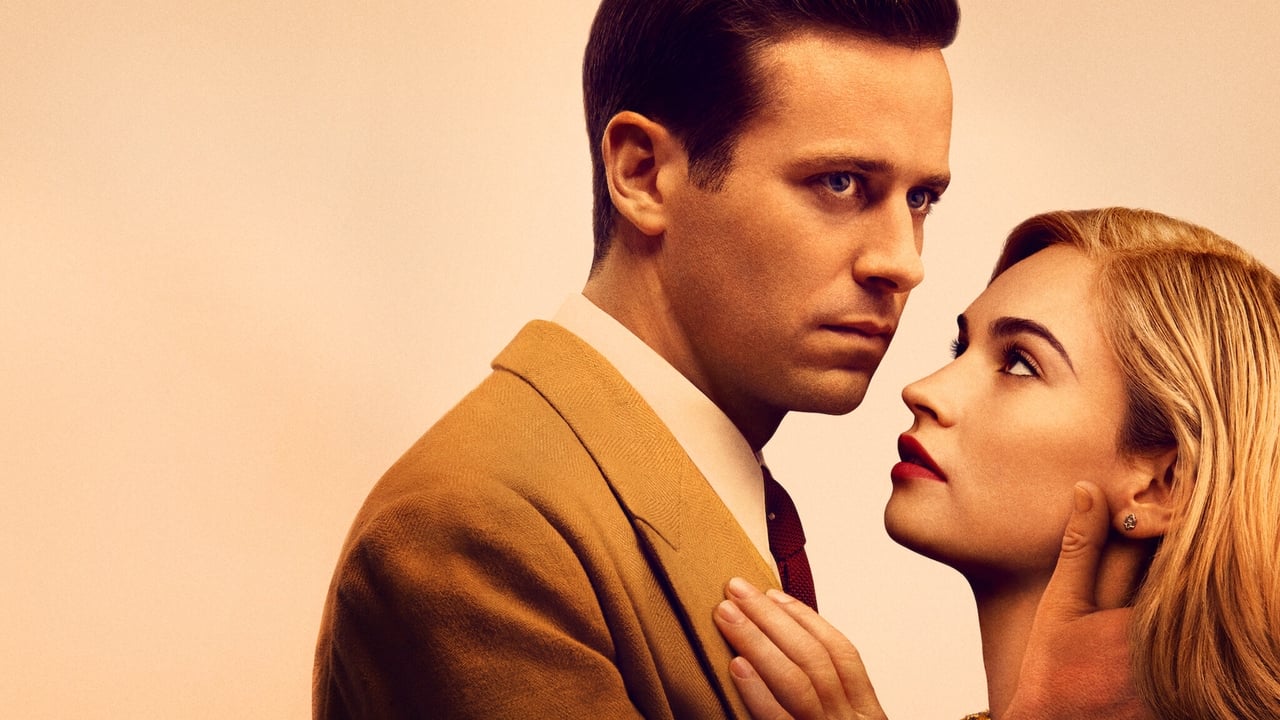
Let's talk about the de Winters. Lily James is an actress I generally adore—she has a luminous quality that worked wonders in Cinderella and Mamma Mia! Here We Go Again. Here, she plays the "second Mrs. de Winter" with a deer-in-the-headlights intensity that almost works, but she feels a bit too modern for the 1930s setting. She doesn't seem like a girl being haunted; she seems like a girl who just needs a better Wi-Fi connection.
Then there’s Armie Hammer. Look, looking at this through a 2024 lens is complicated given his subsequent career implosion, but even at the time, his chemistry with James felt... inert. He plays Maxim de Winter with all the emotional depth of a very expensive, slightly damp cardigan. Maxim is supposed to be a man tortured by a dark secret, a brooding aristocrat on the verge of a breakdown. Hammer mostly just looks annoyed that he has to be in the same room as his wife.
The saving grace—the absolute anchor of the entire production—is Kristin Scott Thomas as Mrs. Danvers. She is terrifying in the best way. She doesn’t need to scream; she just stands there, her spine so straight it looks like it was forged in a Victorian steel mill, and destroys the atmosphere with a single blink. When she’s on screen, the movie finally finds its pulse. It’s a shame the script doesn't give her more of the psychological complexity found in the Daphne du Maurier novel.
The "Content" Trap
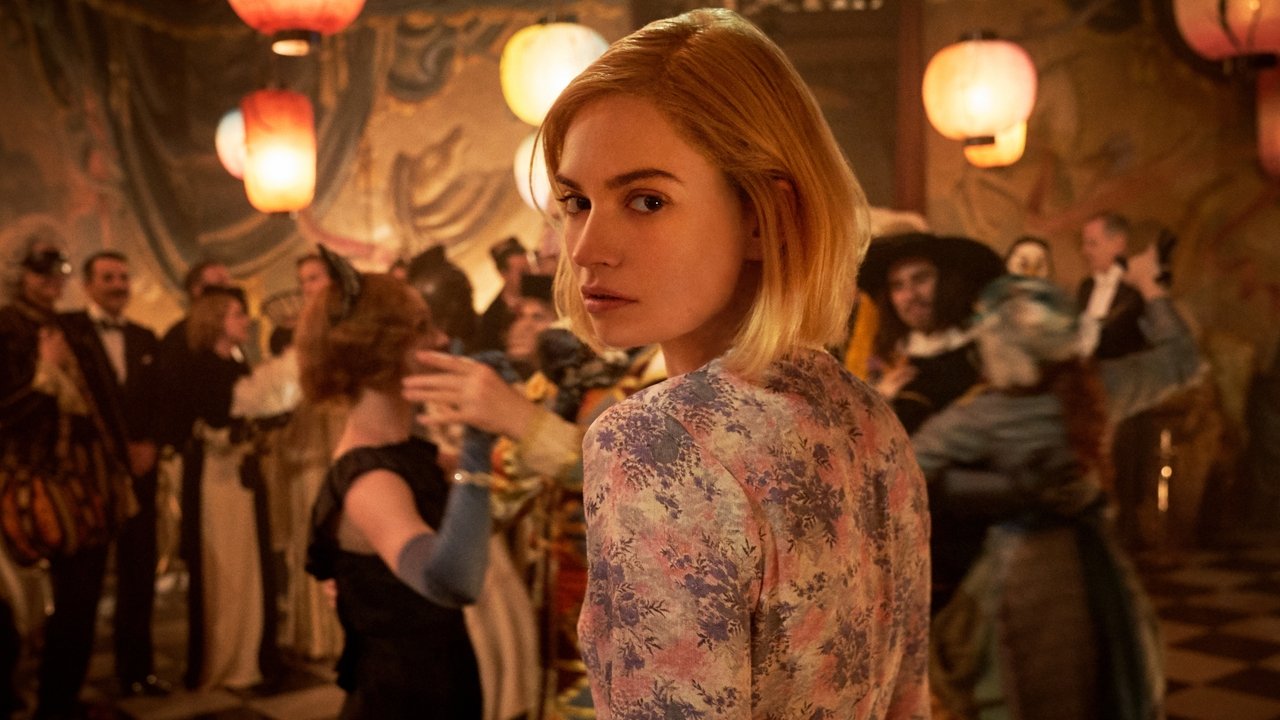
There’s a moment in the third act where the film tries to turn into a legal thriller, and that’s where it really loses the plot for me. The screenplay by Jane Goldman (who did great work on Stardust) and Joe Shrapnel tries to "empower" the lead character in a way that feels like a box-checking exercise for a modern audience. By making the heroine more proactive and "girlboss" in the finale, they actually undermine the tragedy of the story. The original Rebecca is about the corrosive power of secrets and the way the patriarchy traps women in the shadows of their predecessors. By cleaning it up for the 2020s, they’ve removed the rot that made the story interesting.
Interestingly, Ben Wheatley reportedly wanted the film to feel like a "Technicolor dream," inspired by the bright, vivid palettes of the 1940s and 50s. While that’s an interesting intellectual exercise, it fails the basic vibe check of a ghost story. You can't be scared of the dark if there isn't any dark. Also, a quick bit of trivia for the location nerds: they filmed a lot of the interiors at Hatfield House, which you might recognize from The Favourite or Batman (1989). It’s a stunning house, but I’ve seen it so much in "content" lately that it’s lost its ability to feel like a specific home.
Ultimately, this Rebecca is a victim of the streaming era’s obsession with "luxury." It’s a beautiful object to have playing in the background while you fold your laundry, but it lacks the jagged edges that make a thriller stick to your ribs. It’s a Gothic story that’s terrified of its own shadows, choosing instead to bathe everything in a flattering, golden-hour glow. If you want to see Kristin Scott Thomas being a legendary ice queen, give it a go. Otherwise, you’re better off sticking with the 1940 version or, better yet, the original novel. At least my rug stain has more character than the Manderley sets.
Keep Exploring...
-
The Discovery
2017
-
Free Fire
2017
-

Dark Places
2015
-
Z for Zachariah
2015
-
2:22
2017
-
Suburbicon
2017
-
You Get Me
2017
-
Terminal
2018
-
Greta
2019
-

The Professor and the Madman
2019
-
A Fall from Grace
2020
-
Deep Water
2022
-

Luckiest Girl Alive
2022
-

No Exit
2022
-

Reptile
2023
-

Black Bag
2025
-

High-Rise
2015
-
Suite Française
2015
-
Pride and Prejudice and Zombies
2016
-
Original Sin
2001