Rose Island
"Building a country just to annoy your ex."
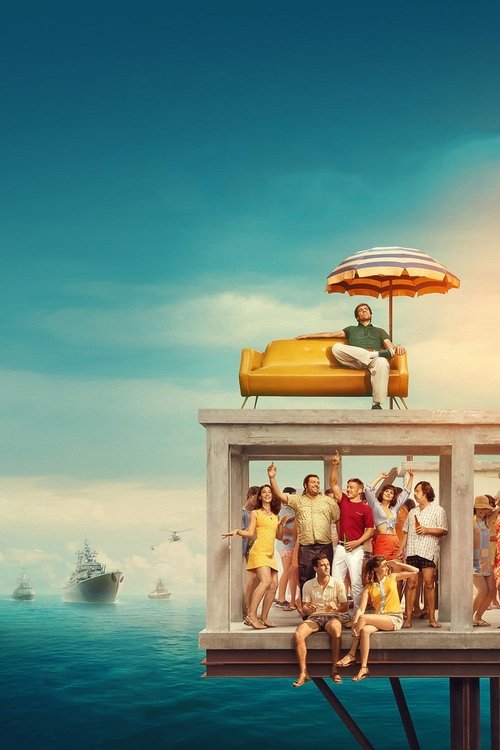
I watched Rose Island while wearing a pair of incredibly itchy wool socks that I was too lazy to take off, and honestly, the physical discomfort only made me sympathize more with Giorgio Rosa. There is something fundamentally relatable about being so annoyed by the world’s restrictions that you’d rather do something difficult and slightly painful—like building a steel island in the middle of the Adriatic—than just sit there and take it.
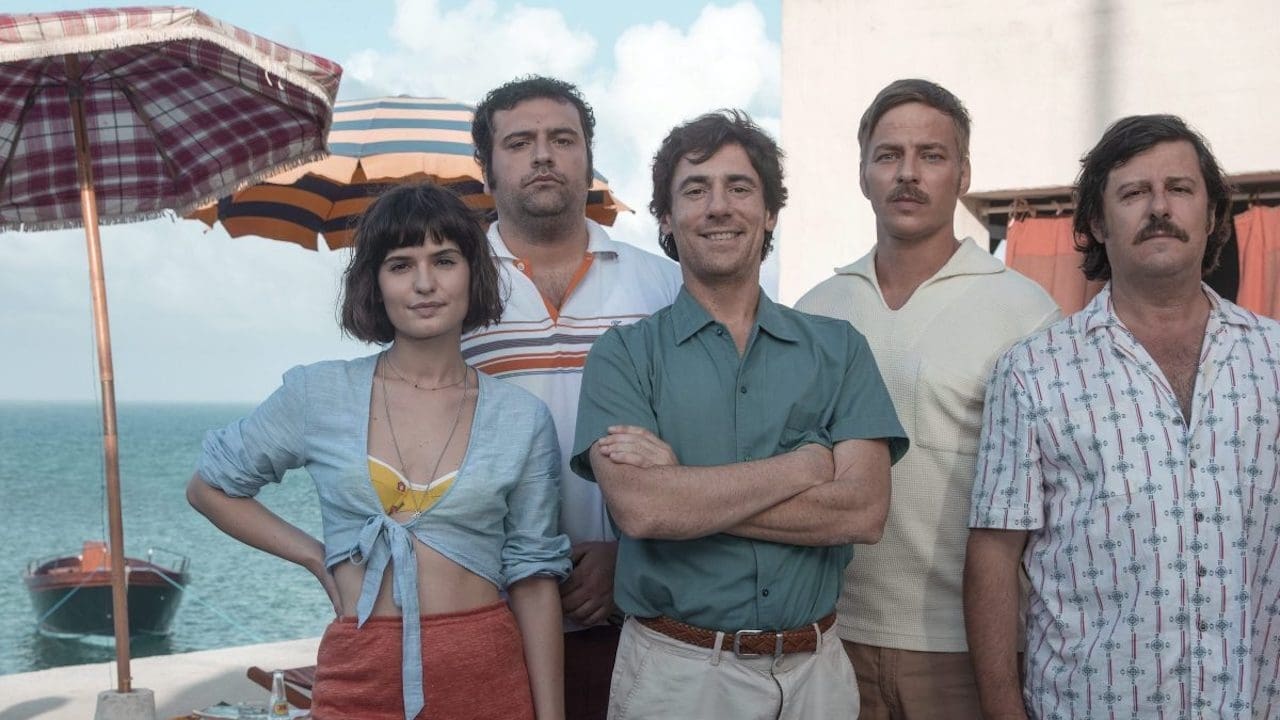
Released on Netflix in late 2020, Rose Island (or L’incredibile storia dell'Isola delle Rose) is the kind of film that would have been a modest arthouse hit in the 90s but, in our current streaming era, exists as a "hidden gem" buried under layers of true crime documentaries and superhero spin-offs. It tells the true, if slightly polished, story of Giorgio Rosa, an engineer who decided that if he couldn't follow the rules of Italy, he’d simply invent a new place where the rules didn't exist.
The Ultimate DIY Project
The film kicks off in 1968, a year synonymous with revolution. But while students in Paris were throwing cobblestones, Elio Germano’s Giorgio is taking a more literal approach to "building a new world." Germano plays Rosa as a man who isn't necessarily a political radical; he’s just an engineer who thinks the world is poorly designed. It’s basically 'The Martian' if Matt Damon was an Italian hipster with a crush. After his custom-built car gets him in trouble and his ex-girlfriend Matilda De Angelis (playing Gabriella) tells him he’s a failure, Giorgio decides the only logical response is to build a 400-square-meter platform in international waters outside the jurisdiction of the Italian state.
The adventure isn't in a jungle or a lost temple; it’s in the audacity of the engineering. Watching Giorgio and his ragtag crew—including a world-weary deserter played by Tom Wlaschiha—actually construct this thing is oddly thrilling. There’s a wonderful "let’s put on a show" energy to the first half of the film. They aren't looking for gold; they’re looking for a place where they can drink a beer and play a record without a bureaucrat breathing down their necks. The film captures that 1960s "La Dolce Vita" aesthetic but splashes it with the salt-spray of a DIY construction site.
David vs. The Bureaucratic Goliath

Once the island becomes a tourist sensation (and a tax haven), the tone shifts from a quirky construction comedy to a political standoff. This is where the film finds its teeth. The Italian government, led by a delightfully stuffy Fabrizio Bentivoglio as Franco Restivo and Luca Zingaretti as Giovanni Leone, begins to freak out. The idea that a man could simply declare himself a nation is a bug in the system they can’t ignore.
I loved the scenes involving the United Nations and the European authorities. François Cluzet shows up as Jean Baptiste Toma, a man who has to figure out if a steel platform counts as a country if it has its own stamps and Esperanto as its official language. These moments highlight a very contemporary anxiety: the tension between individual liberty and the rigid structures of the state. In an era where we’re constantly discussing "digital nomadism" and "sovereign individuals," Giorgio Rosa feels like a patron saint of the "get off my lawn" movement—except his lawn is a deck in the ocean.
Why It Got Lost in the Shuffle
Despite being a vibrant, high-budget production (with a $8 million price tag, which goes a long way in European cinema), Rose Island hasn't quite permeated the cultural zeitgeist. This is the paradox of the streaming era. While Netflix allowed this uniquely Italian story to be seen in 190 countries, it also meant it didn't get the "prestige" theatrical run that helps a movie stick in the memory.

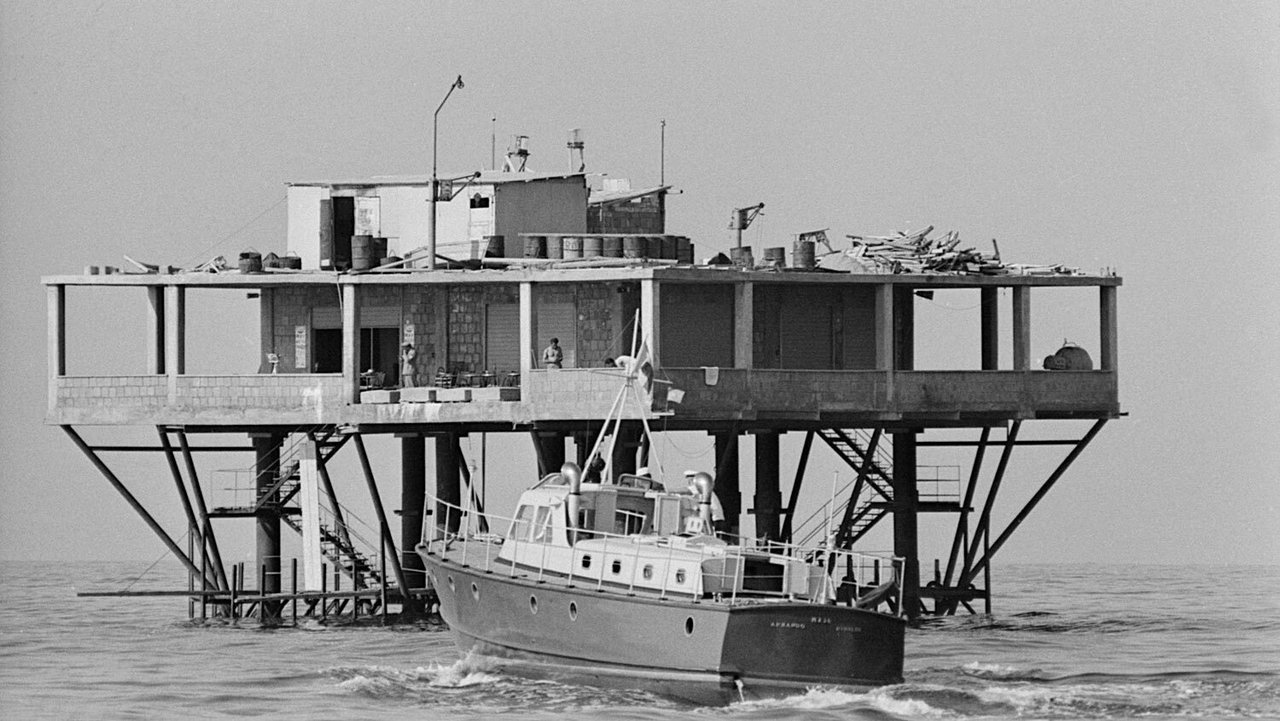
The film also avoids the trap of being a heavy political drama. Director Sydney Sibilia leans into a bright, saturated color palette and a brisk pace that feels more like an adventure caper than a history lesson. Apparently, the real Giorgio Rosa was consulted on the script shortly before he passed away at age 92. He reportedly gave his blessing because he liked that the film captured the "fun" of the rebellion, rather than just the legal filings. The Italian Navy actually showed up to blow up a porch, and the film leans into that absurdity beautifully.
Rose Island is a breezy, beautifully shot testament to the idea that being "unreasonable" is the only way to get anything interesting done. It’s a film that celebrates the dreamer over the diplomat, and while it might take some liberties with the historical record to keep the vibes high, it earns its emotional beats. If you’re looking for a getaway that doesn't require a passport—just a Netflix subscription and a tolerance for quirky engineers—this is your destination.
It’s the perfect "Sunday afternoon" movie. It’s light enough to enjoy while you’re distracted, but smart enough to make you wonder why we all don’t just move to the middle of the ocean and start printing our own money. Just make sure you aren't wearing itchy socks when you watch it.
Keep Exploring...
-
I Can Quit Whenever I Want 2: Masterclass
2017
-
I Can Quit Whenever I Want 3: Ad Honorem
2017
-

The Night Before
2015
-

The Climb
2017
-

Asterix: The Secret of the Magic Potion
2018
-

The Man Who Killed Don Quixote
2018
-

Dora and the Lost City of Gold
2019
-

Red Shoes and the Seven Dwarfs
2019
-
The Peanut Butter Falcon
2019
-
Beau Is Afraid
2023
-

Strays
2023
-

Boruto: Naruto the Movie
2015
-

Frozen Fever
2015
-

Justice League vs. Teen Titans
2016
-

Olaf's Frozen Adventure
2017
-
The Lego Ninjago Movie
2017
-

Early Man
2018
-

Smallfoot
2018
-

Missing Link
2019
-
The Angry Birds Movie 2
2019