Run
"Mother’s love is a prescription you can’t refill."
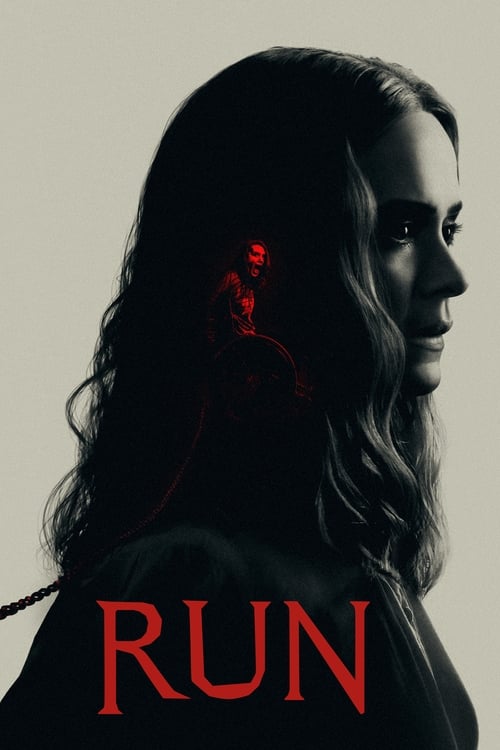
I remember exactly where I was when Run dropped on Hulu in late 2020: huddled under a weighted blanket, avoiding the news, and looking for any distraction that didn’t involve a Zoom call. At the time, we were all feeling a little "shut in," but Aneesh Chaganty decided to take that collective claustrophobia and weaponize it. Watching this film while sitting on a beanbag chair that was slowly leaking its polystyrene guts across my floor felt strangely appropriate—the slow deflation of my seat mirrored my own oxygen levels as the third act kicked in.
The Streaming Savior of 2020
In the current era of cinema, we’ve seen a massive shift in how "event" movies are defined. Before the pandemic, a $1.7 million indie thriller like Run might have enjoyed a quiet limited release before vanishing into the digital bargain bin. Instead, it became a massive streaming milestone, proving that a lean, mean 90-minute thriller could generate just as much social media buzz as a caped-crusader blockbuster.
Chaganty, who previously gave us the clever "screen-life" thriller Searching (2018), proves here that he doesn't need a laptop screen to build tension. He just needs a house, a mother with a terrifyingly fixed smile, and a daughter who is much smarter than she’s been allowed to believe. The film feels like a spiritual successor to the Hitchcockian "wrong man" thrillers, updated for a generation that understands how Google and Big Pharma can be used as both tools and traps.
A Masterclass in Restricted Movement
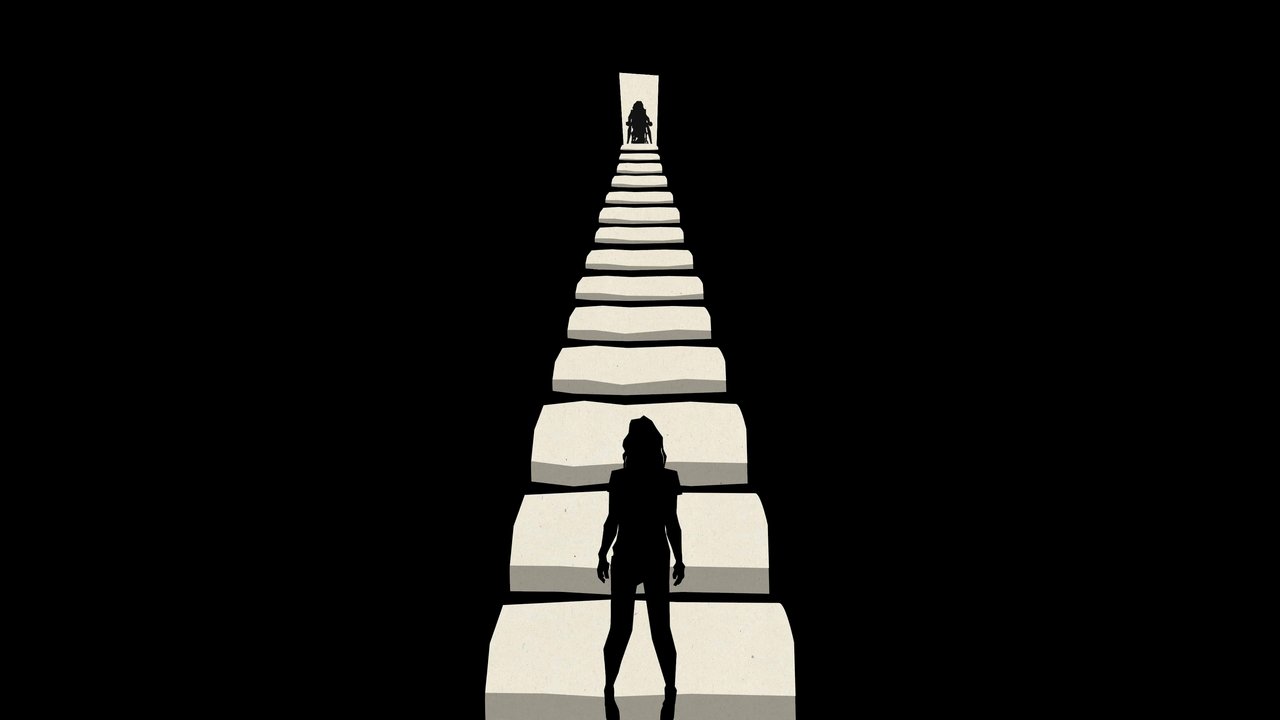
The plot is deceptively simple: Chloe, played by newcomer Kiera Allen, is a teenager living with a laundry list of chronic illnesses. She’s homeschooled by her mother, Diane (Sarah Paulson), who seems like the patron saint of selfless parenting. But when Chloe discovers a strange green pill in the grocery bag—one meant for her mother but prescribed to Chloe—the cozy walls of their Washington home start to feel more like a cell.
Sarah Paulson is basically the Meryl Streep of making you want to file a restraining order. We’ve seen her play "unhinged" in American Horror Story, but here she dials it back to a simmer. It’s the quietness of her Diane that’s truly chilling; it’s the way she adjusts a blanket or pours a glass of water that suggests a deep, predatory possessiveness. Every time she tells Chloe "I’m your mother," it sounds less like a comfort and more like a claim of ownership.

The Casting Choice That Changed Everything
What elevates Run from a standard "moms are crazy" flick into a landmark of contemporary horror is the casting of Kiera Allen. She is a wheelchair user in real life, making her the first disabled actress to star in a major thriller in over 70 years. This isn't just a win for representation; it’s a win for the film’s mechanics.
Because Allen understands the physical reality of navigating the world in a chair, the "escape" sequences aren't choreographed with Hollywood gloss. They are grueling. I found myself physically tensing up during a sequence involving a roof and a soldering iron, largely because Allen’s performance makes the stakes feel so tactile. She isn't a victim; she’s a MacGyver-level problem solver who just happens to have limited mobility. Watching her navigate a world that Diane has literally rigged against her is more exhilarating than any CGI explosion I’ve seen in the last five years.
Behind-the-Scenes Ingenuity
The production of Run is a testament to indie resourcefulness. While the movie is set in small-town Washington, it was actually shot in Winnipeg, Canada. Apparently, the "green pill" that serves as the movie's central mystery was inspired by a real-life dog medication, which adds a layer of "ew" to the whole proceeding.
I also love the subtle ways Chaganty connects his films. If you look closely at the screens Chloe uses, you’ll see Easter eggs referencing the characters from Searching. It creates this "Chaganty-verse" of digital dread that feels very much of this moment. Even the budget reflects the era—made for a fraction of a Marvel catering bill, the film relies on Hillary Spera’s cinematography and Torin Borrowdale’s pulsing, Bernard Herrmann-inspired score to do the heavy lifting. They traded spectacle for claustrophobia, and they won.
Run is the kind of lean, efficient storytelling that reminds me why I fell in love with thrillers in the first place. It doesn't overstay its welcome, it doesn't get bogged down in unnecessary lore, and it respects the audience’s intelligence. In an era of three-hour epics and "to be continued" franchise entries, there is something deeply satisfying about a movie that knows exactly how to scare you and gets the job done in an hour and a half. If you haven't seen it yet, just make sure you’ve checked your own prescriptions lately.
Stuff You Might Have Missed
The pharmacy scene features a cameo from Pat Healy, who genre fans will recognize from The Innkeepers and Cheap Thrills. His role as the mailman is a brief but effective reminder of how isolated Chloe truly is. The film was originally slated for a theatrical release on Mother's Day, which might have been the most aggressive piece of counter-programming in history. * Kiera Allen was actually a college student at Columbia University when she was cast, and she’s since become a vocal advocate for more authentic disability representation in horror.
Keep Exploring...
-
Searching
2018
-

It
2017
-
Good Time
2017
-

Pearl
2022
-

The Exorcism of God
2022
-
Speak No Evil
2022
-

The House That Jack Built
2018
-

Son of Saul
2015
-
Raw
2016
-

One Cut of the Dead
2017
-
The Killing of a Sacred Deer
2017
-
Climax
2018
-

Les Misérables
2019
-
The Beasts
2022
-
What Ever Happened to Baby Jane?
1962
-
Get Out
2017
-
10 Cloverfield Lane
2016
-
Before I Wake
2016
-

The Shallows
2016
-
Bird Box
2018