Soul
"Life is more than just a gig."

The first thing that struck me wasn’t the metaphysical "Great Before" or the glowing blue souls; it was the dust. In the opening scenes of Soul, as Joe Gardner stands in a chaotic middle school band room, you can practically see the particles of chalk and floor-wax hovering in the afternoon sun. It’s a level of tactile, grimy realism that Pixar usually reserves for the rust on a sentient car, but here, it’s used to ground us in a very specific, very tired New York City. I watched this for the first time on a cracked iPad screen while my radiator hissed like a disgruntled serpent, and even in that lo-fi setting, the artistry felt gargantuan.
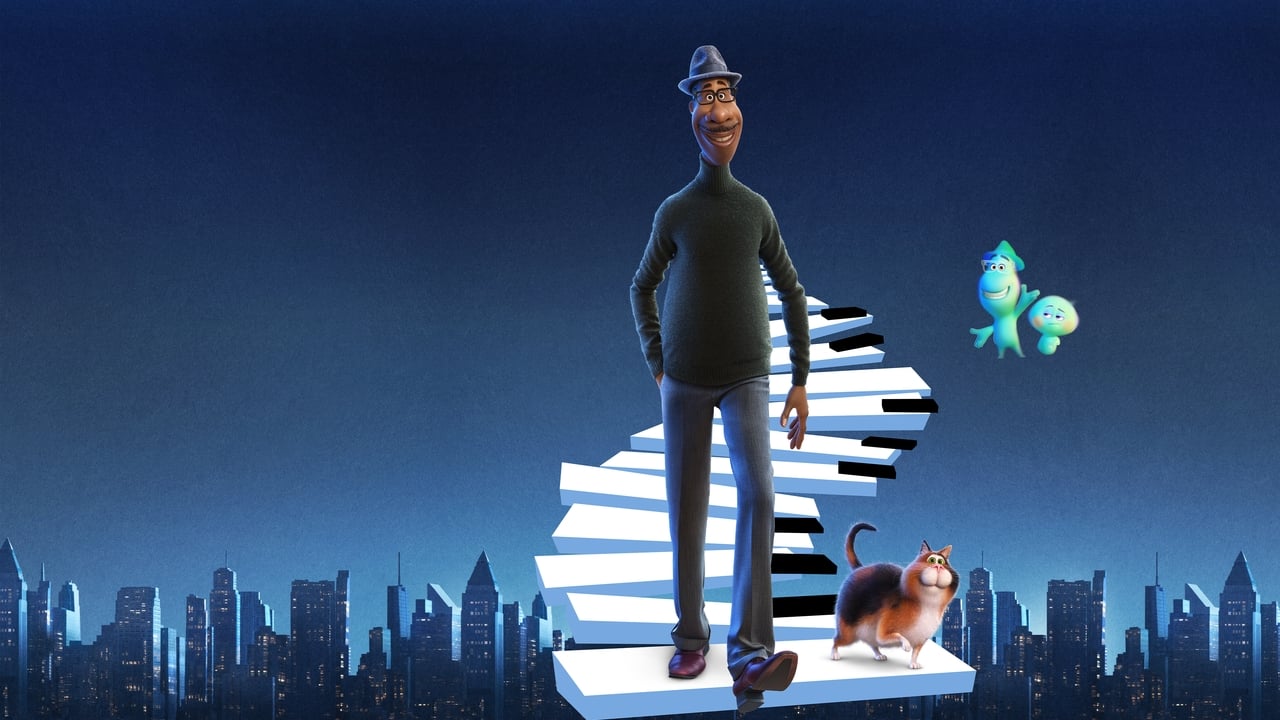
A Jazz Odyssey in the Streaming Age
Released in the thick of the 2020 pandemic, Soul didn't get the red-carpet theatrical rollout it deserved. Instead, it landed directly on Disney+, becoming the ultimate "stay-at-home" prestige film. In an era where "content" often feels like it’s being squeezed out of a toothpaste tube, Pete Docter (the brain behind Up and Inside Out) and co-director Kemp Powers delivered something that felt dangerously close to a mid-life crisis disguised as a kids' movie.
Jamie Foxx provides the voice of Joe, a man who has spent his entire life waiting for his "real" life to start. When he finally lands a dream gig playing piano with jazz legend Dorothea Williams (Angela Bassett), he immediately falls down an open manhole. It’s a classic comedic beat, but the consequences are existential. Joe’s soul ends up on a conveyor belt to the "Great Beyond," and his desperate scramble to get back to Earth leads him to the "Great Before"—a pastel-hued nursery for unborn souls.
The Odd Couple of the Afterlife
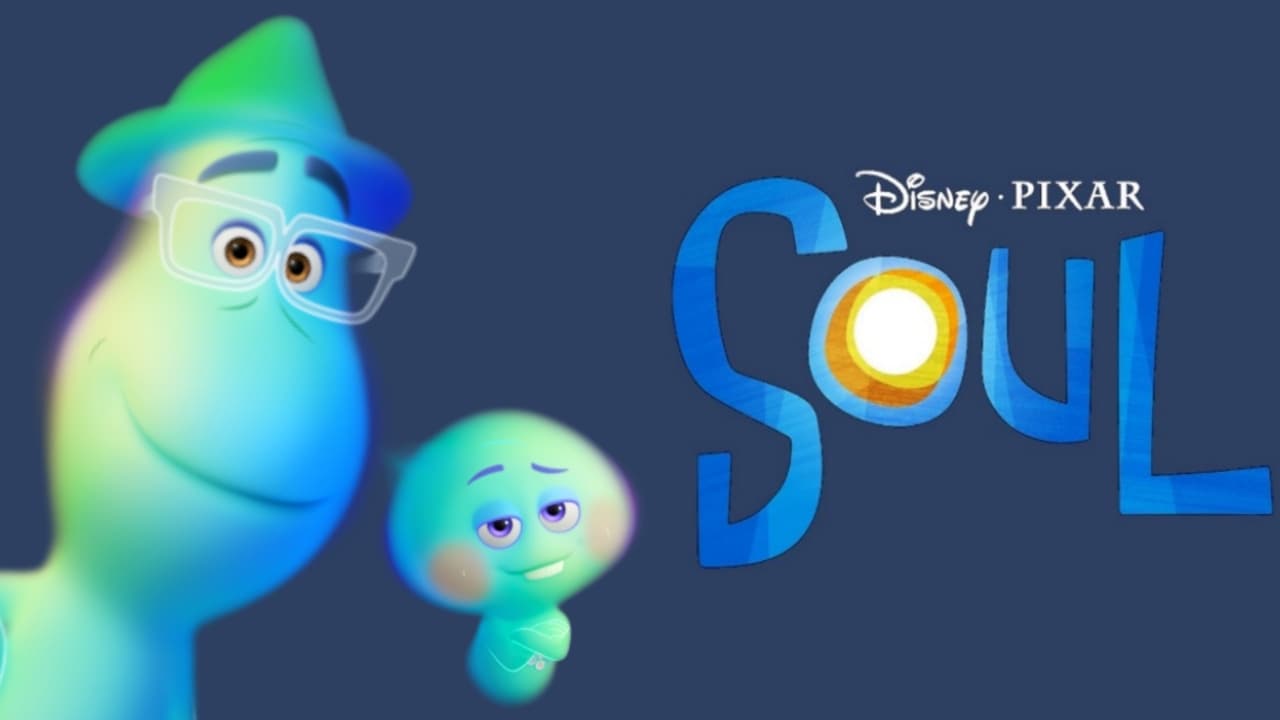
This is where the movie shifts from a gritty New York drama into a whimsical, high-concept comedy. Joe is tasked with mentoring 22, voiced by Tina Fey with a pitch-perfect "jaded teenager" energy. 22 has been stuck in the Great Before for centuries, having successfully annoyed previous mentors like Abraham Lincoln and Mother Teresa. She has no interest in Earth; Joe has no interest in staying dead.
The chemistry here works because Jamie Foxx plays Joe with a frantic, obsessive sincerity that balances Tina Fey’s cynical detachment. But the real scene-stealers are the "Jerrys"—abstract, 2D-line-art counselors voiced by the likes of Alice Braga and Richard Ayoade. They look like something Picasso would have doodled on a napkin after three martinis, and their polite, bureaucratic approach to the universe’s mysteries is a comedic highlight.
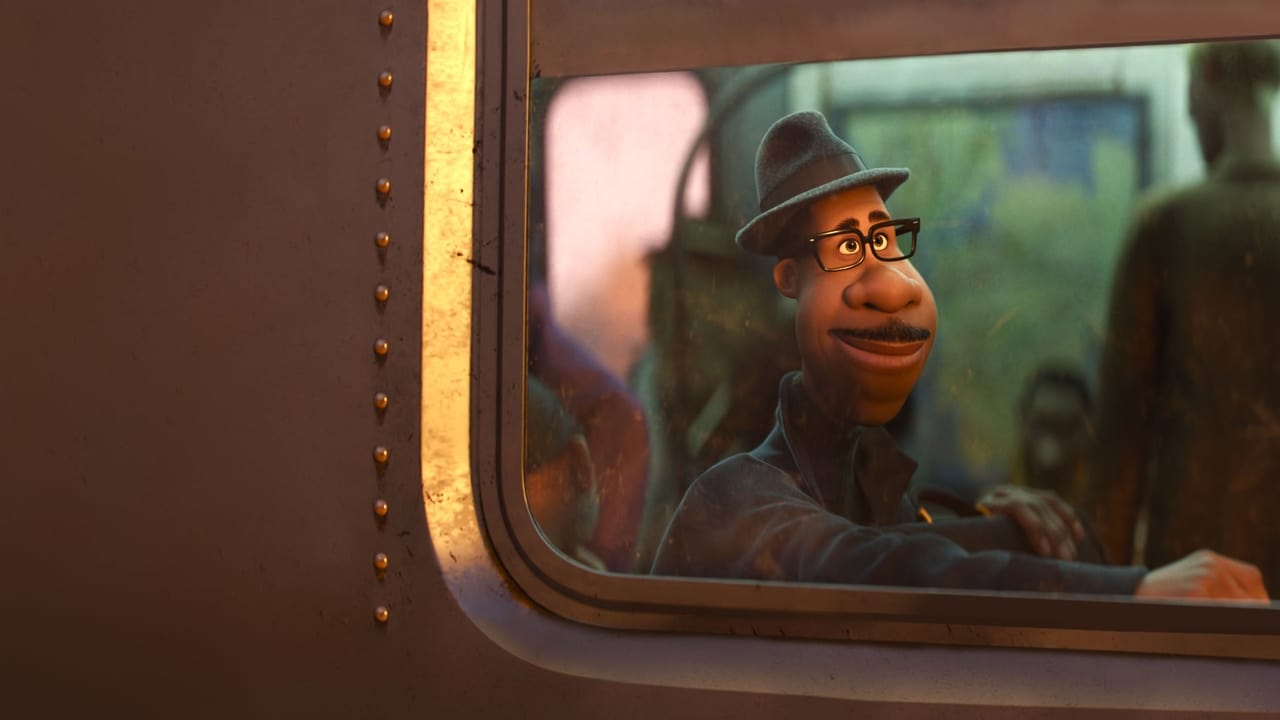
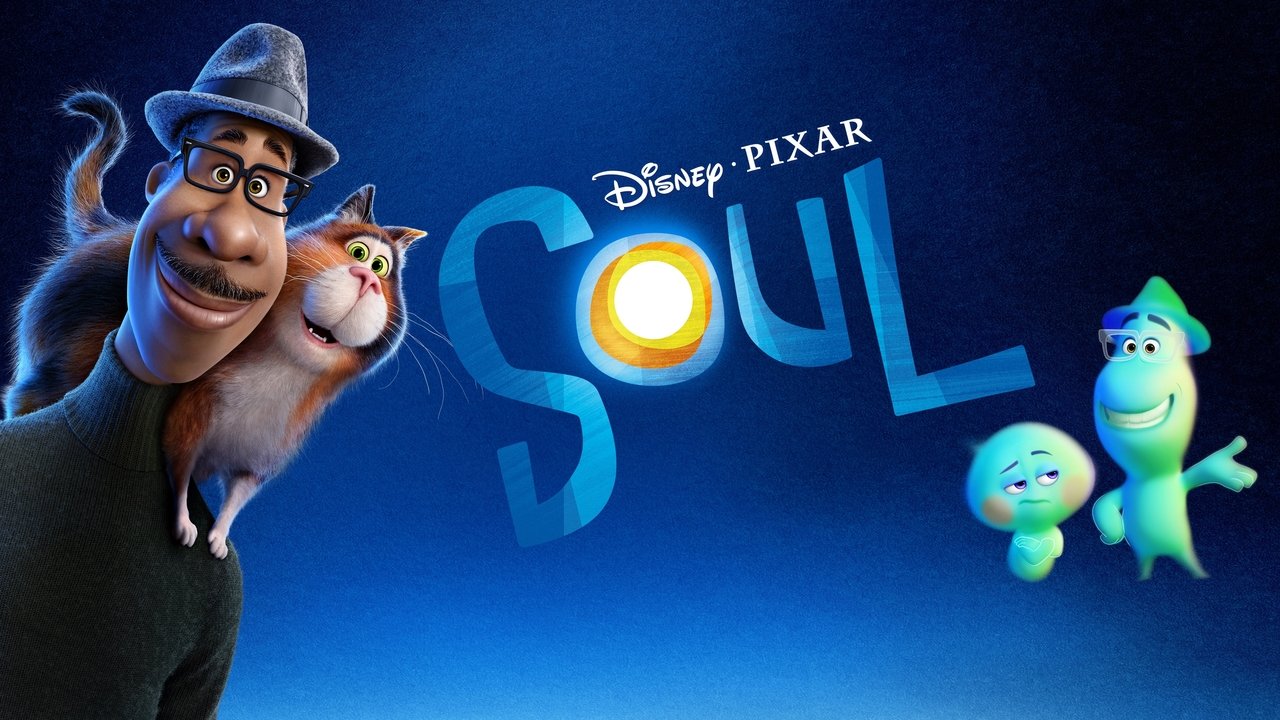
However, I have to be honest: The body-swap subplot involving a therapy cat is a total 'studio-mandated' distraction. While seeing 22 experience Earth for the first time inside Joe’s body leads to some beautiful moments, the slapstick "cat-and-man" routine feels like Pixar got cold feet about making a pure philosophical drama and decided they needed a literal hairball for the kids.
The Sound of the Soul
You can't talk about Soul without talking about the music. It’s a tale of two soundtracks. On one hand, you have the earthy, percussive, sweat-on-the-keys jazz composed by Jon Batiste. On the other, you have the ethereal, chilly, synth-heavy soundscape of the soul world created by Trent Reznor and Atticus Ross (of Nine Inch Nails fame).
The way these two musical worlds interact is nothing short of brilliant. When Joe "slips into the zone" while playing, the animation shifts, the colors bleed, and for a second, you understand exactly what it feels like to be truly lost in your craft. It’s one of the best depictions of the creative process ever put to film. Behind the scenes, the production team went to incredible lengths for authenticity, even filming Jon Batiste’s hands as he played to ensure Joe’s finger movements on the piano were technically accurate.
Prestige and Purpose

As a "Prestige Film," Soul cleaned up. It bagged the Oscar for Best Animated Feature and Best Original Score, and it was the first Pixar film to feature a Black protagonist—a milestone that Kemp Powers ensured was handled with cultural specificity, particularly in the wonderful barbershop sequence. It’s a film that asks big, terrifying questions: What if I’m not special? What if my "spark" isn't a career, but just the way I enjoy a piece of pizza?
In the franchise-heavy landscape of the 2020s, Soul stands out because it isn't trying to set up a "Great Before Cinematic Universe." It’s a self-contained, deeply personal argument for the value of a quiet life. It’s a comedy that makes you laugh at a pirate ship captained by a sign-spinner named Moonwind (Graham Norton), only to punch you in the gut five minutes later with a montage of falling autumn leaves.
Soul is a rare bird—a technical masterpiece that manages to feel handmade and messy. While the middle-act hijinks lean a bit too hard into traditional "cartoon" territory, the ending is one of the most transcendent things Pixar has ever produced. It’s a film that demands you stop worrying about your "purpose" for ninety minutes and just enjoy the music. Even if you’re watching it on a cracked screen with a noisy radiator for company, it’s impossible not to feel the spark.
Keep Exploring...
-
Inside Out
2015
-
Trolls World Tour
2020
-
Luca
2021
-

Trolls Band Together
2023
-

Trolls
2016
-
Sing
2016
-
Frozen II
2019
-
Onward
2020
-
The Croods: A New Age
2020
-

Encanto
2021
-

Sing 2
2021
-

Minions: The Rise of Gru
2022
-
Puss in Boots: The Last Wish
2022
-
Elemental
2023
-
The Super Mario Bros. Movie
2023
-
KPop Demon Hunters
2025
-
Turning Red
2022
-
Nimona
2023
-

Up
2009
-

Klaus
2019