Sound of Metal
"To find the signal, you have to lose the noise."
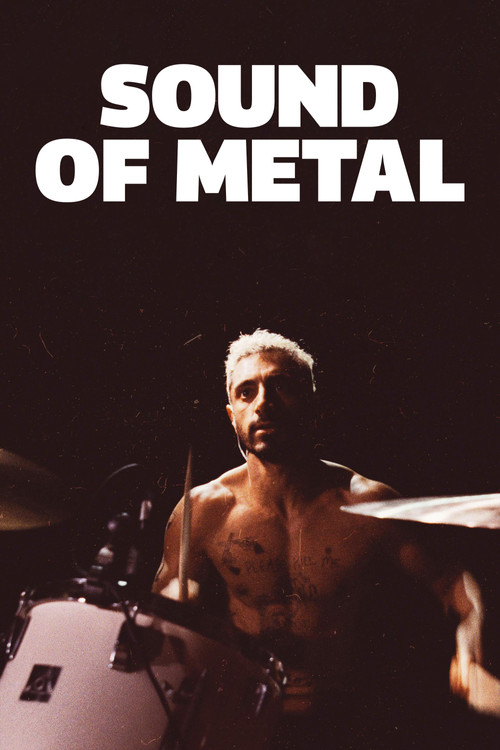
The first time I watched Sound of Metal, I was sitting in my living room with a pair of cheap, over-ear headphones, trying to ignore the sound of my neighbor’s leaf blower. About twenty minutes in, I realized the leaf blower had stopped, but my chest still felt tight. That’s the magic trick this movie pulls: it doesn't just show you a man losing his hearing; it hijacks your nervous system and makes you feel the walls closing in.
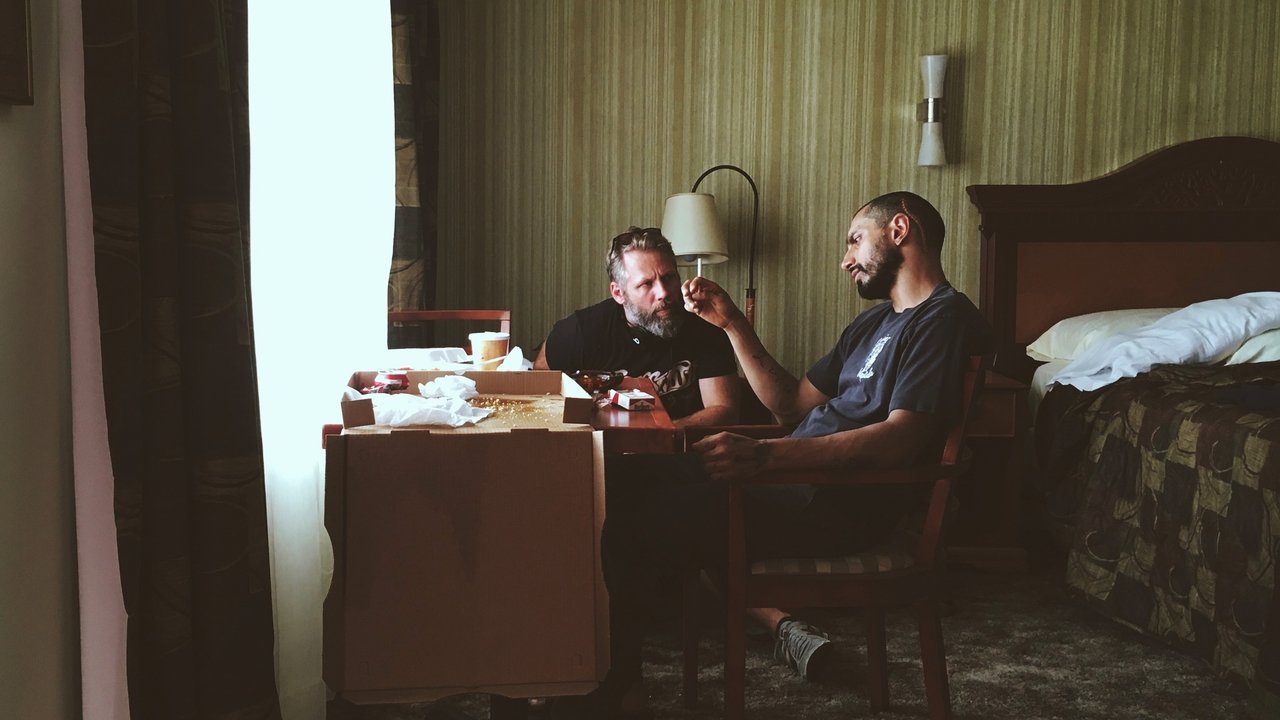
Released in the thick of 2020, when we were all stuck in our own private bubbles of isolation, Darius Marder’s debut feature felt less like a movie and more like a collective sensory experience. It skipped the grand theatrical rollout for a Prime Video debut, becoming one of those rare "streaming era" wins where the platform actually helped the intimacy of the story. It’s a film that demands you listen—truly listen—to the things we usually try to drown out with volume.
The Anatomy of a Panic Attack
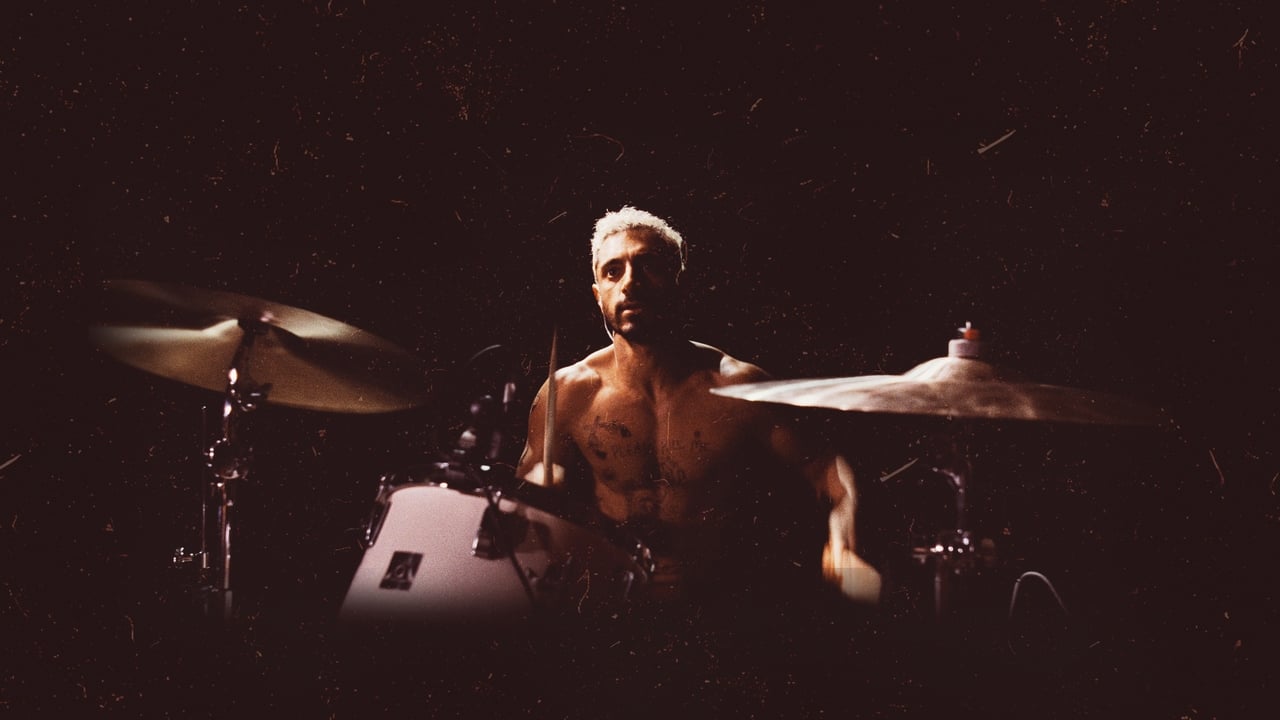
We meet Ruben, played by Riz Ahmed with a frantic, wiry energy that feels like a live wire dipped in water. He’s a metal drummer, a former addict, and a man whose entire identity is forged in the furnace of high-decibel distortion. Alongside his girlfriend Lou (Olivia Cooke, sporting bleached eyebrows and a haunting, vulnerable grit), Ruben lives in an RV, chasing the high of the next gig. Then, the sound goes. Not all at once, but in a muffled, sickening slide into the underwater.
The sound design by Nicolas Becker isn’t just good; it’s the co-lead of the movie. We hear what Ruben hears—the terrifying "glitch" of a world that no longer makes sense. When he goes to see a doctor and realizes his hearing isn't coming back, the film doesn't lean on melodramatic soaring strings. It gives us the horrifying, flat reality of silence. Riz Ahmed does more with his eyes in these ten minutes than most actors do in a career; he looks like a man watching his own house burn down while he’s locked inside.
The Church of Stillness
The heart of the film beats in a rural sober house for the Deaf, run by a man named Joe. Paul Raci, who grew up as a Child of Deaf Adults (CODA) and is a veteran of the Deaf theater scene, gives the kind of performance that makes you want to rewrite every acting textbook. Joe isn't there to "fix" Ruben. In fact, Joe’s whole philosophy—the philosophical backbone of the movie—is that being Deaf isn't a handicap to be cured, but a state of being to be inhabited.

There’s a scene where Joe tells Ruben to sit in a room alone with a pen and paper, and if he can’t be still, he has to write. Watching a guy struggle to sit in a chair for five minutes is more tense than most Marvel third acts. It’s here that the film transcends being a "disorder of the week" drama. It becomes a meditation on the terror of our own minds. Ruben is addicted to the noise because the noise keeps him from having to face himself. Without the drums, without the distortion, who is he? He’s just a guy in a quiet room, and for an addict, that’s the most dangerous place on earth.
Subverting the "Cure" Narrative
In our current era of cinema, we’re used to the "triumph over adversity" arc where the protagonist "conquers" their disability. Sound of Metal looks that trope in the eye and spits on its shoes. Ruben views a cochlear implant as a mechanical Savior—a way to buy back his old life. But the movie treats the surgery not as a climax, but as a complicated, messy, and arguably tragic choice.
When Ruben finally gets the implants, the sound is jagged, metallic, and broken. It’s a harsh commentary on our technological obsession with "fixing" nature. The film forces us to question: Is Ruben trying to hear, or is he just trying to run away from the peace he found with Joe? The ending of this movie is one of the most intellectually honest moments in modern film. It doesn't give you the Hollywood hug. It gives you a choice between the screeching ghost of the past and the terrifying beauty of the present.
Stuff You Didn't Notice
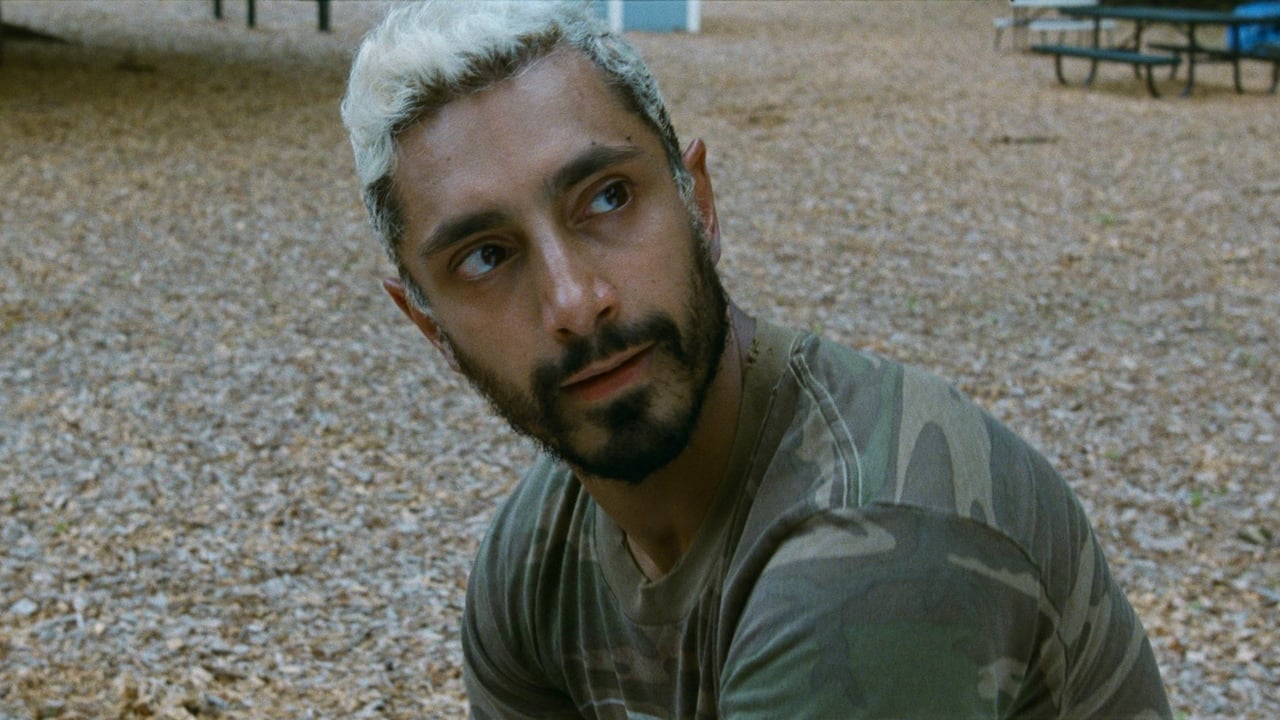
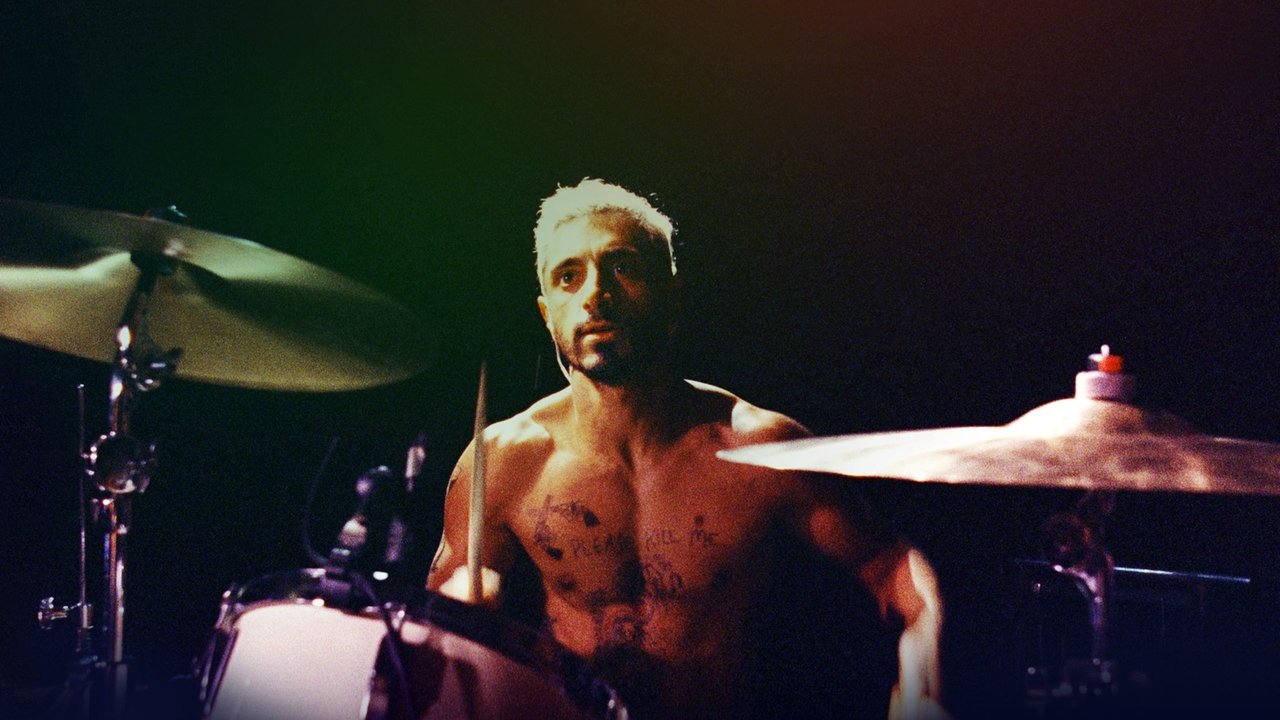
One of the reasons this film feels so lived-in is the sheer amount of sweat put into the prep. Riz Ahmed didn't just "learn" to play the drums; he spent six months practicing for four hours a day until he could actually perform the sets seen in the film. He also spent that same time immersed in the Deaf community, learning American Sign Language (ASL) so fluently that he could improvise scenes with the other actors.
Speaking of the cast, most of the people Ruben interacts with at the sober house are actually part of the Deaf community. Lauren Ridloff, who plays the teacher Diane, brings a natural warmth that balances Joe's stern wisdom. The production even used "sound blockers" inside Riz Ahmed's ears that emitted a low-level white noise, meaning he genuinely couldn't hear his own voice or the actors around him during many scenes. That look of panicked confusion? That’s not just acting; that’s a man actually losing his bearings in real-time.
Also, for the gear-heads: the drums Ruben plays are a vintage Ludwig Vistalite kit—the same kind John Bonham used—which makes the eventual loss of that "thunder" feel even more like a sacrilege to music fans.
Sound of Metal is a rare bird: a contemporary drama that uses cutting-edge technology to argue for the importance of unplugging. It’s a film that stays with you long after the credits roll, mostly because it teaches you how to listen to the gaps between the noises in your own life. It's a reminder that sometimes, losing everything is the only way to figure out what you actually need. If you haven't seen it yet, grab the best pair of headphones you own, turn off your phone, and let the silence in. It’s louder than you think.
Keep Exploring...
-

CODA
2021
-
tick, tick... BOOM!
2021
-

Straight Outta Compton
2015
-

Clouds
2020
-
The Ballad of Buster Scruggs
2018
-

Manchester by the Sea
2016
-
Beautiful Boy
2018
-
Instant Family
2018
-

Roma
2018
-

All the Bright Places
2020
-
The Trial of the Chicago 7
2020
-

King Richard
2021
-
The Fabelmans
2022
-

The Woman King
2022
-

Gran Turismo
2023
-

Past Lives
2023
-
The Holdovers
2023
-
Loving Vincent
2017
-

Marriage Story
2019
-
Portrait of a Lady on Fire
2019